
Diving at Terranea Resort/ Old Marineland (United States)
Terranea Resort/Old Marineland offers a distinctive Southern California diving experience, distinguished by its invertebrate abundance. Formerly the site of Marineland of the Pacific, it now encompasses two main dive areas: Long Point and Cobble Beach. This location regularly records more nudibranch species than any other Southern California site, establishing it as a significant draw for macro photographers and enthusiasts.
Evening condition tracking at Terranea Resort/ Old Marineland features an air temperature of 21°C. We have recorded wave heights measuring 0.8 m during this period. These figures outline the environmental parameters currently present.
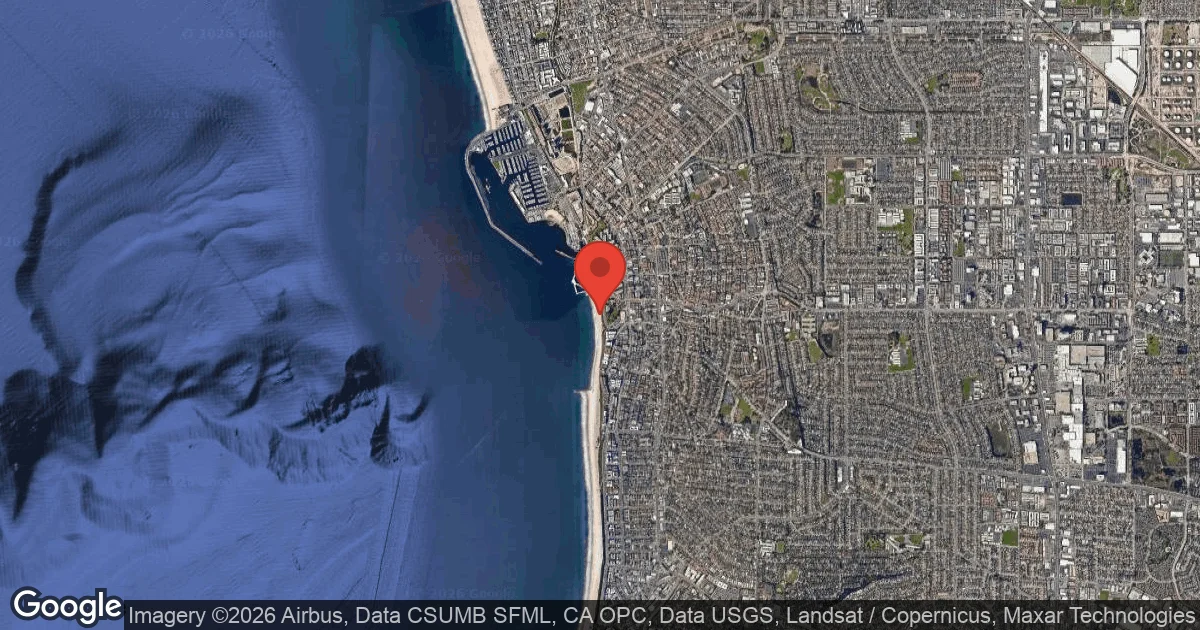
Dive Site Location & Key Facts
Dive Site Overview
This dive site, sometimes referred to as Old Marineland in Palos Verdes, offers two distinct areas for exploration: Long Point and Cobble Beach. Long Point is generally favored for its richer kelp forests and more abundant marine life, though it demands a more challenging rocky entry.
Cobble Beach, while still requiring navigation over loose shoreline rocks, provides easier access for divers. A practical approach often involves entering at Long Point and then exiting at Cobble Beach, simplifying the return journey. Divers can anticipate depths ranging from 4.5 to 15 m (15 to 50 ft) across most areas within easy swimming distance.
Visibility here typically averages around 6 m (20 ft), occasionally extending to 12-15 m (40-50 ft) under optimal conditions. The reefs comprise large pinnacles heavily covered with diverse invertebrates.
Dive planning should account for the site's overall difficulty, rated as challenging due to the entry/exit logistics and potential long surface swims, making it less suitable for beginner or intermediate beach divers.
Conditions are Excellent
07:00 - 14:00
Optimal conditions expected
Current conditions near Terranea Resort/ Old Marineland show 21° air, 23° sea temperature, 0.9 m waves, and 20 km/h wind. Forecast data is refreshed regularly to ensure accuracy.
Best Time to Dive
Optimal diving conditions generally align with the summer and early fall months, from June through September, when air temperatures are at their highest and rainfall is minimal. Air temperatures peak around 21°C (70°F) in August and remain warm through September, contributing to more comfortable surface conditions. These months also see the lowest average rainfall, with July recording only 0.015 mm and June 0.096 mm, reducing runoff and potentially improving visibility. Furthermore, average wave heights are typically calmer during this period, ranging from 0.9 m (3.0 ft), which can make entries and exits less strenuous. While diving is possible year-round, conditions between March and June may offer the additional opportunity to spot White Sea Bass on the fringes of the kelp beds.
PEAK SEASON SCORE
Scores combine air & water temps, waves, wind & rainfall for overall conditions.
BEST MONTHS TO DIVE
Monthly records compiled from satellite and marine observation nodes over the last 3 years. Data provided by Open-Meteo and MET Norway.
Dive Experience & Conditions
Currents at Terranea are typically mild, with no noticeable flow for much of the time. Occasionally, however, a light south-easterly current may be present along the shore. Divers here navigate a predominantly rocky shore entry that can be challenging, necessitating careful footing over loose stones. The surf is usually calm, but larger swells can occur; divers should assess conditions thoroughly before entering. Underwater, the topography features extensive reef systems and large pinnacles that are vibrant with invertebrate life. Healthy sea fans and colorful gorgonians are prolific, creating a textured habitat. Long Point is particularly known for its extensive kelp forests, which offer rich environments but require divers to be comfortable with potential kelp entanglement. Depths range from 4.5 to 15 m (15 to 50 ft) in accessible areas.
Dive Difficulty & Safety Guidelines
This site carries a high difficulty rating, making prudent judgment and careful planning essential for all divers. The rocky shore entry demands caution, and it's often advisable to drop down into the water to avoid slipping, rather than attempting to walk too far in. Divers should always assess the environmental conditions, especially surf size, and dive within their comfort and ability levels.
Buddy diving is strongly recommended. Should you find yourself tangled in kelp, remember that kelp breaks relatively easily, so staying calm is key.
While marine life is abundant, divers should be aware of electric torpedo rays; these rays are known to be unafraid of divers and can deliver a significant electrical charge if provoked, so maintaining a respectful distance is advised.
Recommended Equipment
- Dive Computer
- Hard-soled Dive Boots
This gear list is based on verified equipment signals for Terranea Resort/ Old Marineland, United States. Always confirm final gear choices with your dive operator, guide, or liveaboard.
Recommended Dive Suit
Recent conditions suggest the water at Terranea Resort/ Old Marineland remains near 23°C (74°F), offering typical conditions for the area. Surface air temperatures are resting at 21°C (70°F).
The forecast outlook suggests that temperatures will stay close to current levels.
Divers who prefer moderate insulation typically choose 3-5mm wetsuit in similar environments. A hood or vest is suggested for sensitive divers due to surface winds. Surface intervals may feel cooler. Many experienced divers adjust their exposure protection depending on the type of dive planned.
Emergency & Medical Support
Essential information to help you plan your dive trip to Terranea Resort/ Old Marineland.

Hyperbaric chambers are a critical part of dive safety infrastructure. Availability varies significantly by region, and not all dive areas have immediate access.
Before diving, it's recommended to:
- confirm nearest medical facilities
- check emergency procedures with local dive operators
- ensure dive insurance covers evacuation if required
Divers Alert Network
Diving emergency assistance available through DAN World.
+1-919-684-9111- 24/7 emergency hotline
- Diving medical assistance
- Evacuation coordination
Emergency contacts are provided for reference. Always verify local emergency services before diving.
Marine Life at Terranea Resort/ Old Marineland
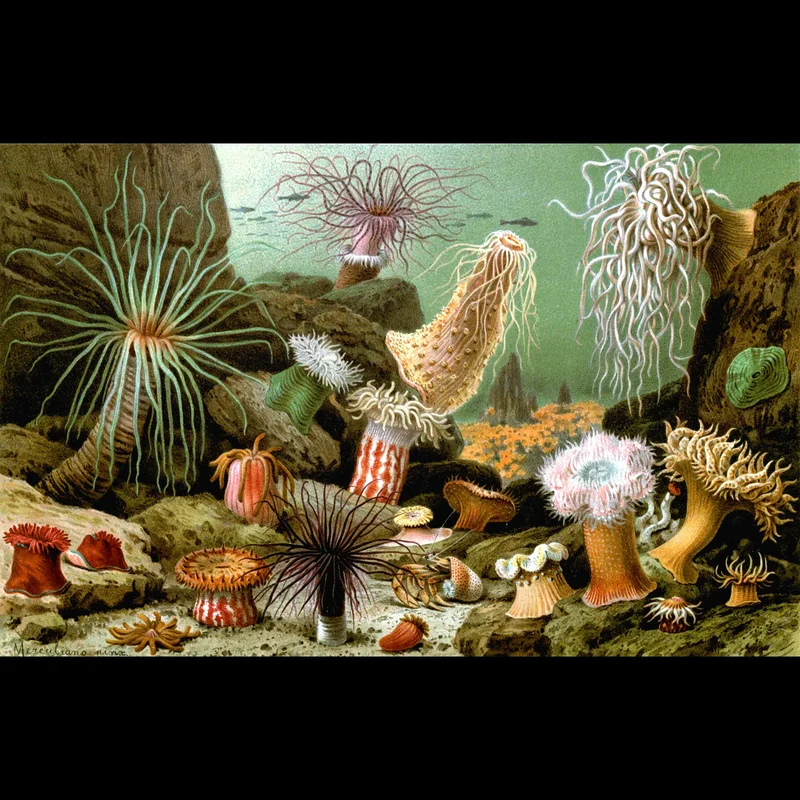
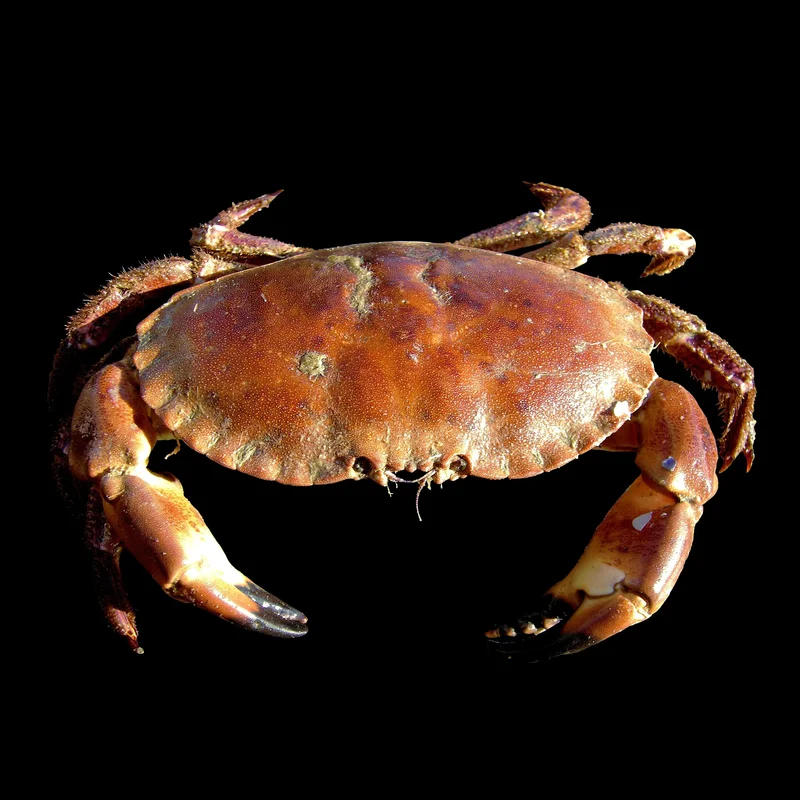
The underwater environment at Terranea Resort/Old Marineland showcases a notable diversity of invertebrate life, particularly nudibranchs, with more species reported here than any other Southern California site. Divers frequently encounter crustaceans such as crabs and lobsters, alongside sea anemones and starfish across the rocky substrate.
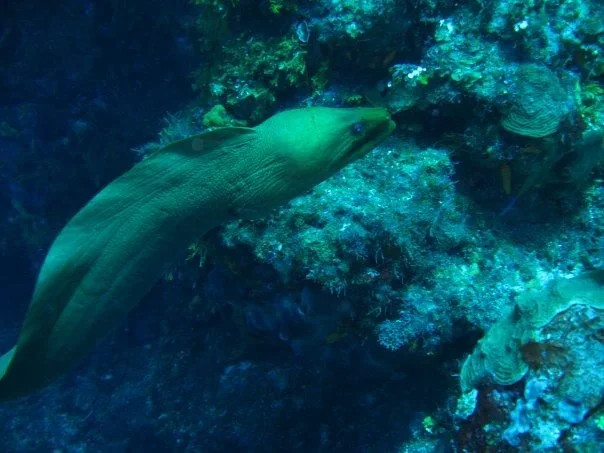
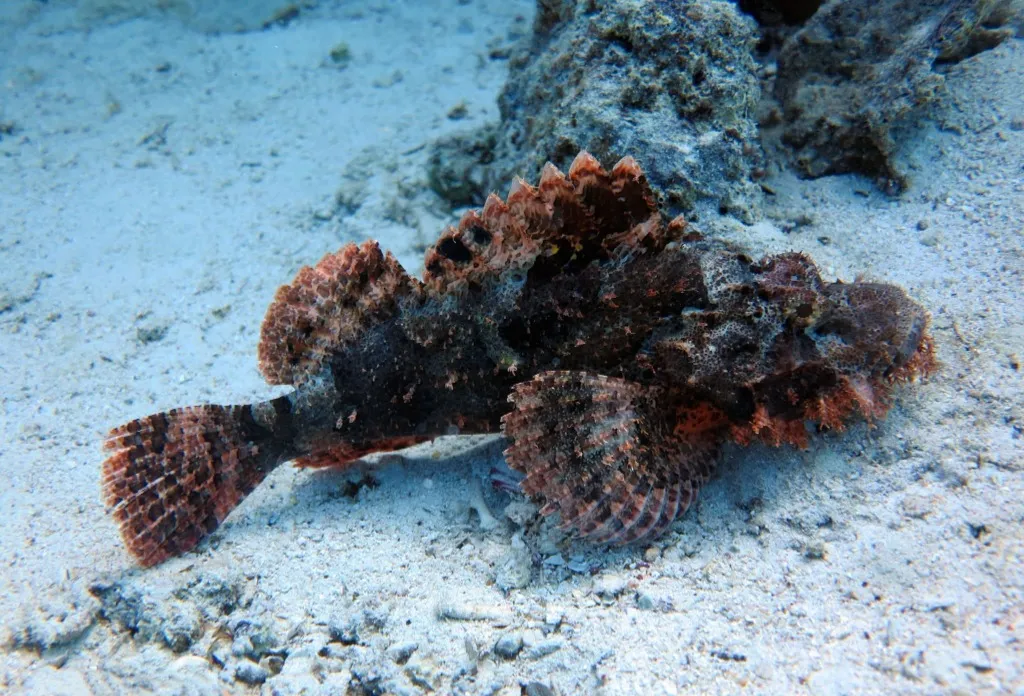
Fish species include Sand Bass, Calico Bass, Tree Fish, and Cabezon, often schooling with baitfish. Scorpionfish and Moray Eels are common, often concealed within reef structures.
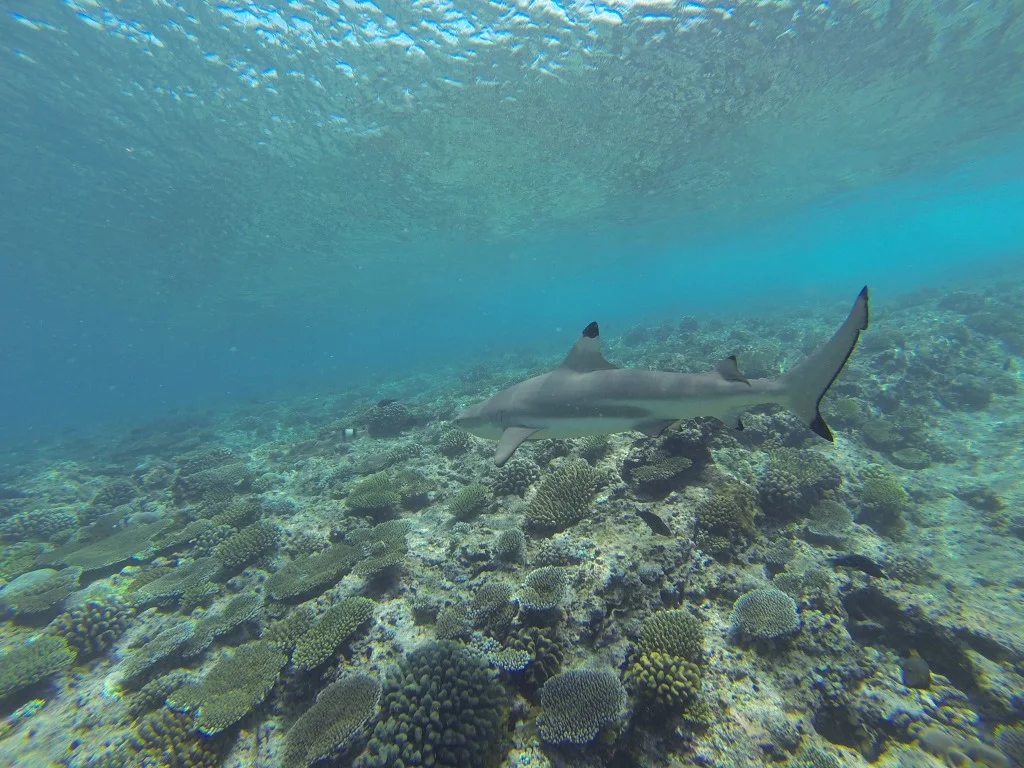
Larger visitors can include Bat Rays, Horn Sharks, and occasionally Angel Sharks or Shovelnose Guitarfish. The site also features electric torpedo rays, octopuses, and from March through June, White Sea Bass along the kelp bed fringes.
Dive Sites Near Terranea Resort/ Old Marineland
View all dive sites in United StatesDiscover more underwater gems in this area.
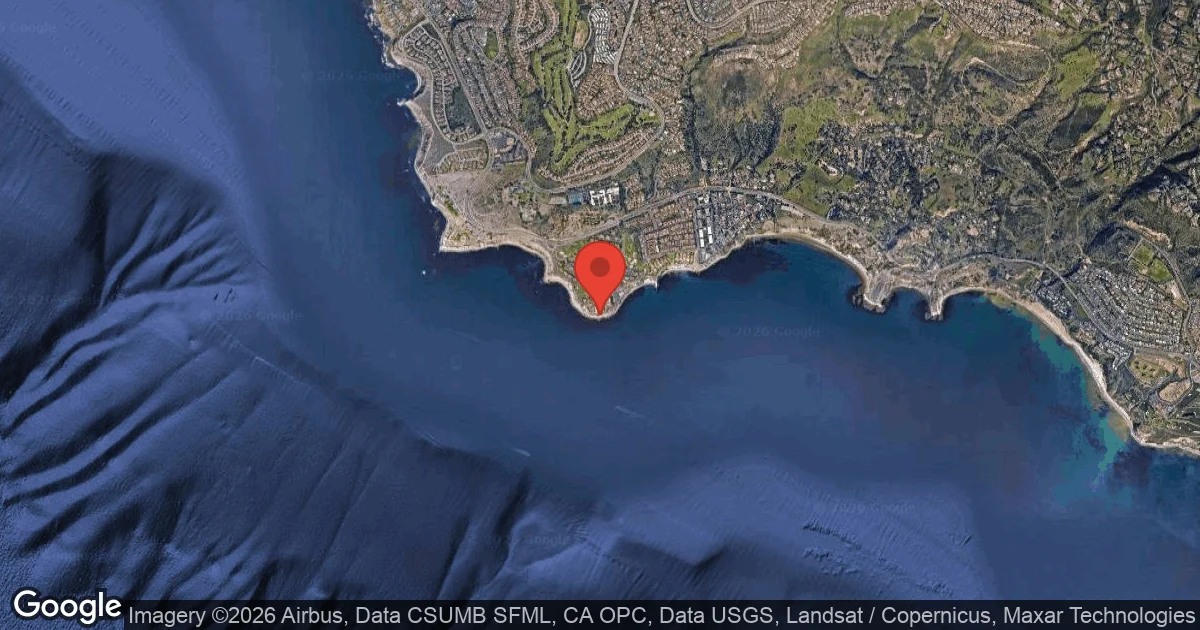
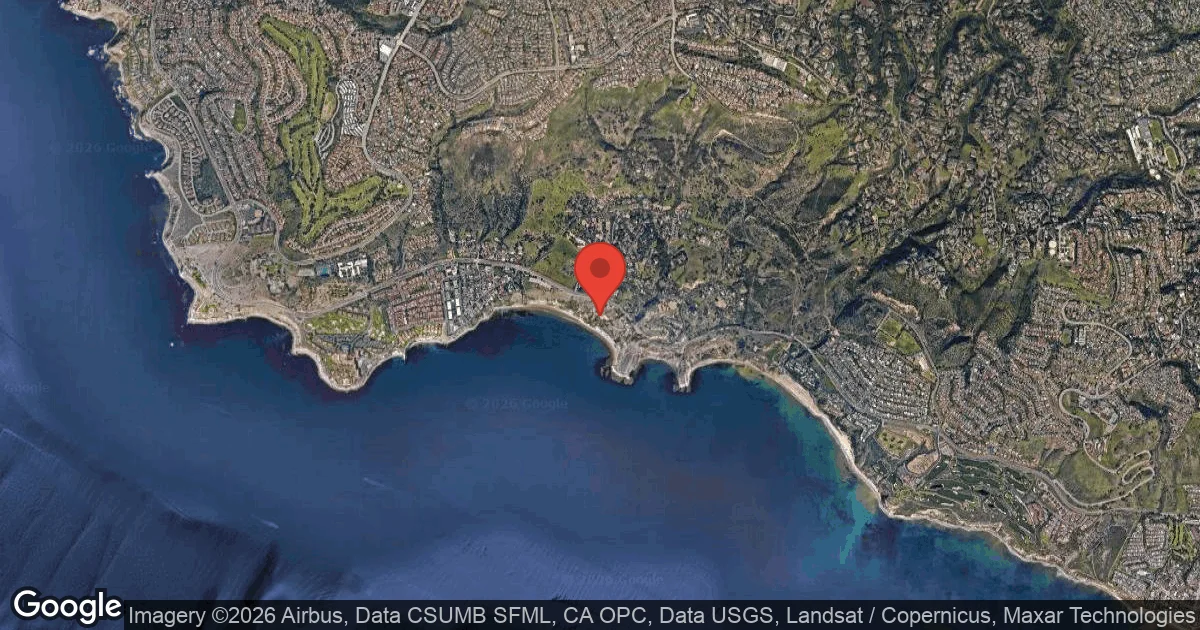
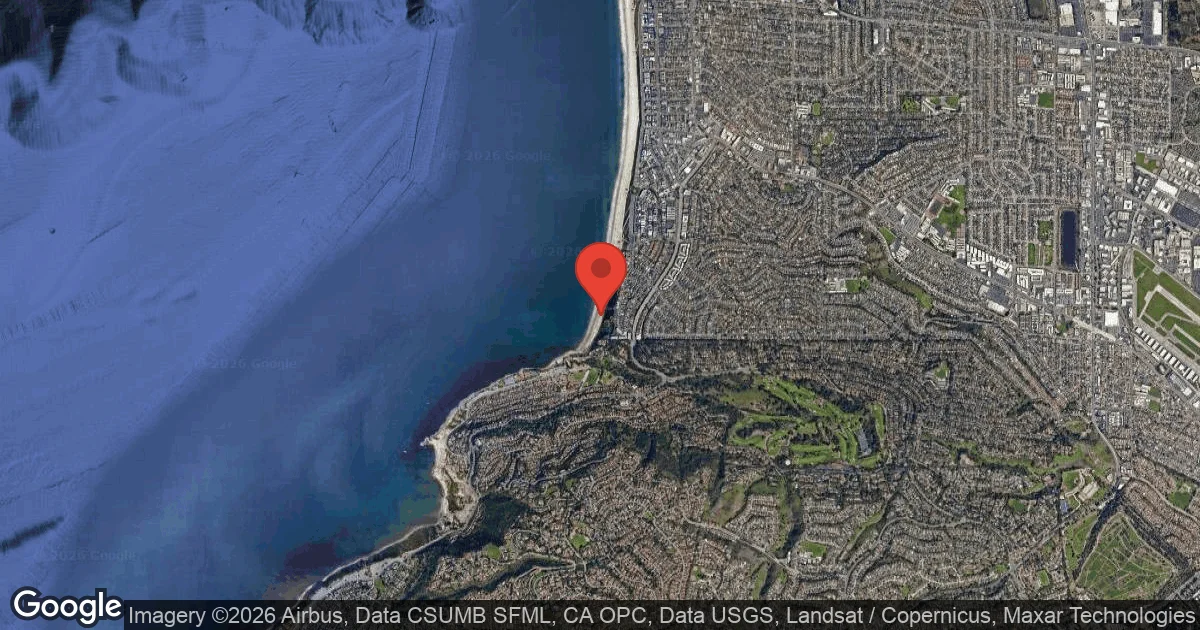
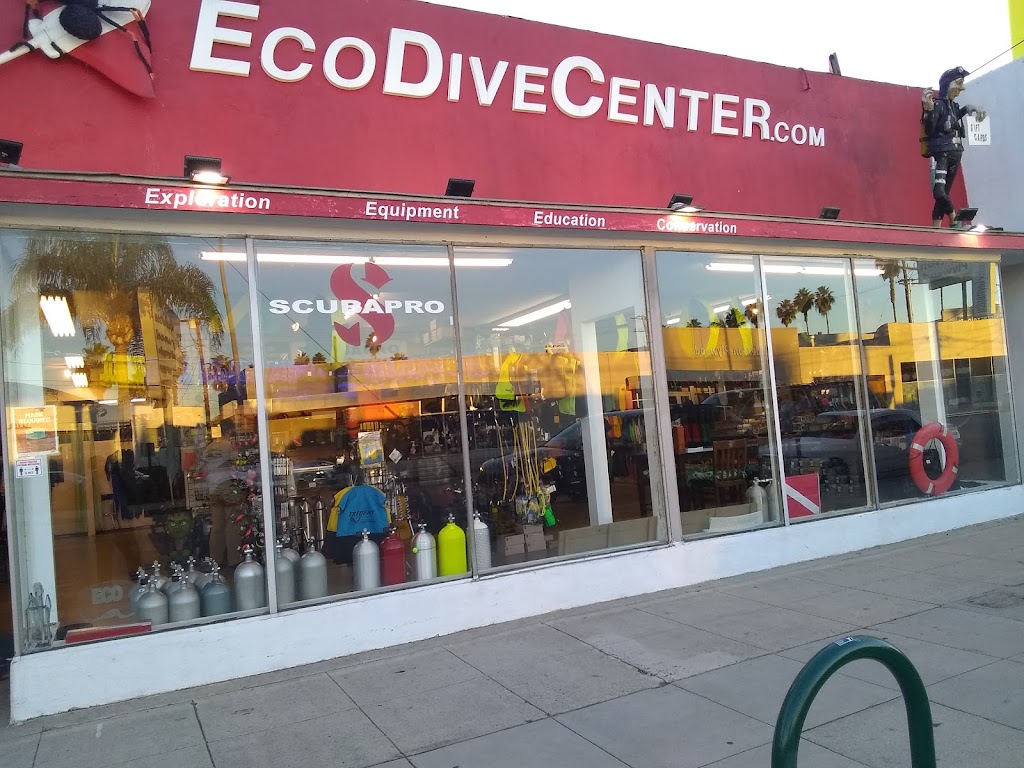
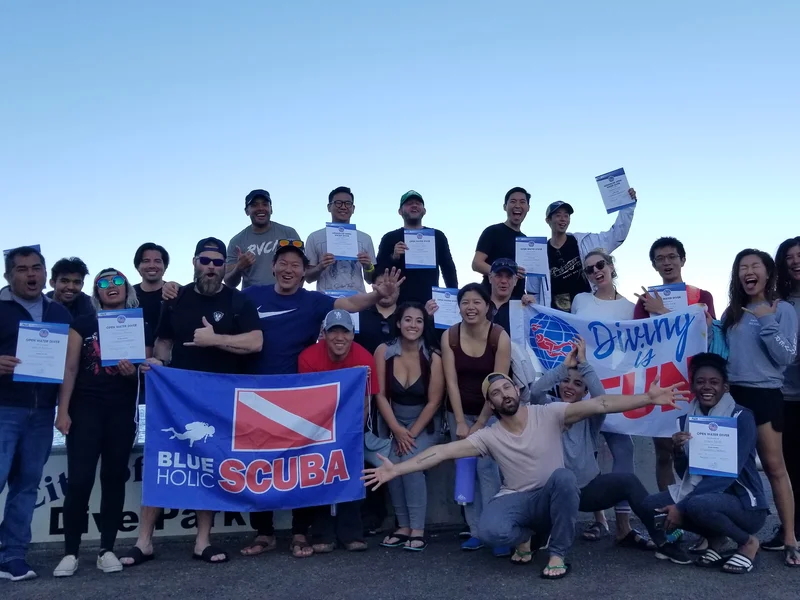
Dive Centers Near Terranea Resort/ Old Marineland
Today: 10:00 - 18:00
Nearest Airports
Nearest airports to help plan travel to this dive area.
Search Flights
Check available flights and routes on Expedia, using the nearby airports listed in this section.
Search Flights on Expedia
Plan Your Stay
Looking for a place to stay for your dive trip? Explore hotels, stays, and vacation rentals for dive groups near Rancho Palos Verdes.
Dive Navigator may earn a commission from these links at no extra cost to you.
Frequently Asked Questions
What unique marine life can be seen?
The site is notable for its diverse nudibranch population, recording more species here than any other Southern California site. Divers also frequently encounter electric torpedo rays, octopuses, various rockfish, and seasonally, White Sea Bass along the kelp beds. Crustaceans like crabs and lobsters are common finds, often alongside healthy sea fans and colorful gorgonians.
What is the overall difficulty level of diving at Terranea Resort/Old Marineland?
This site carries a high difficulty rating, primarily due to the challenging rocky shore entry and exit, and potential for long surface swims. It's considered less suitable for beginner or intermediate beach divers. Prudent judgment and careful planning are essential for all divers approaching this location.
When is the best time of year to dive at this site?
Optimal diving conditions generally align with the summer and early fall months, from June through September. During this period, air temperatures are higher, rainfall is minimal, and average wave heights are typically calmer, making entries less strenuous. While diving is possible year-round, March through June may offer opportunities to spot White Sea Bass.
How should divers approach entry and exit at Terranea?
Divers face a challenging rocky shore entry and exit, necessitating careful footing over loose stones. It's often advisable to drop into the water to avoid slipping rather than walking too far in. Entering at Long Point and exiting at Cobble Beach can simplify the return journey, but divers should always assess surf conditions thoroughly before committing.
Are there any specific safety considerations or marine hazards to be aware of?
Divers should be aware of electric torpedo rays, which are unafraid of divers and can deliver a significant electrical charge if provoked; maintaining respectful distance is advised. Kelp entanglement is a possibility, but kelp breaks easily if you remain calm. Buddy diving is strongly recommended, and always dive within your comfort and ability levels.
What are the typical depths and visibility expected?
Divers can anticipate depths ranging from 4.5 to 15 m (15 to 50 ft) across most areas within easy swimming distance. Visibility here typically averages around 6 m (20 ft). Under optimal conditions, visibility can occasionally extend to 12-15 m (40-50 ft).
Planning to dive Terranea Resort/ Old Marineland?
Send one inquiry and receive offers directly from the best verified local dive operators.
Conditions are Excellent
07:00 - 14:00
Optimal conditions expected
Current conditions near Terranea Resort/ Old Marineland show 21° air, 23° sea temperature, 0.9 m waves, and 20 km/h wind. Forecast data is refreshed regularly to ensure accuracy.