
Diving at Loss Pontoon Site (United States)
The Loss Pontoon site provides a shallow to moderate depth profile in Panama City Beach, United States, making it accessible for many certified divers. An artificial reef, it rests on the seabed, with its highest points reaching approximately 13.7 m (45 ft) below the surface. From there, the structure slopes down to a maximum depth of around 19.8 m (65 ft).
Starting the day at Loss Pontoon Site, the ambient air temperature is recorded at 26°C. Ongoing monitoring shows wave heights measuring 0.6 m. This data represents the current surface conditions for early activities.
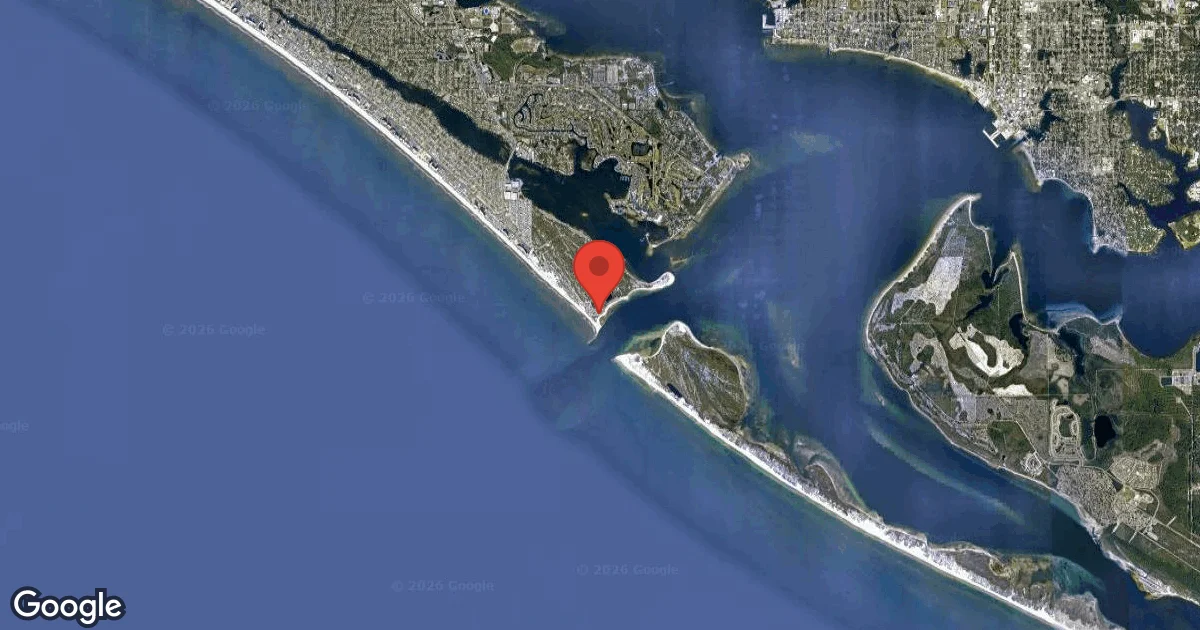
Dive Site Location & Key Facts
Dive Site Overview
Presenting a substantial structure for divers to explore in the Gulf of Mexico, the Loss Pontoon functions as an artificial reef off Panama City Beach. Originally part of naval operations or infrastructure, this pontoon was intentionally sunk to create a new habitat for marine life and a focal point for divers.
Its current coordinates are 29° 58.475’ N – 085° 51.915’ W, marking its precise resting place. The pontoon’s role as an artificial reef has allowed it to evolve into a localized ecosystem, attracting various species to its surfaces. Considered a near-shore dive, the site is often completed within a typical 4-hour charter window.
Recreational divers will find the structure an engaging subject, with its various nooks and crannies providing exploration opportunities. A maximum depth of 19.8 m (65 ft) ensures a comfortable no-decompression dive profile for most certification levels; shallower sections are excellent for extended bottom times.
Conditions are Good
Optimal conditions expected
Current conditions near Loss Pontoon Site show 26° air, 30° sea temperature, 0.3 m waves, and 21 km/h wind. Forecast data is refreshed regularly to ensure accuracy.
Best Time to Dive
Planning a dive at the Loss Pontoon largely benefits from considering the calmer conditions often found outside the deepest winter months, which generally contribute to better underwater visibility. Optimal dive scores are frequently reported from February through November, reaching peaks in October and November. During these months, air temperatures are inviting, ranging from 15°C (59°F) in February up to 28.5°C (83°F) in August. Wave heights are notably lower in the late summer and early fall, with averages of 0.6 to 0.7 m (2.0 to 2.3 ft) from July to September, typically enhancing visibility. While rain can occur throughout the year, October typically sees the lowest average rainfall at 1.5 mm, minimizing runoff that might affect water clarity. These periods generally provide the most comfortable and clear diving experiences.
PEAK SEASON SCORE
Scores combine air & water temps, waves, wind & rainfall for overall conditions.
BEST MONTHS TO DIVE
Monthly records compiled from satellite and marine observation nodes over the last 3 years. Data provided by Open-Meteo and MET Norway.
Dive Experience & Conditions
Approaching the Loss Pontoon typically involves a short boat ride from Panama City Beach, bringing divers directly over the site for descent. Once in the water, divers usually follow a mooring line or descend directly to the top of the pontoon. Within recreational limits, the dive has its highest point at 13.7 m (45 ft) and reaches a maximum depth of 19.8 m (65 ft). While specific water temperatures aren't consistently reported, Gulf of Mexico waters generally offer warm conditions, especially from late spring through early fall, often hovering between 22-27°C (72-81°F). Visibility can vary depending on recent weather and local currents, but it is often good, particularly during periods of calm seas and minimal rainfall. Currents at the site are generally manageable, though conditions can shift, requiring divers to be attentive.
Dive Difficulty & Safety Guidelines
Adherence to standard safety practices is crucial when diving the Loss Pontoon, as with any wreck or artificial reef, to ensure a positive experience. While no specific hazards are reported for this site, divers should always be mindful of potential entanglement points or sharp edges common on submerged structures. Staying within no-decompression limits is paramount, given the site's maximum depth of 19.8 m (65 ft).
Always dive with a buddy and conduct thorough equipment checks before entering the water. Respect the integrity of the artificial reef; removing any artifacts or disturbing the structure is prohibited and detracts from the site's value as a habitat and dive destination.
Recommended Equipment
- Dive Computer
This gear list is based on verified equipment signals for Loss Pontoon Site, United States. Always confirm final gear choices with your dive operator, guide, or liveaboard.
Recommended Dive Suit
With water temperatures around 30°C (86°F), many divers find a dive skin or rash guard provides comfortable protection.
Local dive briefings can provide the most accurate guidance.
The forecast outlook suggests that temperatures will stay close to current levels.
Due to technical issues with our weather providers, data hasn't been fetched for over 48 hours. The data above reflects the conditions at the time of the last successful fetch.
Emergency & Medical Support
Essential information to help you plan your dive trip to Loss Pontoon Site.

Hyperbaric chambers are a critical part of dive safety infrastructure. Availability varies significantly by region, and not all dive areas have immediate access.
Before diving, it's recommended to:
- confirm nearest medical facilities
- check emergency procedures with local dive operators
- ensure dive insurance covers evacuation if required
Divers Alert Network
Diving emergency assistance available through DAN World.
+1-919-684-9111- 24/7 emergency hotline
- Diving medical assistance
- Evacuation coordination
Emergency contacts are provided for reference. Always verify local emergency services before diving.
Marine Life at Loss Pontoon Site
Upon descending to the Loss Pontoon, divers will immediately notice the various reef fish that have claimed this structure as their home. The artificial reef has successfully attracted a localized abundance of aquatic life, transforming a sunken object into a vibrant ecosystem.
Expect to encounter numerous smaller schooling fish congregating around the pontoon’s contours. Often, larger pelagic species are observed patrolling the perimeter, drawn to the concentration of smaller prey.
Such concentration of marine activity highlights the success of artificial reefs in supporting local biodiversity.
Dive Sites Near Loss Pontoon Site
View all dive sites in United StatesDiscover more underwater gems in this area.
Dive Centers Near Loss Pontoon Site
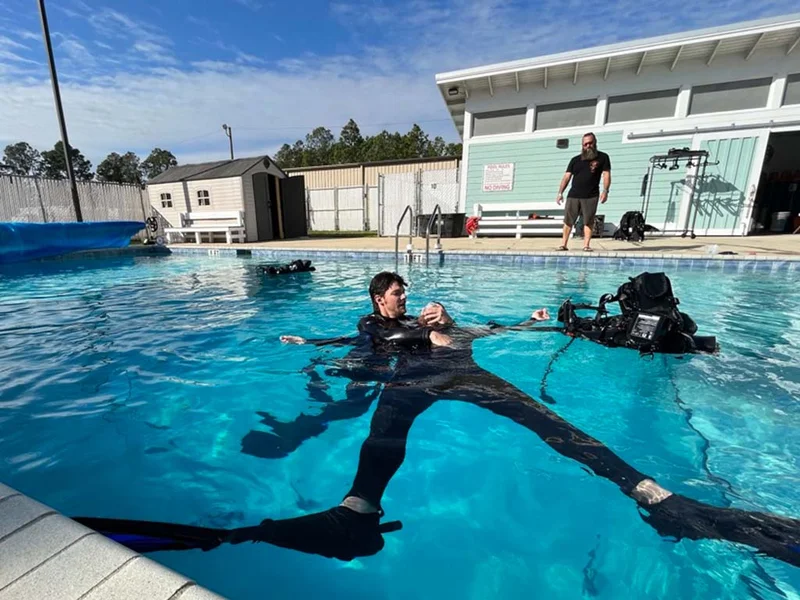
Today: 09:00 - 16:00
Nearest Airports
Nearest airports to help plan travel to this dive area.
Search Flights
Check available flights and routes on Expedia, using the nearby airports listed in this section.
Search Flights on Expedia
Plan Your Stay
Looking for a place to stay for your dive trip? Explore hotels, stays, and vacation rentals for dive groups near Lower Grand Lagoon.
Dive Navigator may earn a commission from these links at no extra cost to you.
Frequently Asked Questions
What is the Loss Pontoon?
Loss Pontoon is an artificial reef off Panama City Beach, Florida. It's a purposefully sunken pontoon structure that serves as a habitat for marine life and a dive site for certified divers.
Where is the Loss Pontoon situated?
It lies in the Gulf of Mexico, off Panama City Beach, United States. The coordinates are 29° 58.475’ N – 085° 51.915’ W.
What are the typical depths for diving the Loss Pontoon?
The pontoon's highest point is around 13.7 m (45 ft) below the surface. Its lowest parts reach a maximum depth of approximately 19.8 m (65 ft).
What kind of marine life can divers expect to see?
Divers can expect to observe a variety of reef fish that have colonized the structure. The pontoon provides shelter and feeding grounds, attracting numerous schooling fish and occasional larger marine species.
Is the Loss Pontoon suitable for beginner divers?
Yes, its relatively shallow maximum depth of 19.8 m (65 ft) places it within recreational diving limits. It's considered suitable for certified divers of various experience levels, including those looking for an accessible wreck dive.
When is the best time to dive this site?
Best time to dive the Loss Pontoon is generally from February through November. Periods with lower wave heights, particularly from July to September, often provide better visibility and more comfortable conditions.
Are there any specific guidelines for diving the Loss Pontoon?
Divers should adhere to standard safe diving practices, including diving with a buddy and staying within no-decompression limits. It is also important not to disturb or remove anything from the artificial reef to preserve its ecosystem and integrity.
Planning to dive Loss Pontoon Site?
Send one inquiry and receive offers directly from the best verified local dive operators.
Conditions are Good
Optimal conditions expected
Current conditions near Loss Pontoon Site show 26° air, 30° sea temperature, 0.3 m waves, and 21 km/h wind. Forecast data is refreshed regularly to ensure accuracy.