
Diving at M-13 Site (United States)
Diving the M-13 site often means encountering the dynamic conditions of the Gulf, where visibility can shift and water temperatures vary with the seasons. This artificial reef, like many others off the Florida Panhandle, transforms an otherwise sandy bottom into a vibrant underwater landscape. Expect conditions that demand attentiveness, yet reward divers with a rich, evolving ecosystem.
As evening covers M-13 Site, the local air temperature is measured at 26°C. The current wave height at the surface is recorded at 0.3 m. These late-day readings characterize the surface conditions for the night.
Dive Site Location & Key Facts
Dive Site Overview
The M-13 site forms part of the extensive artificial reef program off the Florida Panhandle, an initiative revitalizing marine habitats where natural reefs are scarce. Okaloosa County, particularly, has been active in deploying numerous structures, including large ships, concrete, and various reef modules, to foster biodiversity.
While specific details for M-13 are not consistently reported, such sites generally offer complex environments for exploration. Many of these artificial structures are situated within recreational dive limits, though some, like sections of the USS Oriskany, extend to maximum depths of around 65 m (212 ft), with decks reaching 45 m (146 ft).
These structures serve as essential habitat, creating underwater cities that attract a diverse array of marine life, benefiting both diving and fishing opportunities in the region. The continuous deployment efforts ensure new sites, like the M-13, are regularly becoming established points of interest for divers.
Conditions are Good
07:00 - 14:00
Optimal conditions expected
Current conditions near M-13 Site show 26° air, 31° sea temperature, 0.2 m waves, and 26 km/h wind. Forecast data is refreshed regularly to ensure accuracy.
Best Time to Dive
Planning a dive to M-13 is generally favorable throughout much of the year, with July often presenting excellent conditions, marked by air temperatures averaging 29°C (84°F) and minimal wave heights. However, months like January through June and August through December also offer good diving scores. During these periods, air temperatures range from 16.5°C (62°F) in January to 27°C (81°F) in June, ensuring comfort for surface intervals. Rainfall remains relatively low for most of the year, typically between 0.86 mm and 6.35 mm (0.03 to 0.25 inches) monthly, minimizing surface run-off impacts on nearshore visibility. The calmest wave conditions are often observed in the summer months, enhancing boat ride comfort and underwater clarity.
PEAK SEASON SCORE
Scores combine air & water temps, waves, wind & rainfall for overall conditions.
BEST MONTHS TO DIVE
Monthly records compiled from satellite and marine observation nodes over the last 3 years. Data provided by Open-Meteo and MET Norway.
Dive Experience & Conditions
Descending into the Gulf's waters off the Florida Panhandle, divers might experience notable shifts in clarity and temperature. Near the surface, the water can reflect the emerald coast's vibrant hues, but as one drops, visibility can decrease, sometimes presenting a pea-green color, particularly in murkier springtime conditions. Temperatures can fluctuate, with some reports noting a drop from 25°C (78°F) to 20°C (68°F) at shallower depths, suggesting the presence of thermoclines. Navigating these artificial reefs provides a distinct sensory impression; the sudden appearance of a large structure from the dark below creates an exciting, addictive feeling. Divers often find themselves exploring open holds and wheelhouses, with light filters changing through the water column. The overall experience is one of engaging with an environment actively being reclaimed by marine life.
Dive Difficulty & Safety Guidelines
Diving the artificial reefs in this region, including sites like M-13, often requires a degree of experience beyond entry-level certification due to variable visibility and potential depth requirements. Longer boat rides to offshore sites are common, so divers should be comfortable with open-water travel. Maintaining awareness of surroundings is critical, especially if spearfishing is occurring on the same charter, as some dive groups include both recreational sightseers and those hunting, particularly for lionfish.
Always have a backup plan for surface activities in case weather conditions necessitate an aborted dive day; nearby springs or maritime museums offer good alternatives. Adhering to responsible diving practices, such as proper buoyancy control and not disturbing marine life, is paramount to preserving these growing ecosystems.
Recommended Equipment
- Dive Computer
This gear list is based on verified equipment signals for M-13 Site, United States. Always confirm final gear choices with your dive operator, guide, or liveaboard.
Recommended Dive Suit
Comfort levels can also depend on how active a diver is during the dive.
Divers exploring M-13 Site today will likely encounter water temperatures close to 31°C (88°F). Surface air temperatures are resting at 26°C (79°F). When water temperatures fall within this range, many divers dive comfortably with dive skin or rash guard. A hood or vest is suggested for sensitive divers due to surface winds.
Weather projections show fairly stable environmental conditions ahead.
Emergency & Medical Support
Essential information to help you plan your dive trip to M-13 Site.

Hyperbaric chambers are a critical part of dive safety infrastructure. Availability varies significantly by region, and not all dive areas have immediate access.
Before diving, it's recommended to:
- confirm nearest medical facilities
- check emergency procedures with local dive operators
- ensure dive insurance covers evacuation if required
Divers Alert Network
Diving emergency assistance available through DAN World.
+1-919-684-9111- 24/7 emergency hotline
- Diving medical assistance
- Evacuation coordination
Emergency contacts are provided for reference. Always verify local emergency services before diving.
Marine Life at M-13 Site
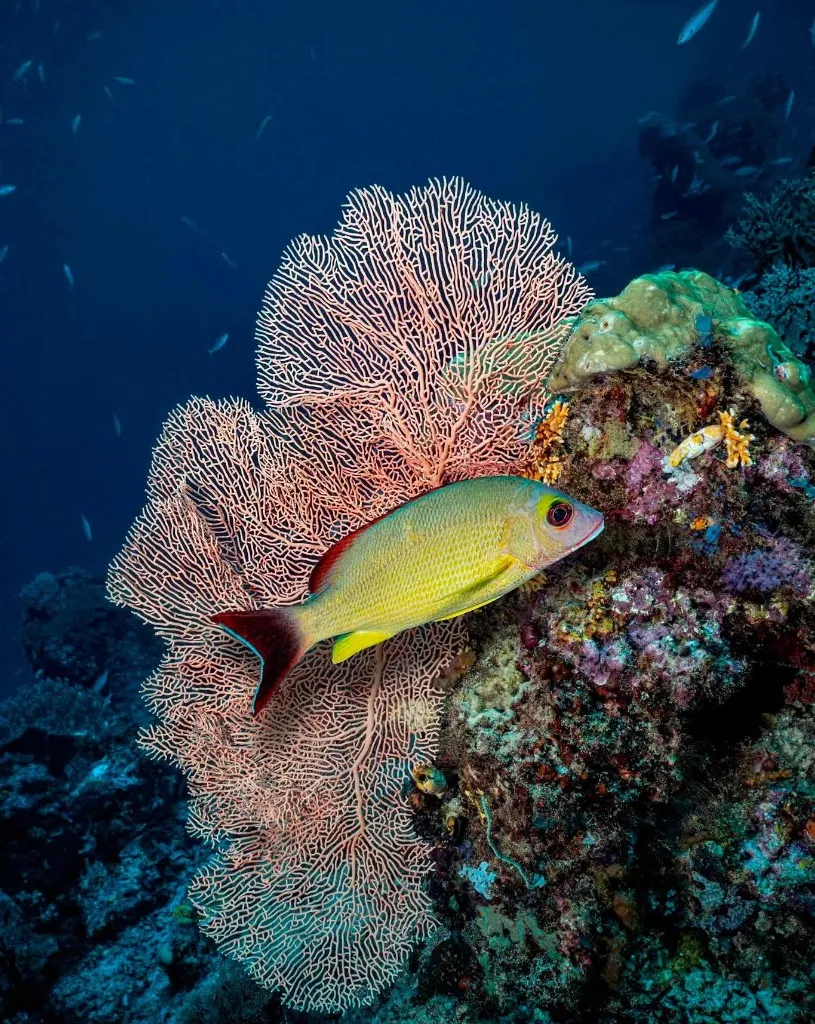
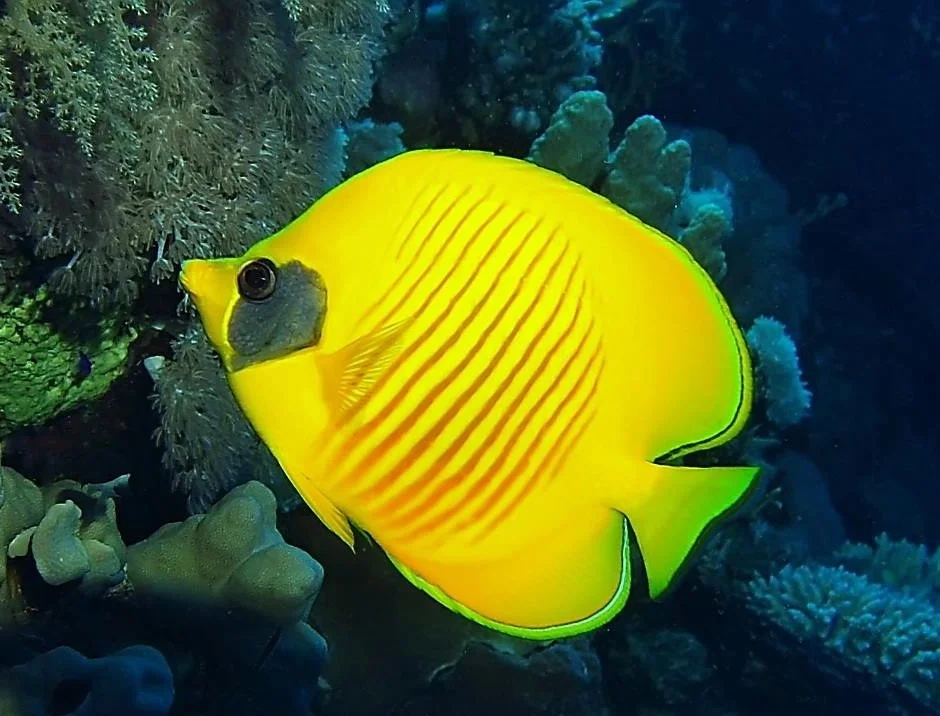
The diverse artificial reef structures around M-13 have successfully created thriving habitats, attracting an impressive array of marine life. Observations at similar sites frequently include large schools of snapper, with vibrant butterflyfish and triggerfish often seen picking through the structure.
Goliath groupers occasionally hover unperturbed near these wrecks, offering unique photographic opportunities. Giant barnacles, algae, and urchins rapidly colonize the new surfaces, forming the base of a complex food web.
These underwater landscapes, repurposed from various man-made objects, quickly become vibrant communities for a multitude of species, transforming a sandy bottom into a dynamic ecosystem.

Dive Sites Near M-13 Site
View all dive sites in United StatesDiscover more underwater gems in this area.
Dive Centers Near M-13 Site
Today: 09:00 - 18:00
Nearest Airports
Nearest airports to help plan travel to this dive area.
Search Flights
Check available flights and routes on Expedia, using the nearby airports listed in this section.
Search Flights on Expedia
Plan Your Stay
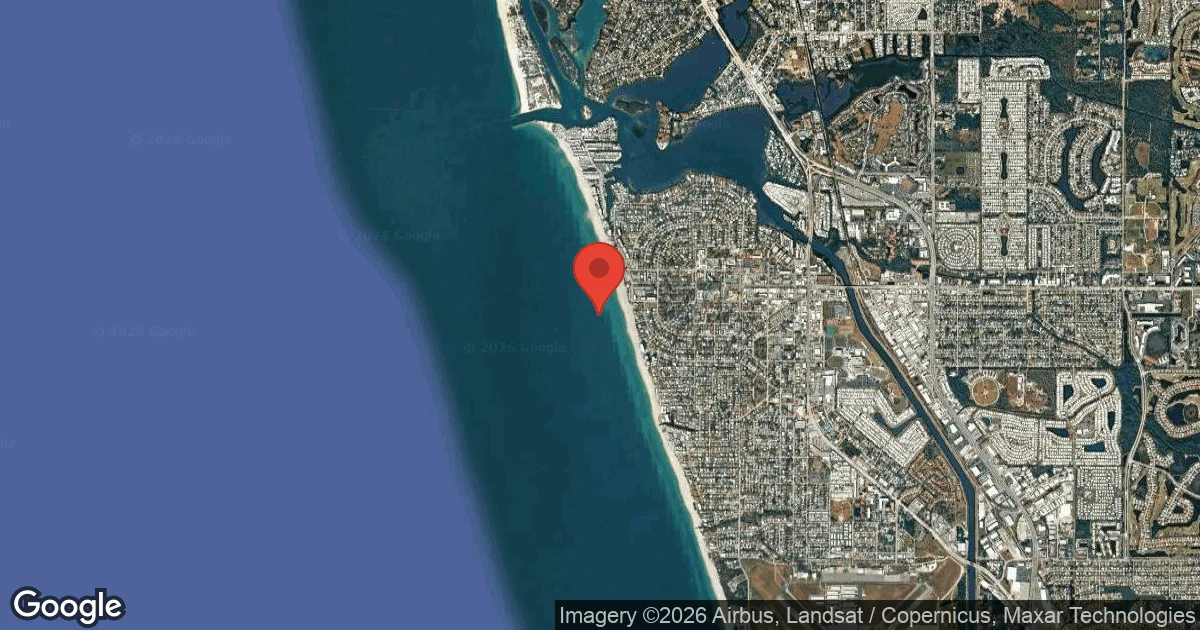
Looking for a place to stay for your dive trip? Explore hotels, stays, and vacation rentals for dive groups near Manasota Key.
Dive Navigator may earn a commission from these links at no extra cost to you.
Frequently Asked Questions
What kind of dive experience is needed for M-13?
While specific requirements for M-13 are not detailed, many artificial reefs in the Florida Panhandle cater to advanced recreational divers due to potential depths and variable conditions. Experience with wreck diving or deeper profiles is beneficial.
What are the typical water temperatures at M-13?
Water temperatures can vary significantly. Reports from the region indicate temperatures ranging from 25°C (78°F) at the surface to 20°C (68°F) at depth, with cooler temperatures possible in winter and warmer conditions in summer months.
Is spearfishing allowed at M-13?
Spearfishing is a common activity in the Florida Panhandle, and some dive charters accommodate both recreational divers and spearfishers. Divers should always be aware of their surroundings if sharing a boat or dive site with spearfishers.
What kind of marine life can I expect to see?
Artificial reefs like M-13 typically attract a variety of reef fish, including snapper, butterflyfish, and triggerfish. Goliath groupers are also observed, along with various crustaceans and abundant marine growth on the structures.
How does visibility change at this site?
Visibility can be quite variable, influenced by Gulf conditions, currents, and seasonal factors. While surface waters can be clear, divers may encounter murkier, pea-green visibility at depth or during certain times of the year.
What if weather conditions prevent diving?
Having a backup plan is always wise. In Destin and Fort Walton Beach, alternative activities include visiting local springs, exploring maritime history museums, or enjoying the diverse culinary scene.
Planning to dive M-13 Site?
Send one inquiry and receive offers directly from the best verified local dive operators.
Conditions are Good
07:00 - 14:00
Optimal conditions expected
Current conditions near M-13 Site show 26° air, 31° sea temperature, 0.2 m waves, and 26 km/h wind. Forecast data is refreshed regularly to ensure accuracy.