
Diving at Malchace (United States)
The Malchace, a freighter lost to a German U-boat in 1942, rests as a profound casualty of World War II's Battle of the Atlantic. Its true identity, once confused with another sunken vessel, was ultimately confirmed through meticulous wreck diving efforts. Lying at a substantial depth of 63 m (205 ft), this site offers a challenging yet significant historical dive off the North Carolina coast.
As evening covers Malchace, the local air temperature is measured at 26°C. The current wave height at the surface is recorded at 1.1 m. These late-day readings characterize the surface conditions for the night.
Dive Site Location & Key Facts
Dive Site Overview
Diving the Malchace offers a compelling historical encounter, situated in the powerful currents of the Gulf Stream southeast of Ocracoke, North Carolina. This 333.8-foot freighter, carrying 3,628 tons of soda ash, was torpedoed on April 9, 1942, and settled on its extreme port side, nearly upside down.
For many years, an inshore wreck, the Manuela, was incorrectly identified as the Malchace, a confusion resolved only after the Manuela's bell was recovered. The hull of the actual Malchace remains largely intact, with its massive boilers clearly visible, providing key reference points for divers. Its stern section presents the highest relief, allowing a focused exploration of the vessel's structure.
Explorers seeking deep wreck experiences will find this site's rich wartime history and structural integrity particularly engaging, contrasting with shallower, more broken-up sites in the region.
Conditions are Good
Optimal conditions expected
Current conditions near Malchace show 26° air, 28° sea temperature, 0.8 m waves, and 21 km/h wind. Forecast data is refreshed regularly to ensure accuracy.
Best Time to Dive
Considering dive conditions, July presents the most favorable window for accessing the Malchace, rated 'Moderate' with an average dive score of 5. During this month, average wave heights are at their lowest around 1.4 m (4.6 ft), accompanied by reduced wind speeds averaging 32.33 km/h (20.09 mph). June also offers 'Moderate' conditions, with slightly higher waves and winds. Throughout the year, average air temperatures range from 13°C (55°F) in January to 27.5°C (82°F) in July, but specific water temperature data for the site is not consistently reported. Rainfall averages are generally consistent, fluctuating between 3.42 mm (0.13 in) in February and 7.28 mm (0.29 in) in September, typically not a primary deterrent for this deep wreck dive.
PEAK SEASON SCORE
Scores combine air & water temps, waves, wind & rainfall for overall conditions.
BEST MONTHS TO DIVE
Monthly records compiled from satellite and marine observation nodes over the last 3 years. Data provided by Open-Meteo and MET Norway.
Dive Experience & Conditions
Beginning the descent to the Malchace, divers quickly enter the realm of advanced technical diving. Reaching the wreck involves navigating strong currents prevalent in the Gulf Stream, which can affect both the descent and bottom time. The freighter rests on its extreme port side at a maximum depth of 63 m (205 ft), almost completely inverted. Its impressive hull, built in 1920, remains largely coherent despite wartime damage. Boilers are a prominent feature, often providing a shadowy glimpse into the vessel's mechanical heart. The stern section stands as the highest point of relief, guiding exploration along the wreck's length. Visibility varies depending on conditions and currents, but deep-water clarity in the Gulf Stream can offer expansive views of the sunken freighter.
Dive Difficulty & Safety Guidelines
Diving the Malchace demands meticulous planning and advanced training due to its considerable depth and exposure to powerful ocean currents. Expert divers should consider the unpredictable conditions often associated with the collision zone of the Gulf Stream and Labrador currents off Cape Hatteras. Proper technical diving certifications are essential, alongside suitable gas mixtures for extended bottom times and decompression obligations.
Always ensure robust dive planning, including emergency procedures, and carry redundant equipment. This is not a site for the average recreational diver; experience in deep, challenging wreck environments is paramount for a safe exploration of this significant wartime artifact.
Recommended Equipment
- Dive Computer
This gear list is based on verified equipment signals for Malchace, United States. Always confirm final gear choices with your dive operator, guide, or liveaboard.
Recommended Dive Suit
Comfort levels can also depend on how active a diver is during the dive.
Divers exploring Malchace today will likely encounter water temperatures close to 28°C (83°F). Surface air temperatures are resting at 26°C (79°F). When water temperatures fall within this range, many divers dive comfortably with 2-3mm shorty or light wetsuit. A hood or vest is suggested for sensitive divers due to surface winds.
Conditions are expected to stay fairly consistent in the days ahead.
Due to technical issues with our weather providers, live updates are temporarily delayed. The data above reflects the conditions at the time of the last successful fetch.
Emergency & Medical Support
Essential information to help you plan your dive trip to Malchace.

Hyperbaric chambers are a critical part of dive safety infrastructure. Availability varies significantly by region, and not all dive areas have immediate access.
Before diving, it's recommended to:
- confirm nearest medical facilities
- check emergency procedures with local dive operators
- ensure dive insurance covers evacuation if required
Divers Alert Network
Diving emergency assistance available through DAN World.
+1-919-684-9111- 24/7 emergency hotline
- Diving medical assistance
- Evacuation coordination
Emergency contacts are provided for reference. Always verify local emergency services before diving.
Marine Life at Malchace
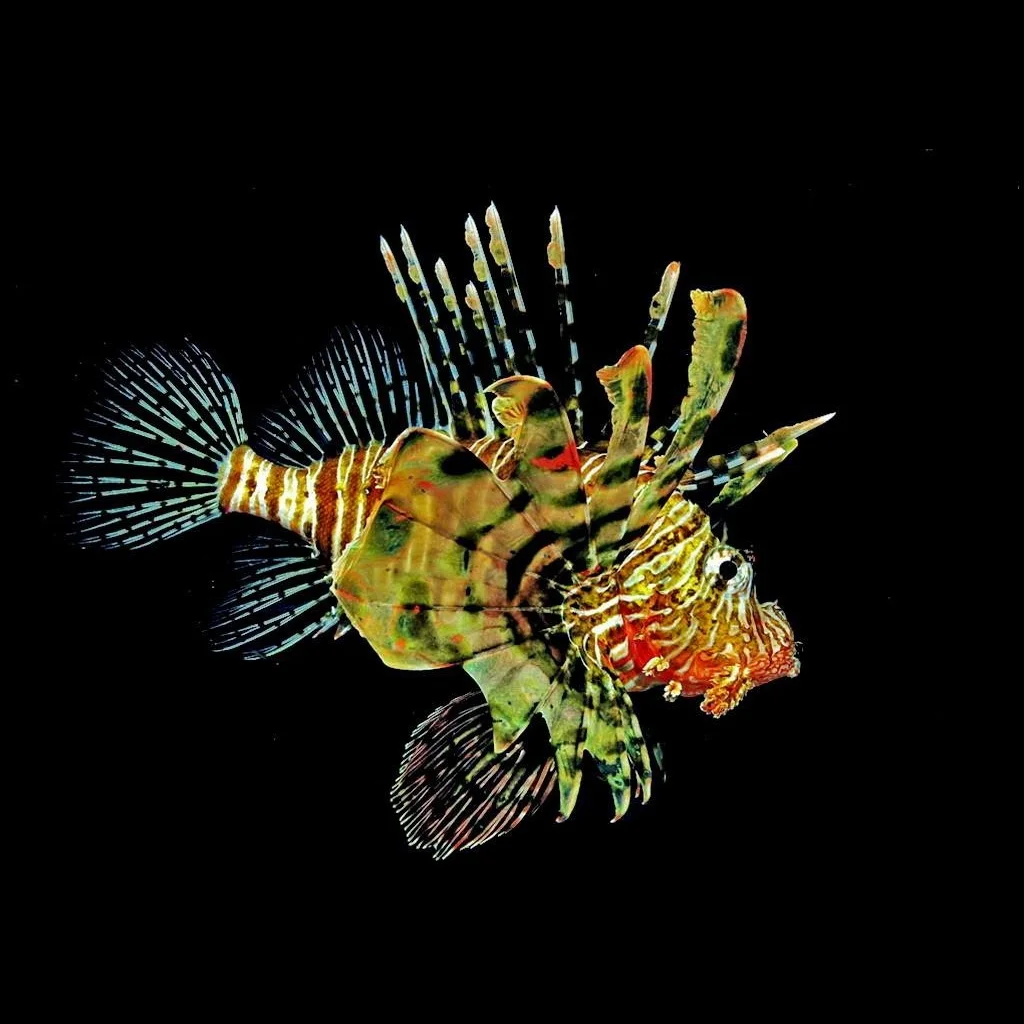
While specific, direct marine life reports for the Malchace are limited, the site's deep-water environment often attracts a range of oceanic species. In recent years, lionfish have been observed on wrecks in the general area, indicating their presence could extend to this deeper site.
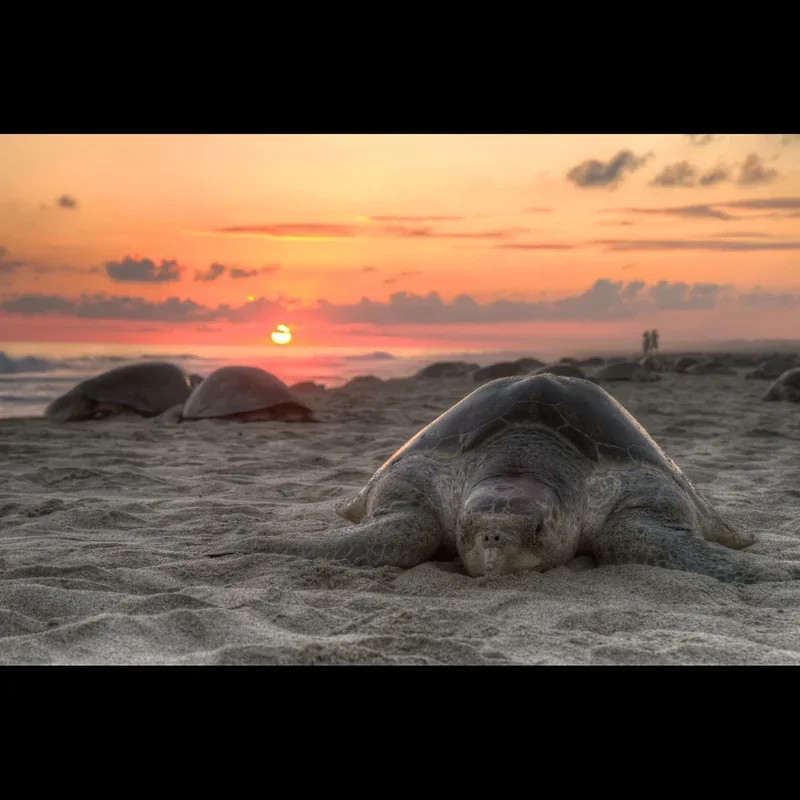
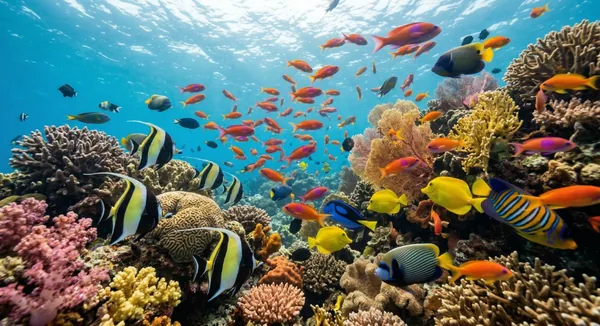
Similar nearby wrecks can host diverse invertebrates, alongside various fish life, including tropicals, benefiting from the structure the sunken freighter provides. Occasionally, a sea turtle might glide gracefully through the deeper waters, and schools of sand tiger sharks have been known to visit other deep wrecks along the North Carolina coast.
Dive Centers Near Malchace
Nearest Airports
Nearest airports to help plan travel to this dive area.
Search Flights
Check available flights and routes on Expedia, using the nearby airports listed in this section.
Search Flights on ExpediaFrequently Asked Questions
What kind of vessel was the Malchace and when was it lost?
The Malchace was a 333.8-foot freighter, constructed in 1920. It was sunk on April 9, 1942, a casualty of World War II when it was torpedoed by a German U-boat.
How deep is the Malchace wreck?
This deep-water wreck lies at an approximate depth of 63 m (205 ft). Its position in the Gulf Stream makes it an advanced technical dive.
What is the orientation of the Malchace wreck?
The Malchace rests on its extreme port side, almost completely upside down. Its hull is largely intact, with boilers and stern providing prominent features for divers to explore.
Why was the Malchace's identity a point of confusion?
For many years, another freighter, the Manuela, was incorrectly identified as the Malchace due to charting errors after both were sunk by U-boats. The true identity of the Malchace, and the Manuela, was confirmed through the recovery of the Manuela's bell.
What marine life might divers encounter at Malchace?
While direct reports for Malchace are sparse, divers in this region may observe invertebrates and fish life, including tropicals, thriving on wreck structures. Lionfish have been reported on other nearby wrecks, and sea turtles or sand tiger sharks sometimes pass through the area's deeper waters.
What are the typical diving conditions at this site?
Diving conditions at Malchace are characterized by significant depth and exposure to strong, unpredictable currents from the Gulf Stream. Visibility can vary, and optimal dive scores are observed in months like June and July, when wave heights and wind speeds are generally lower.
Is the Malchace suitable for all divers?
No, the Malchace is a deep wreck site in an active current zone, making it suitable only for experienced technical divers with advanced certifications. Its depth and conditions place it beyond the reach of average recreational divers.
Planning to dive Malchace?
Send one inquiry and receive offers directly from the best verified local dive operators.
Conditions are Good
Optimal conditions expected
Current conditions near Malchace show 26° air, 28° sea temperature, 0.8 m waves, and 21 km/h wind. Forecast data is refreshed regularly to ensure accuracy.