
Diving at Malden (United States)
Underneath the often-turbulent surface around Malden, Massachusetts, a distinct cold-water diving landscape awaits. Divers frequently encounter brisk conditions, where the air temperature can swing from chilly winter averages of 1°C (34°F) to more comfortable summer highs around 21.5°C (71°F). It's a setting that demands preparedness and offers a rugged, authentic New England dive experience.
As evening covers Malden, the local air temperature is measured at 20°C. The current wave height at the surface is recorded at 0.5 m. These late-day readings characterize the surface conditions for the night.
Dive Site Location & Key Facts
Dive Site Overview
Diving around Malden presents a distinct cold-water challenge, differing significantly from warmer tropical destinations. This region emphasizes robust equipment and seasoned dive planning rather than expansive coral reefs or abundant pelagic encounters.
Exploring the waters here involves appreciating the resilience of temperate marine ecosystems and navigating dynamic coastal conditions, often characterized by strong currents and variable visibility. While specific dive site data isn't consistently reported for Malden itself, the general experience is shaped by prevailing North Atlantic weather patterns and the characteristics of this coastline, which frequently features rocky outcroppings and sandy bottoms. Divers typically explore local shore entries or embark on boat trips to discover submerged structures like jetties, natural rock formations, and the occasional wreck within recreational depth ranges.
These sites, potentially reaching depths of 30 m (100 ft) or more in deeper sections, demand careful planning. Water temperatures, while not consistently reported for Malden, are known to be cold, necessitating specialized thermal protection. Visibility often varies depending on recent weather events and currents.
Conditions are Good
Optimal conditions expected
Current conditions near Malden show 20° air, 21° sea temperature, 0.7 m waves, and 32 km/h wind. Forecast data is refreshed regularly to ensure accuracy.
Best Time to Dive
Optimal diving conditions generally emerge from late spring through early autumn, particularly May through August. During these months, air temperatures are considerably milder, ranging from 12°C (54°F) in May to a peak of 21.5°C (71°F) in July, making surface intervals more comfortable. Wave heights also tend to be lower, averaging between 0.8 to 1.0 meters (2.6-3.3 feet), and wind speeds decrease, presenting fewer challenges for boat operations and entries. August typically sees the best overall dive score, though July and June also offer good opportunities. Rainfall averages vary but generally remain manageable across these months. The cooler periods, from September through April, see significantly colder air temperatures, higher winds, and larger waves, often limiting dive accessibility.
PEAK SEASON SCORE
Scores combine air & water temps, waves, wind & rainfall for overall conditions.
BEST MONTHS TO DIVE
Monthly records compiled from satellite and marine observation nodes over the last 3 years. Data provided by Open-Meteo and MET Norway.
Dive Experience & Conditions
Approaching a dive in Malden's waters requires an understanding of prevalent North Atlantic conditions. Water temperatures are not consistently reported but are expected to be cold year-round, necessitating appropriate thermal protection. Visibility often varies depending on recent weather events and currents, ranging from moderate to limited, which adds to the challenge. Entry points can range from shore-based access to boat dives, with local knowledge being crucial for safe navigation. Navigating the currents and swell, particularly in more exposed areas, is a common aspect of the dive experience here. The seabed in many areas is likely composed of sandy bottoms or rocky outcroppings.
Dive Difficulty & Safety Guidelines
Diving in the Malden area demands a high level of diver skill and preparedness due to the challenging cold-water environment. Divers should be comfortable with variable visibility, potentially strong currents, and cooler water temperatures. Prior experience with dry suit diving is strongly recommended.
Planning should always account for prevailing weather, including wave height and wind speed, which can impact safety and accessibility. A conservative dive plan, including sufficient surface support and redundant equipment, is essential.
Always dive within your training and comfort limits, and consider diving with experienced local guides who understand the specific conditions of this coastal region.
Recommended Equipment
- Dive Computer
This gear list is based on verified equipment signals for Malden, United States. Always confirm final gear choices with your dive operator, guide, or liveaboard.
Recommended Dive Suit
3-5mm wetsuit is widely used for recreational dives in waters of this temperature. Consider warmer surface protection (like a boat coat) due to brisk winds. Surface intervals may feel cooler. Those diving at Malden today will likely encounter water temperatures in the region of 21°C (70°F). Surface air temperatures are resting at 20°C (68°F).
Forecast models show minimal temperature variation in the coming days.
Water temperatures can occasionally shift throughout the day depending on currents and depth layers.
Due to technical issues with our weather providers, data hasn't been fetched for over 48 hours. The data above reflects the conditions at the time of the last successful fetch.
Emergency & Medical Support
Essential information to help you plan your dive trip to Malden.

Hyperbaric chambers are a critical part of dive safety infrastructure. Availability varies significantly by region, and not all dive areas have immediate access.
Before diving, it's recommended to:
- confirm nearest medical facilities
- check emergency procedures with local dive operators
- ensure dive insurance covers evacuation if required
Divers Alert Network
Diving emergency assistance available through DAN World.
+1-919-684-9111- 24/7 emergency hotline
- Diving medical assistance
- Evacuation coordination
Emergency contacts are provided for reference. Always verify local emergency services before diving.
Marine Life at Malden
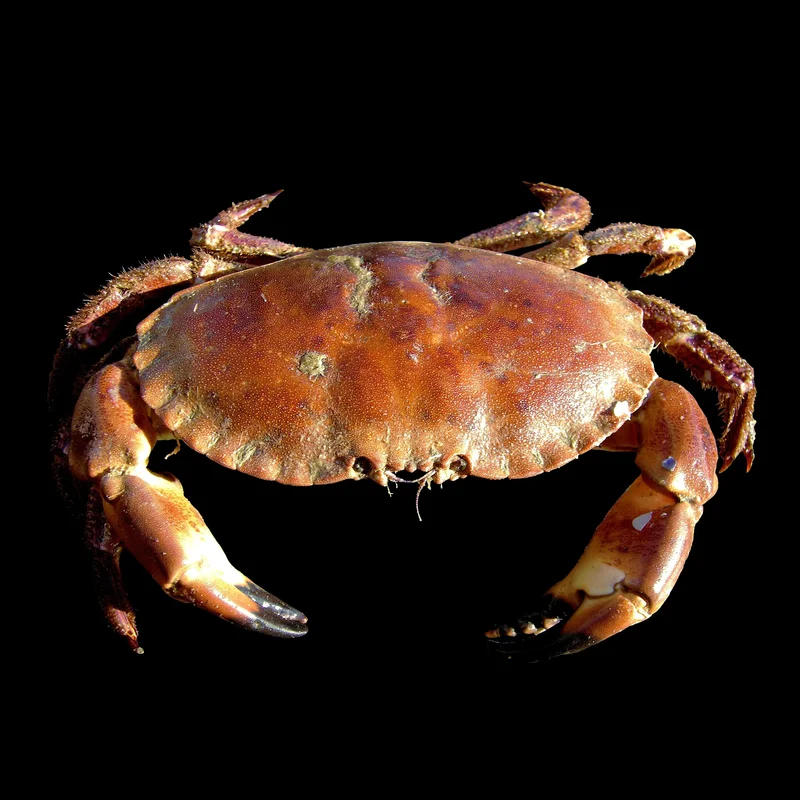
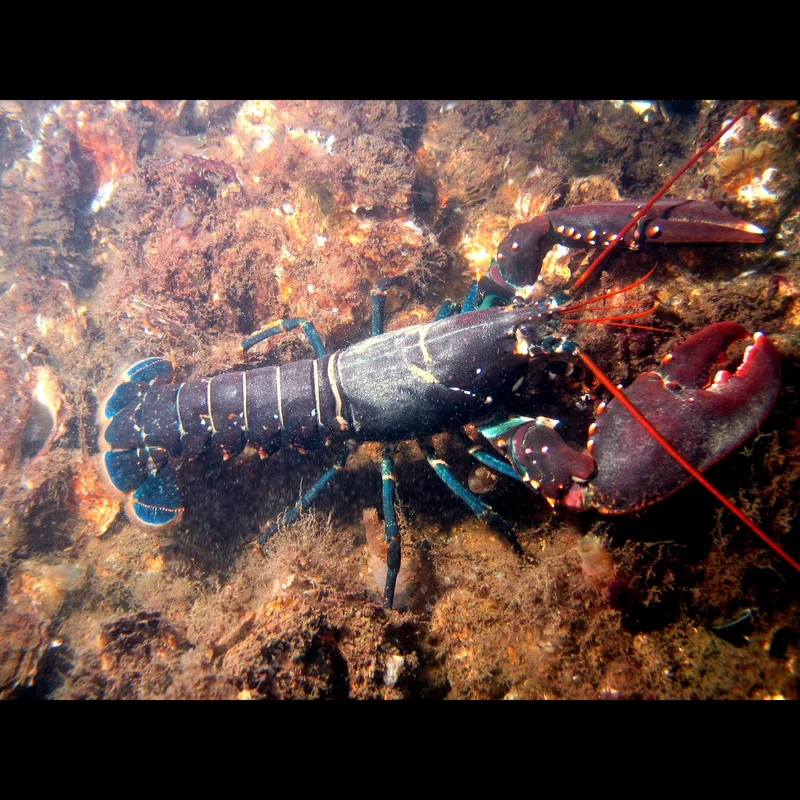
While specific marine life sightings for Malden are limited, typical New England coastal waters often reveal a variety of hardy species. Divers may encounter species adapted to temperate conditions, such as various crabs and lobsters dwelling among rocky crevices.
Schools of baitfish might be present, attracting larger predatory fish depending on the season and specific site. The absence of specific reports means divers should approach with an appreciation for local biodiversity, which tends to be more subtle than tropical counterparts.
Dive Centers Near Malden
Today: 10:00 - 18:00



Nearest Airports
Nearest airports to help plan travel to this dive area.
Search Flights
Check available flights and routes on Expedia, using the nearby airports listed in this section.
Search Flights on Expedia
Plan Your Stay
Looking for a place to stay for your dive trip? Explore hotels, stays, and vacation rentals for dive groups near Montauk.
Dive Navigator may earn a commission from these links at no extra cost to you.
Frequently Asked Questions
What thermal protection is needed for diving near Malden?
Considering the consistently cold water and air temperatures, specialized thermal protection is paramount for diving in the Malden area. Dry suits are strongly recommended to maintain comfort and safety in these North Atlantic conditions. A full hood, gloves, and thick undergarments are also essential.
What is the typical visibility like?
Visibility often varies significantly depending on recent weather events, tidal cycles, and local currents. Divers can expect conditions ranging from moderate to limited, adding a challenging element to many dives. Planning dives on incoming tides might improve clarity in some areas.
When is the best time of year to dive?
Optimal diving conditions generally emerge from late spring through early autumn, specifically May through August. During these months, milder air temperatures and calmer surface conditions enhance the overall dive experience. August typically offers the best overall dive score.
What kind of dive sites can I expect?
Exploring the Malden area typically involves discovering submerged rock formations, jetties, and occasionally historic wrecks. Access points can range from shore-based entries to boat dives, often requiring local expertise. Expect diverse bottom compositions, including sandy bottoms and rocky outcroppings.
Is previous cold-water diving experience required?
Diving in this environment demands a high level of diver skill and preparedness, particularly comfort with cold water, variable visibility, and potential currents. Prior experience with dry suit diving is strongly recommended. It's a challenging environment that rewards experienced divers.
What marine life might I see?
While specific reports for Malden are limited, typical New England coastal waters often reveal a variety of hardy species. Divers may encounter crabs, lobsters, and various baitfish dwelling among rocky crevices. The local biodiversity, though subtle, provides an interesting temperate ecosystem to observe.
Planning to dive Malden?
Send one inquiry and receive offers directly from the best verified local dive operators.
Conditions are Good
Optimal conditions expected
Current conditions near Malden show 20° air, 21° sea temperature, 0.7 m waves, and 32 km/h wind. Forecast data is refreshed regularly to ensure accuracy.