
Diving at Marco Island 2015 - 1B (United States)
Dive sites around Marco Island present a varied underwater landscape for exploration, where conditions can influence visibility. Divers often encounter ocean and sandy bottom environments, which comprise all of the seven documented sites. Some of these locations, specifically two, also reveal thriving reef structures. This combination ensures a diverse array of potential underwater encounters, though specific visibility can fluctuate with local currents and weather.
Starting the day at Marco Island 2015 - 1B, the ambient air temperature is recorded at 26.5°C. Ongoing monitoring shows wave heights measuring 0.2 m. This data represents the current surface conditions for early activities.
Dive Site Location & Key Facts
Dive Site Overview
Marco Island's underwater landscape presents an accessible yet varied diving experience, distinguishing itself through a blend of coastal and structured environments. The region features seven distinct dive sites, offering extensive ocean and sandy bottom exploration opportunities.
Among these, two locations boast developing reef systems, which introduce additional habitat for marine life and structural interest for divers. While specific depth values are not consistently reported for each site, dives here generally fall within recreational limits, typically extending from shallower coastal areas to moderately deeper sections. Water temperatures, though not consistently reported, generally follow the Gulf Coast patterns, indicating warmer conditions for much of the year, although cooler months might warrant thicker wetsuits or dry suits.
Air temperatures vary considerably throughout the year, ranging from 18.5°C (65°F) in January to 29°C (84°F) in August. This range impacts surface comfort and overall dive day planning.
Additionally, calm conditions enhance visibility across these sites, making spring and early summer often preferable for exploration.
Conditions are Good
Optimal conditions expected
Current conditions near Marco Island 2015 - 1B show 27° air, 31° sea temperature, 0.3 m waves, and 23 km/h wind. Forecast data is refreshed regularly to ensure accuracy.
Best Time to Dive
May typically presents the most favorable conditions for diving around Marco Island, earning an 'Excellent' dive score of 9. During this month, divers can expect average air temperatures of 27°C (81°F), with rainfall remaining minimal at 1.23 mm (0.05 inches). Wave heights also tend to be lower, averaging 0.5 m (1.6 ft), contributing to calmer seas and potentially better visibility. In contrast, while months like January through April, and November through December, still offer 'Good' diving with scores of 8, they exhibit cooler air temperatures, ranging from 18.5-24°C (65-75°F). Furthermore, wind speeds during these cooler periods are often higher, sometimes exceeding 27 km/h (16.8 mph), which can lead to choppier surface conditions. From June to October, dive scores generally decrease to 7, primarily due to increased average rainfall, such as 7.85 mm (0.31 inches) in June and 6.58 mm (0.26 inches) in August, and greater chances of tropical weather impacting sea state.
PEAK SEASON SCORE
Scores combine air & water temps, waves, wind & rainfall for overall conditions.
BEST MONTHS TO DIVE
Monthly records compiled from satellite and marine observation nodes over the last 3 years. Data provided by Open-Meteo and MET Norway.
Dive Experience & Conditions
Descending into Marco Island's dive sites, divers will primarily encounter extensive sandy bottoms, characteristic of its coastal environment. Among the seven documented sites, two also incorporate distinct reef structures, which provide relief from the sand and serve as focal points for marine activity. Visibility in these waters is not consistently reported but generally responds to localized weather and tidal flow, often being clearer on calm days away from heavy runoff. Currents can be present, so divers should check local reports before entering the water. Maximum depths across these sites typically remain within recreational limits. For comfort underwater, prepare for variable water temperatures which are not consistently reported in our system; local guides can offer current insights, but a 3mm to 5mm wetsuit is a common choice for year-round conditions. Surface conditions can fluctuate, with average wave heights ranging from 0.4 m (1.3 ft) in July to 0.9 m (3.0 ft) in January.
Dive Difficulty & Safety Guidelines
Diving around Marco Island involves standard considerations for open water environments, framing safety as a primary challenge for divers. Given that all identified sites are ocean dives, an awareness of potential boat traffic and variable currents is crucial. Divers must maintain excellent buoyancy control, particularly over sandy bottom areas, to prevent disturbing the sediment and impacting visibility for themselves and others.
Always dive with a buddy, ensuring both individuals are proficient in standard buddy procedures and emergency responses. Carrying a surface marker buoy (SMB) is highly recommended for signaling to surface vessels, especially in areas with boat activity.
Though no specific site hazards are reported, monitoring local weather forecasts for wind and wave conditions is advisable before any dive, as these can significantly affect surface conditions and dive comfort. Proper planning and communication are key to a safe dive.
Recommended Equipment
- Dive Computer
This gear list is based on verified equipment signals for Marco Island 2015 - 1B, United States. Always confirm final gear choices with your dive operator, guide, or liveaboard.
Recommended Dive Suit
Dive skin or rash guard is widely used for recreational dives in waters of this temperature. A hood or vest is suggested for sensitive divers due to surface winds. Water conditions at Marco Island 2015 - 1B are currently measured at approximately 31°C (87°F). Surface air temperatures are resting at 27°C (80°F).
Short-term weather patterns suggest stable conditions for divers visiting the area.
Water temperatures can occasionally shift throughout the day depending on currents and depth layers.
Emergency & Medical Support
Essential information to help you plan your dive trip to Marco Island 2015 - 1B.

Hyperbaric chambers are a critical part of dive safety infrastructure. Availability varies significantly by region, and not all dive areas have immediate access.
Before diving, it's recommended to:
- confirm nearest medical facilities
- check emergency procedures with local dive operators
- ensure dive insurance covers evacuation if required
Divers Alert Network
Diving emergency assistance available through DAN World.
+1-919-684-9111- 24/7 emergency hotline
- Diving medical assistance
- Evacuation coordination
Emergency contacts are provided for reference. Always verify local emergency services before diving.
Marine Life at Marco Island 2015 - 1B
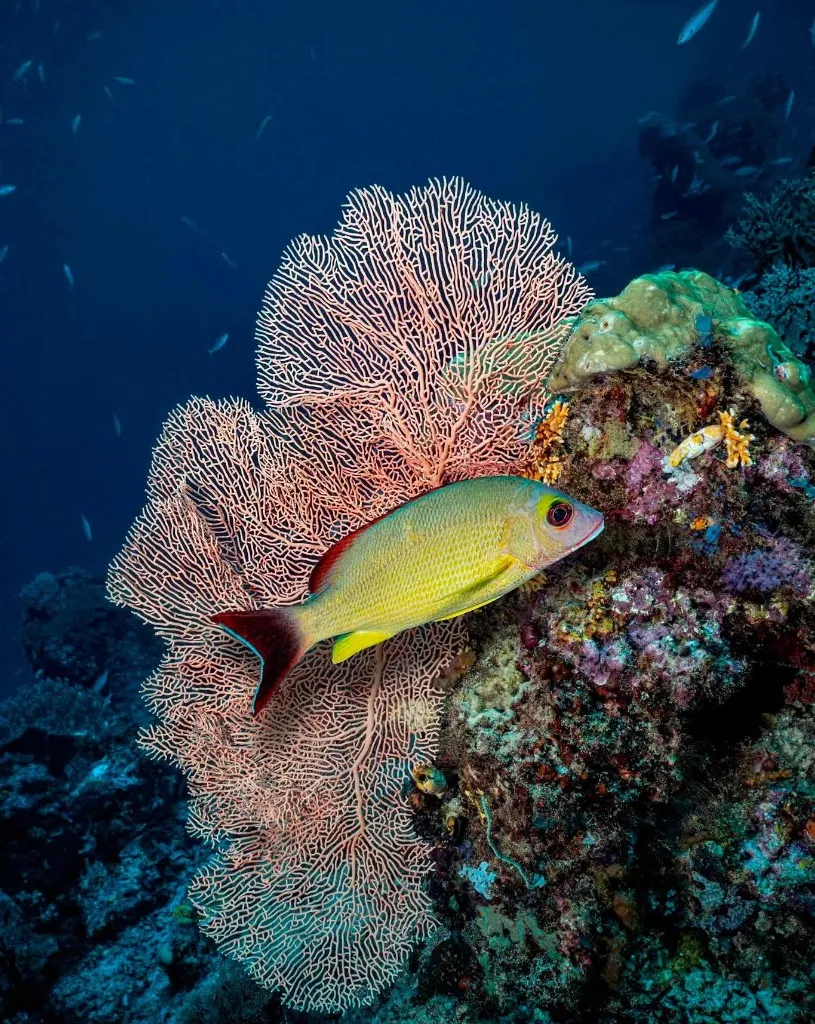
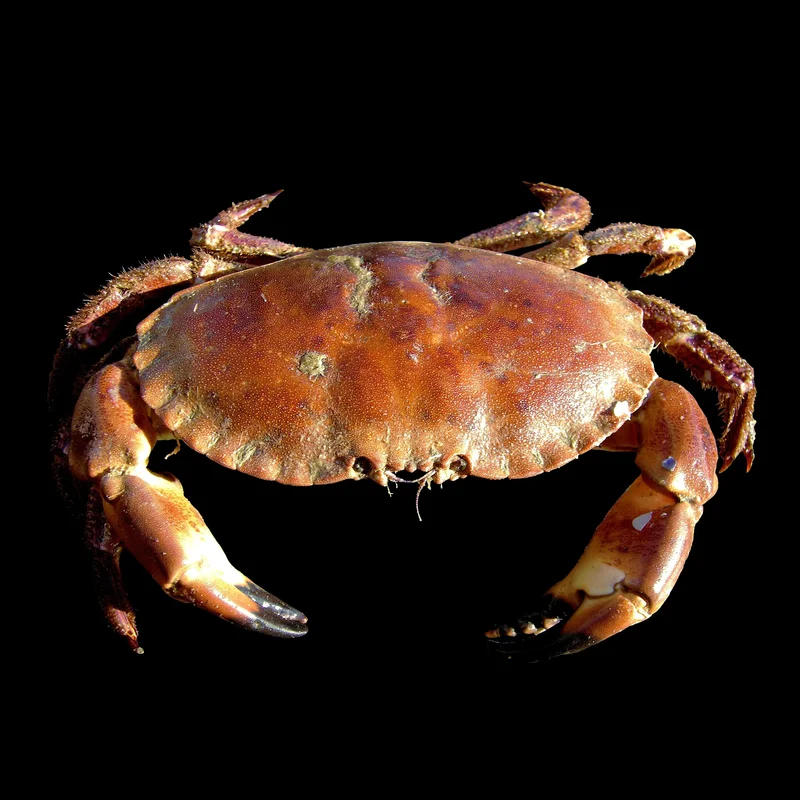
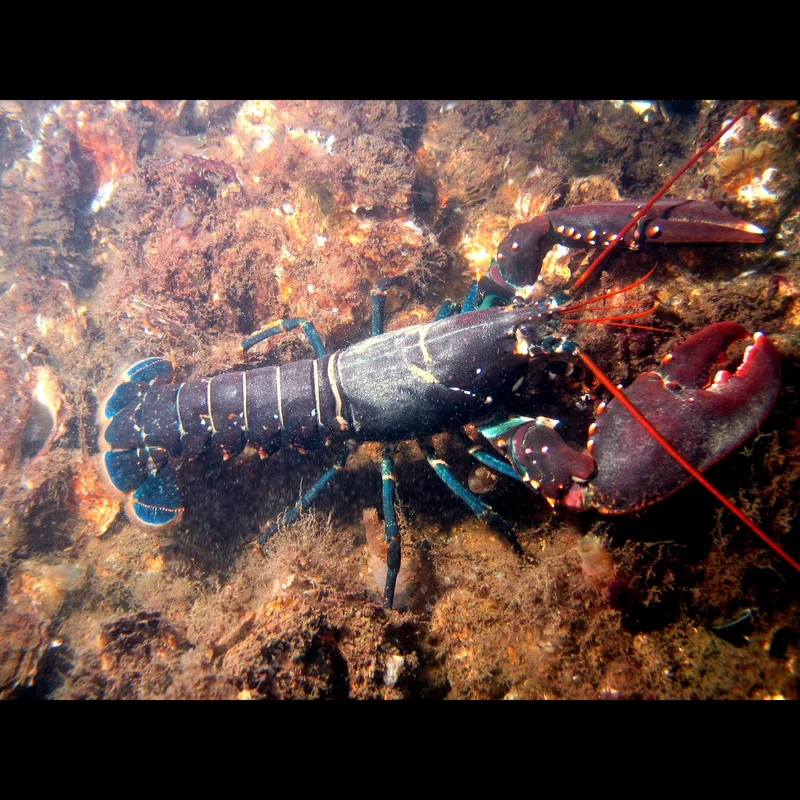
Exploring the underwater landscape around Marco Island reveals habitats supporting a variety of marine life, particularly where sandy bottoms transition to reef structures. Divers venturing to the two identified reef sites can anticipate encounters with smaller reef fish, such as grunts and snapper, alongside various crustaceans like crabs and lobsters hiding in crevices.
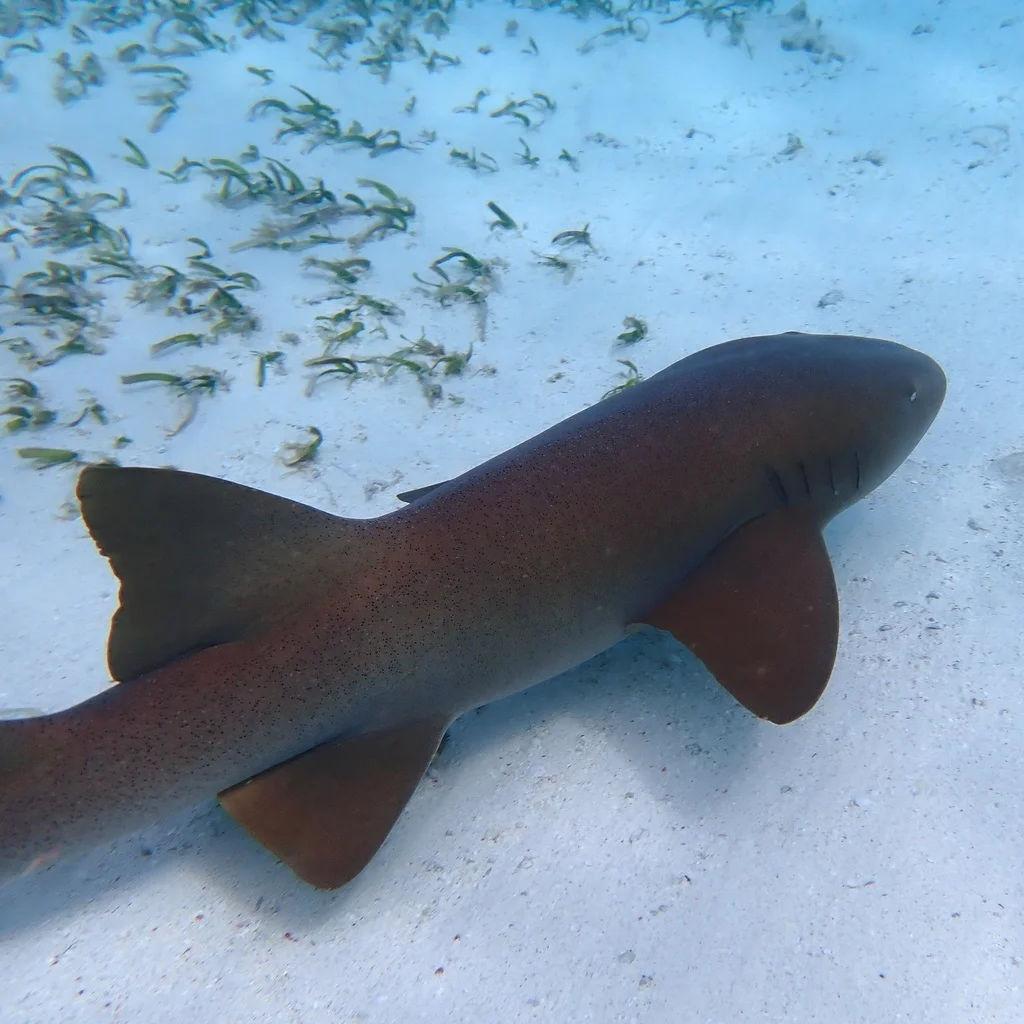
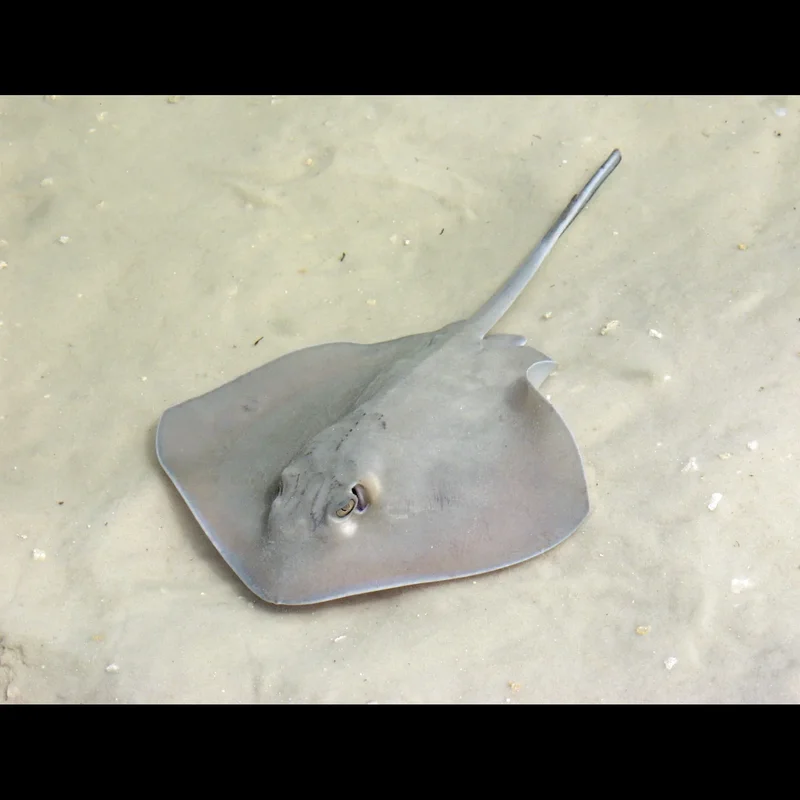
On the expansive sandy bottoms, look for stingrays partially buried in the sand and flatfish camouflaged against the seabed. Occasional sightings might include nurse sharks resting near reef ledges or schools of baitfish moving through the water column, which can attract larger, transient pelagic species. The diversity between the sand and reef zones creates interesting areas for exploration.
Dive Sites Near Marco Island 2015 - 1B
View all dive sites in United StatesDiscover more underwater gems in this area.
Dive Centers Near Marco Island 2015 - 1B

Today: 10:00 - 16:00
Nearest Airports
Nearest airports to help plan travel to this dive area.
Search Flights
Check available flights and routes on Expedia, using the nearby airports listed in this section.
Search Flights on ExpediaFrequently Asked Questions
What types of dive sites are found around Marco Island?
Marco Island features seven documented dive sites, primarily characterized by ocean and sandy bottom environments. Two of these sites also include distinct reef structures, offering varied underwater exploration opportunities.
What are the typical depths for diving near Marco Island?
Depths for diving around Marco Island generally fall within recreational limits. While specific site depths aren't consistently reported, dives typically range from shallower coastal areas to moderately deeper sections.
When is the best time of year to dive at Marco Island?
May is considered an excellent month, with an average air temperature of 27°C (81°F) and low rainfall. Other good months include January through April, and November through December, although air temperatures are cooler during these periods.
What are the general water conditions like?
Water temperatures are not consistently reported, but generally follow Gulf Coast patterns. Visibility varies depending on local weather, currents, and sediment movement, often improving during calm periods.
Is Marco Island suitable for new divers?
The range of sites, including shallower sandy bottom dives, can accommodate newer certified divers. However, all divers should be comfortable with ocean conditions and potential currents, and always dive within their certification limits.
What marine life can divers expect to see?
Divers exploring the sandy bottom and reef areas may encounter a variety of Gulf Coast species. This includes smaller reef fish, crustaceans, stingrays, and potentially nurse sharks or transient pelagic species, particularly around reef formations.
What safety precautions should divers take?
Standard ocean diving safety protocols apply, including diving with a buddy, maintaining good buoyancy, and carrying a surface marker buoy. Monitoring local weather and current conditions is also essential for safe diving.
Planning to dive Marco Island 2015 - 1B?
Send one inquiry and receive offers directly from the best verified local dive operators.
Conditions are Good
Optimal conditions expected
Current conditions near Marco Island 2015 - 1B show 27° air, 31° sea temperature, 0.3 m waves, and 23 km/h wind. Forecast data is refreshed regularly to ensure accuracy.