
Diving at MB 13 (United States)
The dive sites around MB 13 in the United States present a compelling contrast, catering to both advanced recreational and technical divers exploring the deeper wreck and artificial reef structures. While shallower shore access points offer an introduction to Gulf marine life, the offshore sites challenge divers with significant depths and complex environments. It's a region where diverse underwater topography unfolds.
Starting the day at MB 13, the ambient air temperature is recorded at 28°C. Ongoing monitoring shows wave heights measuring 0.3 m. This data represents the current surface conditions for early activities.
Dive Site Location & Key Facts
Dive Site Overview
This dive region features a variety of compelling artificial reefs and shipwrecks, each offering distinct characteristics and depth profiles. Shore dives near locations like Portofino, Casino Beach, Perdido Key, Navarre, and Fort Pickens Park West reveal pilings at depths varying with the tide, generally between 4.5-9 m (15-30 ft).
Offshore, the Antares, a 387 ft steel-hulled freighter, rests between 39.5-42.5 m (130-140 ft), though its stern can be found at 27.5 m (90 ft) and the stack at 21.5 m (70 ft). The Avocet, a 247 ft dredge intentionally sunk, now lies split into two sections at 30.5-36.5 m (100-120 ft), with its upper structure accessible at 21.5 m (70 ft).
Further out, the Chevron Rig consists of two large platform jackets at 41 m (134 ft), with its upper sections at 15 m (50 ft). For slightly shallower wreck explorations, the Pete Tide II sits upright at 30.5-32 m (100-105 ft), with its pilothouse and upper structure at 18 m (60 ft).
Two notable barges, the Tex Edwards Barge and the Three Coal Barges, offer more accessible wreck diving, positioned at 18-23 m (60-75 ft) and 15 m (50 ft) respectively. Hurricanes have notably impacted the Three Coal Barges, potentially shifting or covering sections of the site.
Conditions are Excellent
07:00 - 14:00
Optimal conditions expected
Current conditions near MB 13 show 28° air, 30° sea temperature, 0.3 m waves, and 23 km/h wind. Forecast data is refreshed regularly to ensure accuracy.
Best Time to Dive
Planning a dive for optimal visibility typically aligns with periods of calmer seas and reduced rainfall. While specific water temperature data isn't consistently reported, air temperatures are milder in spring and autumn, ranging from 17.5-25.5°C (64-78°F) from March to May and September to November, potentially indicating more comfortable surface conditions. Rain activity is generally low across the year, with averages typically between 1.3 mm (October) and 6.3 mm (September, December). However, the calmest wave conditions often occur in late summer and early fall, with average wave heights around 0.5-0.6 m (1.6-2.0 ft) in August and September. These periods generally offer the best chance for favorable underwater clarity, though local conditions can vary.
PEAK SEASON SCORE
Scores combine air & water temps, waves, wind & rainfall for overall conditions.
BEST MONTHS TO DIVE
Monthly records compiled from satellite and marine observation nodes over the last 3 years. Data provided by Open-Meteo and MET Norway.
Dive Experience & Conditions
Beginning a dive in these waters often means descending onto varied artificial structures that quickly lead into significant depths. For many wrecks, such as the Avocet or Pete Tide II, you'll initially encounter their upper structures, often around 15-21.5 m (50-70 ft), before the main hull extends deeper. Visibility can be quite good offshore, especially around sites like the Chevron Rig where large schools of fish are common. As divers continue their descent to the main sections of wrecks like the Antares or Pete Tide II, the environment becomes more challenging. These deeper zones frequently require careful buoyancy control and awareness of the complex, often broken, structures. Currents are not consistently reported but can influence drift. The deeper wrecks primarily appeal to advanced and technical divers due to their depth and potential for penetration.
Dive Difficulty & Safety Guidelines
Diving offshore sites here demands respect for significant depths and the advanced skill sets required. Many wrecks are deep, with sites like the Antares extending to 42.5 m (140 ft), placing them firmly in the advanced diver category. Penetration into any wreck structure, particularly those impacted by hurricanes, can be extremely dangerous due to shifting debris and potential collapses.
A diver-down float flag is a mandatory requirement for shore dives, ensuring surface visibility for boat traffic. All recommended charter vessels operating in this area are equipped with essential safety gear, including life vests, emergency oxygen, first aid kits, and an AED, with a divemaster typically onboard.
Always dive within your certification limits and consider additional training for deeper wreck exploration.
Recommended Equipment
- Dive Computer
This gear list is based on verified equipment signals for MB 13, United States. Always confirm final gear choices with your dive operator, guide, or liveaboard.
Recommended Dive Suit
Water temperatures at MB 13 are currently estimated to be around 30°C (86°F), shaping the overall diving conditions for today. Surface air temperatures are resting at 28°C (82°F).
Dive skin or rash guard is generally considered suitable for water temperatures like this.
The coming days appear slightly cooler according to the latest forecast. Cooler days are ahead; you might want a warmer option for later in the week. Some divers prefer carrying a slightly thicker suit as a backup.
Emergency & Medical Support
Essential information to help you plan your dive trip to MB 13.

Hyperbaric chambers are a critical part of dive safety infrastructure. Availability varies significantly by region, and not all dive areas have immediate access.
Before diving, it's recommended to:
- confirm nearest medical facilities
- check emergency procedures with local dive operators
- ensure dive insurance covers evacuation if required
Divers Alert Network
Diving emergency assistance available through DAN World.
+1-919-684-9111- 24/7 emergency hotline
- Diving medical assistance
- Evacuation coordination
Emergency contacts are provided for reference. Always verify local emergency services before diving.
Marine Life at MB 13
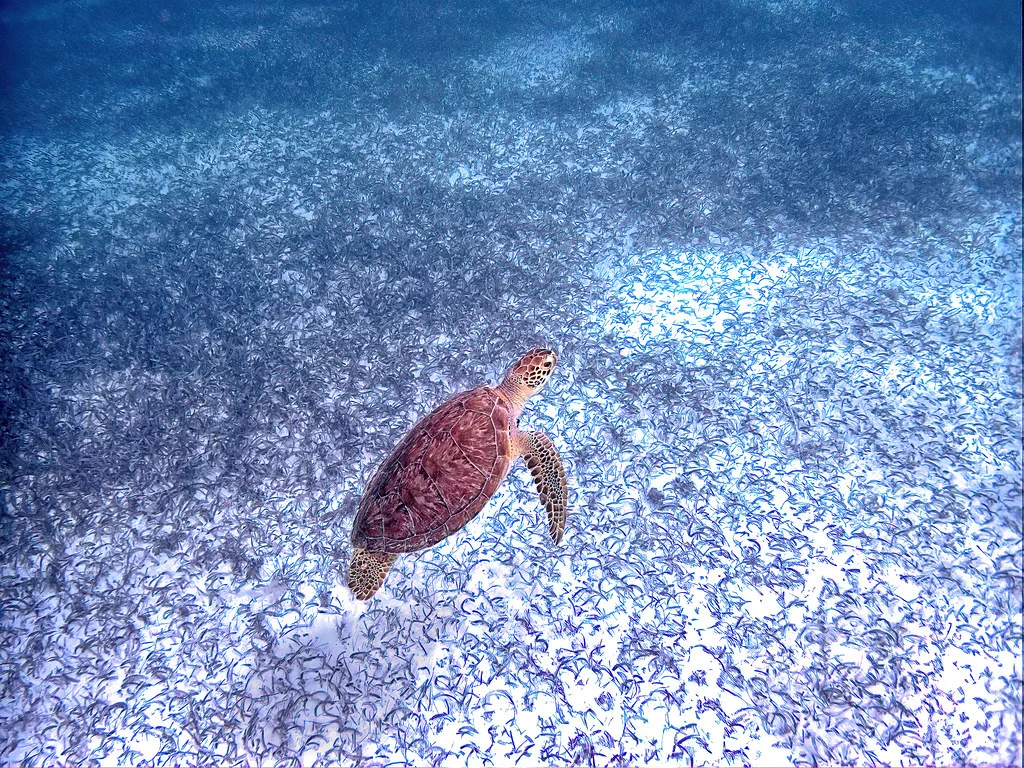
The diverse artificial reefs and shipwrecks attract an array of marine life, offering consistent observation opportunities for divers. On shallower shore dives, loggerhead turtles are known to explore the reefs regularly.
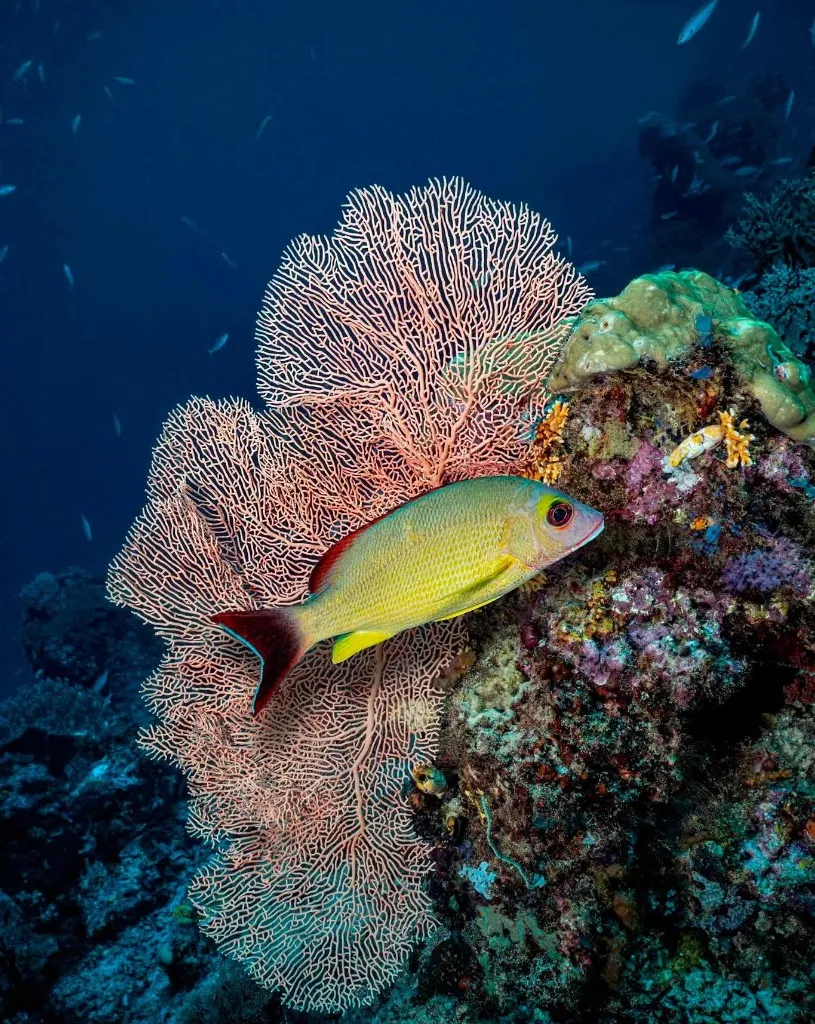
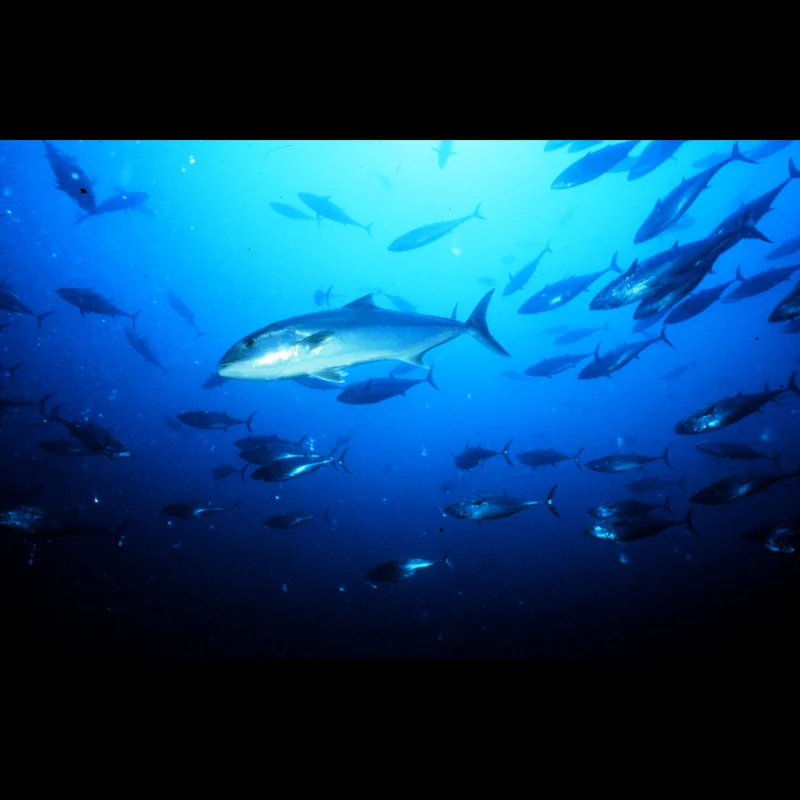
Further offshore, many different types of fish populate the structures; schools of spadefish and minnows are frequently observed around the intact pilothouse of the Pete Tide II. Larger species like snapper, triggerfish, and amberjack commonly inhabit sites such as the Tex Edwards Barge and Chevron Rig.
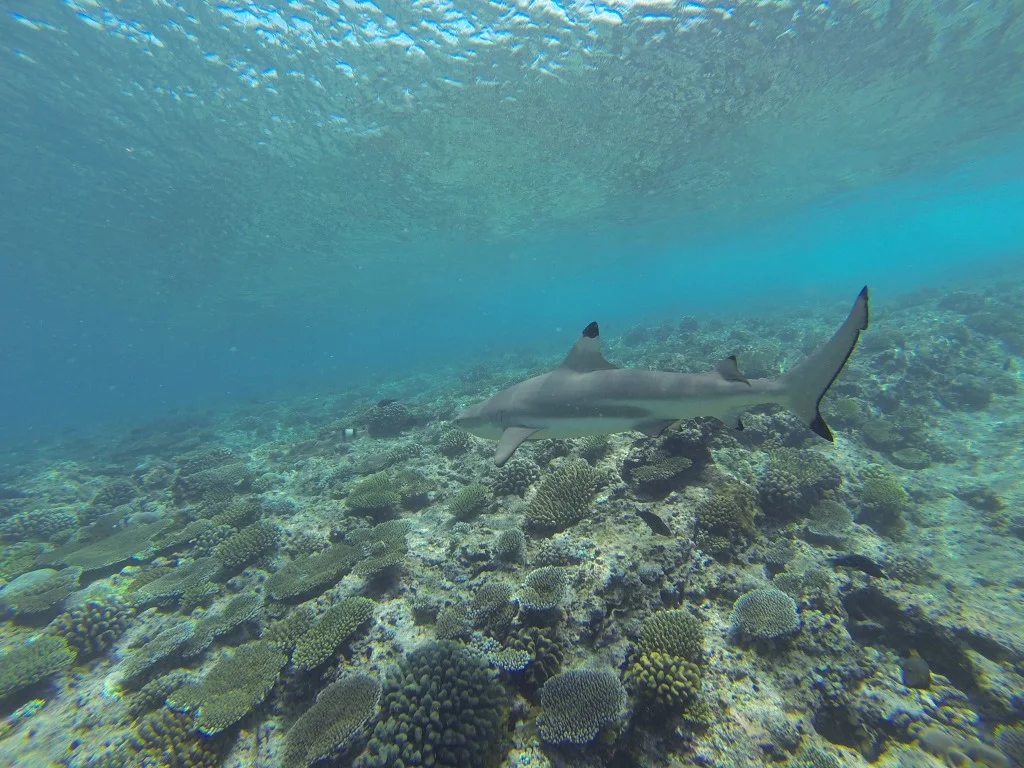
Resident sharks are often found lingering around the wrecks, particularly those favored by fishermen. You'll encounter a variety of tropical fish species throughout these sites.

Dive Centers Near MB 13
Today: 09:00 - 16:00
Nearest Airports
Nearest airports to help plan travel to this dive area.
Search Flights
Check available flights and routes on Expedia, using the nearby airports listed in this section.
Search Flights on Expedia
Plan Your Stay
Looking for a place to stay for your dive trip? Explore hotels, stays, and vacation rentals for dive groups near Mexico Beach.
Dive Navigator may earn a commission from these links at no extra cost to you.
Frequently Asked Questions
What is the typical depth range for diving in the MB 13 area?
Dive sites in this region vary considerably in depth. Shore dives are generally between 4.5-9 m (15-30 ft), while offshore wrecks and artificial reefs can range from 15 m (50 ft) to 42.5 m (140 ft) for their deepest sections.
Are these dive sites suitable for beginner divers?
Many of the offshore wrecks, like the Antares and Avocet, are considered advanced dives due to their significant depths and potential hazards. However, some shallower sections of wrecks or shore dives may be accessible to less experienced divers. Always check site-specific requirements.
What kind of marine life can I expect to see?
Divers frequently encounter loggerhead turtles in shallower areas. Offshore, you can see various fish, including snapper, triggerfish, amberjack, spadefish, and minnows. Resident sharks are also present around the deeper wrecks.
What are the common hazards when diving here?
The primary hazards include the extreme depth of many wrecks, which necessitates advanced training. Penetration into wreck structures carries significant risks of entanglement or shifting debris. Additionally, hurricane activity can alter sites, potentially covering or moving structures.
Do I need a dive charter to access these sites?
While some shallower piling sites are accessible from shore, the majority of the artificial reefs and shipwrecks are located offshore. Charter boats are the standard method for reaching these deeper and more remote dive locations.
Is wreck penetration safe at these sites?
Penetration into wrecks in this area, particularly the deeper and more complex structures, is generally considered extremely dangerous. It is advised only for highly experienced technical divers with proper training and equipment due to the instability and potential for entanglement.
Planning to dive MB 13?
Send one inquiry and receive offers directly from the best verified local dive operators.
Conditions are Excellent
07:00 - 14:00
Optimal conditions expected
Current conditions near MB 13 show 28° air, 30° sea temperature, 0.3 m waves, and 23 km/h wind. Forecast data is refreshed regularly to ensure accuracy.