
Diving at MB 236 (United States)
Diving near the M.B. Miller Pier in Panama City Beach typically involves exploring depths suitable for a range of certified divers, from recreational to advanced. While specific depths for "MB 236" are not consistently reported, the general area offers varied underwater structures. A nearby historical wreck, the USS Massachusetts off Pensacola Pass, lies in extremely shallow conditions, with reported depths reaching only 2 m (9 ft) to its highest points.
As evening covers MB 236, the local air temperature is measured at 29.5°C. The current wave height at the surface is recorded at 0.2 m. These late-day readings characterize the surface conditions for the night.
Dive Site Location & Key Facts
Dive Site Overview
Submerged structures throughout the Panama City Beach area, including sites like MB 236, reveal a diverse arrangement of natural and artificial reefs. The M.B.
Miller County Pier, extending 1,500 feet into the Gulf of Mexico, provides an extensive linear structure supporting varied marine life, including countless small schooling fish and invertebrates. Divers frequently explore these submerged formations, discovering vibrant habitats for numerous sea creatures seeking shelter and food. Further along the coast, the USS Massachusetts (BB-2) wreck, purposefully sunk in 1921 off Pensacola Pass, presents a significant historical site for exploration.
Measuring over 350 feet long with a 69-foot beam, this battleship is now heavily encrusted with a mosaic of corals and sponges. Its prominent gun turrets remain clearly visible above the surface, making it an easily identifiable landmark for both boaters and divers.
While the wreck's highest points reportedly lie in a maximum depth of 2 m (9 ft), its substantial 24-foot draft implies significant vertical structure beneath the waves, inviting detailed investigation of its historical components.
Consequently, the broader region allows for a compelling blend of shallow wreck exploration and vibrant reef diving experiences, catering to different skill levels.
Conditions are Excellent
07:00 - 14:00
Optimal conditions expected
Current conditions near MB 236 show 29° air, 30° sea temperature, 0.2 m waves, and 22 km/h wind. Forecast data is refreshed regularly to ensure accuracy.
Best Time to Dive
Visibility here often dictates the optimal diving periods, which tend to align with the calmer, warmer months. During August and September, dive conditions are rated as excellent, correlating with lower average wave heights around 0.5 m (1.6 ft) and minimal rainfall, averaging 4.6-6.3 mm. Air temperatures during these months are warm, reaching highs of 28°C (82°F) in August and 25.5°C (78°F) in September, creating comfortable surface conditions. Conversely, the cooler months, from January through April, see air temperatures ranging from 11°C (52°F) to 20.5°C (69°F). While dive scores remain good during these periods, increased wave heights, typically between 0.8 m (2.6 ft), might impact water clarity and make boat entries more challenging.
PEAK SEASON SCORE
Scores combine air & water temps, waves, wind & rainfall for overall conditions.
BEST MONTHS TO DIVE
Monthly records compiled from satellite and marine observation nodes over the last 3 years. Data provided by Open-Meteo and MET Norway.
Dive Experience & Conditions
Currents around the M.B. Miller Pier area can vary, influenced by tides and local weather patterns in the Gulf of Mexico. Generally, the conditions are favorable for recreational diving, particularly during periods of lower wind speeds and wave heights. All diving is conducted in salt water, typical of the Gulf. Entry to many sites, including specific reefs and wrecks like the USS Massachusetts, requires boat access. Surface conditions are generally comfortable, with average air temperatures peaking at 28°C (82°F) in August and dropping to 11°C (52°F) in January. Wind speeds range from a low of 14.29 km/h (8.9 mph) in July to highs around 20.09 km/h (12.5 mph) in April, which can affect surface chop.
Dive Difficulty & Safety Guidelines
Diving here requires awareness of potential hazards associated with both natural and artificial structures, especially around piers and wrecks. Given the presence of fishing piers, entanglement with fishing lines can be a concern for divers. Wreck diving on sites like the USS Massachusetts requires specialized training, such as the PADI Wreck Diver course, due to potential overhead environments and sharp objects.
Always adhere to safe diving practices and consult local dive professionals for current site conditions. Carrying a dive flag is important for signaling your presence to boat traffic, and a dive knife can be essential for cutting away potential entanglements.
Recommended Equipment
- Dive Computer
This gear list is based on verified equipment signals for MB 236, United States. Always confirm final gear choices with your dive operator, guide, or liveaboard.
Recommended Dive Suit
Repeated dives during the same day can gradually reduce overall body warmth.
Divers exploring MB 236 today will likely encounter water temperatures close to 30°C (86°F). Surface air temperatures are resting at 29°C (85°F). Divers spending extended time underwater often rely on dive skin or rash guard for balanced warmth and flexibility.
Environmental conditions may feel slightly cooler as the week progresses. Cooler days are ahead; you might want a warmer option for later in the week. A thicker wetsuit may be worth considering for extended dives.
Emergency & Medical Support
Essential information to help you plan your dive trip to MB 236.

Hyperbaric chambers are a critical part of dive safety infrastructure. Availability varies significantly by region, and not all dive areas have immediate access.
Before diving, it's recommended to:
- confirm nearest medical facilities
- check emergency procedures with local dive operators
- ensure dive insurance covers evacuation if required
Divers Alert Network
Diving emergency assistance available through DAN World.
+1-919-684-9111- 24/7 emergency hotline
- Diving medical assistance
- Evacuation coordination
Emergency contacts are provided for reference. Always verify local emergency services before diving.
Marine Life at MB 236
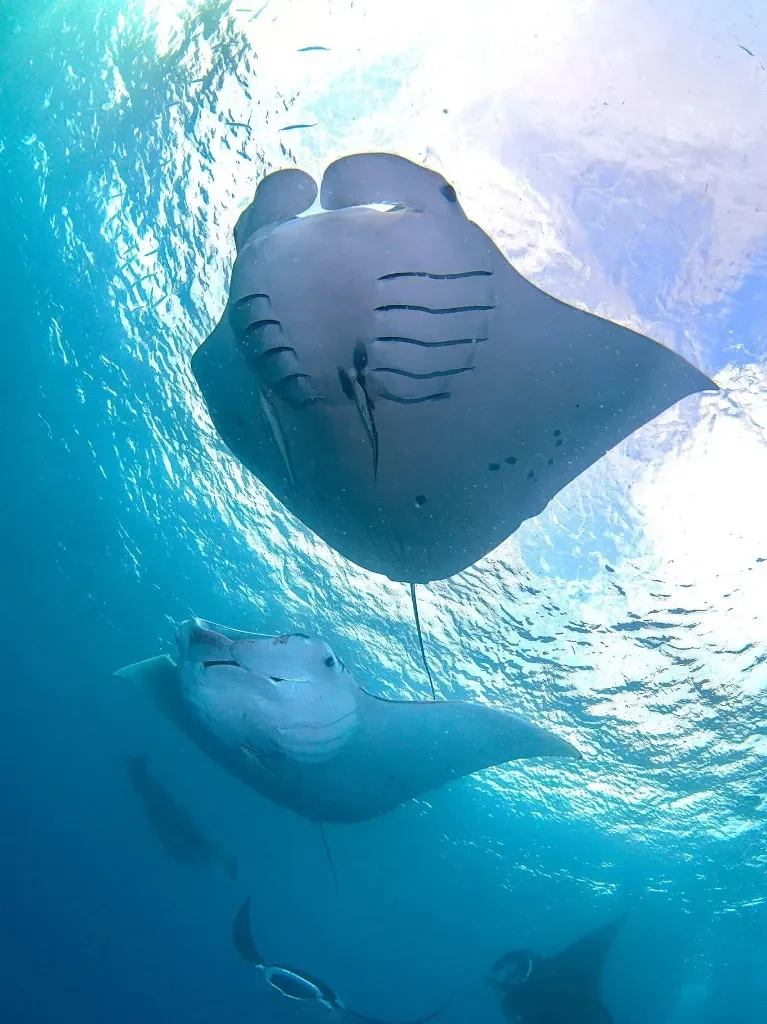
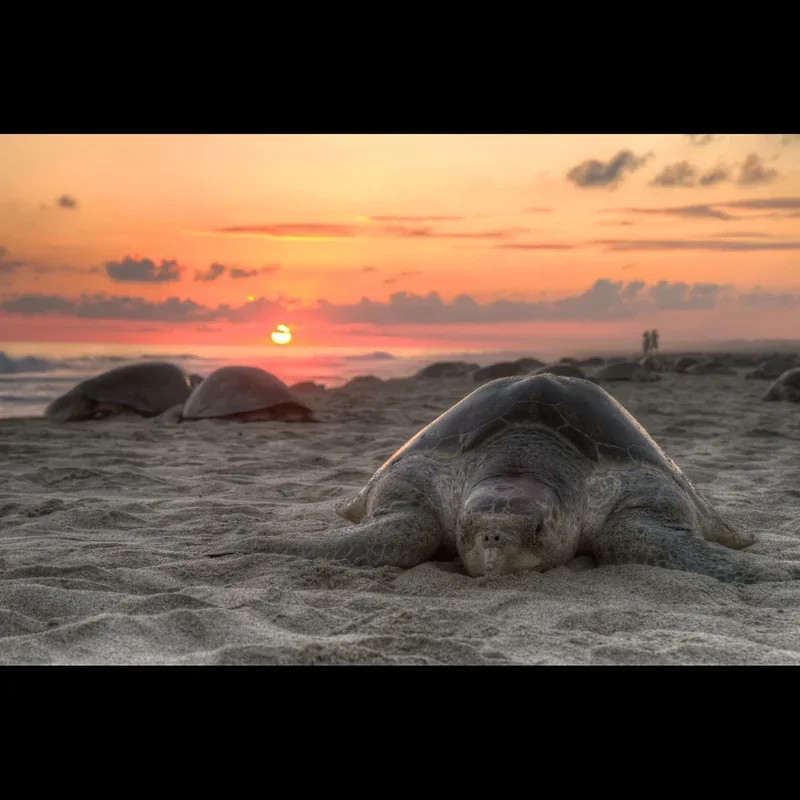
The waters off Panama City Beach support a variety of marine species, thriving around the natural and artificial reefs. Divers commonly encounter sea turtles, dolphins, and manta rays.
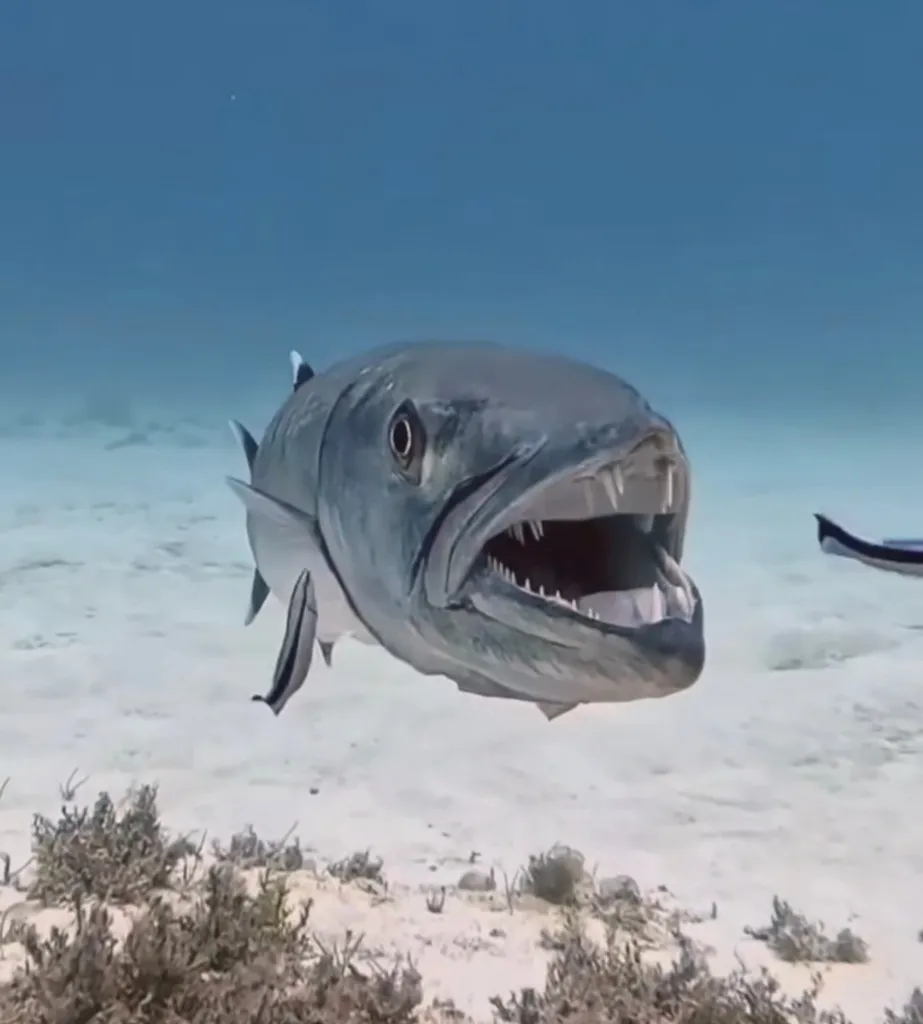
You might also spot smaller fascinating creatures like starfish, sand dollars, and puffer fish along the seafloor. Near the USS Massachusetts wreck, large pelagic species such as barracuda and goliath grouper are frequently observed.
The area is also home to various fish species, including red snapper, mackerel, trout, pompano, and cobia.

Dive Centers Near MB 236
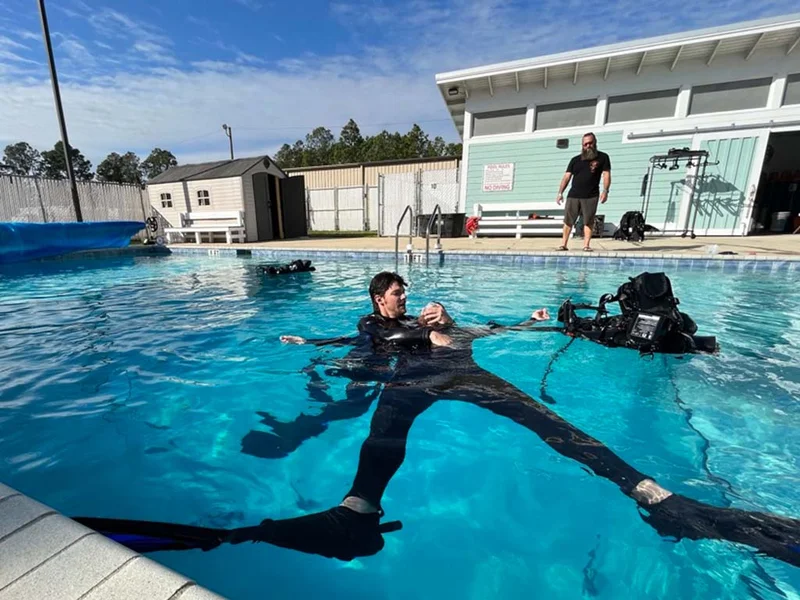
Today: 09:00 - 16:00
Nearest Airports
Nearest airports to help plan travel to this dive area.
Search Flights
Check available flights and routes on Expedia, using the nearby airports listed in this section.
Search Flights on Expedia
Plan Your Stay
Looking for a place to stay for your dive trip? Explore hotels, stays, and vacation rentals for dive groups near Mexico Beach.
Dive Navigator may earn a commission from these links at no extra cost to you.
Frequently Asked Questions
What kind of diving is available in Panama City Beach?
Panama City Beach offers diverse diving experiences, primarily focused on natural and artificial reefs in the Gulf of Mexico. There are numerous submerged structures and habitats for marine life. While not in Panama City Beach, the nearby USS Massachusetts wreck off Pensacola Pass provides a shallow historical wreck dive opportunity.
What is the maximum depth for diving near the M.B. Miller Pier?
Specific maximum depths for "MB 236" near the M.B. Miller Pier are not explicitly reported. However, the area generally offers recreational diving depths around its natural and artificial reefs. The USS Massachusetts wreck, located elsewhere, has a reported maximum depth of 2 m (9 ft) to its shallowest points.
What marine life can I expect to see?
The local waters host sea turtles, dolphins, manta rays, starfish, sand dollars, and puffer fish. Larger species like barracuda and goliath grouper are often seen around wrecks, and various fish such as red snapper and mackerel inhabit the reefs.
When are the best conditions for diving in this area?
The best diving conditions are typically found during August and September, when air temperatures are highest, rainfall is lower, and wave heights are minimal, contributing to better visibility. Dive scores are rated as excellent during these months.
Are there any specific safety guidelines for diving around piers?
Diving near piers requires caution due to potential entanglement with fishing lines. Carrying a dive knife is advisable for safety. Always use a dive flag to alert surface craft to your presence. Consult local dive shops for current conditions and specific pier regulations.
Is wreck diving available, and what training is recommended?
Yes, wreck diving is available in the broader region, with the USS Massachusetts wreck being a notable example near Pensacola. For such dives, especially those involving overhead environments or potential hazards, specialized training like the PADI Wreck Diver course is recommended.
Planning to dive MB 236?
Send one inquiry and receive offers directly from the best verified local dive operators.
Conditions are Excellent
07:00 - 14:00
Optimal conditions expected
Current conditions near MB 236 show 29° air, 30° sea temperature, 0.2 m waves, and 22 km/h wind. Forecast data is refreshed regularly to ensure accuracy.