
Diving at MB-154 Unnamed (United States)
The waters off the United States coast, particularly around Pensacola, host a diverse underwater landscape dominated by artificial reefs and historic shipwrecks. This region features a seabed ranging from moderate to significant depths, offering a unique environment shaped by sunken vessels and purpose-built structures. Many of these sites, originally designed to enhance marine habitats, now form complex ecosystems for divers to explore.
Tonight's objective overview for MB-154 Unnamed shows an air temperature of 27.5°C. The measured surface conditions include wave heights around 0.9 m. This environmental data is logged for the close of the day.
Dive Site Location & Key Facts
Dive Site Overview
While specific details for 'MB-154 Unnamed' are not consistently reported, the general area off the coast of the United States, especially around Pensacola, presents a wide array of dive opportunities. Divers can explore numerous artificial reefs and shipwrecks, with depths spanning the recreational to technical ranges.
For example, the iconic USS Oriskany, known as the 'Great Carrier Reef,' rests upright in 220ft (67 m) of water, though much of its island structure, including the chart plotting room and Pri Fly, remains accessible above the 130ft (40 m) recreational limit. Other notable sites like the Antares freighter or the Pete Tide II oil rig supply ship feature upper structures reachable at around 70-90ft (21-27 m). These varied sites offer intact sections, scattered debris fields, and diverse marine life, catering to different certification levels.
Conditions are Good
07:00 - 14:00
Optimal conditions expected
Current conditions near MB-154 Unnamed show 27° air, 30° sea temperature, 0.4 m waves, and 14 km/h wind. Forecast data is refreshed regularly to ensure accuracy.
Best Time to Dive
Optimizing visibility for dives in this region often aligns with the warmer, drier months, typically from April through October. During this period, dive scores are consistently rated as 'Good,' with May experiencing the highest average score of 8. Air temperatures are pleasantly warm, averaging 21°C (70°F) in April and peaking at 29°C (84°F) in August, creating comfortable surface conditions. Wave heights tend to be lower, generally below 0.9 meters (3 ft), and wind speeds are less pronounced, especially in July. While rainfall is relatively low throughout the year, varying from 1.66mm in October to 7.30mm in September, these months generally offer more stable conditions for offshore excursions.
PEAK SEASON SCORE
Scores combine air & water temps, waves, wind & rainfall for overall conditions.
BEST MONTHS TO DIVE
Monthly records compiled from satellite and marine observation nodes over the last 3 years. Data provided by Open-Meteo and MET Norway.
Dive Experience & Conditions
Diving experiences in these Gulf waters vary significantly, from shallower shore entries to advanced wreck explorations far offshore. Entry-level divers can enjoy sites like the Three Coal Barges at approximately 50ft (15 m), which were intentionally sunk to provide an easy, safe experience. More experienced recreational divers find numerous sites like the Avocet dredge or Pete Tide II, with accessible upper structures at 60-70ft (18-21 m) and maximum depths often between 100-120ft (30-37 m). For those with advanced and technical training, the deeper sections of wrecks such as the USS Oriskany or the Tenneco Rig, which sits at 175ft (53 m), present substantial challenges. Visibility in the region is generally good, particularly on deeper artificial reef sites like the Chevron Rig, but conditions can vary with current and seasonal factors.
Dive Difficulty & Safety Guidelines
Approaching the artificial reefs and wrecks in this region requires thorough dive planning and adherence to safety protocols. Many sites, particularly the larger wrecks, fall into the advanced diver category due to their depth, potential for current, and the inherent risks associated with penetration.
For instance, the Antares freighter, with its maximum depth between 130-140ft (40-43 m), is explicitly noted for extremely dangerous penetration opportunities. Divers must stay within their certification limits, especially when exploring structures like the USS Oriskany, where the flight deck sits at 145ft (44 m).
Shore dives, typically ranging from 15-30ft (4.5-9 m) depending on tides, necessitate the use of a diver-down float flag. Always dive with a reliable buddy and carry appropriate safety equipment, including emergency oxygen and first aid kits.
Recommended Equipment
- Dive Computer
This gear list is based on verified equipment signals for MB-154 Unnamed, United States. Always confirm final gear choices with your dive operator, guide, or liveaboard.
Recommended Dive Suit
Water temperatures at MB-154 Unnamed are currently estimated to be around 30°C (86°F), shaping the overall diving conditions for today. Surface air temperatures are resting at 27°C (81°F).
Many divers choose dive skin or rash guard when diving in similar conditions. Consider warmer surface protection (like a boat coat) due to brisk winds.
Forecast models show minimal temperature variation in the coming days.
Due to technical issues with our weather providers, data hasn't been fetched for over 48 hours. The data above reflects the conditions at the time of the last successful fetch.
Emergency & Medical Support
Essential information to help you plan your dive trip to MB-154 Unnamed.

Hyperbaric chambers are a critical part of dive safety infrastructure. Availability varies significantly by region, and not all dive areas have immediate access.
Before diving, it's recommended to:
- confirm nearest medical facilities
- check emergency procedures with local dive operators
- ensure dive insurance covers evacuation if required
Divers Alert Network
Diving emergency assistance available through DAN World.
+1-919-684-9111- 24/7 emergency hotline
- Diving medical assistance
- Evacuation coordination
Emergency contacts are provided for reference. Always verify local emergency services before diving.
Marine Life at MB-154 Unnamed
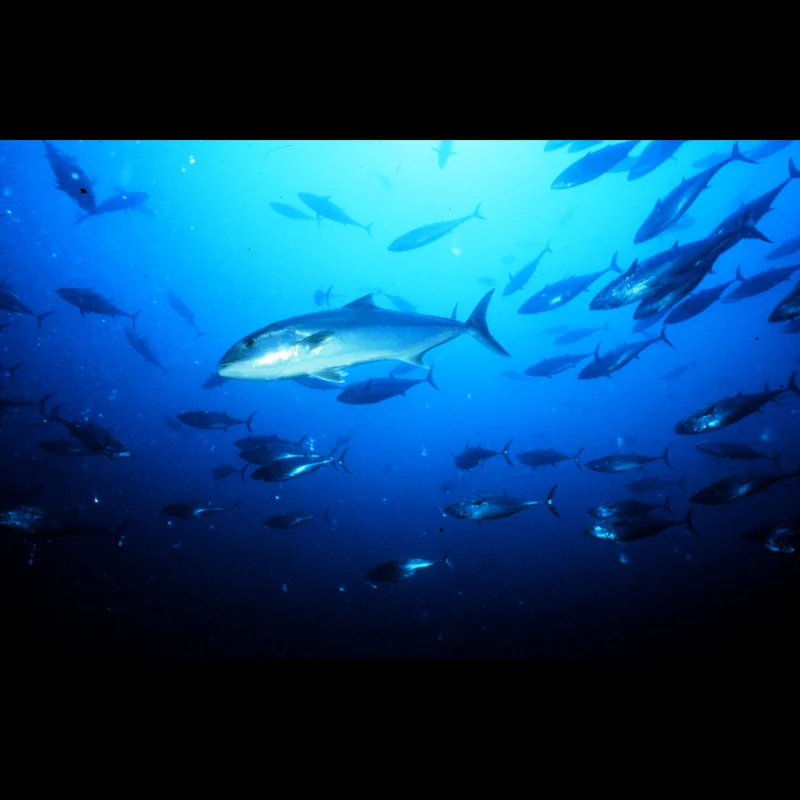
Encounters with diverse fish schools are often the first thing divers notice on these artificial reefs. Large schools of amberjacks frequently aggregate around structures like the Chevron Rig, offering dynamic visual experiences.
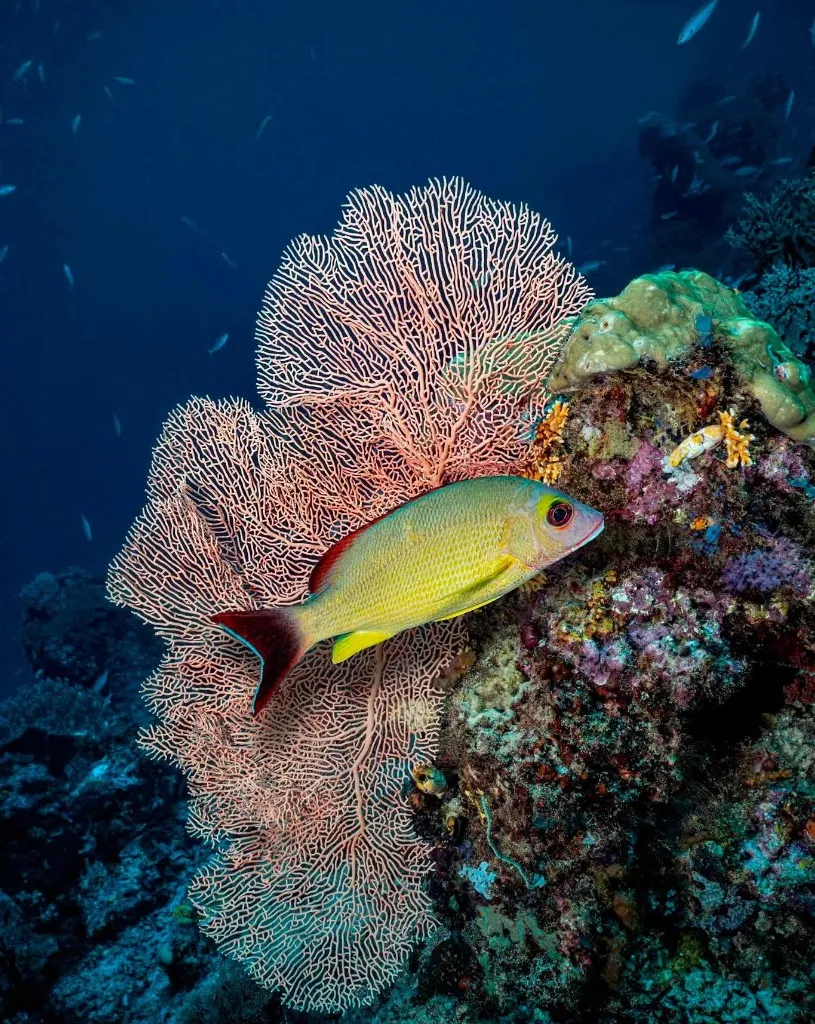
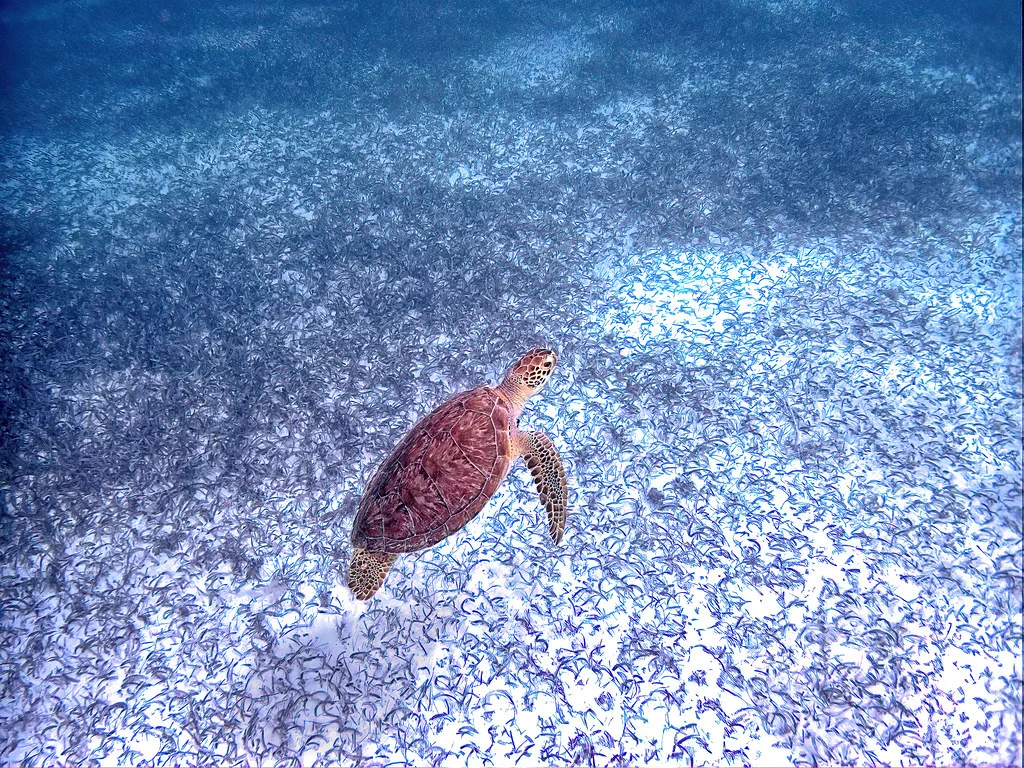
Sites such as the Pete Tide II often host spadefish and minnows in the intact pilothouse, while the Tex Edwards Barge attracts snapper, triggerfish, and various tropical fish. Loggerhead turtles are known to explore the shallower shore reefs regularly.
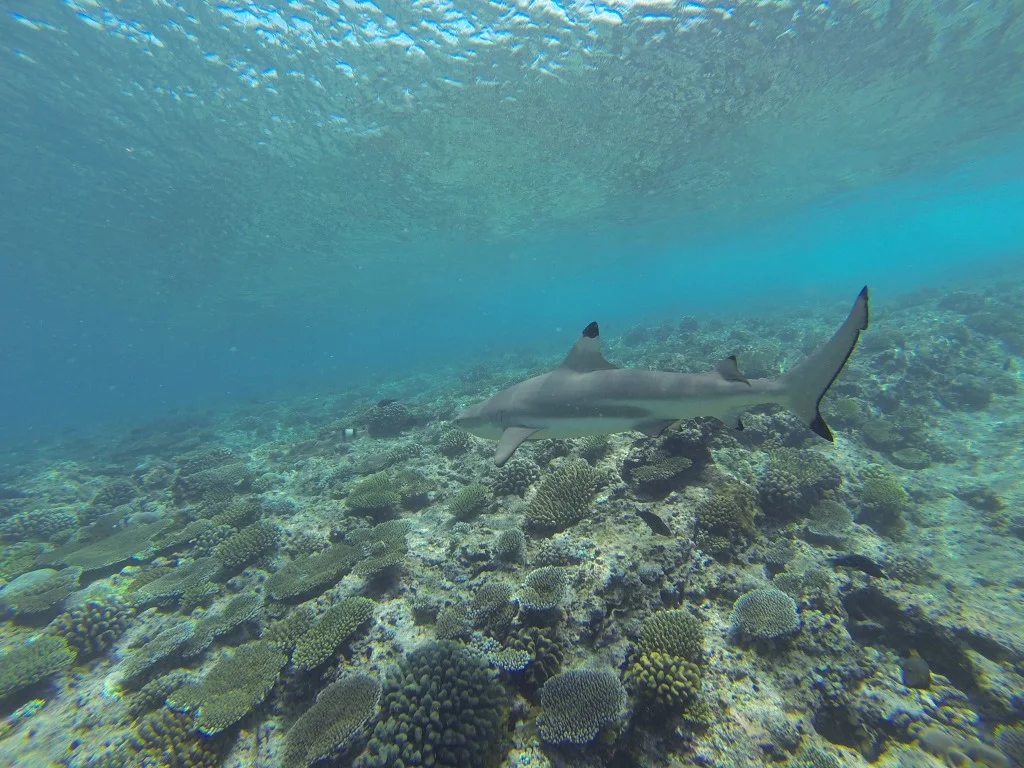
Additionally, many of the deeper wrecks are popular fishing spots, which can attract resident sharks to the sites.

Dive Centers Near MB-154 Unnamed
Today: 09:00 - 16:00
Nearest Airports
Nearest airports to help plan travel to this dive area.
Search Flights
Check available flights and routes on Expedia, using the nearby airports listed in this section.
Search Flights on ExpediaFrequently Asked Questions
What is the typical depth range for diving in this area?
Dive depths in the region are highly varied, accommodating many certification levels. Shore dives are generally 15-30ft (4.5-9 m) deep, while numerous artificial reefs and wrecks offer recreational depths, with upper structures often between 50-90ft (15-27 m). Deeper sites like the USS Oriskany extend to 220ft (67 m), suitable for advanced or technical diving.
What type of dive sites are common here?
The area is rich in artificial reefs and shipwrecks. These include a mix of intentionally sunk vessels, such as freighters, dredges, and oil rig supply ships, as well as purpose-built platform jackets. These structures provide excellent habitats for marine life and complex environments for divers.
When is the best time of year to dive?
The period from April through October generally offers the best diving conditions, with 'Good' dive scores. Air temperatures are warmer, wave heights are lower, and wind speeds are reduced, providing more comfortable and stable conditions for offshore trips.
Are there opportunities for advanced or technical diving?
Yes, this region is well-suited for advanced and technical divers. Many wrecks like the USS Oriskany, Antares, and Tenneco Rig are quite deep, offering challenges for those with appropriate training and equipment. Penetration into some wrecks is possible but can be extremely dangerous.
What kind of marine life might I see?
You can expect to encounter a variety of marine life including large schools of amberjacks, snapper, triggerfish, spadefish, and tropical fish. Loggerhead turtles are common on shallower reefs, and resident sharks are often found around popular wreck sites.
How do I access these dive sites?
Most offshore dive sites are accessed via charter boats operating out of the local area. There are also shore diving opportunities at certain locations, though these often require a diver-down float flag and are subject to tidal conditions.
Planning to dive MB-154 Unnamed?
Send one inquiry and receive offers directly from the best verified local dive operators.
Conditions are Good
07:00 - 14:00
Optimal conditions expected
Current conditions near MB-154 Unnamed show 27° air, 30° sea temperature, 0.4 m waves, and 14 km/h wind. Forecast data is refreshed regularly to ensure accuracy.