
Diving at MB-160 Unnamed (United States)
Navigating the extensive artificial reefs off the Florida Panhandle requires careful planning. This region has strategically invested in transforming retired structures into diverse dive sites. Divers should expect varying depths and conditions, making a thorough understanding of each site's characteristics essential for a safe and rewarding experience. These purpose-built reefs provide critical habitat, establishing vibrant underwater communities in an area with limited natural reef formations. Proper preparation ensures divers can fully appreciate the varied shipwrecks and repurposed platforms.
As evening covers MB-160 Unnamed, the local air temperature is measured at 27°C. The current wave height at the surface is recorded at 1.2 m. These late-day readings characterize the surface conditions for the night.
Dive Site Location & Key Facts
Dive Site Overview
Descending into the waters off the Destin-Fort Walton Beach area reveals a purpose-built underwater world. This region has embraced an extensive artificial reef program, transforming retired ships and oil platforms into thriving marine habitats.
Divers encounter a network of structures like the Chevron Rig, with its large platform jackets sitting at 41 m (134 ft) and offering upper sections accessible around 15 m (50 ft) off the sand. The USS Suitland, a 132.5 ft (40 m) steel-hulled US Navy vessel, rests at 30-30.5 m (98-100 ft). Other substantial sites, such as the Antares freighter or the Tenneco Rig platform, reach much greater depths, requiring advanced planning for exploration.
These sites not only create essential habitat in an area with sparse natural reefs but also foster a robust dive tourism economy, providing varied exploration opportunities for certified divers.
Conditions are Excellent
07:00 - 14:00
Optimal conditions expected
Current conditions near MB-160 Unnamed show 27° air, 30° sea temperature, 0.4 m waves, and 19 km/h wind. Forecast data is refreshed regularly to ensure accuracy.
Best Time to Dive
Optimal diving conditions, particularly regarding visibility, typically align with the warmer months from May through September. During this period, the region generally experiences lower wave heights, averaging 0.7-0.9 m (2.3-3.0 ft), and lighter winds, ranging from 22-26 km/h (14-16 mph). Air temperatures are pleasant, spanning 24.5-29°C (76-84°F), which contributes to a more comfortable overall experience on the surface. May often presents good dive scores, rated 8, with consistent scores of 7 through September. Rainfall is generally moderate during these months, though September can see higher averages, around 7.7 mm (0.3 in). Conversely, the winter months, from December to April, see air temperatures drop to 13.5-21°C (56-70°F) and typically present higher wave action, often exceeding 1.1 m (3.6 ft), and stronger winds. These conditions can reduce visibility and make surface intervals less enjoyable, resulting in moderate dive scores, typically ranging from 5 to 6.
PEAK SEASON SCORE
Scores combine air & water temps, waves, wind & rainfall for overall conditions.
BEST MONTHS TO DIVE
Monthly records compiled from satellite and marine observation nodes over the last 3 years. Data provided by Open-Meteo and MET Norway.
Dive Experience & Conditions
Navigating the artificial reefs often involves encountering varying current dynamics. While specific current strengths are not consistently reported, divers should prepare for potential movement, especially on deeper or more exposed sites. Visibility at these offshore locations can be good, varying with weather and seasonal factors. Water temperatures are not consistently reported, but conditions generally reflect ambient air temperatures, becoming warmer during summer months. Sites like the Chevron Rig, at a maximum depth of 41 m (134 ft), require some experience due to their depth, but offer shallower sections for less experienced divers. Divers exploring the region will find distinct underwater topography provided by the repurposed platforms and shipwrecks.
Dive Difficulty & Safety Guidelines
Diving these artificial reef sites presents specific challenges that require careful adherence to safety guidelines. Many wrecks exceed typical recreational limits, with some sites like the Tenneco Rig descending to 53 m (175 ft). Recreational divers are generally advised to limit exploration to the shallower sections of these deeper structures.
Wreck penetration, particularly on the Antares, is explicitly noted as extremely dangerous and is recommended only for appropriately trained and experienced advanced divers. A dive computer or watch is a mandatory piece of equipment for all dives, ensuring accurate tracking of bottom time and ascent rates.
Divers should thoroughly plan each dive, understand their personal limits, and never exceed their certification level.
Recommended Equipment
- Dive Computer
This gear list is based on verified equipment signals for MB-160 Unnamed, United States. Always confirm final gear choices with your dive operator, guide, or liveaboard.
Recommended Dive Suit
Experienced divers often bring flexible gear options.
Divers exploring MB-160 Unnamed today will likely encounter water temperatures close to 30°C (86°F). Surface air temperatures are resting at 27°C (81°F). Divers who spend longer periods underwater often choose dive skin or rash guard. Consider warmer surface protection (like a boat coat) due to brisk winds.
The next few days appear likely to bring similar environmental conditions.
Due to technical issues with our weather providers, data hasn't been fetched for over 48 hours. The data above reflects the conditions at the time of the last successful fetch.
Emergency & Medical Support
Essential information to help you plan your dive trip to MB-160 Unnamed.

Hyperbaric chambers are a critical part of dive safety infrastructure. Availability varies significantly by region, and not all dive areas have immediate access.
Before diving, it's recommended to:
- confirm nearest medical facilities
- check emergency procedures with local dive operators
- ensure dive insurance covers evacuation if required
Divers Alert Network
Diving emergency assistance available through DAN World.
+1-919-684-9111- 24/7 emergency hotline
- Diving medical assistance
- Evacuation coordination
Emergency contacts are provided for reference. Always verify local emergency services before diving.
Marine Life at MB-160 Unnamed
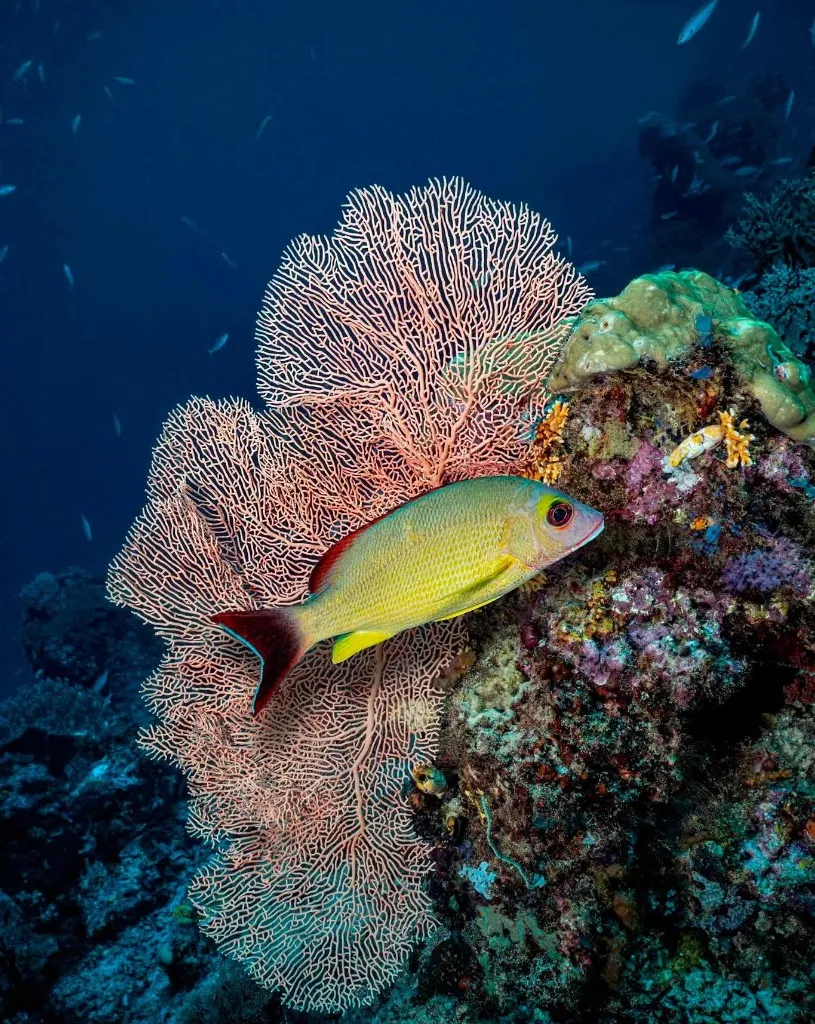
Vibrant underwater ecosystems thrive on the artificial reefs off the Florida Panhandle, establishing crucial habitats where natural formations are limited. Sunken structures, from oil platforms to naval vessels, quickly transform into active marine life gathering points.
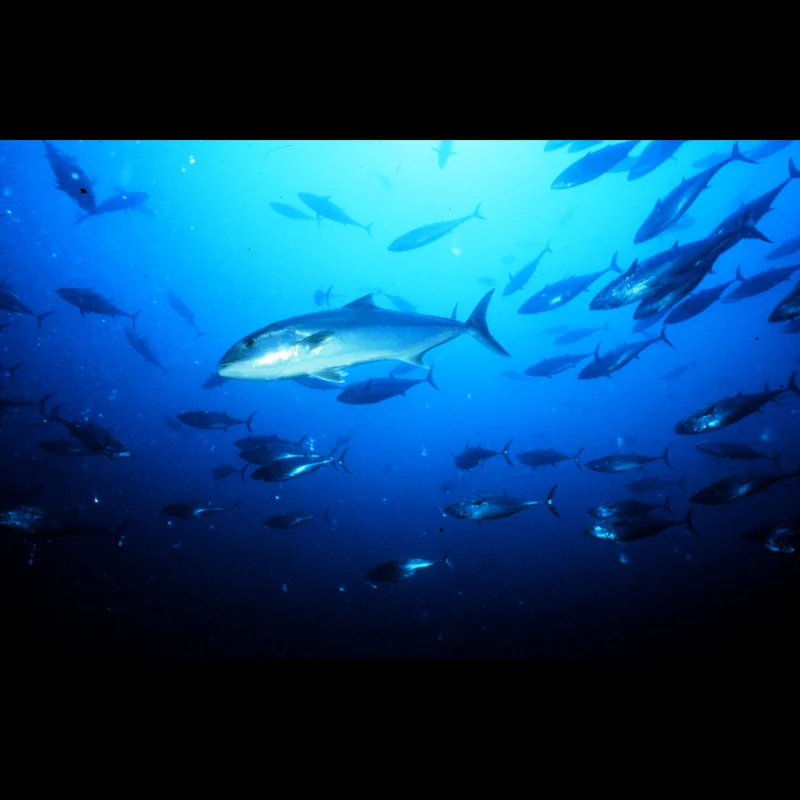
Divers often observe large schools of fish, including amberjacks, congregating around towering jackets at sites like the Chevron Rig. Expect to encounter various reef fish species utilizing the intricate crevices and platforms for shelter and foraging.
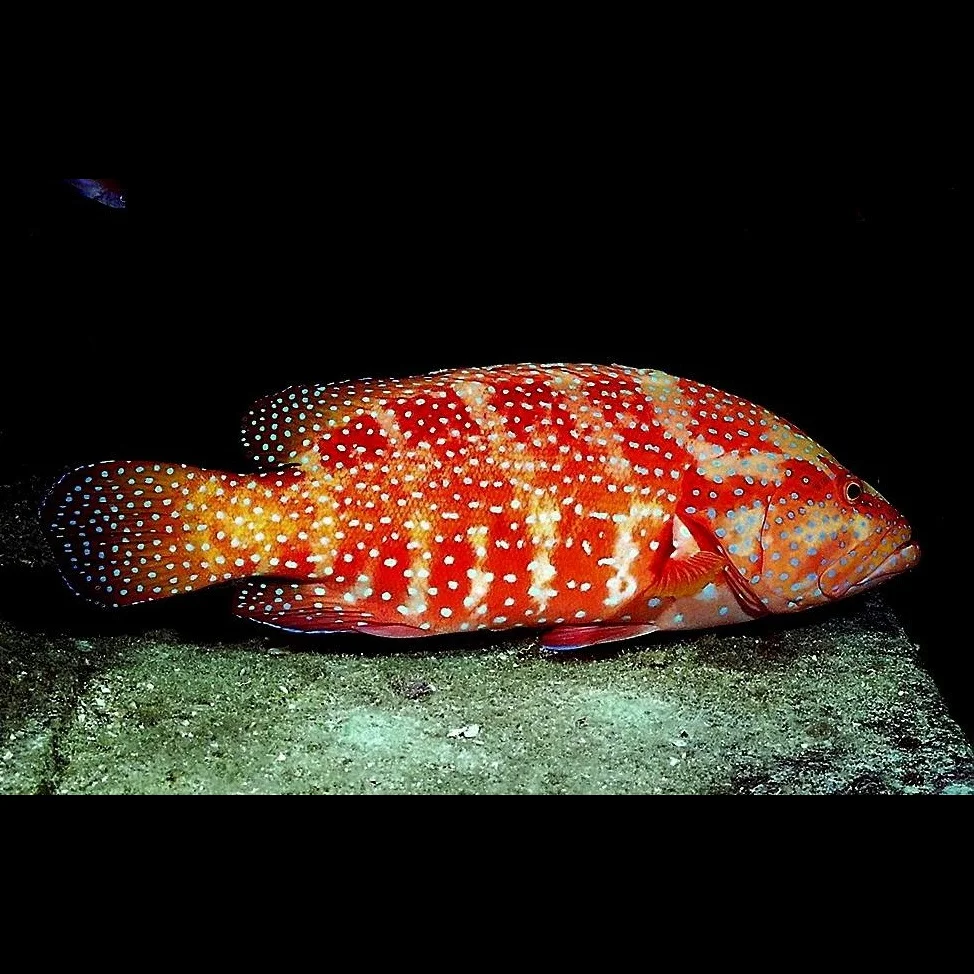
Complex wreck architecture provides extensive hunting grounds for snappers and groupers, alongside smaller, colorful aquatic organisms. This intentional habitat creation significantly bolsters local biodiversity and marine populations, enhancing the overall dive experience.
Dive Centers Near MB-160 Unnamed
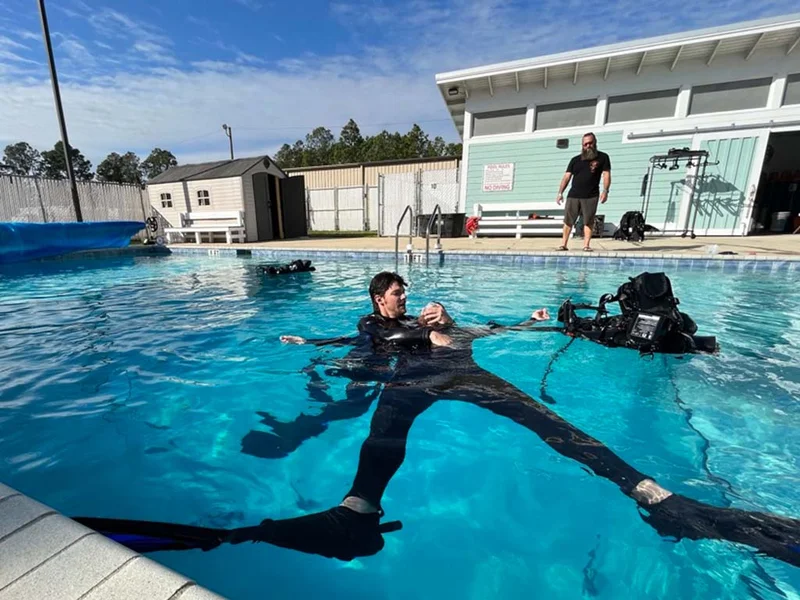
Today: 09:00 - 16:00
Nearest Airports
Nearest airports to help plan travel to this dive area.
Search Flights
Check available flights and routes on Expedia, using the nearby airports listed in this section.
Search Flights on ExpediaFrequently Asked Questions
What is the main purpose of these artificial reefs?
These artificial reefs are primarily deployed to create essential habitat for reef fish and marine life in an area with limited natural reef. They also significantly boost dive tourism and economic development for the region.
What are the typical depths for these dive sites?
Depths vary considerably across the sites. Some are within the recreational depth range, while others, such as the Tenneco Rig, descend beyond 50 meters, requiring advanced planning for full exploration of their deeper sections.
Are these sites suitable for beginner divers?
Some sites, or shallower sections of deeper wrecks, can be suitable for divers with some experience. However, many sites are deeper and require advanced certification and planning.
What kind of marine life can be seen?
The artificial reefs become vibrant underwater habitats, attracting large schools of fish, including amberjacks, and supporting a diverse array of reef fish and other marine organisms.
Is wreck penetration allowed?
Wreck penetration is explicitly noted as extremely dangerous on sites like the Antares. It should only be attempted by appropriately trained and experienced advanced divers with specialized equipment.
What are the best months for diving here?
The best time for diving, offering good visibility and calmer conditions, is typically from May through September. Air temperatures are warmer, and wave heights are generally lower during these months.
Planning to dive MB-160 Unnamed?
Send one inquiry and receive offers directly from the best verified local dive operators.
Conditions are Excellent
07:00 - 14:00
Optimal conditions expected
Current conditions near MB-160 Unnamed show 27° air, 30° sea temperature, 0.4 m waves, and 19 km/h wind. Forecast data is refreshed regularly to ensure accuracy.