
Diving at MB-186 Unnamed (United States)
Throughout the year, diving conditions in this region can range from moderate to good, with peak desirability typically occurring from May through November. Air temperatures during these months average between 24-29°C (75-84°F), contributing to comfortable topside experiences. Wind speeds and wave heights tend to be lower during late spring, summer, and fall, which generally makes for smoother boat rides and better water clarity on many dives.
As evening covers MB-186 Unnamed, the local air temperature is measured at 30°C. The current wave height at the surface is recorded at 0.5 m. These late-day readings characterize the surface conditions for the night.
Dive Site Location & Key Facts
Dive Site Overview
The region's waters are punctuated by a substantial collection of intentionally sunk vessels and structures, forming an extensive network of artificial reefs and historic shipwrecks. Many of these sites, part of the Panhandle Shipwreck Trail, offer varied underwater environments for certified divers.
For instance, the split sections of the 247 ft Avocet dredge provide complex habitats, as does the intact hull of the 166.4 ft Pete Tide II oil rig supply ship. Each submerged framework, from barges used for target practice in WWII to purpose-sunk platforms, attracts a broad spectrum of marine life. These structures not only serve as navigational points but also as crucial ecosystems in the generally sandy bottom areas.
Recreational divers generally find accessible depths on shore dives ranging from 4.5-9 m (15-30 ft). Deeper wrecks, such as the Avocet, often extend to 30-36 m (100-120 ft).
However, sites like the Antares and USS Oriskany require advanced or technical certifications due to their maximum depths approaching 67 m. The diverse underwater topography ensures opportunities for varied skill levels, whether exploring shallow structures or delving into deeper, more challenging wrecks. Many of these wrecks foster vibrant ecosystems, creating a dynamic visual experience for divers.
Conditions are Good
07:00 - 14:00
Optimal conditions expected
Current conditions near MB-186 Unnamed show 30° air, 30° sea temperature, 0.3 m waves, and 23 km/h wind. Forecast data is refreshed regularly to ensure accuracy.
Best Time to Dive
For an optimal dive experience, planning a trip between May and November is generally advised. During these months, the average air temperatures are consistently warm, staying above 24°C (75°F) and reaching highs of 28-29°C (83-84°F) in July and August. This period also sees a reduction in average wave heights, often below 0.8 meters (2.6 feet), and more moderate wind speeds compared to the cooler, choppier winter months. While rain can occur, it's typically light, averaging between 2-6 mm per month, ensuring dive days are rarely washed out. Divers can expect good visibility and calmer seas, enhancing the enjoyment of both travel to the sites and the underwater exploration itself.
PEAK SEASON SCORE
Scores combine air & water temps, waves, wind & rainfall for overall conditions.
BEST MONTHS TO DIVE
Monthly records compiled from satellite and marine observation nodes over the last 3 years. Data provided by Open-Meteo and MET Norway.
Dive Experience & Conditions
Underwater conditions can vary across this region, influencing visibility and current. Many wrecks and artificial reefs present diverse diving opportunities, accommodating different skill levels. Accessing deeper dive sites often involves charter boats, which commonly provide custom-built tank racks, heads, and safety equipment like emergency oxygen and AEDs. Shallower shore dives, near structures or pilings, are suitable for all experience levels, with depths typically fluctuating between 4.5 to 9 meters depending on tides. Deeper artificial reefs, such as the Chevron Rig, feature upper sections around 15 m (50 ft) off the sand and reach maximum depths of 41 meters, better suiting experienced divers. Visibility isn't consistently reported but can generally be good on these deeper sites, especially away from the immediate coast. Water temperatures aren't consistently reported but generally follow air temperature trends, suggesting comfortable conditions in warmer months. The sandy bottom often gives way to intricate reef structures, adding visual interest.
Dive Difficulty & Safety Guidelines
Approaching any dive in this region demands careful planning, especially when considering the range of depths across sites. Divers exploring shore-accessible areas should always deploy a diver-down flag for safety and visibility. Given the prevalence of deeper wrecks, adhering strictly to certification limits is crucial; sites like the USS Oriskany or Antares extend far beyond recreational depths, requiring technical training for extensive exploration.
Penetration into any wreck structure carries inherent risks and should only be attempted by appropriately trained and equipped divers. Many local charters include a divemaster on board, providing an additional layer of safety and local expertise for trips to offshore sites.
Recommended Equipment
- Dive Computer
This gear list is based on verified equipment signals for MB-186 Unnamed, United States. Always confirm final gear choices with your dive operator, guide, or liveaboard.
Recommended Dive Suit
With water temperatures around 30°C (86°F), many divers find a dive skin or rash guard provides comfortable protection.
Local conditions can vary slightly across different parts of the same dive site.
Environmental conditions may feel slightly cooler as the week progresses. Cooler days are ahead; you might want a warmer option for later in the week. A warmer option can provide additional comfort if conditions shift.
Due to technical issues with our weather providers, live updates are temporarily delayed. The data above reflects the conditions at the time of the last successful fetch.
Emergency & Medical Support
Essential information to help you plan your dive trip to MB-186 Unnamed.

Hyperbaric chambers are a critical part of dive safety infrastructure. Availability varies significantly by region, and not all dive areas have immediate access.
Before diving, it's recommended to:
- confirm nearest medical facilities
- check emergency procedures with local dive operators
- ensure dive insurance covers evacuation if required
Divers Alert Network
Diving emergency assistance available through DAN World.
+1-919-684-9111- 24/7 emergency hotline
- Diving medical assistance
- Evacuation coordination
Emergency contacts are provided for reference. Always verify local emergency services before diving.
Marine Life at MB-186 Unnamed
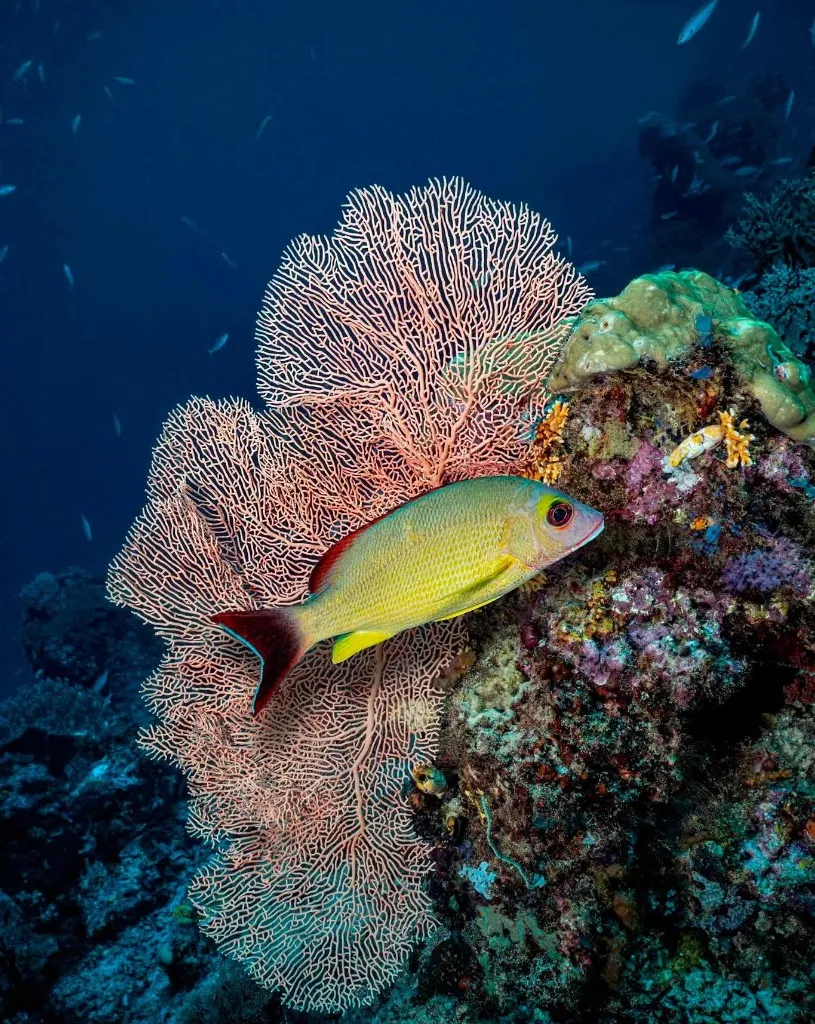
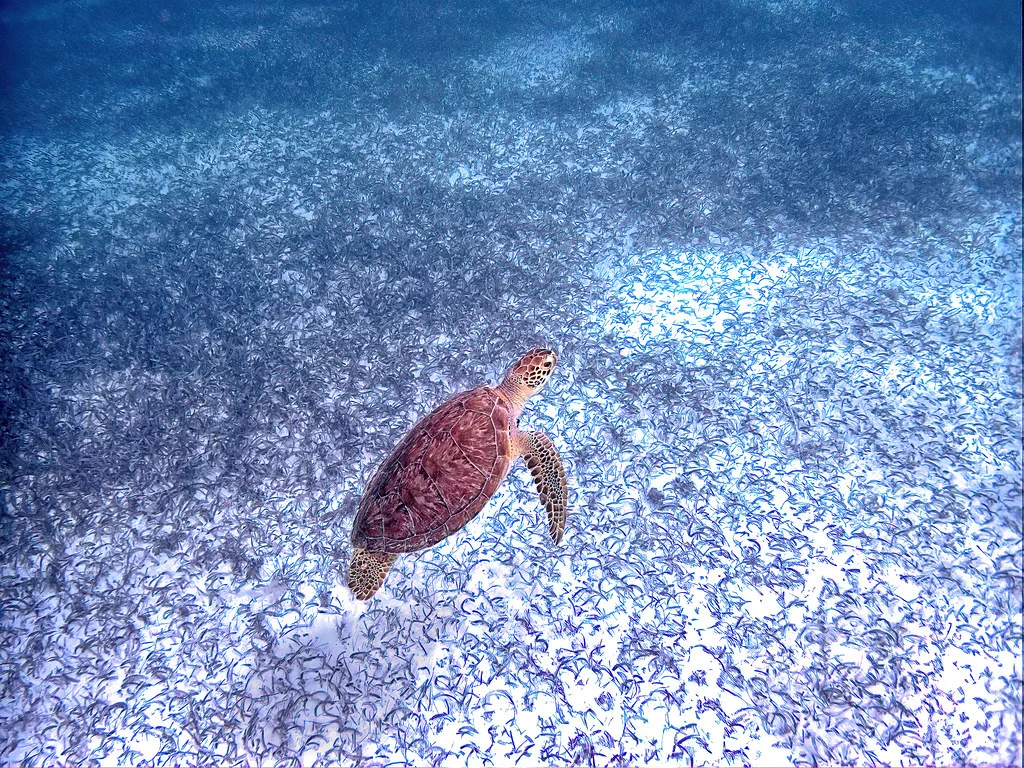
While navigating the intricate structures of artificial reefs, a variety of marine life will likely catch your attention first. Loggerhead turtles are frequently observed exploring the reefs.
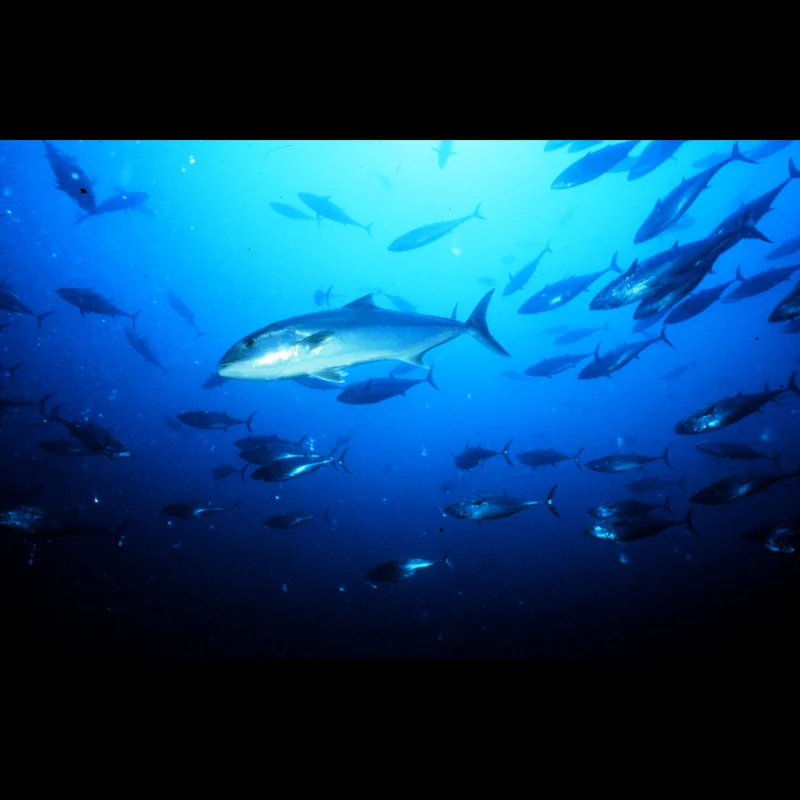
Schools of snapper, triggerfish, and amberjack commonly congregate around these submerged habitats. Spadefish and minnows are often seen lingering near intact structures like the pilothouse of the Pete Tide II.
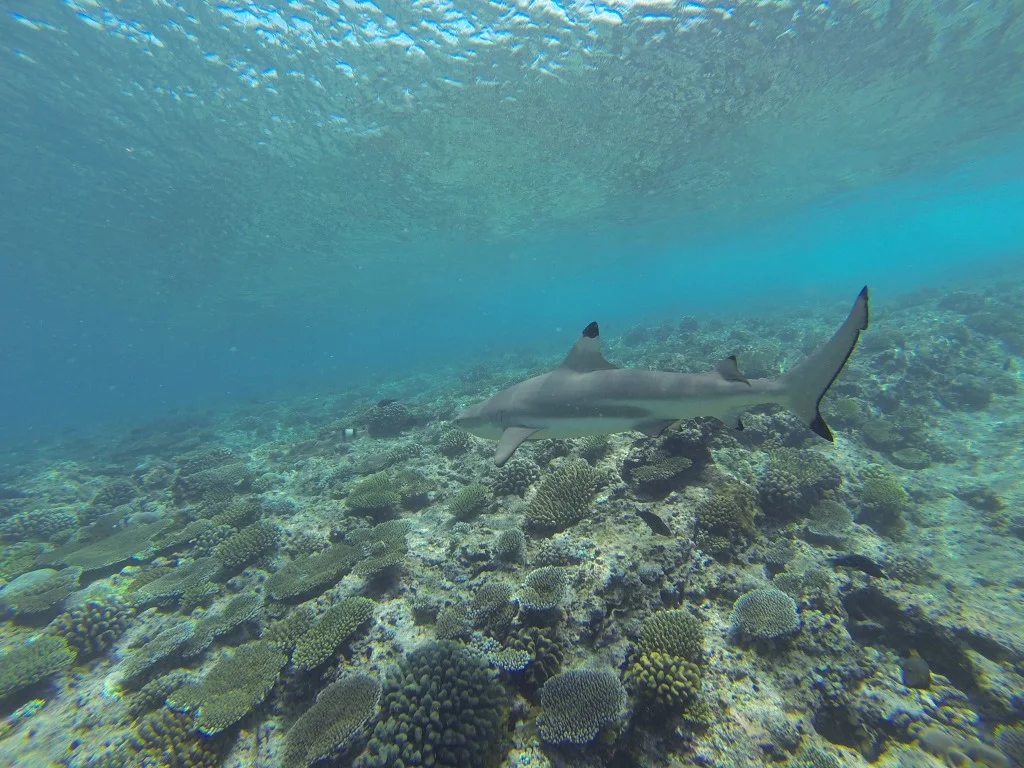
The presence of numerous fish, including baitfish, also attracts resident sharks to some wreck sites, adding an element of excitement to the dive.

Dive Centers Near MB-186 Unnamed
Today: 09:00 - 16:00
Nearest Airports
Nearest airports to help plan travel to this dive area.
Search Flights
Check available flights and routes on Expedia, using the nearby airports listed in this section.
Search Flights on Expedia
Plan Your Stay
Looking for a place to stay for your dive trip? Explore hotels, stays, and vacation rentals for dive groups near Mexico Beach.
Dive Navigator may earn a commission from these links at no extra cost to you.
Frequently Asked Questions
What are the typical dive depths in this area?
Dive depths vary significantly. Shore dives near pilings can be as shallow as 4.5 to 9 meters, while numerous artificial reefs and wrecks offer depths ranging from around 15 meters to over 60 meters. Many recreational wrecks are found between 30-45 m (100-150 ft).
Is the region suitable for technical diving?
Yes, several sites are well-suited for technical diving. Wrecks such as the USS Oriskany, Tenneco Rig, and Antares have sections that extend significantly beyond recreational limits, offering opportunities for advanced training and exploration up to their maximum depths.
What kind of marine life can I expect to see?
Divers often encounter loggerhead turtles, various species of snapper, triggerfish, and large schools of amberjack. Spadefish and minnows are common, and some sites host resident sharks drawn to the abundant fish populations.
Are there shore diving opportunities?
Yes, some areas offer shore diving to pilings or artificial reef structures within walking distance from the beach. Divers will need to display a diver-down flag when accessing these sites.
What type of vessels are commonly used for dive charters?
Local dive charters often utilize boats like 28' to 30' Grady Whites. These typically include amenities such as a head, dry storage, custom tank racks, and safety equipment for 4-6 passengers.
Are there any specific wreck penetration guidelines?
Penetration into wreck structures like the Antares or Pete Tide II can be extremely dangerous. It should only be attempted by advanced divers with proper training, experience, and equipment for overhead environments.
Planning to dive MB-186 Unnamed?
Send one inquiry and receive offers directly from the best verified local dive operators.
Conditions are Good
07:00 - 14:00
Optimal conditions expected
Current conditions near MB-186 Unnamed show 30° air, 30° sea temperature, 0.3 m waves, and 23 km/h wind. Forecast data is refreshed regularly to ensure accuracy.