
Diving at Navy Barge (United States)
An underwater monument off Pensacola, Florida, the Navy Barge carries a quiet history from its post-WWII intentional sinking. Once a floating accommodation for US troops, this artificial reef now provides a vital habitat. It calls to divers interested in exploring historical structures and vibrant marine ecosystems, blending historical intrigue with abundant underwater life.
Evening condition tracking at Navy Barge features an air temperature of 30°C. We have recorded wave heights measuring 0.3 m during this period. These figures outline the environmental parameters currently present.
Dive Site Location & Key Facts
Dive Site Overview
Transformed from a military vessel into a thriving underwater sanctuary, the Navy Barge off Pensacola, Florida, now presents an intricate artificial reef structure. This popular dive site features a sunken barge, deliberately placed post-World War II by the U.D.T. (Underwater Demolition Team) to foster marine biodiversity.
Divers navigate its various features, exploring the main structure and discovering sheltered nooks and crannies created by the wreckage. Maximum depth typically encountered here is 30 m (100 ft), suitable for intermediate certified divers. Around the barge, walls are encrusted with intricate corals and various marine creatures.
Corridors and holds provide shelter for numerous fish and eels, creating an engaging exploration. A surrounding sandy bottom, characteristic of many artificial reef placements, also contributes to the site's appeal, offering additional habitat for bottom-dwelling species.
Extended bottom times are possible, allowing a leisurely pace of exploration within recreational dive limits. Its historical significance, combined with the vibrant ecosystem it now supports, makes the Navy Barge a compelling destination for those interested in wreck diving and marine observation.
Conditions are Good
07:00 - 14:00
Optimal conditions expected
Current conditions near Navy Barge show 30° air, 31° sea temperature, 0.5 m waves, and 17 km/h wind. Forecast data is refreshed regularly to ensure accuracy.
Best Time to Dive
Planning your visit around optimal visibility ensures a more rewarding experience at the Navy Barge. Peak diving conditions typically occur from May to September, when dive scores are consistently good. During these months, surface air temperatures generally range between 24.5-29°C (76-84°F), and rainfall averages around 3.3-4.6 mm, which often correlates with calmer seas. Water temperatures are at their warmest, ranging from 24–30°C (75-86°F) in summer. While diving is possible year-round, winter months see water temperatures drop to 15–20°C (59-68°F), and air temperatures fall to 13-19.5°C (55-67°F). Wave heights also tend to be higher, often reaching over 1 meter (3.3 feet) in colder periods, potentially impacting visibility and comfort. For the best chances of clear views and warm water, targeting the late spring through early fall period is advisable.
PEAK SEASON SCORE
Scores combine air & water temps, waves, wind & rainfall for overall conditions.
BEST MONTHS TO DIVE
Monthly records compiled from satellite and marine observation nodes over the last 3 years. Data provided by Open-Meteo and MET Norway.
Dive Experience & Conditions
Accessing the Navy Barge is exclusively via boat, a standard approach for offshore artificial reefs. Upon descent, divers typically encounter mild currents and no significant surge, contributing to a generally calm underwater environment. Visibility here varies depending on conditions, but commonly ranges from 10.0–20.0 m (33-66 ft). This range allows for good observation of the barge structure and marine life. The site is rated for intermediate difficulty, primarily due to its depth and the nature of wreck exploration. Water temperatures fluctuate seasonally; summer brings comfortable conditions with temperatures between 24–30°C (75-86°F), while winter dives will require thicker thermal protection as temperatures drop to 15–20°C (59-68°F). Understanding these seasonal shifts in temperature is key to preparing for a comfortable dive.
Dive Difficulty & Safety Guidelines
Navigating any wreck requires careful attention, though the Navy Barge presents no extreme inherent hazards. While currents are generally mild and surge is absent, monitoring local conditions and dive forecasts remains crucial for a safe experience. Planning your dive within your certification limits is always recommended, especially given the site's intermediate difficulty rating and maximum depth of around 30 m (100 ft).
There are no permits required for diving this site, simplifying logistics. Divers should practice responsible interaction with the marine environment, avoiding contact with the fragile coral growth on the barge and refraining from disturbing marine life. Always dive with a buddy and ensure proper equipment function before entering the water.
Recommended Equipment
- Dive Computer
This gear list is based on verified equipment signals for Navy Barge, United States. Always confirm final gear choices with your dive operator, guide, or liveaboard.
Recommended Dive Suit
Recent conditions suggest the water at Navy Barge remains near 31°C (87°F), offering typical conditions for the area. Surface air temperatures are resting at 30°C (86°F).
Weather models indicate a small drop in surface temperatures later this week. Cooler days are ahead; you might want a warmer option for later in the week. A neoprene vest or hood can add flexibility if temperatures feel cooler underwater.
In water temperatures like these, dive skin or rash guard typically offers sufficient warmth for most recreational dives. A hood or vest is suggested for sensitive divers due to surface winds. Some divers naturally tolerate cooler water better than others.
Due to technical issues with our weather providers, data hasn't been fetched for over 48 hours. The data above reflects the conditions at the time of the last successful fetch.
Emergency & Medical Support
Essential information to help you plan your dive trip to Navy Barge.

Hyperbaric chambers are a critical part of dive safety infrastructure. Availability varies significantly by region, and not all dive areas have immediate access.
Before diving, it's recommended to:
- confirm nearest medical facilities
- check emergency procedures with local dive operators
- ensure dive insurance covers evacuation if required
Divers Alert Network
Diving emergency assistance available through DAN World.
+1-919-684-9111- 24/7 emergency hotline
- Diving medical assistance
- Evacuation coordination
Emergency contacts are provided for reference. Always verify local emergency services before diving.
Marine Life at Navy Barge
Divers immediately notice a diverse array of marine species attracted to the barge’s structure. Expect to encounter numerous fish and crustaceans utilizing the wreck for shelter and feeding.
The crevices and holds often reveal various eels. Keep an eye out for larger pelagic species occasionally patrolling the perimeter.
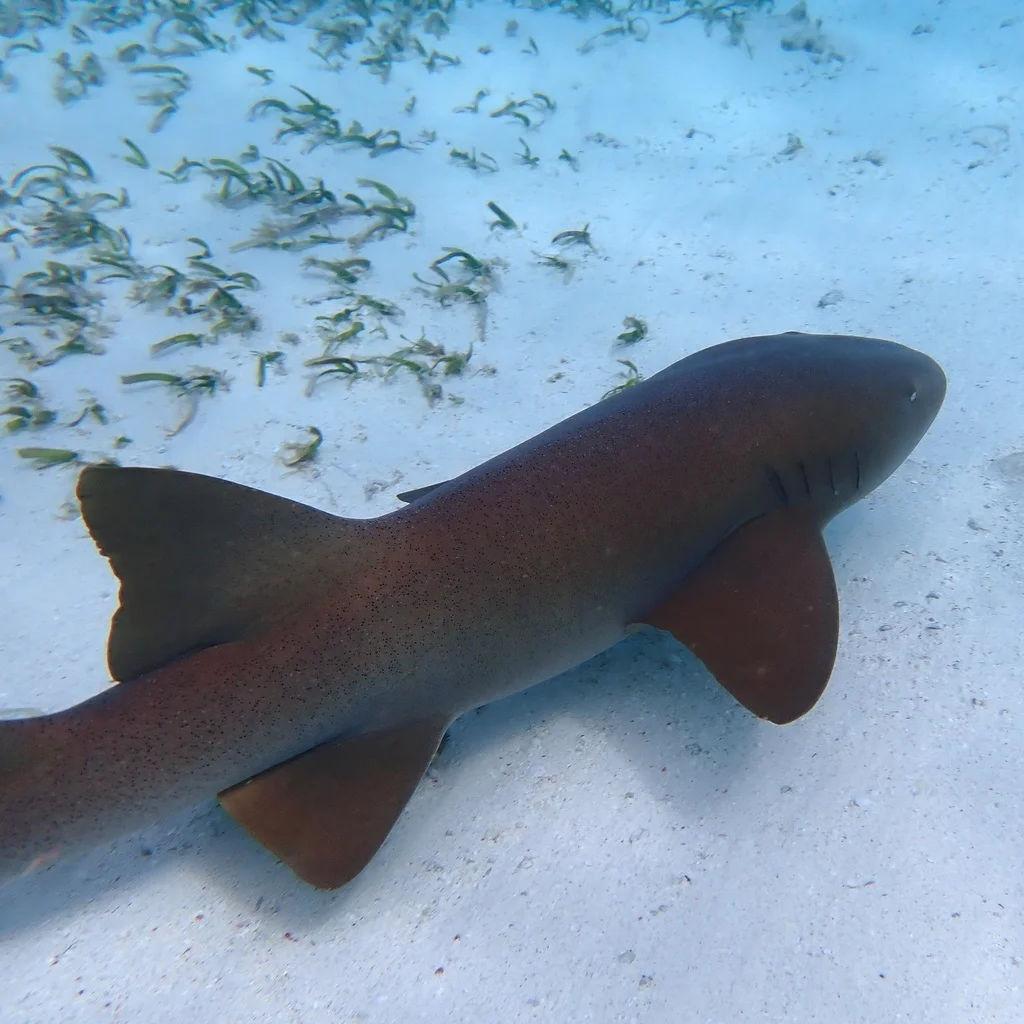
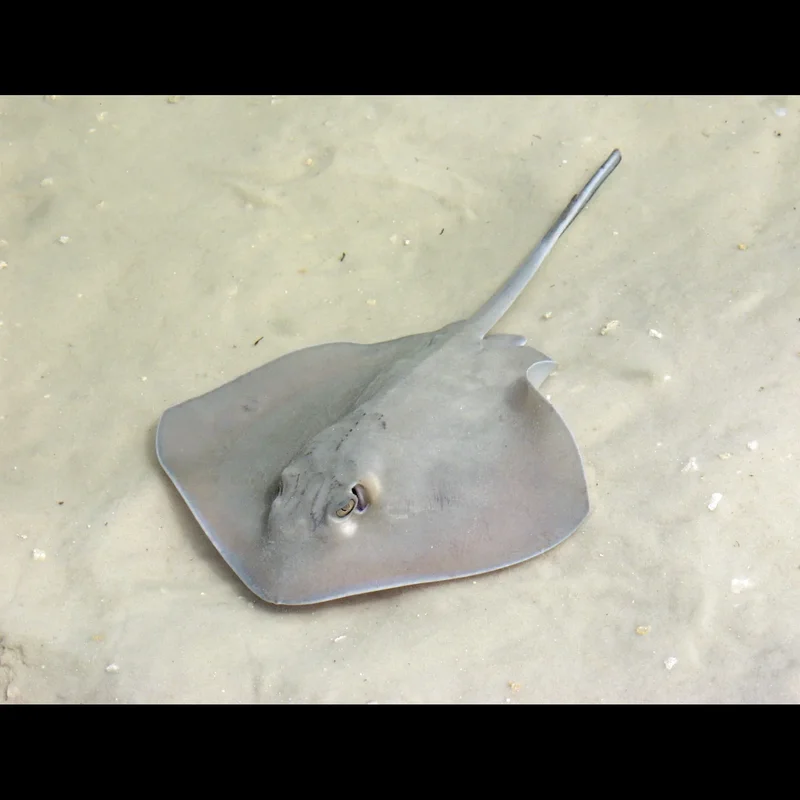
On the sandy bottom adjacent to the barge, it's possible to spot stingrays. During certain times of the year, particularly from June through September, large nurse sharks might be observed around the wreckage or within its holds, sometimes even giving birth.
Dive Centers Near Navy Barge
Today: 10:00 - 18:00
Nearest Airports
Nearest airports to help plan travel to this dive area.
Search Flights
Check available flights and routes on Expedia, using the nearby airports listed in this section.
Search Flights on ExpediaFrequently Asked Questions
What is the maximum depth at the Navy Barge?
The maximum depth at the Navy Barge site is typically around 30 meters (100 feet). This depth is suitable for divers holding an intermediate certification.
What kind of marine life can I expect to see?
Divers can anticipate seeing various fish and crustaceans residing within the barge's structure. Larger species like stingrays, turtles, and even nurse sharks are also possible encounters, especially during warmer months.
Are there strong currents at the Navy Barge?
Currents at the Navy Barge are generally mild, and significant surge is not typically reported. However, divers should always check local conditions before entering the water.
Is a permit required to dive this site?
No, a diving permit is not required to explore the Navy Barge site. This simplifies the planning process for divers.
What are the water temperatures like throughout the year?
Summer water temperatures are comfortable, ranging from 24–30°C (75-86°F). In winter, temperatures can drop to 15–20°C (59-68°F), necessitating appropriate thermal protection.
How do I get to the Navy Barge dive site?
Access to the Navy Barge is exclusively by boat, as it is an offshore artificial reef. Most local dive operators can provide transportation to the site.
Is the Navy Barge suitable for beginner divers?
The site is rated as intermediate in difficulty, primarily due to its depth. While not ideal for absolute beginners, advanced open water divers or those with similar experience can explore it safely.
Planning to dive Navy Barge?
Send one inquiry and receive offers directly from the best verified local dive operators.
Conditions are Good
07:00 - 14:00
Optimal conditions expected
Current conditions near Navy Barge show 30° air, 31° sea temperature, 0.5 m waves, and 17 km/h wind. Forecast data is refreshed regularly to ensure accuracy.