
Diving at Nrda Phase 3 Cell 338 (United States)
NRDA Phase 3 Cell 338 is a key area in the United States' Gulf of America, designated for comprehensive environmental assessment. Its depth profile, while not extensively detailed in general diving records, is understood to fall within a range relevant to offshore monitoring. This site is primarily a focus for scientific observation, gathering data vital to understanding the wider marine environment. Divers here contribute to ongoing research efforts rather than traditional recreational exploration.
Evening condition tracking at Nrda Phase 3 Cell 338 features an air temperature of 29°C. We have recorded wave heights measuring 0.6 m during this period. These figures outline the environmental parameters currently present.
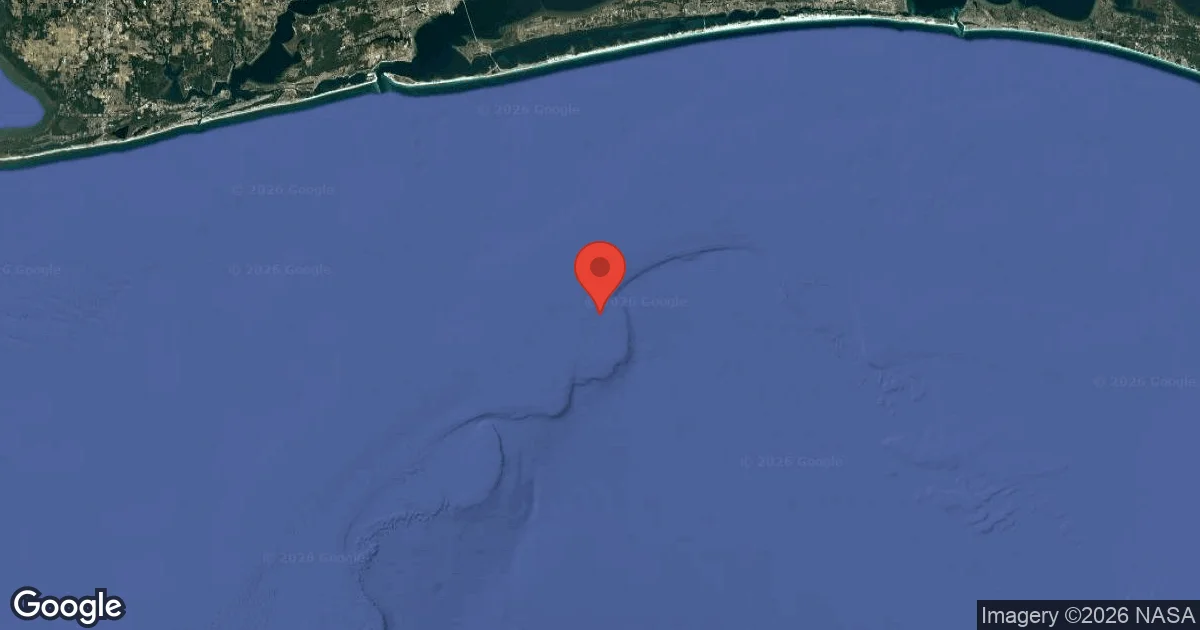
Dive Site Location & Key Facts
Dive Site Overview
Engaging with NRDA Phase 3 Cell 338 involves a structured scientific approach to diving, distinctly different from recreational exploration. As a critical monitoring site in the Gulf of America, it forms a vital component of the Deepwater Horizon Natural Resource Damage Assessment (NRDA) efforts.
Meticulous data gathering is the primary objective here. Scientists and divers collaborate to collect instrument data, including precise readings of water temperatures and salinity.
Additionally, comprehensive field observations detailing the condition of local marine life and the varying extent of oiling across the environment are crucial. Extensive documentation also exists from both pre-2010 and during the oil spill response, encompassing historical contaminant chemistry.
Laboratory analysis results from tissue, sediment, oil, and water samples further enrich the site's dataset, painting a detailed picture of recovery. Divers directly contribute to the long-term understanding of marine ecosystem resilience through their observations and data acquisition.
This intense focus on environmental science distinguishes Cell 338 from conventional dive sites, establishing its role as a pivotal location for research and conservation.
Conditions are Excellent
07:00 - 14:00
Optimal conditions expected
Current conditions near Nrda Phase 3 Cell 338 show 29° air, 30° sea temperature, 0.4 m waves, and 19 km/h wind. Forecast data is refreshed regularly to ensure accuracy.
Best Time to Dive
Optimal conditions for diving at NRDA Phase 3 Cell 338 typically emerge from May through October, offering 'Good' dive scores. During these months, average air temperatures range from 24.5°C (76°F) to 29°C (84°F), with relatively lower wind speeds and wave heights. July and August often present the calmest surface conditions, with wave heights averaging around 0.6 m (2 ft). The cooler months, particularly January through April and November through December, see 'Moderate' dive scores. These periods have higher wind speeds and wave heights, with air temperatures dropping to around 13°C (55°F) in January, alongside increased rainfall.
PEAK SEASON SCORE
Scores combine air & water temps, waves, wind & rainfall for overall conditions.
BEST MONTHS TO DIVE
Monthly records compiled from satellite and marine observation nodes over the last 3 years. Data provided by Open-Meteo and MET Norway.
Dive Experience & Conditions
Descending into NRDA Phase 3 Cell 338 means entering a unique environment primarily dedicated to long-term monitoring. While specific current or visibility data is not consistently reported, instrument data from the site has historically included water temperature and salinity readings, which would influence dive planning. Given its role in post-Deepwater Horizon assessment, divers might encounter varying seafloor conditions, potentially including areas impacted by the spill. The experience here is less about coral reefs or vibrant ecosystems, and more about meticulous observation and data collection. Water temperatures are not consistently reported for all months, but regional trends suggest warmer waters during peak summer months.
Dive Difficulty & Safety Guidelines
Diving at NRDA Phase 3 Cell 338 requires strict adherence to safety protocols, especially given its historical context as an oil spill monitoring site. No specific local hazards are explicitly reported, but divers should always verify current conditions with local operators before entering the water. It's imperative to consult DIVER Explorer for the latest contaminant chemistry and field observation data.
Divers must maintain situational awareness regarding potential environmental impacts. Always dive within your certification limits and ensure your gear is in excellent working order.
Recommended Equipment
- Dive Computer
This gear list is based on verified equipment signals for Nrda Phase 3 Cell 338, United States. Always confirm final gear choices with your dive operator, guide, or liveaboard.
Recommended Dive Suit
Divers planning relaxed exploration may appreciate the warmth of dive skin or rash guard. Divers often notice that perceived temperature can feel cooler during deeper or longer dives.
At the moment, divers exploring Nrda Phase 3 Cell 338 will likely experience water temperatures near 30°C (86°F). Surface air temperatures are resting at 29°C (84°F).
Weather projections show fairly stable environmental conditions ahead.
Emergency & Medical Support
Essential information to help you plan your dive trip to NRDA Phase 3 Cell 338.

Hyperbaric chambers are a critical part of dive safety infrastructure. Availability varies significantly by region, and not all dive areas have immediate access.
Before diving, it's recommended to:
- confirm nearest medical facilities
- check emergency procedures with local dive operators
- ensure dive insurance covers evacuation if required
Divers Alert Network
Diving emergency assistance available through DAN World.
+1-919-684-9111- 24/7 emergency hotline
- Diving medical assistance
- Evacuation coordination
Emergency contacts are provided for reference. Always verify local emergency services before diving.
Marine Life at Nrda Phase 3 Cell 338
The underwater landscape of NRDA Phase 3 Cell 338 is primarily viewed through the lens of post-Deepwater Horizon ecological recovery. Direct marine life highlights are not extensively detailed in general records.
However, monitoring efforts in the broader Gulf of America have documented sightings of marine mammals, sea turtles, and various fish species. Observations at this site contribute to understanding the health and return of these populations.
It's a location where the scientific narrative of an ecosystem's resilience unfolds, rather than a traditional wildlife viewing destination.
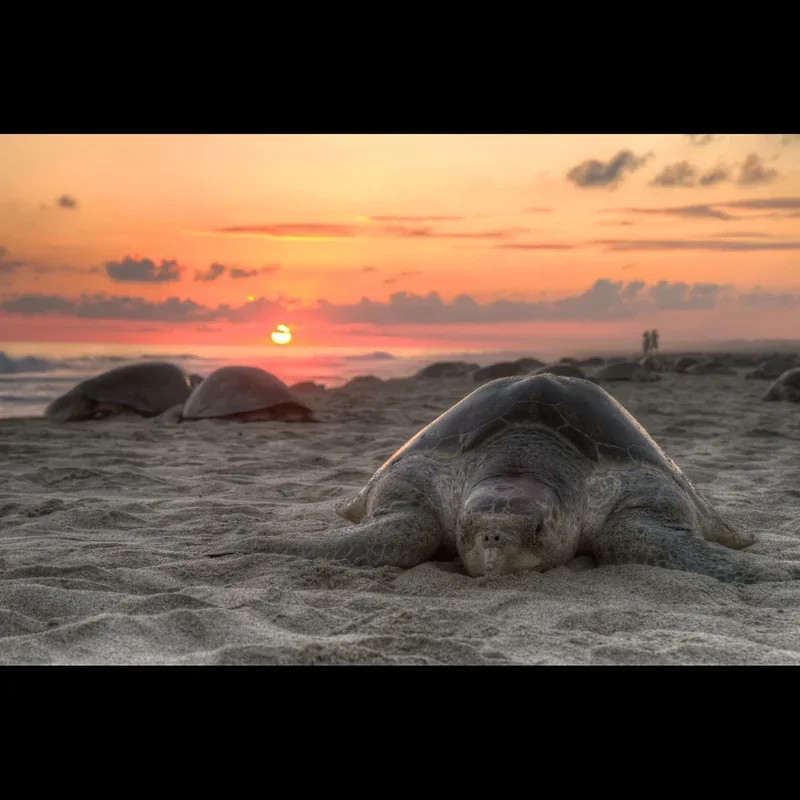
Dive Sites Near Nrda Phase 3 Cell 338
View all dive sites in United StatesDiscover more underwater gems in this area.
Dive Centers Near Nrda Phase 3 Cell 338
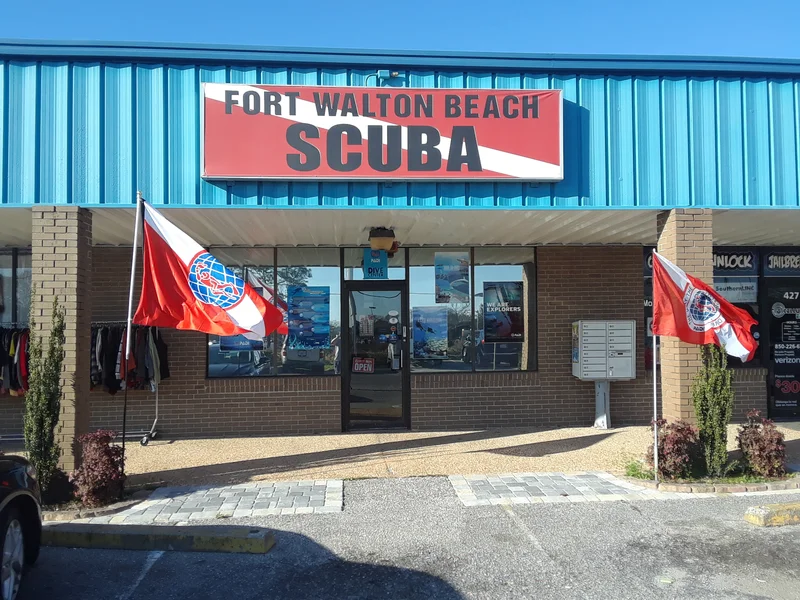
Today: 10:00 - 16:00
Nearest Airports
Nearest airports to help plan travel to this dive area.
Search Flights
Check available flights and routes on Expedia, using the nearby airports listed in this section.
Search Flights on Expedia
Plan Your Stay
Looking for a place to stay for your dive trip? Explore hotels, stays, and vacation rentals for dive groups near Gulf Breeze.
Dive Navigator may earn a commission from these links at no extra cost to you.
Frequently Asked Questions
What is the primary purpose of diving at NRDA Phase 3 Cell 338?
The main purpose is scientific monitoring and data collection as part of the Natural Resource Damage Assessment (NRDA) following the Deepwater Horizon oil spill. Divers contribute to understanding the site's ecological recovery.
Are there any specific marine life encounters expected?
Specific marine life encounters are not consistently reported for this exact cell. The focus is on broader ecological assessment, which may include observations related to the presence or absence of marine mammals, sea turtles, and fish in the context of the Deepwater Horizon spill.
What kind of environmental data is collected at this site?
Data includes historical contaminant chemistry, instrument data for water temperature and salinity, field observations on animal conditions and oiling, and laboratory analysis results on tissue, sediment, oil, and water samples.
How can I access the scientific data for this location?
The public can access data through NOAA's DIVER Explorer query and mapping interface. ERMA (Deepwater Gulf Response and Restoration) also integrates relevant environmental response information.
What are the typical air temperatures in the area?
Air temperatures vary seasonally, ranging from approximately 13°C (55°F) in January to highs of 29°C (84°F) in August. This contributes to varying surface conditions throughout the year.
Are there particular times of year with calmer waters?
Generally, July and August tend to have calmer surface conditions, with average wave heights around 0.6 m (2 ft). Wind speeds are also typically lower during the summer months.
Planning to dive Nrda Phase 3 Cell 338?
Send one inquiry and receive offers directly from the best verified local dive operators.
Conditions are Excellent
07:00 - 14:00
Optimal conditions expected
Current conditions near Nrda Phase 3 Cell 338 show 29° air, 30° sea temperature, 0.4 m waves, and 19 km/h wind. Forecast data is refreshed regularly to ensure accuracy.