
Diving at Nrda Phase 3 Cell 448 (United States)
Understanding NRDA Phase 3 Cell 448 begins with its purpose: a site dedicated to ecological recovery following the Deepwater Horizon incident. Diving here offers an opportunity to witness environmental restoration firsthand, rather than engaging with a purely natural reef. This area is part of a broader Natural Resource Damage Assessment (NRDA) effort, highlighting an ongoing response to past environmental hazards.
Current morning readings from Nrda Phase 3 Cell 448 indicate an air temperature of 29°C. Surface wave heights are averaging around 0.6 m at this time. These local measurements provide a baseline for your daily dive planning.
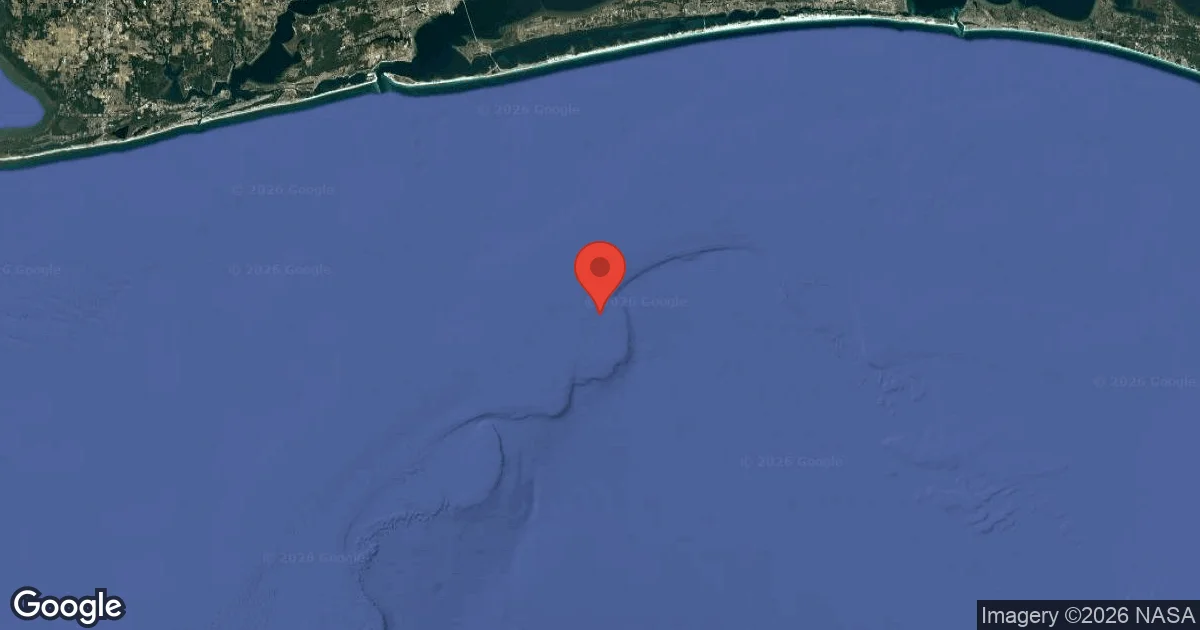
Dive Site Location & Key Facts
Dive Site Overview
Engaging with environmental restoration firsthand characterizes diving at NRDA Phase 3 Cell 448. This site isn't a traditional coral reef; instead, it's a critical component of the Deepwater Horizon Early Restoration program, focusing on ecological recovery efforts.
Divers visiting this location primarily observe and document the ongoing rehabilitation, rather than seeking pristine natural ecosystems. Exploring here provides a deeper understanding of conservation initiatives, showing how habitats are actively improving. It reflects a commitment to resilience, showcasing a managed environment undergoing significant recovery.
The overall experience emphasizes thoughtful observation and appreciation for the delicate process of rebuilding marine ecosystems. Divers typically find themselves within recreational depth ranges, allowing for extended bottom times to meticulously examine the developing habitats.
Focus shifts from large, dramatic encounters to the intricate details of a recovering, sometimes sandy bottom, where new life is slowly taking hold. It's a chance to contribute, even passively, to the scientific understanding of long-term environmental healing, offering a unique perspective on the ocean's ability to recover.
Conditions are Excellent
07:00 - 14:00
Optimal conditions expected
Current conditions near Nrda Phase 3 Cell 448 show 29° air, 30° sea temperature, 0.4 m waves, and 19 km/h wind. Forecast data is refreshed regularly to ensure accuracy.
Best Time to Dive
Seasonal patterns at NRDA Phase 3 Cell 448 indicate the most favorable diving conditions typically occur from May through October. During these months, dive scores are consistently higher, reflecting more pleasant air temperatures ranging between 24.5-29°C (76-84°F). Surface conditions during this period often feature lower average wave heights compared to the choppier winter months, contributing to a smoother boat ride and easier entry/exit. While rain showers are a year-round occurrence, their impact on overall dive quality during the peak season is generally minimal. Planning your visit within this warmer window provides the most consistent opportunity for comfortable exploration, aligning with the calmer atmospheric and sea states that support observational diving at this critical restoration site. Diver comfort in these conditions enhances the ability to focus on the intricate details of ecological recovery.
PEAK SEASON SCORE
Scores combine air & water temps, waves, wind & rainfall for overall conditions.
BEST MONTHS TO DIVE
Monthly records compiled from satellite and marine observation nodes over the last 3 years. Data provided by Open-Meteo and MET Norway.
Dive Experience & Conditions
Navigating the conditions at NRDA Phase 3 Cell 448 necessitates an awareness of potential current dynamics. Divers should always verify local reports with operators prior to entry, as conditions can change rapidly and affect dive planning. Visibility isn't consistently reported for this site; it varies significantly based on local weather, sediment movement, and the specific phase of any ongoing restoration work. This variability means divers might experience anything from moderate to limited visibility, shifting the focus to closer, more detailed observation of the recovering habitat. Water temperatures for this specific location are not available in system data, making local consultation crucial for appropriate thermal protection choices. Expect depths to remain within recreational limits, typically not exceeding 30 m (100 ft), reflecting the site's primary role as an accessible observation area for ecological recovery efforts.
Dive Difficulty & Safety Guidelines
An expert tip for diving NRDA Phase 3 Cell 448 emphasizes a 'look but don't touch' approach. Given its status as a restoration site, maintaining strict buoyancy control is crucial to avoid disturbing any ongoing ecological recovery work or fragile nascent habitats. Divers should remain vigilant for local boat traffic, which might include operational vessels associated with restoration projects.
Always confirm current conditions and any specific site regulations with local authorities or dive operators before entering the water.
Recommended Equipment
- Dive Computer
This gear list is based on verified equipment signals for Nrda Phase 3 Cell 448, United States. Always confirm final gear choices with your dive operator, guide, or liveaboard.
Recommended Dive Suit
Divers visiting Nrda Phase 3 Cell 448 today can expect water conditions around 30°C (86°F). Surface air temperatures are resting at 29°C (84°F).
For the majority of recreational dives here, dive skin or rash guard should provide suitable protection.
Environmental conditions are expected to remain consistent in the short-term outlook.
Emergency & Medical Support
Essential information to help you plan your dive trip to NRDA Phase 3 Cell 448.

Hyperbaric chambers are a critical part of dive safety infrastructure. Availability varies significantly by region, and not all dive areas have immediate access.
Before diving, it's recommended to:
- confirm nearest medical facilities
- check emergency procedures with local dive operators
- ensure dive insurance covers evacuation if required
Divers Alert Network
Diving emergency assistance available through DAN World.
+1-919-684-9111- 24/7 emergency hotline
- Diving medical assistance
- Evacuation coordination
Emergency contacts are provided for reference. Always verify local emergency services before diving.
Marine Life at Nrda Phase 3 Cell 448
Marine life patterns at NRDA Phase 3 Cell 448 are intricately linked to its status as a restoration area. While specific highlights aren't consistently reported, the ongoing efforts aim to encourage the return and proliferation of diverse species.
Observations here contribute to understanding ecological recovery, focusing on the broader health of the ecosystem rather than specific sightings. Divers may observe smaller, foundational species re-establishing themselves as the habitat improves, indicating progress in the restoration journey.
Dive Sites Near Nrda Phase 3 Cell 448
View all dive sites in United StatesDiscover more underwater gems in this area.
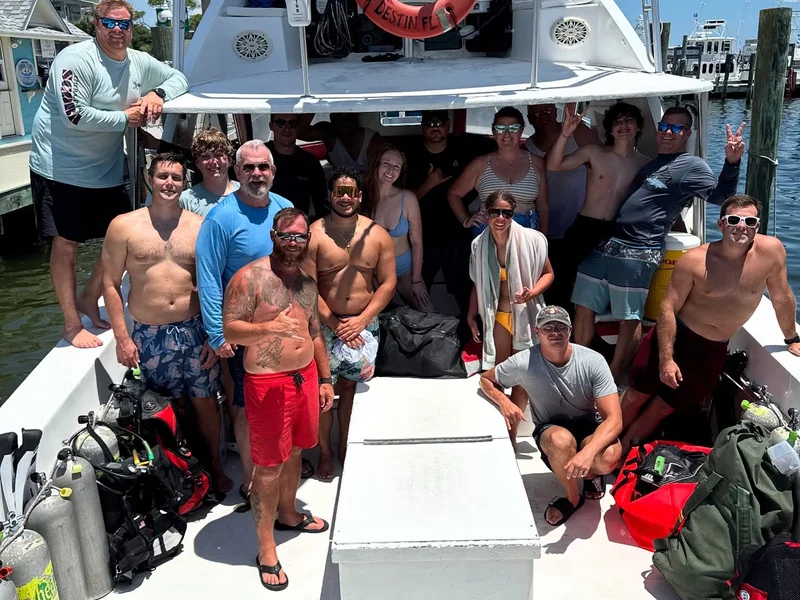
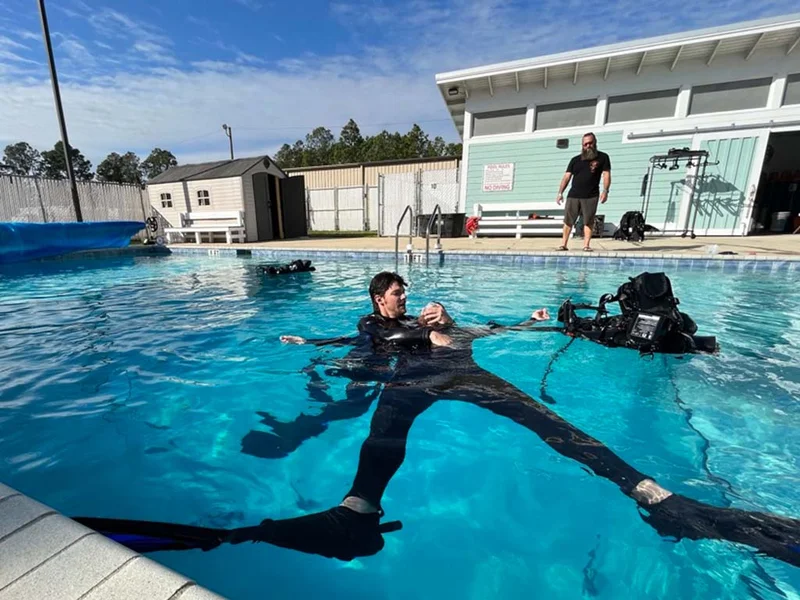
Dive Centers Near Nrda Phase 3 Cell 448
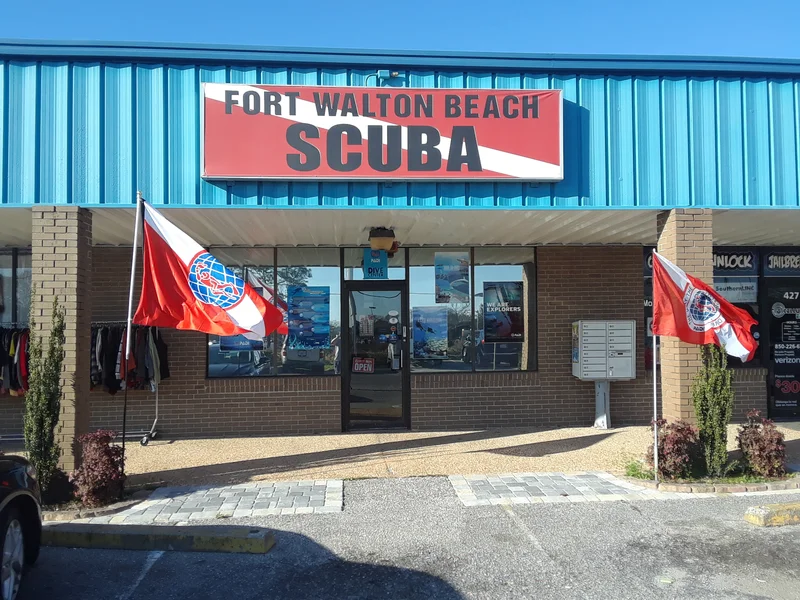
Today: 10:00 - 14:00
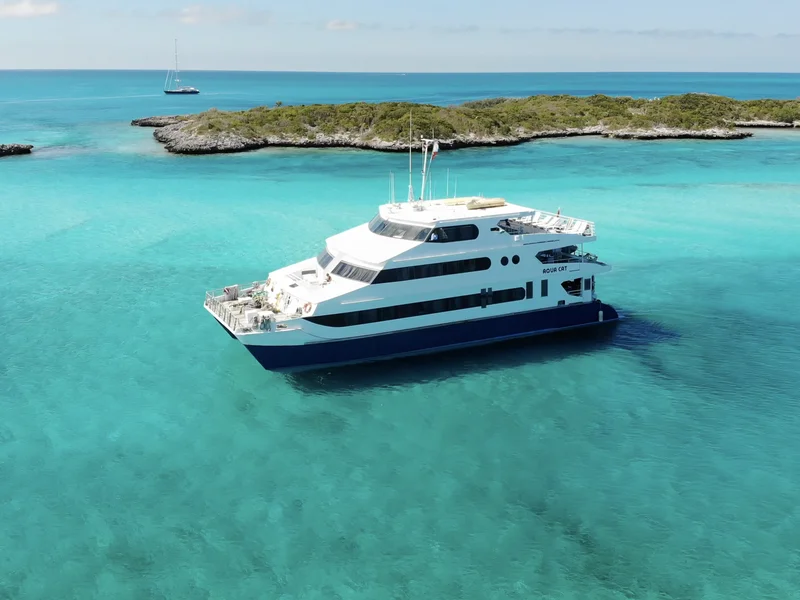
Nearest Airports
Nearest airports to help plan travel to this dive area.
Search Flights
Check available flights and routes on Expedia, using the nearby airports listed in this section.
Search Flights on Expedia
Plan Your Stay
Looking for a place to stay for your dive trip? Explore hotels, stays, and vacation rentals for dive groups near Gulf Breeze.
Dive Navigator may earn a commission from these links at no extra cost to you.
Frequently Asked Questions
What is NRDA Phase 3 Cell 448?
This site is part of the Deepwater Horizon Natural Resource Damage Assessment (NRDA) Early Restoration - Phase III program. It's an area designated for ecological recovery and observation.
What kind of diving is expected at this site?
Diving at NRDA Phase 3 Cell 448 is primarily observational and conservation-focused. Divers are encouraged to monitor and appreciate the ongoing environmental restoration efforts.
Are there specific depth limits for diving here?
Specific depth limits are not consistently reported for this site. Divers should assume recreational depth limits apply and consult local operators for any posted restrictions.
Is special permission required to dive NRDA Phase 3 Cell 448?
As a managed restoration site, it's advisable to check with local authorities or dive operators regarding any required permissions or access regulations before planning a dive.
What is the typical water visibility?
Water visibility at the site can vary significantly due to local conditions, weather patterns, and ongoing restoration activities. Divers should inquire about current visibility reports from local sources.
What kind of marine life might I see?
The marine life here is influenced by ongoing restoration. While not a traditional 'highlight' dive, visitors may observe foundational species indicative of an improving ecosystem.
Are strong currents common?
Current dynamics are a possibility at NRDA Phase 3 Cell 448. It is crucial for divers to verify current strength and direction with local dive operators on the day of their planned dive.
Planning to dive Nrda Phase 3 Cell 448?
Send one inquiry and receive offers directly from the best verified local dive operators.
Conditions are Excellent
07:00 - 14:00
Optimal conditions expected
Current conditions near Nrda Phase 3 Cell 448 show 29° air, 30° sea temperature, 0.4 m waves, and 19 km/h wind. Forecast data is refreshed regularly to ensure accuracy.