
Diving at Nrda Phase 3 Cell 503 (United States)
NRDA Phase 3 Cell 503 represents a specific area within the broader environmental recovery efforts initiated after the Deepwater Horizon oil spill. Located in the United States, this site falls under the Florida Restoration Area, part of the Natural Resource Damage Assessment (NRDA) process. It is one of 30 Florida projects from Phase III, which collectively received $105 million for ecological restoration. Divers approaching this location engage with a landscape actively shaped by historical environmental incidents and ongoing conservation strategies.
Evening condition tracking at Nrda Phase 3 Cell 503 features an air temperature of 29.5°C. We have recorded wave heights measuring 0.3 m during this period. These figures outline the environmental parameters currently present.
Dive Site Location & Key Facts
Dive Site Overview
As a designated component of the NRDA Phase III restoration plan, the topography of Cell 503 is primarily defined by its role in ecological recovery. While specific underwater structural details for this precise cell are not consistently reported, the broader restoration objectives in the Florida Restoration Area focus on improving nearshore and reef habitats.
This suggests a potential for evolving underwater terrain, possibly including newly introduced structures or enhanced natural formations designed to support marine ecosystems. The aim is to restore water quality and overall habitat health, rather than offering a pre-existing natural reef system. Future dives may reveal developing artificial reef components or rehabilitated natural seafloor, depending on the specific project interventions within this cell.
Divers can expect a unique opportunity to observe a site undergoing active environmental rehabilitation, where the underwater landscape is dynamic and purposeful.
Conditions are Good
07:00 - 14:00
Optimal conditions expected
Current conditions near Nrda Phase 3 Cell 503 show 30° air, 31° sea temperature, 0.6 m waves, and 24 km/h wind. Forecast data is refreshed regularly to ensure accuracy.
Best Time to Dive
Planning a dive at NRDA Phase 3 Cell 503 optimally aligns with periods offering calmer seas and better visibility. The climate data indicates the most favorable conditions typically occur from May through October, months consistently rated as 'Good' for diving. During July and August, wave heights are at their lowest, averaging around 0.6-0.7 m (2.0-2.3 ft), which usually translates to improved underwater clarity. Air temperatures during these months range from 24.5-29°C (76-84°F), making surface intervals comfortable. While water temperatures for this specific site are not consistently reported, ambient air temperatures suggest generally warm water. Conversely, winter months, especially January and February, present higher wave heights, wind speeds, and lower air temperatures, leading to moderate dive conditions. Rainfall remains relatively consistent year-round, so it's less of a seasonal factor for visibility.
PEAK SEASON SCORE
Scores combine air & water temps, waves, wind & rainfall for overall conditions.
BEST MONTHS TO DIVE
Monthly records compiled from satellite and marine observation nodes over the last 3 years. Data provided by Open-Meteo and MET Norway.
Dive Experience & Conditions
Given its designation as a restoration cell, the underwater experience at NRDA Phase 3 Cell 503 centers on observing a recovering environment within recreational depth limits. Precise depth profiles for this specific area are not available in current data. Water temperature information for the site is also not consistently reported; however, it typically mirrors the general coastal conditions in Florida, likely ranging from pleasant to warm depending on the season, consistent with the reported air temperatures. Divers may encounter varying degrees of water clarity, influenced by local weather patterns and sediment in motion, as wave heights and wind speeds fluctuate throughout the year. Currents can also vary with tidal movements and larger oceanic influences, so assessing conditions on the day of the dive is important. Being part of an active restoration project, conditions may also be shaped by ongoing monitoring or habitat enhancement activities in the surrounding waters.
Dive Difficulty & Safety Guidelines
When diving within the NRDA Phase 3 Cell 503 restoration area, maintaining situational awareness is crucial due to the potential for ongoing environmental work or changes in underwater structures. No specific hazards are reported for this precise location, but general safe diving practices apply. Divers should be mindful of boat traffic, which may be present as part of monitoring or maintenance activities related to the restoration project.
Always assess current conditions, including visibility and any potential currents, before entering the water. Adhering to your certification level and diving within a buddy team is essential.
Due to the nature of a restoration site, it's advisable to check with local dive operators or the relevant environmental authorities for any specific guidelines or temporary restrictions that may be in place.
Recommended Equipment
- Dive Computer
This gear list is based on verified equipment signals for Nrda Phase 3 Cell 503, United States. Always confirm final gear choices with your dive operator, guide, or liveaboard.
Recommended Dive Suit
In conditions like these, many divers prefer diving with dive skin or rash guard. A hood or vest is suggested for sensitive divers due to surface winds.
Divers planning a dive at Nrda Phase 3 Cell 503 today will likely encounter water temperatures close to 31°C (87°F). Surface air temperatures are resting at 30°C (85°F).
Environmental conditions appear stable for the near future.
Due to technical issues with our weather providers, data hasn't been fetched for over 48 hours. The data above reflects the conditions at the time of the last successful fetch.
Emergency & Medical Support
Essential information to help you plan your dive trip to NRDA Phase 3 Cell 503.

Hyperbaric chambers are a critical part of dive safety infrastructure. Availability varies significantly by region, and not all dive areas have immediate access.
Before diving, it's recommended to:
- confirm nearest medical facilities
- check emergency procedures with local dive operators
- ensure dive insurance covers evacuation if required
Divers Alert Network
Diving emergency assistance available through DAN World.
+1-919-684-9111- 24/7 emergency hotline
- Diving medical assistance
- Evacuation coordination
Emergency contacts are provided for reference. Always verify local emergency services before diving.
Marine Life at Nrda Phase 3 Cell 503
While specific marine life observations for NRDA Phase 3 Cell 503 are not detailed in available data, the broader Deepwater Horizon restoration initiatives, under which this cell falls, explicitly aim to replenish and protect wildlife. Efforts focus on species such as sea turtles, various marine mammals, and local fish populations, with an overarching goal to improve nearshore and reef habitats.
Divers here should approach the site with the understanding that they are observing an area dedicated to fostering ecological recovery. The presence of marine life would reflect the success of these ongoing habitat restoration endeavors, potentially attracting a diverse array of coastal species over time as the ecosystem continues to rehabilitate.
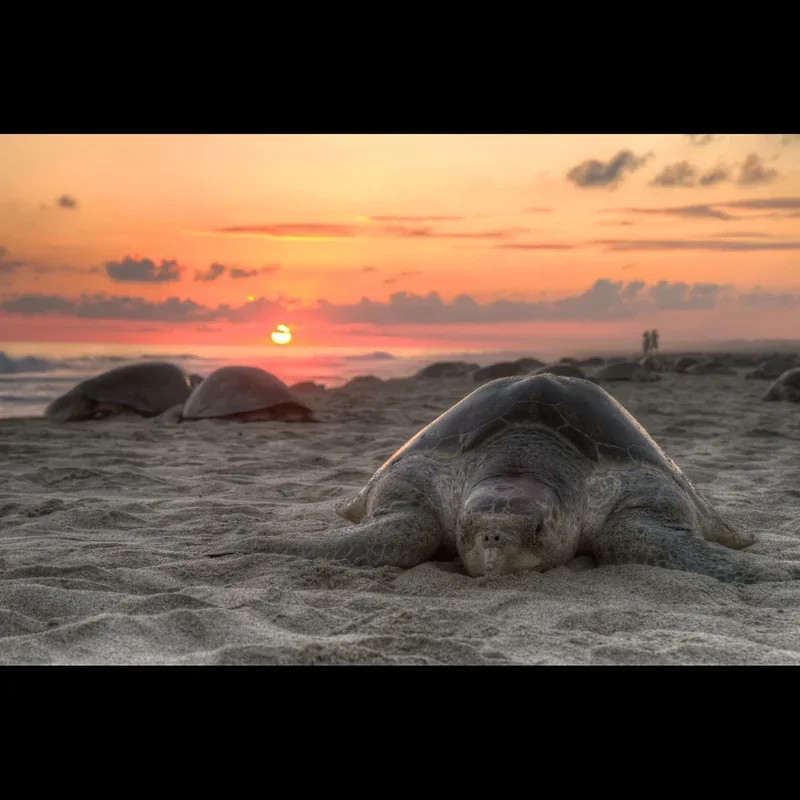
Dive Sites Near Nrda Phase 3 Cell 503
View all dive sites in United StatesDiscover more underwater gems in this area.
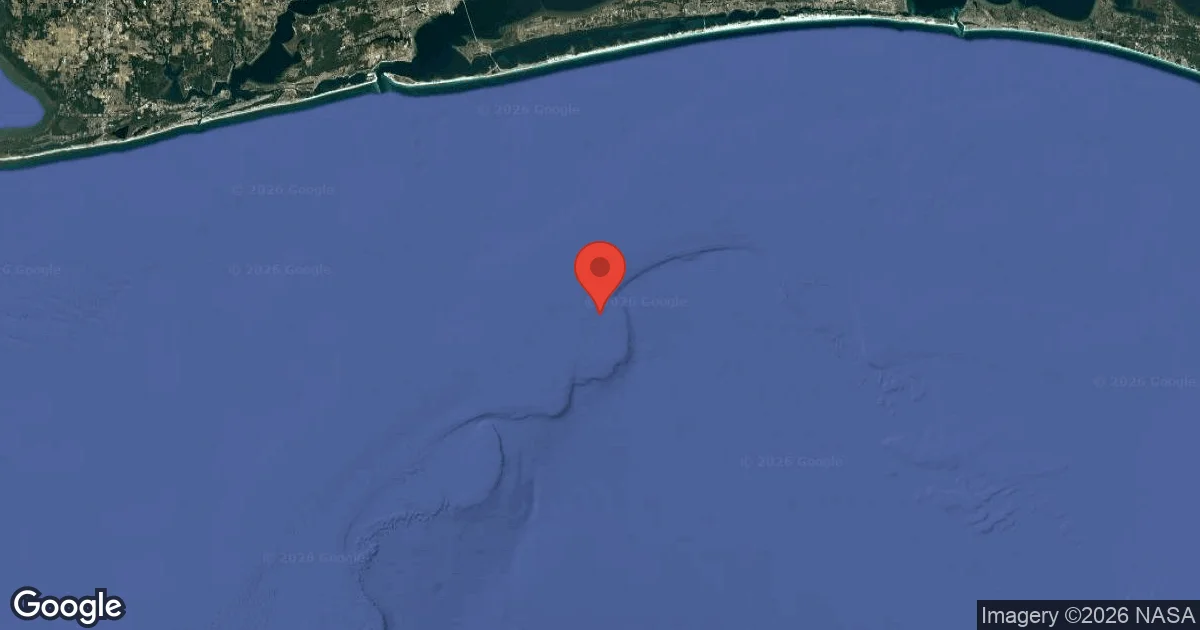
Dive Centers Near Nrda Phase 3 Cell 503
Today: 10:00 - 18:00
Nearest Airports
Nearest airports to help plan travel to this dive area.
Search Flights
Check available flights and routes on Expedia, using the nearby airports listed in this section.
Search Flights on Expedia
Plan Your Stay
Looking for a place to stay for your dive trip? Explore hotels, stays, and vacation rentals for dive groups near Gulf Breeze.
Dive Navigator may earn a commission from these links at no extra cost to you.
Frequently Asked Questions
What is the primary purpose of NRDA Phase 3 Cell 503?
Cell 503 is part of the Natural Resource Damage Assessment (NRDA) process, specifically under Phase III of the Deepwater Horizon oil spill restoration efforts. Its main objective is ecological restoration, focusing on improving nearshore and reef habitats within the Florida Restoration Area. Divers here are observing an active environmental rehabilitation zone.
Are there specific underwater structures to explore at Cell 503?
While specific underwater structural details for this exact cell are not consistently reported, the broader restoration objectives often include introducing or enhancing structures. Divers might encounter developing artificial reef components or rehabilitated natural seafloor, depending on the specific project interventions. The landscape is dynamic, designed to support marine ecosystems over time.
What kind of marine life can divers expect to see here?
Specific marine life observations for Cell 503 are not detailed in available data. However, the overarching restoration initiatives aim to replenish and protect species like sea turtles, marine mammals, and various fish populations. The presence of marine life reflects the success of these ongoing habitat restoration endeavors, potentially attracting a diverse array of coastal species over time.
What are the typical diving depths at NRDA Phase 3 Cell 503?
Precise depth profiles for this specific area are not available in current data. However, dives are generally conducted within recreational depth limits, aligning with the objectives of nearshore habitat restoration. This allows for observation of the recovering environment.
What are the water temperatures like at this site?
Water temperature information for Cell 503 is not consistently reported. It typically mirrors general coastal conditions in Florida, likely ranging from pleasant to warm depending on the season, aligning with reported air temperatures of 24.5-29°C (76-84°F) during warmer months. During colder months, temperatures would be lower.
Are there any specific safety considerations for diving at a restoration site?
Maintaining situational awareness is crucial, as ongoing environmental work or changes in underwater structures may occur. Divers should be mindful of potential boat traffic related to monitoring or maintenance activities. Checking with local dive operators or environmental authorities for specific guidelines or restrictions is always recommended.
When is the best time of year to dive NRDA Phase 3 Cell 503?
The most favorable conditions for diving typically occur from May through October, rated as 'Good' for diving. July and August often have the lowest wave heights, around 0.6-0.7 m (2.0-2.3 ft), leading to improved underwater clarity. Calm seas and good visibility are key during these months.
Planning to dive Nrda Phase 3 Cell 503?
Send one inquiry and receive offers directly from the best verified local dive operators.
Conditions are Good
07:00 - 14:00
Optimal conditions expected
Current conditions near Nrda Phase 3 Cell 503 show 30° air, 31° sea temperature, 0.6 m waves, and 24 km/h wind. Forecast data is refreshed regularly to ensure accuracy.