
Diving at Nrda Phase 3 Cell 504 (United States)
NRDA Phase 3 Cell 504 functions as a designated restoration area within the larger Gulf of Mexico ecosystem. The site is part of ongoing efforts to address natural resource injuries resulting from the Deepwater Horizon oil spill. Current state reflects a commitment to habitat recovery and ecological health in the region. Divers approaching this cell engage with a living part of an active environmental restoration initiative, underscoring the dynamic interplay between past impacts and future rehabilitation. This area holds significance for monitoring long-term environmental progress.
Early observations for Nrda Phase 3 Cell 504 report a surface air temperature of 31°C. The water surface is currently presenting wave heights of 1 m. Consider these environmental metrics before beginning your descent.
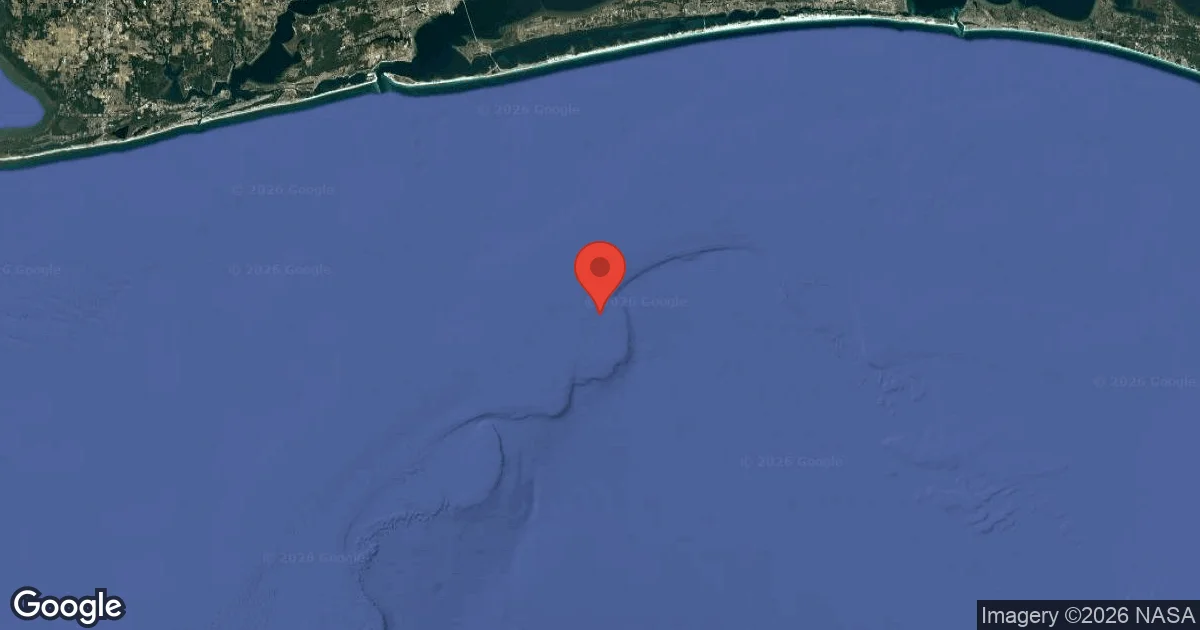
Dive Site Location & Key Facts
Dive Site Overview
Diving NRDA Phase 3 Cell 504 offers a distinctive perspective as an active environmental restoration site, rather than solely a natural reef or shipwreck. Located in the Gulf of Mexico, this site is specifically identified under the Deepwater Horizon Oil Spill Final Programmatic Damage Assessment and Restoration Plan.
It represents a dedicated area for natural resource recovery following significant historical impacts. Divers visiting the cell essentially experience an ecological recovery zone, an attribute setting it apart from many purely recreational dive spots. Underwater, a constantly evolving landscape directly results from ongoing rehabilitation efforts, influencing both developing structures and observed marine life patterns.
This dynamic environment encourages observation of transitional ecosystems. Visibility within the cell tends to vary, typically ranging from 10-20 m (33-66 ft), largely dependent on prevailing currents and suspended particulate matter.
While maximum depths generally remain within recreational limits, often around 25 m (82 ft), actual contours differ across the broader cell depending on the specific restoration components. Observing the deliberate establishment of new habitats and the gradual return of diverse species offers a tangible connection to the Gulf's resilience and active conservation work.
Understanding the site's purpose enhances the overall dive experience, transforming it into an interaction with a living ecological experiment.
Conditions are Excellent
07:00 - 14:00
Optimal conditions expected
Current conditions near Nrda Phase 3 Cell 504 show 31° air, 30° sea temperature, 0.5 m waves, and 18 km/h wind. Forecast data is refreshed regularly to ensure accuracy.
Best Time to Dive
Optimal diving conditions in the region typically occur during the warmer months, particularly from May through October. This period sees air temperatures ranging from 24.5-29°C (76-84°F), contributing to more comfortable surface intervals. Water temperatures in the Gulf of Mexico are generally milder, ranging from 22-29°C (72-84°F) throughout these months, though not consistently reported for this exact site. Wave heights are also typically lower, often around 0.6-0.8 meters (2-2.6 ft), which generally leads to calmer seas and better access. Wind speeds are more moderate, averaging 23-27 km/h (14-17 mph), further supporting stable boat conditions. While rain showers can occur, precipitation levels remain relatively low, ensuring clearer skies and improved visibility during these peak months. Divers planning visits outside this window, particularly in late fall or winter, should anticipate cooler air and water temperatures, with potentially rougher surface conditions due to increased wave action and higher wind speeds, making dives more challenging.
PEAK SEASON SCORE
Scores combine air & water temps, waves, wind & rainfall for overall conditions.
BEST MONTHS TO DIVE
Monthly records compiled from satellite and marine observation nodes over the last 3 years. Data provided by Open-Meteo and MET Norway.
Dive Experience & Conditions
As you descend into NRDA Phase 3 Cell 504, the experience shifts from typical Gulf waters to an engineered recovery landscape. Initial visibility can range from 10-20 m (33-66 ft), but conditions vary with local currents and sediment. Deeper sections reveal a substrate characterized by various man-made structures and materials deployed for habitat creation. These elements, part of restoration efforts, form the foundational framework for new biological communities. Divers might notice thermoclines, especially during warmer months, indicating distinct temperature layers. Water temperatures typically range from 22-29°C (72-84°F) in the upper column, cooling slightly in deeper areas, though precise gradients depend on the season. Calm to moderate currents are generally present, allowing for thorough exploration of developing habitats. The site isn't about dramatic drop-offs; instead, it's about observing the gradual re-establishment of a complex marine ecosystem. Max depth is typically around 25 m (82 ft).
Dive Difficulty & Safety Guidelines
Diving NRDA Phase 3 Cell 504 generally suits advanced open water divers due to potentially variable visibility and moderate currents. Navigation skills are beneficial given the array of restoration structures underwater. As an active environmental recovery project, the site means unforeseen debris or specialized structural elements might be present, requiring careful buoyancy control and attentiveness.
Maintaining a keen awareness of potential boat traffic is crucial, as the area may also see research or maintenance vessels in addition to dive boats. Divers should carry appropriate signaling devices, such as an SMB, and ensure dive plans thoroughly account for gas management given the maximum recreational depth.
It's essential to respect the integrity of all restoration components by avoiding contact or disturbance, as these elements are critical to the site's long-term ecological recovery. Always dive within your certification limits and consider conditions before entry.
Recommended Equipment
- Dive Computer
This gear list is based on verified equipment signals for Nrda Phase 3 Cell 504, United States. Always confirm final gear choices with your dive operator, guide, or liveaboard.
Recommended Dive Suit
Repeated dives during the same day can gradually reduce overall body warmth.
Environmental readings suggest that the waters surrounding Nrda Phase 3 Cell 504 are about 30°C (87°F) at the moment. Surface air temperatures are resting at 31°C (88°F). Divers spending extended time underwater often rely on dive skin or rash guard for balanced warmth and flexibility. Consider warmer surface protection (like a boat coat) due to brisk winds.
Weather models indicate a small drop in surface temperatures later this week. Cooler days are ahead; you might want a warmer option for later in the week. A thicker wetsuit may be worth considering for extended dives.
Due to technical issues with our weather providers, data hasn't been fetched for over 48 hours. The data above reflects the conditions at the time of the last successful fetch.
Emergency & Medical Support
Essential information to help you plan your dive trip to NRDA Phase 3 Cell 504.

Hyperbaric chambers are a critical part of dive safety infrastructure. Availability varies significantly by region, and not all dive areas have immediate access.
Before diving, it's recommended to:
- confirm nearest medical facilities
- check emergency procedures with local dive operators
- ensure dive insurance covers evacuation if required
Divers Alert Network
Diving emergency assistance available through DAN World.
+1-919-684-9111- 24/7 emergency hotline
- Diving medical assistance
- Evacuation coordination
Emergency contacts are provided for reference. Always verify local emergency services before diving.
Marine Life at Nrda Phase 3 Cell 504
What you'll first notice at NRDA Phase 3 Cell 504 is the emerging marine life colonizing the deployed restoration structures. Over time, these materials begin attracting various Gulf species, including juvenile reef fish, small crustaceans, and invertebrates.
Patches of algae and early-stage corals are often observed adhering to surfaces, signifying the early stages of habitat development. Larger pelagic species may occasionally pass through the area.
While not a dense coral reef, the site offers a glimpse into how marine ecosystems naturally rebuild when provided with structural complexity. Observing the subtle changes in species diversity and abundance provides insight into the ongoing ecological recovery processes within this designated area.
Dive Sites Near Nrda Phase 3 Cell 504
View all dive sites in United StatesDiscover more underwater gems in this area.
Dive Centers Near Nrda Phase 3 Cell 504
Today: 10:00 - 18:00
Nearest Airports
Nearest airports to help plan travel to this dive area.
Search Flights
Check available flights and routes on Expedia, using the nearby airports listed in this section.
Search Flights on Expedia
Plan Your Stay
Looking for a place to stay for your dive trip? Explore hotels, stays, and vacation rentals for dive groups near Gulf Breeze.
Dive Navigator may earn a commission from these links at no extra cost to you.
Frequently Asked Questions
What is NRDA Phase 3 Cell 504?
NRDA Phase 3 Cell 504 is a specific area in the Gulf of Mexico, part of a natural resource damage assessment and restoration plan. It's an active site where efforts are underway to restore marine habitats impacted by the Deepwater Horizon oil spill.
What is the purpose of this dive site?
The primary purpose of this site is ecological restoration. Materials are strategically placed to create new habitats, attracting marine life and fostering ecosystem recovery. It serves as a living laboratory for observing habitat rehabilitation.
What kind of visibility can I expect?
Visibility at this site varies considerably, typically ranging from 10-20 m (33-66 ft). It largely depends on environmental factors like recent weather events, currents, and suspended sediment. Conditions can change rapidly.
What depths are typical here?
Depths at NRDA Phase 3 Cell 504 generally fall within recreational limits. Divers can typically expect to explore areas down to about 25 m (82 ft), with shallower sections also available for observation.
Is special certification required for this site?
An Advanced Open Water certification is generally recommended due to potentially variable conditions and the nature of the restoration structures. Good buoyancy control and navigation skills are advantageous.
Can I collect souvenirs from this site?
No, collecting souvenirs or disturbing any materials at NRDA Phase 3 Cell 504 is strictly prohibited. It's an active restoration site, and all components are vital to its ecological recovery. Divers should observe only.
What marine life is commonly seen?
Commonly observed marine life includes various juvenile reef fish, small crustaceans, and invertebrates. Algae and early-stage coral growth on restoration structures are also frequently present. Occasional pelagic species might pass through.
How do currents usually behave at this site?
Currents at this site are generally calm to moderate. However, strong currents can develop depending on weather systems and tidal influences. It's prudent for divers to check local conditions before planning a dive.
Planning to dive Nrda Phase 3 Cell 504?
Send one inquiry and receive offers directly from the best verified local dive operators.
Conditions are Excellent
07:00 - 14:00
Optimal conditions expected
Current conditions near Nrda Phase 3 Cell 504 show 31° air, 30° sea temperature, 0.5 m waves, and 18 km/h wind. Forecast data is refreshed regularly to ensure accuracy.