
Diving at Nrda Phase 3 Cell 513 (United States)
Navigating the intent behind NRDA Phase 3 Cell 513 requires understanding its role within the Deepwater Horizon Early Restoration Program. This specific cell functions as a designated area for ongoing ecological recovery initiatives, aimed at remediating natural resource injuries in the Gulf. Divers approaching this location should recognize it as an active restoration zone, rather than a traditional recreational dive site. Its primary purpose centers on environmental repair and monitoring.
As evening covers Nrda Phase 3 Cell 513, the local air temperature is measured at 28.5°C. The current wave height at the surface is recorded at 0.9 m. These late-day readings characterize the surface conditions for the night.
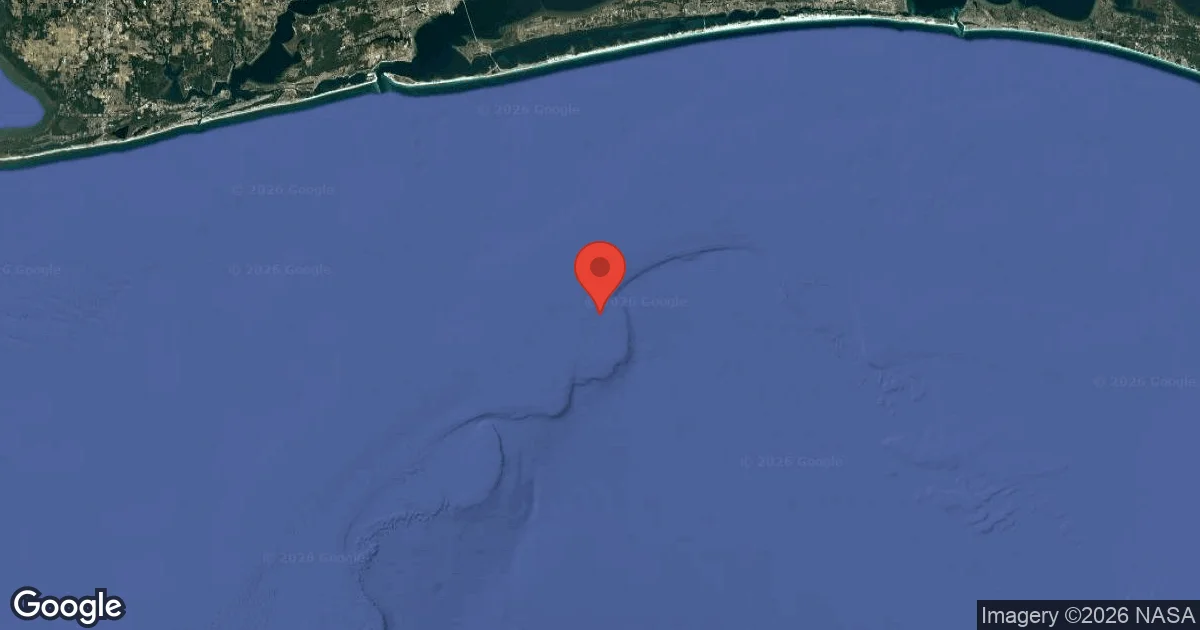
Dive Site Location & Key Facts
Dive Site Overview
Unveiling the complexities of NRDA Phase 3 Cell 513 means looking beyond a typical dive destination. It forms part of a broader, multi-million dollar early restoration effort following the Deepwater Horizon oil spill, focusing on natural resource recovery across Gulf states.
While precise dive-specific details for Cell 513 are limited, the area's designation within Phase III points to its role in habitat rehabilitation. This comprehensive program, funded by a global settlement, outlines numerous projects; some involve physical alterations to the marine environment, such as living shorelines or artificial reef creation in other identified zones like off the Texas Coast.
Divers won't find established dive shops or detailed maps for this particular 'cell,' as it's primarily an environmental management zone. Observing an environment in recovery and understanding the scope of large-scale environmental repair defines the experience here, rather than exploring vibrant coral gardens.
Water temperatures in the wider Gulf region can fluctuate significantly throughout the year, with surface averages ranging from cooler values of approximately 13°C (55°F) in January to warmer peaks near 29°C (84°F) in August. Visibility often varies depending on local currents, sediment loads, and ongoing restoration activity.
Any exploration of such zones would necessitate prior coordination and a clear understanding of ongoing environmental work and research protocols.
Conditions are Excellent
07:00 - 14:00
Optimal conditions expected
Current conditions near Nrda Phase 3 Cell 513 show 29° air, 30° sea temperature, 0.5 m waves, and 22 km/h wind. Forecast data is refreshed regularly to ensure accuracy.
Best Time to Dive
While many consider late spring through early fall as optimal for diving in the broader Gulf of Mexico, conditions at a restoration area like NRDA Phase 3 Cell 513 can be more nuanced. Climate data indicates the warmer months, specifically May through October, generally offer 'Good' dive scores, characterized by milder wind speeds and wave heights. During this period, air temperatures typically range from 24°C (75°F) in May to highs of 29°C (84°F) in August, creating comfortable surface conditions. Rainfall tends to be higher in late summer and early fall, with September showing averages of 4.78 mm (0.19 inches); this might affect surface visibility due to runoff. Winter months, from November to April, often present 'Moderate' dive scores. Air temperatures can drop to 13°C (56°F) in January, and wave heights are generally higher, increasing the potential for choppier seas. Planning around calmer weather windows, regardless of the season, remains paramount given the dynamic nature of offshore locations in the Gulf.
PEAK SEASON SCORE
Scores combine air & water temps, waves, wind & rainfall for overall conditions.
BEST MONTHS TO DIVE
Monthly records compiled from satellite and marine observation nodes over the last 3 years. Data provided by Open-Meteo and MET Norway.
Dive Experience & Conditions
Divers approaching this area, designated as NRDA Phase 3 Cell 513, should anticipate an environment actively managed for restoration rather than one offering traditional dive site amenities. Observation would be a primary experience here, potentially witnessing the impacts of previous environmental damage and subsequent recovery efforts. Depths are not explicitly defined for this 'cell'; however, many Gulf restoration projects occur within recreational depth ranges. Varying significantly, visibility can be influenced by currents, turbidity from nearby coastal activities, and the dynamic nature of restoration work. Without specific water temperature data for this exact location, divers should prepare for conditions consistent with the wider Gulf, which can range widely. Moderate wind speeds, averaging around 23-35 km/h (14-22 mph) throughout the year, might affect surface conditions, potentially leading to choppy seas. Any dive here would likely involve scientific or conservation-oriented objectives, requiring careful planning and permission.
Dive Difficulty & Safety Guidelines
Safety in this evolving restoration zone, NRDA Phase 3 Cell 513, necessitates heightened awareness of its primary purpose. This isn't a leisure site, meaning divers should operate under strict protocols, assuming no typical safety infrastructure like mooring lines or emergency services are readily available. Always confirm access and any operational restrictions with relevant authorities before planning any in-water activity.
Water conditions in the Gulf of Mexico can shift rapidly; divers must monitor marine forecasts closely, particularly regarding wave heights which can average over 1 meter (3 feet) during various months. Strong currents might be present, varying unpredictably.
Given its context as a restoration area, unknown submerged structures or ongoing work could pose hazards. Adequate boat support, emergency communication devices, and conservative dive planning are essential.
Recommended Equipment
- Dive Computer
This gear list is based on verified equipment signals for Nrda Phase 3 Cell 513, United States. Always confirm final gear choices with your dive operator, guide, or liveaboard.
Recommended Dive Suit
Forecast models show minimal temperature variation in the coming days.
Thermal protection such as dive skin or rash guard is commonly used in similar temperatures. Consider warmer surface protection (like a boat coat) due to brisk winds.
Recent environmental data from Nrda Phase 3 Cell 513 indicates water temperatures near 30°C (86°F). Surface air temperatures are resting at 29°C (84°F).
Emergency & Medical Support
Essential information to help you plan your dive trip to NRDA Phase 3 Cell 513.

Hyperbaric chambers are a critical part of dive safety infrastructure. Availability varies significantly by region, and not all dive areas have immediate access.
Before diving, it's recommended to:
- confirm nearest medical facilities
- check emergency procedures with local dive operators
- ensure dive insurance covers evacuation if required
Divers Alert Network
Diving emergency assistance available through DAN World.
+1-919-684-9111- 24/7 emergency hotline
- Diving medical assistance
- Evacuation coordination
Emergency contacts are provided for reference. Always verify local emergency services before diving.
Marine Life at Nrda Phase 3 Cell 513
Entering the waters of this restoration area, one would primarily observe an ecosystem in a state of recovery and adaptation. While specific data for NRDA Phase 3 Cell 513 isn't available, the broader Deepwater Horizon restoration efforts aim to enhance habitats that support diverse Gulf marine life.
This includes promoting the return of fish populations, various invertebrates, and benthic organisms that colonize the seafloor. Observations might focus on smaller, foundational species and the gradual re-establishment of complex food webs.
Patience is key, as significant populations of larger, more charismatic megafauna like pelagic fish or large sharks are less consistently reported in zones directly undergoing early restoration work compared to established, pristine dive sites.
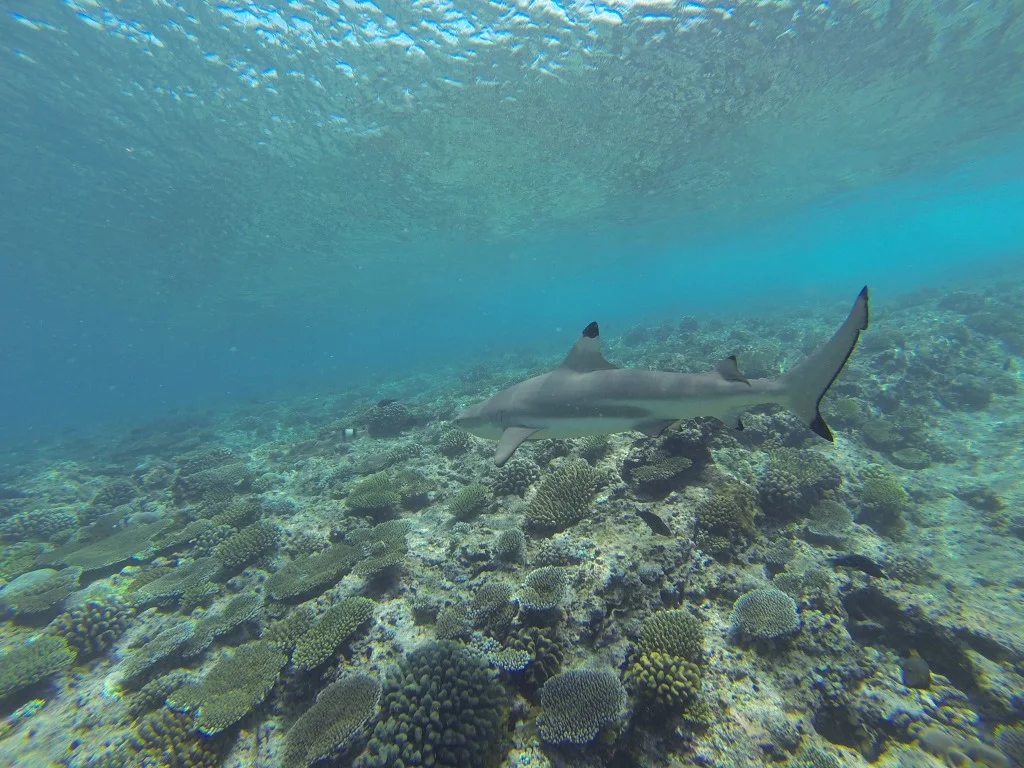
Dive Sites Near Nrda Phase 3 Cell 513
View all dive sites in United StatesDiscover more underwater gems in this area.
Dive Centers Near Nrda Phase 3 Cell 513
Today: 10:00 - 18:00
Nearest Airports
Nearest airports to help plan travel to this dive area.
Search Flights
Check available flights and routes on Expedia, using the nearby airports listed in this section.
Search Flights on Expedia
Plan Your Stay
Looking for a place to stay for your dive trip? Explore hotels, stays, and vacation rentals for dive groups near Gulf Breeze.
Dive Navigator may earn a commission from these links at no extra cost to you.
Frequently Asked Questions
What is NRDA Phase 3 Cell 513?
It's a designated area within the Deepwater Horizon Natural Resource Damage Assessment (NRDA) Early Restoration Program's Phase III. This program focuses on restoring natural resources in the Gulf of Mexico damaged by the oil spill.
Is NRDA Phase 3 Cell 513 a recreational dive site?
No, it is not described as a traditional recreational dive site. Its primary function is for environmental restoration and monitoring. Divers interested in visiting should understand it as an active recovery zone.
What kind of restoration activities are happening at Cell 513?
While specific activities for Cell 513 aren't detailed, the broader Phase III plan includes projects like beach habitat restoration, living shorelines, and artificial reef creation in other parts of the Gulf states. It's part of a comprehensive ecological repair initiative.
What are the typical water conditions in this region?
Water temperature data for this exact cell is not available. However, in the wider Gulf of Mexico, surface temperatures can range from approximately 13°C (55°F) in winter to 29°C (84°F) in summer. Visibility varies greatly with currents and restoration activity.
When is the best time to visit such restoration areas?
The period from May to October generally offers milder surface conditions, with air temperatures up to 29°C (84°F) and lower wave heights. However, planning must always prioritize calm weather windows, as conditions can change quickly.
Are there any specific hazards to be aware of?
Divers should be aware of potential strong currents, variable visibility, and the possibility of encountering unmarked submerged restoration infrastructure. There is no typical dive site safety support. Permission and thorough planning are crucial.
What kind of marine life might be observed?
Observations would primarily focus on an ecosystem in recovery. Divers might see foundational species and early stages of habitat re-establishment, rather than large concentrations of diverse megafauna typically found at established, pristine dive sites.
Planning to dive Nrda Phase 3 Cell 513?
Send one inquiry and receive offers directly from the best verified local dive operators.
Conditions are Excellent
07:00 - 14:00
Optimal conditions expected
Current conditions near Nrda Phase 3 Cell 513 show 29° air, 30° sea temperature, 0.5 m waves, and 22 km/h wind. Forecast data is refreshed regularly to ensure accuracy.