
Diving at Nrda Phase 3 Cell 517 (United States)
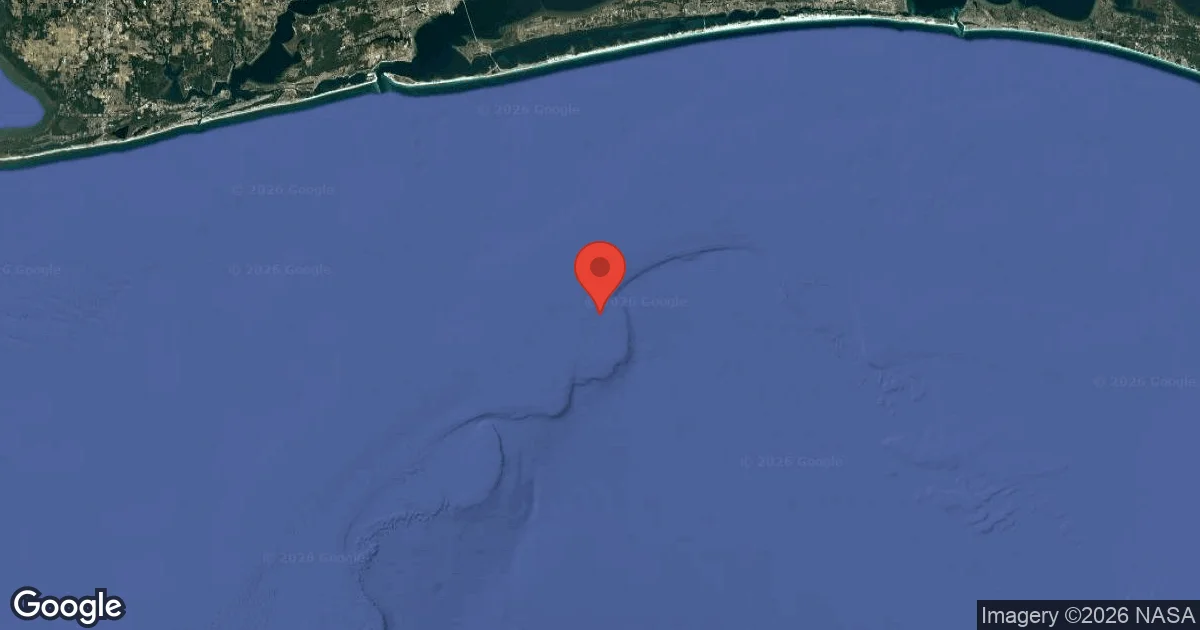
NRDA Phase 3 Cell 517 represents a designated area within the broader Deepwater Horizon Early Restoration efforts in the U.S. Gulf of Mexico. It is an integral part of projects aimed at restoring natural resources and enhancing coastal habitats following environmental impacts. While specific underwater topographical details for Cell 517 are not consistently reported, such restoration sites typically feature a mix of natural seabed and introduced structures designed to rehabilitate marine environments and improve public access for recreational opportunities, including diving.
Afternoon measurements for Nrda Phase 3 Cell 517 show the air has reached 29°C. The recorded surface conditions at this location feature wave heights of 0.5 m. These metrics are updated to reflect the ongoing daily shifts.
Dive Site Location & Key Facts
Dive Site Overview
Consider a dive at NRDA Phase 3 Cell 517 as an exploration of active marine restoration efforts within the U.S. Gulf of Mexico. This specific area represents a critical component of the comprehensive Deepwater Horizon Early Restoration program, designed to recover and enhance natural resources across the Gulf states that were impacted by the oil spill.
Such initiatives frequently involve the strategic creation of new habitats, the careful restoration of degraded areas, or actions facilitating the return of diverse marine life. While precise underwater topographical charts for Cell 517 are not always widely distributed for recreational divers, expect a varied subsea environment. This might include purpose-built artificial reef structures, designed to offer substrate and shelter, alongside restored seabed areas specifically contoured to foster greater biodiversity.
Diving here offers more than simple observation; it provides a direct connection to a living example of long-term environmental commitment and recovery. Conditions in the Gulf can be dynamic, reflecting its powerful natural processes, which means visibility and currents can vary.
However, when conditions are favorable, divers gain the opportunity to observe these evolving restoration landscapes firsthand, often within recreational depths typically reaching 30 m (100 ft) or shallower. It's a chance to witness an ecosystem in transition.
Conditions are Excellent
07:00 - 14:00
Optimal conditions expected
Current conditions near Nrda Phase 3 Cell 517 show 29° air, 30° sea temperature, 0.5 m waves, and 21 km/h wind. Forecast data is refreshed regularly to ensure accuracy.
Best Time to Dive
Choosing the optimal time to dive NRDA Phase 3 Cell 517 involves weighing seasonal conditions. For the best experience, aim for the months from February through October, when dive scores are consistently rated 'Good'. During this period, average air temperatures are notably warmer, ranging from 15.5°C (60°F) in February to a peak of 29°C (84°F) in August. Wave heights are generally lower in these months, particularly from July to September, reducing surface chop. While water temperature data is not consistently reported for this specific site, warmer air temperatures suggest more comfortable diving conditions during these months. In contrast, November through April often sees a 'Moderate' dive score. Air temperatures during these months are cooler, dropping to an average of 13°C (55°F) in January; wave heights tend to be slightly higher, which can lead to less favorable surface conditions. Rainfall remains relatively stable throughout the year, so it isn't a primary factor dictating seasonal preference. Planning your visit for the 'Good' season allows for a more relaxed and potentially clearer dive into this restoration area.
PEAK SEASON SCORE
Scores combine air & water temps, waves, wind & rainfall for overall conditions.
BEST MONTHS TO DIVE
Monthly records compiled from satellite and marine observation nodes over the last 3 years. Data provided by Open-Meteo and MET Norway.
Dive Experience & Conditions
Entering the waters around NRDA Phase 3 Cell 517 will immerse you in a dynamic Gulf environment. Visibility at restoration sites like this varies significantly, influenced by currents, recent weather, and biological activity. Water temperature data is not consistently reported for this specific location, but general Gulf trends suggest warmer conditions in summer and cooler temperatures in winter. Depths in designated restoration cells are often within recreational limits, typically extending to around 30 m (100 ft) or shallower, making these sites accessible to a range of certified divers. Current can also vary, necessitating careful dive planning. These areas are designed to promote marine life, so even with moderate visibility, patient observation often rewards divers with glimpses of species utilizing the restored habitats. It's an experience of discovery, watching a recovering environment unfold.
Dive Difficulty & Safety Guidelines
Navigating a dive at NRDA Phase 3 Cell 517 requires adherence to standard safety practices and a mindful approach to its restoration purpose. Given the dynamic nature of the Gulf of Mexico, conditions can change rapidly; therefore, continuous monitoring of weather and sea states is crucial. Stronger currents can pose a challenge, making it important to carry appropriate signaling devices and ensure your dive plan accounts for potential drift.
There are no specific hazards reported for Cell 517, but as with any active restoration site, divers should avoid disturbing any placed structures or emerging habitats. Maintaining neutral buoyancy is always key here to prevent accidental damage to sensitive areas.
Always dive within your certification limits and consider diving with a local guide who understands regional conditions and the specific nuances of restoration zones.
Recommended Equipment
- Dive Computer
This gear list is based on verified equipment signals for Nrda Phase 3 Cell 517, United States. Always confirm final gear choices with your dive operator, guide, or liveaboard.
Recommended Dive Suit
Recent conditions suggest the water at Nrda Phase 3 Cell 517 remains near 30°C (86°F), offering typical conditions for the area. Surface air temperatures are resting at 29°C (85°F).
Current forecasts indicate relatively stable conditions for the coming days.
Most divers exploring waters at this temperature rely on dive skin or rash guard for effective insulation. Water temperature is only one factor influencing overall comfort during a dive.
Emergency & Medical Support
Essential information to help you plan your dive trip to NRDA Phase 3 Cell 517.

Hyperbaric chambers are a critical part of dive safety infrastructure. Availability varies significantly by region, and not all dive areas have immediate access.
Before diving, it's recommended to:
- confirm nearest medical facilities
- check emergency procedures with local dive operators
- ensure dive insurance covers evacuation if required
Divers Alert Network
Diving emergency assistance available through DAN World.
+1-919-684-9111- 24/7 emergency hotline
- Diving medical assistance
- Evacuation coordination
Emergency contacts are provided for reference. Always verify local emergency services before diving.
Marine Life at Nrda Phase 3 Cell 517
The underwater landscape of NRDA Phase 3 Cell 517, as a restoration site, is specifically designed to attract and support a range of marine species. While specific highlights are not reported, expect to observe a developing ecosystem rather than an established biodiversity hotspot.
As new habitats mature, divers may encounter various reef fish, crustaceans, and mollusks making use of the introduced structures or recovering seabed. Mobile species like smaller pelagic fish could pass through.
The focus here is on the gradual return and establishment of a healthy food web within a recovering environment, offering a chance to witness the early stages of a revitalized marine habitat.
Dive Sites Near Nrda Phase 3 Cell 517
View all dive sites in United StatesDiscover more underwater gems in this area.
Dive Centers Near Nrda Phase 3 Cell 517
Today: 10:00 - 18:00
Nearest Airports
Nearest airports to help plan travel to this dive area.
Search Flights
Check available flights and routes on Expedia, using the nearby airports listed in this section.
Search Flights on ExpediaFrequently Asked Questions
Is NRDA Phase 3 Cell 517 an artificial reef?
It's part of a restoration project, which often involves creating new habitats or enhancing existing ones, potentially including artificial structures. Specific details on Cell 517's exact composition aren't consistently reported for recreational diving, but it's focused on ecological recovery.
What is the typical depth range for diving at Cell 517?
Dive depths at restoration sites in the Gulf are generally within recreational limits. You can typically expect shallower sections and deeper sections reaching around 30 m (100 ft).
Can I expect clear visibility at this site?
Visibility in the Gulf of Mexico, especially at restoration sites, can vary considerably. It depends on factors like currents, recent weather, and biological activity, so prepare for moderate conditions.
What kind of marine life might I see?
As an active restoration site, marine life is expected to be in a state of recovery and growth. You might observe various reef fish, crustaceans, and other invertebrates colonizing the developing habitats.
Are there strong currents at NRDA Phase 3 Cell 517?
Currents in the Gulf of Mexico can be variable and occasionally strong. Always check local conditions before diving and carry appropriate signaling devices.
Is special equipment required for diving here?
A dive light is useful for exploring and enhancing colors, and a surface marker buoy (SMB) is recommended due to potentially variable currents and conditions typical of open Gulf sites.
What is the best season for diving this site?
The months from February through October generally offer better diving conditions with warmer air temperatures and calmer seas, leading to a "Good" dive score according to climate data.
What is the purpose of NRDA Phase 3 Cell 517?
It's a specific area within the Deepwater Horizon Early Restoration program. Its purpose is to restore natural resources and services injured or lost due to the oil spill.
Planning to dive Nrda Phase 3 Cell 517?
Send one inquiry and receive offers directly from the best verified local dive operators.
Conditions are Excellent
07:00 - 14:00
Optimal conditions expected
Current conditions near Nrda Phase 3 Cell 517 show 29° air, 30° sea temperature, 0.5 m waves, and 21 km/h wind. Forecast data is refreshed regularly to ensure accuracy.