
Diving at Peggy Diana (United States)
Approaching Peggy Diana, divers should anticipate exploring a distinct underwater structure, characteristic of a reef environment. While specific details might not be broadly publicized, preparing for a temperate North Atlantic experience is a practical starting point. This site offers an opportunity for discovery within the New Jersey reef system.
Early observations for Peggy Diana report a surface air temperature of 21°C. The water surface is currently presenting wave heights of 0.6 m. Consider these environmental metrics before beginning your descent.
Dive Site Location & Key Facts
Dive Site Overview
Peggy Diana, recognized within the New Jersey reef initiatives, represents a constructed habitat designed to foster marine ecosystems. Given its designation as part of the broader New Jersey artificial reef program by NJDEP's Division of Fish and Wildlife, divers can expect to encounter submerged structures intended to attract and support marine life.
Depths at such sites typically fall within recreational limits, often extending to around 20-30 meters (65-100 ft). The exact layout or composition of the reef structure here is not consistently reported, but these sites generally feature a mix of materials, providing varied surfaces for encrusting organisms. Exploring these structures allows divers to observe how artificial substrates integrate into the natural seabed, becoming focal points for fish and invertebrates.
The dive experience focuses on navigating around these structures, which may include larger components or scattered debris, creating an intriguing underwater landscape for exploration.
Conditions are Good
Optimal conditions expected
Current conditions near Peggy Diana show 21° air, 24° sea temperature, 1.0 m waves, and 30 km/h wind. Forecast data is refreshed regularly to ensure accuracy.
Best Time to Dive
Planning a dive at Peggy Diana, divers will find the most favorable conditions during the warmer months, specifically July and August, when the dive score is rated 'Good'. Air temperatures are highest then, reaching an average of 24°C (75°F) in July, making surface intervals more comfortable. Wave heights during these months also tend to be lower, averaging around 1.0 meters (3.3 ft) in July, contributing to calmer boat rides and easier entries. Wind speeds are also at their lowest, typically around 27.8 km/h (17.3 mph) in July. Outside of this peak summer window, conditions are rated 'Moderate', with air temperatures ranging from 2.5°C (36°F) in January to 21.5°C (71°F) in September. Divers during these moderate periods should prepare for cooler surface conditions, higher waves up to 1.5 meters (4.9 ft) in March, and stronger winds, especially from September through April. Rain is relatively low year-round, but can see slight increases in winter.
PEAK SEASON SCORE
Scores combine air & water temps, waves, wind & rainfall for overall conditions.
BEST MONTHS TO DIVE
Monthly records compiled from satellite and marine observation nodes over the last 3 years. Data provided by Open-Meteo and MET Norway.
Dive Experience & Conditions
Descending into Peggy Diana's waters, divers will encounter a temperate marine environment where conditions can fluctuate. Water temperature is not consistently reported, requiring divers to be prepared for cooler conditions, typical of the US Northeast. Visibility can vary significantly depending on recent weather, local currents, and biological activity, often improving outside of periods of heavy runoff or strong winds. Currents may be present, influencing drift patterns and requiring careful planning, especially around any prominent structures. Exploring this reef involves navigating around its contours, providing a tangible sense of discovery. The feeling of the water and the marine environment here emphasizes adaptability, as divers adjust to the prevailing conditions to fully appreciate the site's offerings.
Dive Difficulty & Safety Guidelines
Ensuring a safe dive at Peggy Diana requires adherence to general best practices. Always plan your dive thoroughly, considering your certification level and current sea conditions, which can change rapidly in temperate waters. Dive with a buddy and maintain awareness of your surroundings, especially regarding any potential currents or changing visibility.
Given the limited specific data available for this site, obtaining up-to-date local knowledge from dive operators or experienced local divers before entry is crucial. Properly weighted and equipped, divers should prioritize conservative dive profiles and ascent rates. Familiarity with temperate water diving protocols is advised.
Recommended Equipment
- Dive Computer
This gear list is based on verified equipment signals for Peggy Diana, United States. Always confirm final gear choices with your dive operator, guide, or liveaboard.
Recommended Dive Suit
Forecast conditions over the next few days suggest temperatures will remain relatively stable.
Divers who prefer a balanced level of warmth often select 3-5mm wetsuit in water temperatures like this. Surface intervals may feel cooler.
At Peggy Diana, the water is currently sitting around 24°C (74°F). Surface air temperatures are resting at 21°C (70°F).
Due to technical issues with our weather providers, data hasn't been fetched for over 48 hours. The data above reflects the conditions at the time of the last successful fetch.
Emergency & Medical Support
Essential information to help you plan your dive trip to Peggy Diana.

Hyperbaric chambers are a critical part of dive safety infrastructure. Availability varies significantly by region, and not all dive areas have immediate access.
Before diving, it's recommended to:
- confirm nearest medical facilities
- check emergency procedures with local dive operators
- ensure dive insurance covers evacuation if required
Divers Alert Network
Diving emergency assistance available through DAN World.
+1-919-684-9111- 24/7 emergency hotline
- Diving medical assistance
- Evacuation coordination
Emergency contacts are provided for reference. Always verify local emergency services before diving.
Marine Life at Peggy Diana
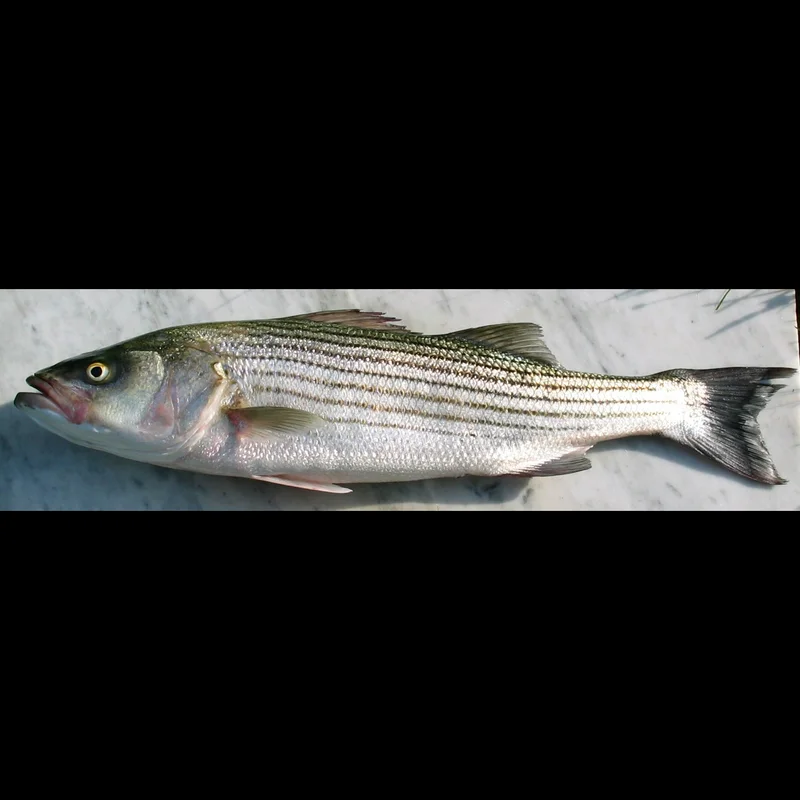
While specific marine life populations for Peggy Diana are not explicitly detailed, temperate reefs in the New Jersey area typically host a diverse range of species. Divers exploring these structures may observe various cold-water fish, including black sea bass, tautog, and cunner, which often seek shelter within the reef's nooks and crannies.
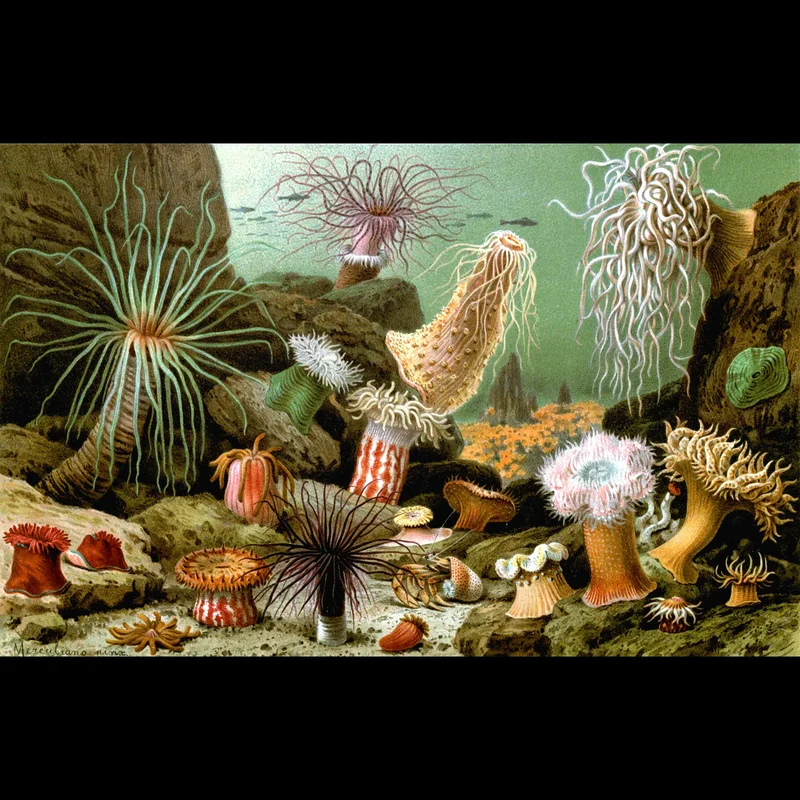
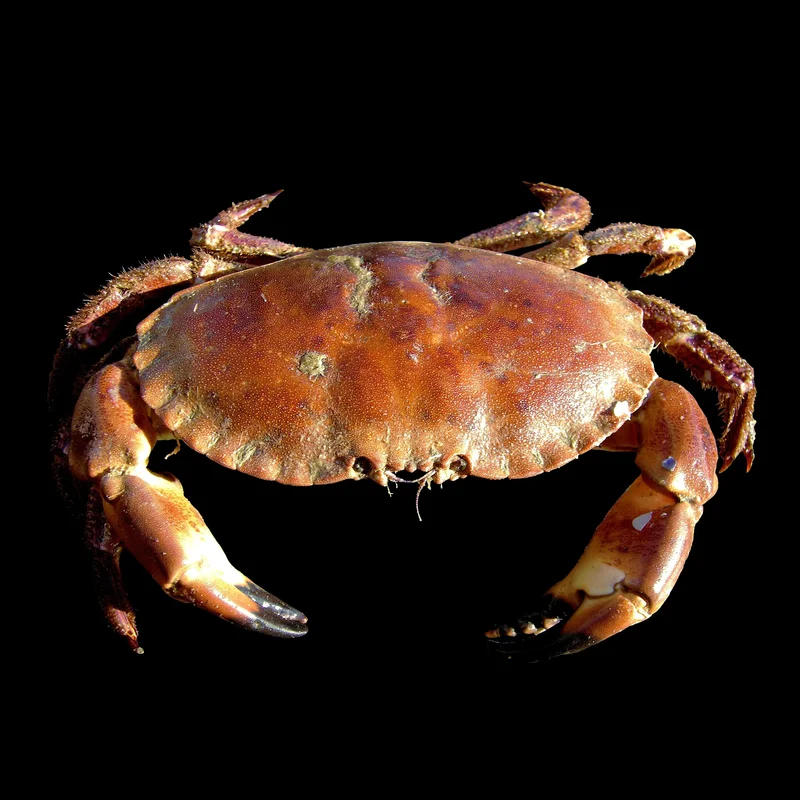
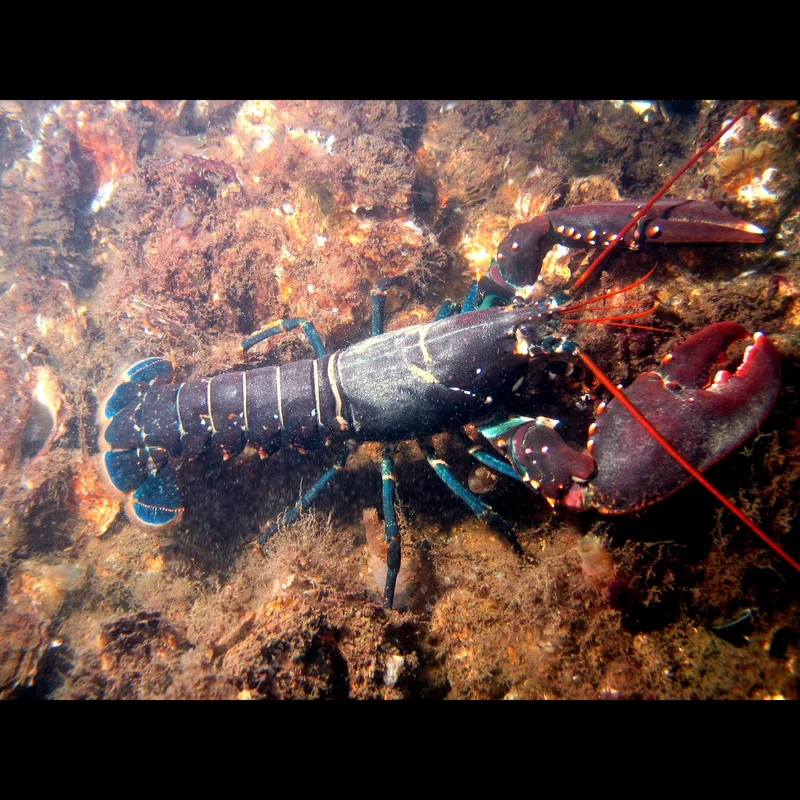
Crustaceans like lobsters and crabs could also be present, hiding among the substrate. Encrusting organisms such as anemones, barnacles, and various filter feeders often colonize the reef materials, contributing to a developing ecosystem.
Dive Centers Near Peggy Diana
Nearest Airports
Nearest airports to help plan travel to this dive area.
Search Flights
Check available flights and routes on Expedia, using the nearby airports listed in this section.
Search Flights on Expedia
Plan Your Stay
Looking for a place to stay for your dive trip? Explore hotels, stays, and vacation rentals for dive groups near Wildwood Crest.
Dive Navigator may earn a commission from these links at no extra cost to you.
Frequently Asked Questions
What type of dive site is Peggy Diana?
Peggy Diana is identified as a reef site within the New Jersey artificial reef program. It features submerged structures designed to create habitat for marine life.
What is the typical depth range for diving Peggy Diana?
Specific depths are not consistently reported for Peggy Diana. However, artificial reef sites in the region generally fall within recreational dive limits, often reaching depths of 20-30 meters (65-100 ft).
When is the best time to dive Peggy Diana?
The most favorable conditions for diving Peggy Diana are typically in July and August, when air temperatures are warmer, and wave heights and wind speeds are at their lowest, rated as 'Good' for diving.
Are there strong currents at Peggy Diana?
Currents can be a factor at many coastal dive sites, including reefs. Divers should always check local conditions and forecasts prior to diving, as current strength can vary.
What marine life can I expect to see at this reef?
While not specifically documented for Peggy Diana, temperate reefs in the region typically attract fish species like black sea bass, tautog, and cunner, along with crustaceans such as lobsters and crabs. Various encrusting organisms colonize the reef structures.
What level of diving certification is recommended?
Given the potential depths and variable conditions, an Advanced Open Water certification or equivalent experience is generally recommended for exploring reef sites like Peggy Diana. Divers should be comfortable with navigating in potentially colder water and varying visibility.
Planning to dive Peggy Diana?
Send one inquiry and receive offers directly from the best verified local dive operators.
Conditions are Good
Optimal conditions expected
Current conditions near Peggy Diana show 21° air, 24° sea temperature, 1.0 m waves, and 30 km/h wind. Forecast data is refreshed regularly to ensure accuracy.