
Diving at Proteus (United States)
The Proteus, a significant artificial reef within Key Biscayne's waters, creates a thriving habitat for a diverse array of marine species. Its structure offers vital shelter, attracting an impressive variety of fish, along with abundant coral and sponge growth. This environment sets the stage for captivating underwater photography and immersive encounters with local marine life. Observing large pelagic fish that frequently cruise near the wreck adds another dimension to the experience.
As evening covers Proteus, the local air temperature is measured at 24.5°C. The current wave height at the surface is recorded at 1.5 m. These late-day readings characterize the surface conditions for the night.
Dive Site Location & Key Facts
Dive Site Overview
Sunk in 1985, the 220-foot steel-hulled freighter Proteus lies quietly within the Key Biscayne reef site, presenting a compelling narrative for divers. Once a ferry on the Great Lakes and later a Caribbean cargo vessel, its operational life ended in bankruptcy, leading to its eventual preparation and sinking as an artificial reef.
Resting at a maximum depth of 22-23 m (72-75 ft), with its top deck around 15 m (50 ft), the wreck provides substantial relief. This site is particularly well-suited for a second dive of the day due to its accessible depth. Historically, thousands of discarded license plates from an auto shop found their way into the vessel, a detail some divers still search for.
As an artificial reef, it has fostered a rich ecosystem, making it an excellent introduction to wreck diving in South Florida.
Conditions are Excellent
07:00 - 14:00
Optimal conditions expected
Current conditions near Proteus show 25° air, 28° sea temperature, 0.8 m waves, and 12 km/h wind. Forecast data is refreshed regularly to ensure accuracy.
Best Time to Dive
For optimal visibility and comfortable conditions at Proteus, planning a dive between April and July is generally advisable. During these months, the dive scores are 'Moderate,' reflecting more favorable overall conditions. June and July specifically feature the lowest average wave heights, around 1.3-1.4 m (4.3-4.6 ft), alongside reduced wind speeds, typically 32-34 km/h (20-21 mph). Air temperatures during this period range from approximately 19-27°C (66-81°F), enhancing the surface experience. While rainfall remains relatively consistent throughout the year, the combination of calmer seas and lighter winds during these spring and early summer months often contributes to better underwater clarity compared to other seasons.
PEAK SEASON SCORE
Scores combine air & water temps, waves, wind & rainfall for overall conditions.
BEST MONTHS TO DIVE
Monthly records compiled from satellite and marine observation nodes over the last 3 years. Data provided by Open-Meteo and MET Norway.
Dive Experience & Conditions
Exploring the Proteus wreck involves descending to its maximum depth of 22-23 m (72-75 ft), a range primarily suitable for advanced open water divers. With considerable relief, the wreck’s highest points rise significantly from the seabed, allowing for extended bottom times and easier access to its prominent features. Visibility around the wreck is frequently good, often extending to 15-20 m (50-65 ft), providing clear views of the structure and its marine inhabitants. This artificial reef structure, a sunken freighter, provides ample nooks and crannies for exploration, drawing a variety of fish and invertebrates. Currents here vary, depending on local weather patterns and tidal movements, so divers should always confirm conditions with local dive operators before entry. Surface conditions can range from calm to moderately choppy. Dive planning should account for these variable factors to ensure a safe and enjoyable experience.
Dive Difficulty & Safety Guidelines
Approaching the Proteus requires a commitment to responsible diving practices and appropriate training. While considered accessible for novice wreck divers to explore externally, any contemplation of internal exploration necessitates specialized PADI Wreck Diver certification and meticulous planning. Divers should always be mindful of their surroundings, respecting the integrity of the wreck and its delicate ecosystem.
Carrying a dive computer and a surface marker buoy is recommended for safety and ascent management. Always dive with a buddy and conduct thorough pre-dive checks, especially given the boat access nature of this site.
Recommended Equipment
- Dive Computer
This gear list is based on verified equipment signals for Proteus, United States. Always confirm final gear choices with your dive operator, guide, or liveaboard.
Recommended Dive Suit
In these water temperatures, 2-3mm shorty or light wetsuit is a common choice for recreational diving. Consider warmer surface protection (like a boat coat) due to brisk winds. Longer dive profiles can make thermal protection more important than short exploratory dives.
The waters surrounding Proteus are currently maintaining temperatures close to 28°C (82°F). Surface air temperatures are resting at 25°C (76°F).
Forecast models indicate that diving conditions should remain largely unchanged.
Due to technical issues with our weather providers, data hasn't been fetched for over 48 hours. The data above reflects the conditions at the time of the last successful fetch.
Emergency & Medical Support
Essential information to help you plan your dive trip to Proteus.

Hyperbaric chambers are a critical part of dive safety infrastructure. Availability varies significantly by region, and not all dive areas have immediate access.
Before diving, it's recommended to:
- confirm nearest medical facilities
- check emergency procedures with local dive operators
- ensure dive insurance covers evacuation if required
Divers Alert Network
Diving emergency assistance available through DAN World.
+1-919-684-9111- 24/7 emergency hotline
- Diving medical assistance
- Evacuation coordination
Emergency contacts are provided for reference. Always verify local emergency services before diving.
Marine Life at Proteus
The Proteus wreck functions as a dynamic underwater habitat, supporting a vibrant spectrum of marine life. Divers regularly encounter a wide variety of fish, from schooling reef fish to larger specimens patrolling the perimeter.
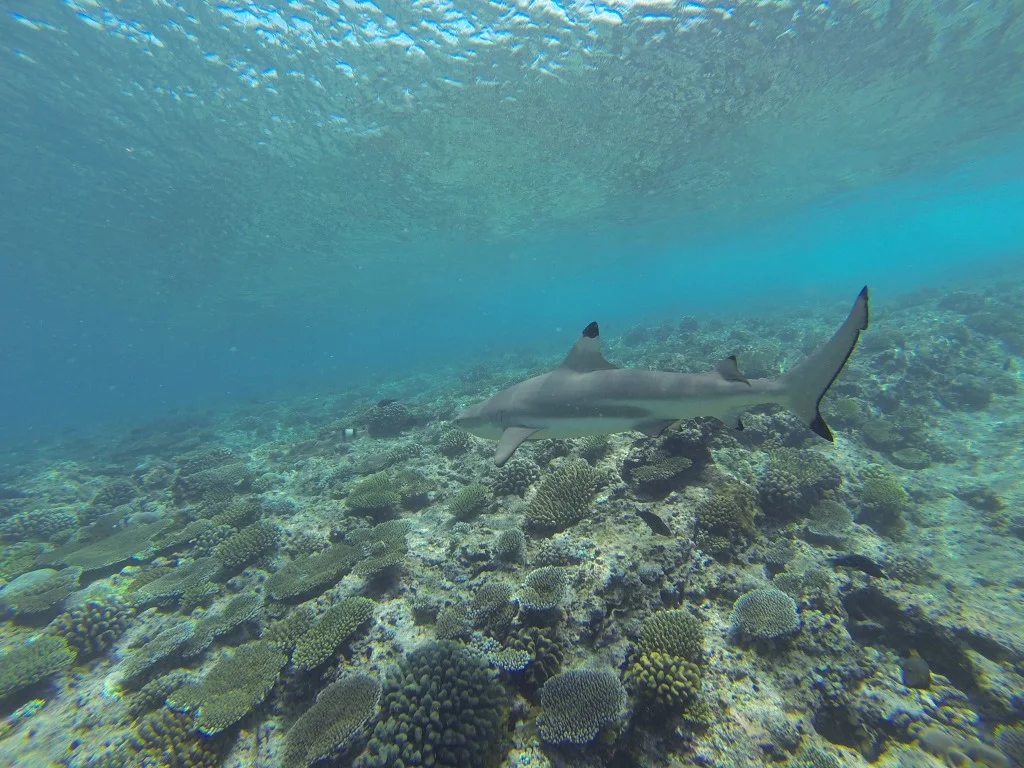
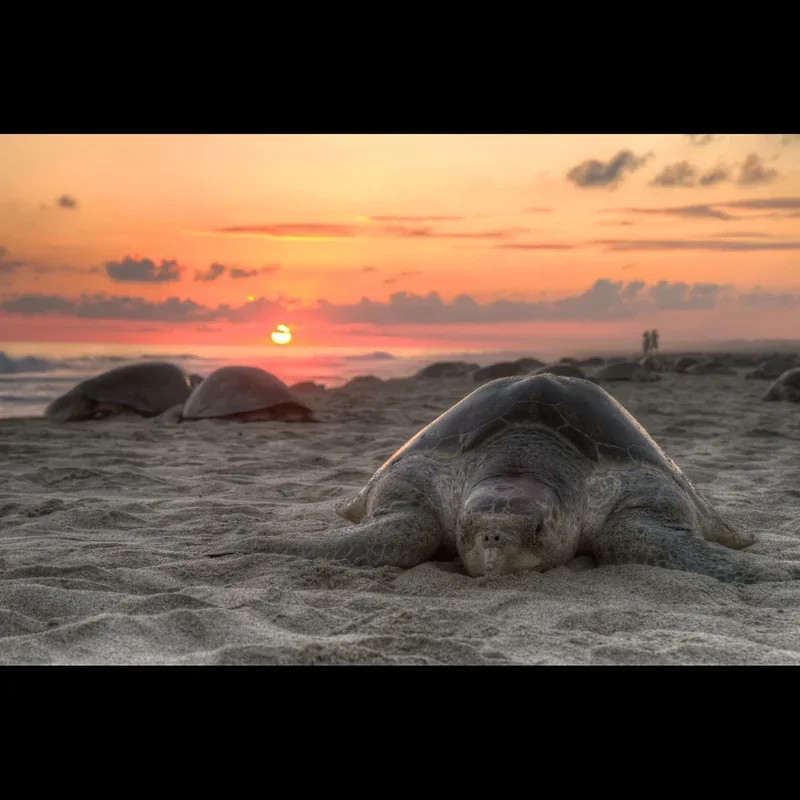
Its structure is adorned with abundant coral and sponge growth, creating intricate shelters and feeding grounds. Specific observations often include graceful rays, various sharks, and occasional sea turtles gliding past.
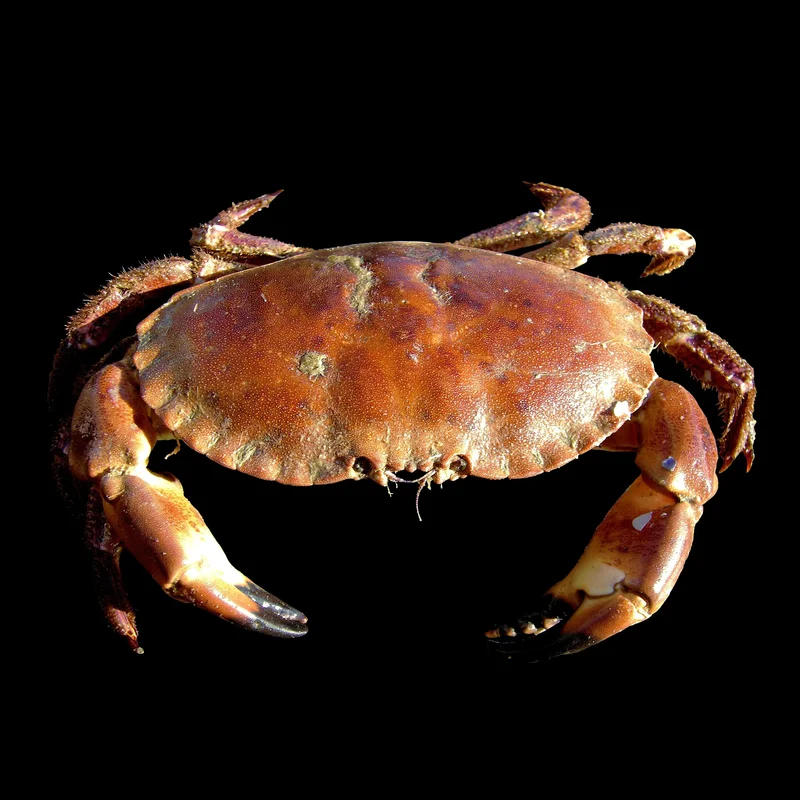
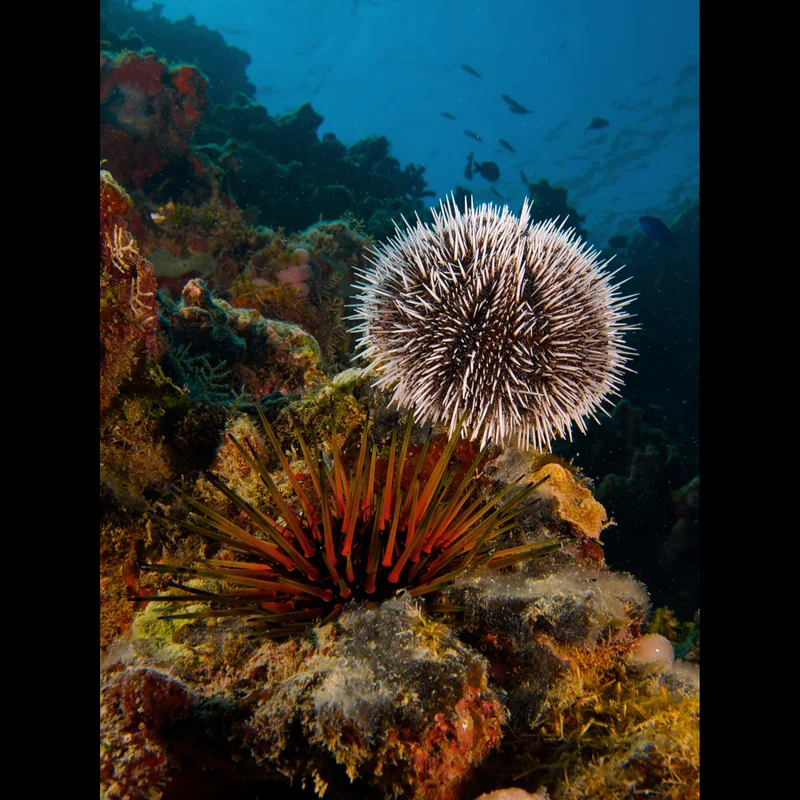
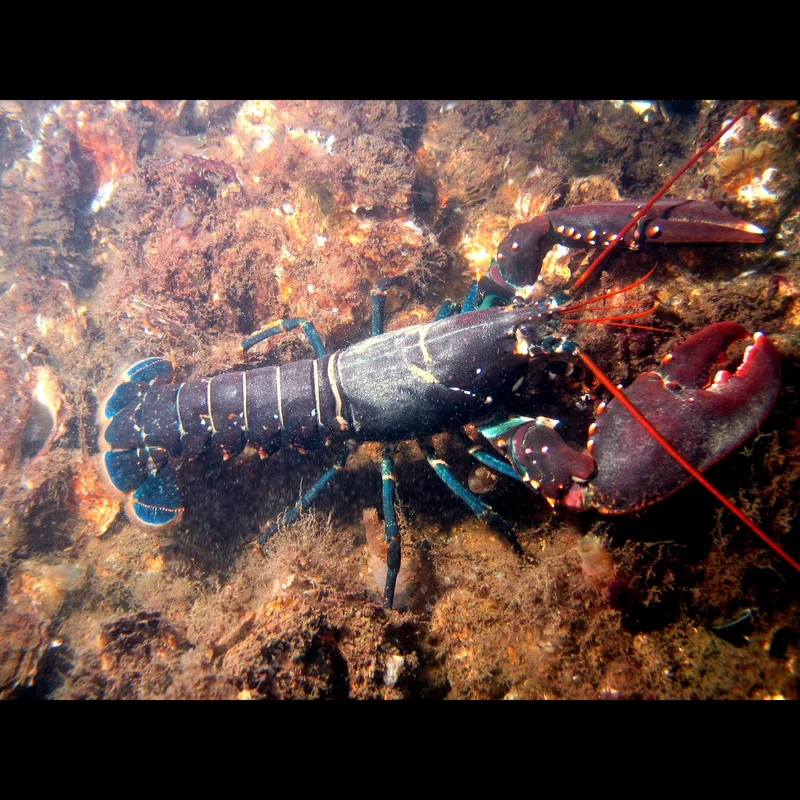
Exploring the wreck's crevices might reveal eels, lobsters, octopus, shrimp, and crabs, while the sandy bottom hosts sea urchins, sea cucumbers, and starfish. Gorgonian fans and brain corals add to the visual richness of this artificial reef.
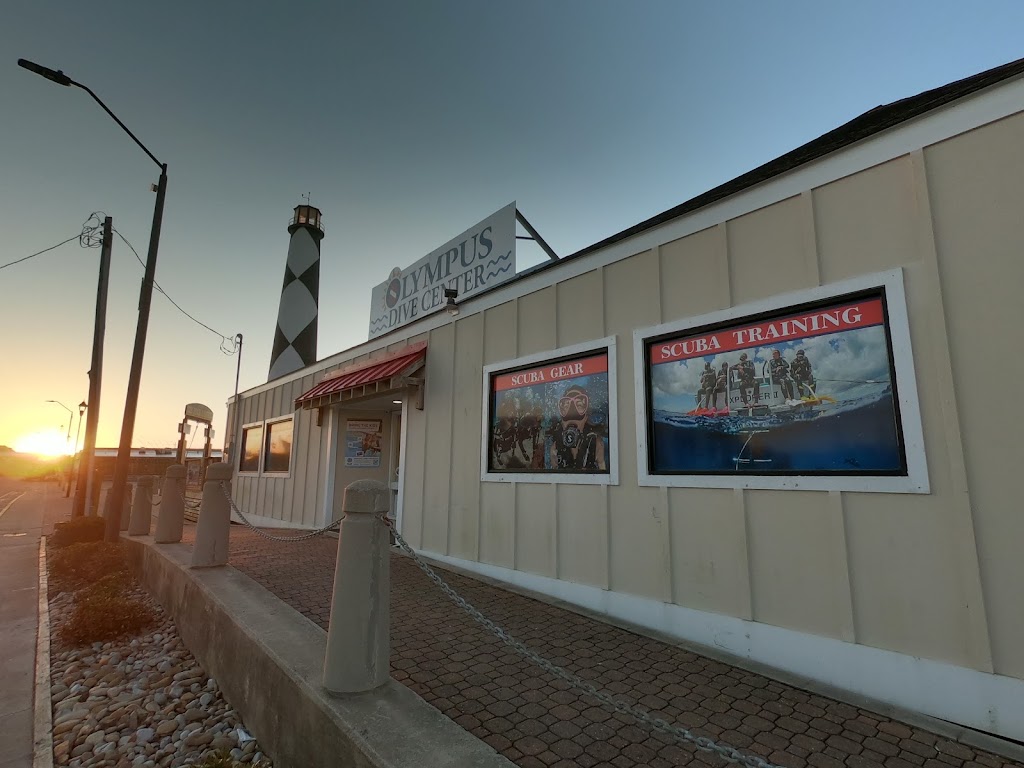
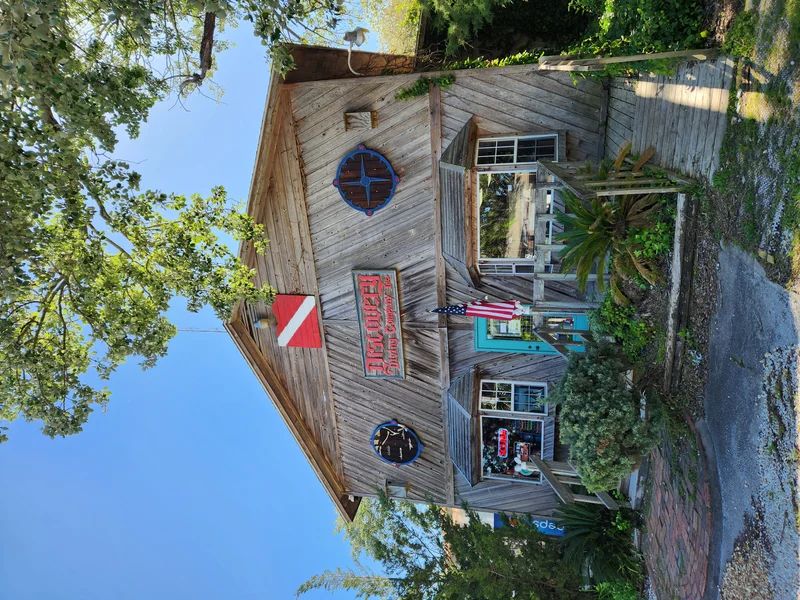
Dive Centers Near Proteus
Nearest Airports
Nearest airports to help plan travel to this dive area.
Search Flights
Check available flights and routes on Expedia, using the nearby airports listed in this section.
Search Flights on ExpediaFrequently Asked Questions
What kind of dive site is the Proteus?
The Proteus is a 220-foot steel-hulled freighter that was intentionally sunk to create an artificial reef. It's primarily a wreck dive, but its ecosystem also supports diverse marine life.
What is the maximum depth of the Proteus wreck?
The Proteus typically rests at a maximum depth of 22-23 m (72-75 ft). Shallower sections, like its top deck, are well within recreational diving limits and offer diverse marine life interactions.
Is the Proteus suitable for new wreck divers?
Yes, it's considered an excellent opportunity for novice wreck divers due to its accessible depth and substantial relief. It serves as a great introduction to wreck diving experiences.
What marine life can I expect to see at the Proteus?
Divers often observe a wide variety of fish, along with abundant coral and sponge growth. Common sightings include rays, sharks, sea turtles, eels, lobster, octopus, and diverse reef fish.
What is the history behind the Proteus wreck?
Originally a ferry on the Great Lakes, the Proteus later became a freighter for Caribbean routes. After bankruptcy, it was cleaned and sunk in 1985 in Key Biscayne as an artificial reef. Historically, it was a dumping ground for thousands of license plates from an auto shop.
What dive certifications are recommended for the Proteus?
PADI Advanced Open Water Diver is generally recommended. For those interested in exploring inside the wreck or learning more about the site, PADI Wreck Diver, PADI Enriched Air Diver, and PADI Boat Diver are also useful.
How do divers typically access the Proteus dive site?
Access to the Proteus is exclusively by boat. Many local dive operators in Miami offer guided trips to this popular artificial reef site.
Planning to dive Proteus?
Send one inquiry and receive offers directly from the best verified local dive operators.
Conditions are Excellent
07:00 - 14:00
Optimal conditions expected
Current conditions near Proteus show 25° air, 28° sea temperature, 0.8 m waves, and 12 km/h wind. Forecast data is refreshed regularly to ensure accuracy.