
Diving at Queen (1850) (United States)
Descending into depths to explore the Queen of Nassau wreck presents a significant yet rewarding challenge for advanced technical divers. Resting upright at 70 m (230 ft) off Islamorada, Florida, this historic vessel demands precise dive planning and execution. A deep dive experience, it offers a glimpse into early 20th-century maritime history for those prepared for its conditions.
Tonight's objective overview for Queen (1850) shows an air temperature of 22.5°C. The measured surface conditions include wave heights around 0.9 m. This environmental data is logged for the close of the day.
Dive Site Location & Key Facts
Dive Site Overview
A storied past accompanies the Queen of Nassau, originally built in 1904 as the Canadian Government Ship (CGS) Canada, an influential armed steel-hulled cruiser. Later, in 1924, she was repurposed as an inter-island cruise ship, operating the lucrative Nassau-Miami route for the Florida Inter-Island Steamship Company.
Financial struggles led to her sinking under mysterious circumstances on July 2, 1926. Today, the vessel lies intact and upright, offering a substantial wreck for exploration. Divers often encounter variable visibility, sometimes around 8-9 m (25-30 ft), influenced by the easily disturbed fine sand and muddy silt bottom.
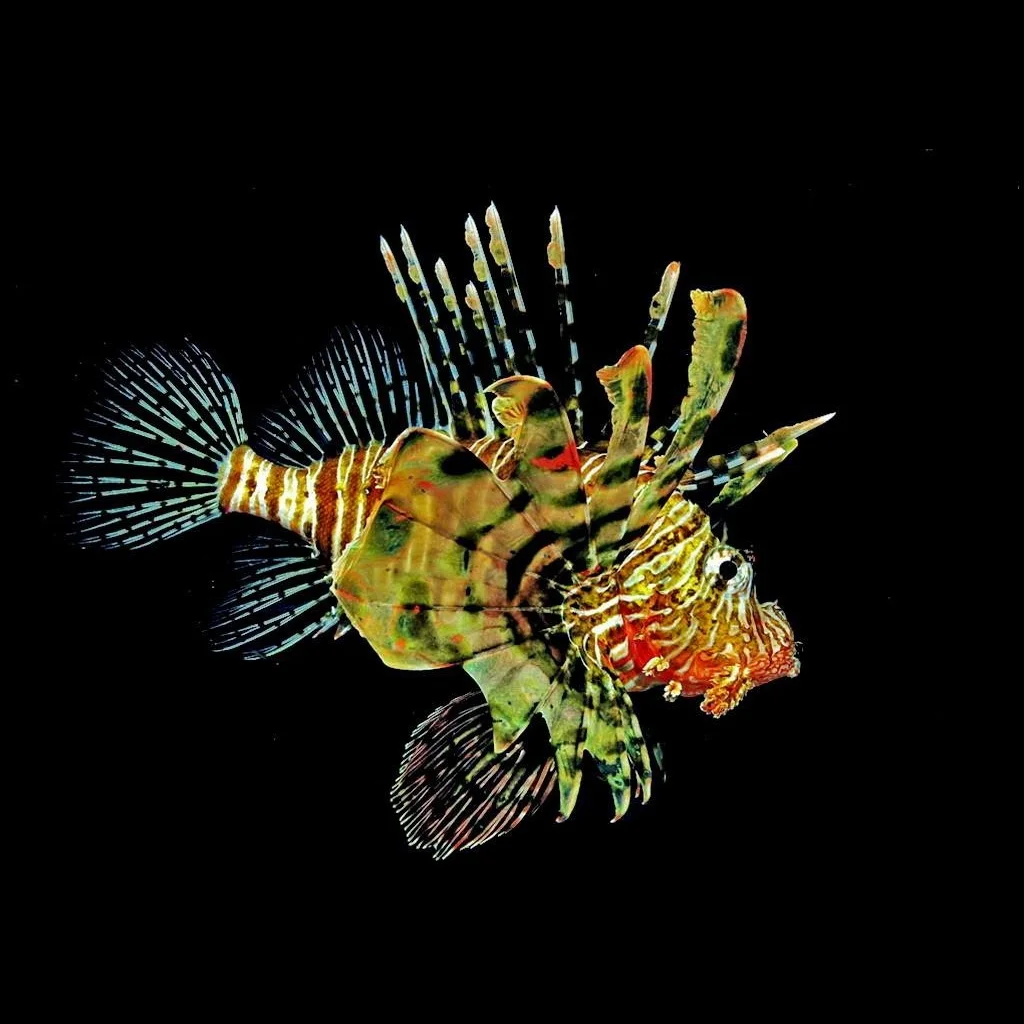
Planning decompression stops is essential for a deep profile, often requiring divers to consider hammerheads possibly present during shallower phases. Lionfish sightings are common on the wreck, alongside other marine life that has colonized its structure.
Conditions are Good
Optimal conditions expected
Current conditions near Queen (1850) show 23° air, 23° sea temperature, 1.0 m waves, and 33 km/h wind. Forecast data is refreshed regularly to ensure accuracy.
Best Time to Dive
While diving here is possible year-round for experienced deep divers, surface conditions and overall comfort vary considerably with the seasons. Favorable surface conditions typically occur from May through October, aligning with milder winds and lower wave heights, particularly in July and June. Air temperatures during these months range from 16-25°C (61-77°F), making topside activities more pleasant, with average wave heights around 0.9-1.1 m (3-3.6 ft). Conversely, winter months, especially January to March and December, see colder air temperatures of 0-7°C (32-45°F) and higher average wave heights of 1.3-1.4 m (4.3-4.6 ft), potentially complicating boat access and surface intervals. Rain averages remain fairly consistent year-round, not typically dictating dive window choices as much as wind and wave conditions.
PEAK SEASON SCORE
Scores combine air & water temps, waves, wind & rainfall for overall conditions.
BEST MONTHS TO DIVE
Monthly records compiled from satellite and marine observation nodes over the last 3 years. Data provided by Open-Meteo and MET Norway.
Dive Experience & Conditions
Conditions at the Queen of Nassau are variable, demanding adaptability from divers. Visibility typically ranges around 8-9 m (25-30 ft); however, these values can fluctuate quickly. Surrounding the wreck, a fine sand and muddy silt bottom exists. Such substrate is easily disturbed, capable of rapidly reducing visibility if divers are not mindful of buoyancy and finning techniques. At a maximum depth of 70 m (230 ft), cold water is a constant regardless of the season, making appropriate thermal protection crucial. Currents at this depth can also be a significant factor, requiring divers to prepare for potential drift. Careful planning for descent and ascent routes is advisable to manage these conditions. Exclusive to technical divers proficient in deep wreck procedures and decompression, the site's demands are clear.
Dive Difficulty & Safety Guidelines
Navigating deep wrecks always presents unique challenges; the Queen of Nassau is no exception. Given its substantial depth of 70 m (230 ft), divers must be certified for technical diving, including deep wreck penetration if entering the vessel. Thorough planning of gas mixes, decompression schedules, and emergency procedures is paramount.
An easily disturbed silty bottom requires excellent buoyancy control to maintain visibility and prevent dislodging sediments. Divers should be aware of potential hazards such as entanglement on deteriorating wreck parts, although specific entanglement risks are not consistently reported.
A buddy system and redundant dive equipment are essential safety protocols for this demanding environment. Always prioritize conservative dive profiles and prepare for changing conditions.
Recommended Equipment
- Dive Computer
This gear list is based on verified equipment signals for Queen (1850), United States. Always confirm final gear choices with your dive operator, guide, or liveaboard.
Recommended Dive Suit
Forecast trends indicate similar diving conditions over the next few days.
Many experienced divers would consider 3-5mm wetsuit an appropriate choice here. A hood or vest is suggested for sensitive divers due to surface winds. Surface intervals may feel cooler.
Current dive conditions indicate that water temperatures around Queen (1850) are sitting at roughly 23°C (73°F). Surface air temperatures are resting at 23°C (73°F).
Emergency & Medical Support
Essential information to help you plan your dive trip to Queen (1850).

Hyperbaric chambers are a critical part of dive safety infrastructure. Availability varies significantly by region, and not all dive areas have immediate access.
Before diving, it's recommended to:
- confirm nearest medical facilities
- check emergency procedures with local dive operators
- ensure dive insurance covers evacuation if required
Divers Alert Network
Diving emergency assistance available through DAN World.
+1-919-684-9111- 24/7 emergency hotline
- Diving medical assistance
- Evacuation coordination
Emergency contacts are provided for reference. Always verify local emergency services before diving.
Marine Life at Queen (1850)
Upon approaching the Queen of Nassau, divers often first notice the robust structure of this historic ship, now acting as an artificial reef. Critically endangered sawfish have been observed here, alongside occasional hammerheads, particularly during decompression stops.
Lionfish are frequently seen populating the wreck, with reports of them being quite numerous. Historically, the site also hosted gag and black grouper, though current populations may vary.
Providing feeding grounds and hiding spaces for various marine populations, the wreck supports a diverse ecosystem in an otherwise open ocean environment.

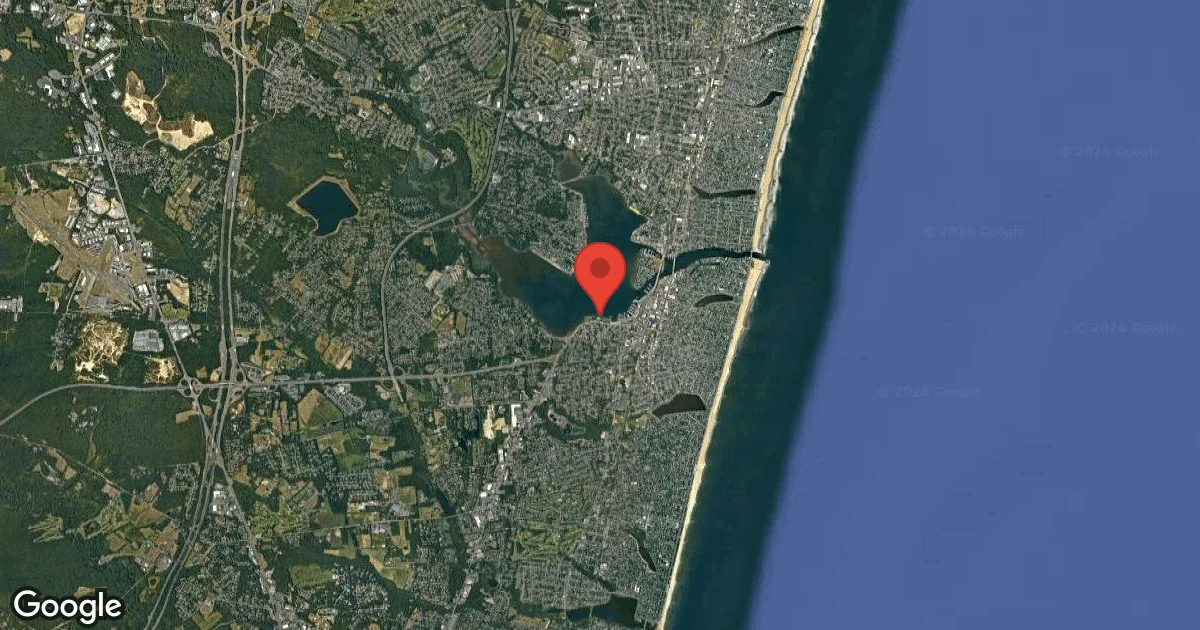
Dive Sites Near Queen (1850)
View all dive sites in United StatesDiscover more underwater gems in this area.
Dive Centers Near Queen (1850)

Today: 08:00 - 18:00
Nearest Airports
Nearest airports to help plan travel to this dive area.
Search Flights
Check available flights and routes on Expedia, using the nearby airports listed in this section.
Search Flights on Expedia
Plan Your Stay
Looking for a place to stay for your dive trip? Explore hotels, stays, and vacation rentals for dive groups near Bay Head.
Dive Navigator may earn a commission from these links at no extra cost to you.
Frequently Asked Questions
What is the maximum depth of the Queen of Nassau wreck?
Resting upright and intact, the Queen of Nassau lies in approximately 70 m (230 ft) of water. Its depth mandates a deep technical dive, requiring specialized training and equipment.
What kind of diver is the Queen of Nassau suitable for?
Only certified technical divers should attempt this site. Its depth and potential conditions demand advanced skills in deep diving, wreck diving, and decompression procedures.
What is the history of the Queen of Nassau?
Originally built in 1904 as the CGS Canada, a Canadian government cruiser, it was later sold in 1924. Renamed Queen of Nassau, it served as an inter-island cruise ship before sinking mysteriously in 1926.
What is the typical visibility like at the Queen of Nassau?
Visibility can vary, though divers report around 8-9 m (25-30 ft). Easily disturbed, the fine sand and muddy silt bottom can quickly reduce visibility further.
What marine life might I see on the Queen of Nassau?
Divers have reported sightings of critically endangered sawfish and hammerhead sharks, especially during decompression. Lionfish are commonly found on the wreck, and historically, gag and black grouper were also present.
When are the best conditions for diving the Queen of Nassau?
Surface conditions are generally more favorable from May through October, with lower wind speeds and wave heights. Air temperatures are also warmer during these months, making for a more comfortable experience topside.
Planning to dive Queen (1850)?
Send one inquiry and receive offers directly from the best verified local dive operators.
Conditions are Good
Optimal conditions expected
Current conditions near Queen (1850) show 23° air, 23° sea temperature, 1.0 m waves, and 33 km/h wind. Forecast data is refreshed regularly to ensure accuracy.