
Diving at R083011 (United States)
Rhode Island's extensive coastline, stretching over 400 miles, offers a compelling tableau for divers, distinguished by its profusion of shallow and deepwater wrecks. From historic tugs and submarines to steamships and schooners, these underwater structures provide a rich historical narrative for exploration. Its diverse underwater terrain ranges from sandy plains to dramatic rocky formations.
Starting the day at R083011, the ambient air temperature is recorded at 29.5°C. Ongoing monitoring shows wave heights measuring 0.6 m. This data represents the current surface conditions for early activities.
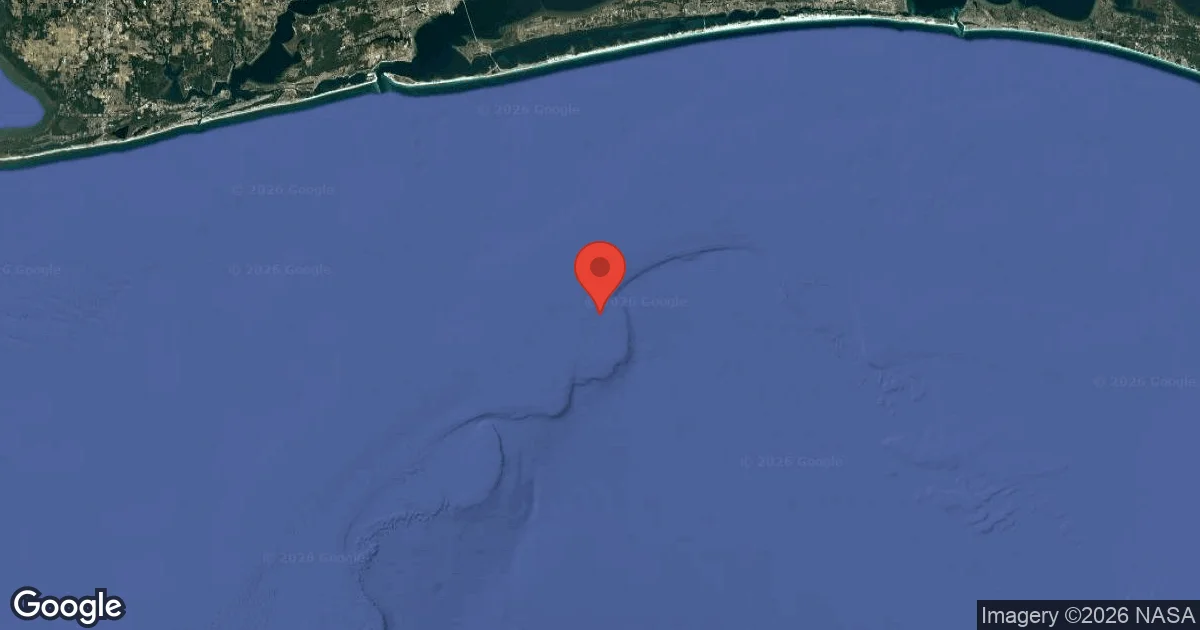
Dive Site Location & Key Facts
Dive Site Overview
Rhode Island's diverse coastline presents an engaging underwater narrative, where maritime history merges with compelling natural formations. Beneath the waves, hundreds of shipwrecks and remnants of submerged forts chronicle centuries of naval and commercial activity.
These sites range significantly in depth, from accessible shallow structures that allow ample bottom time for newer divers to more demanding deeper wrecks, with some extending beyond 30 m (100 ft) for those with appropriate training. Beyond these historical artifacts, exploring the varied topography reveals intricate rocky formations, expansive sandy bottoms, and thriving eelgrass beds.
Often, these diverse environments intertwine, providing shelter and foraging grounds for local marine inhabitants directly on or around the historical foundations. This combination ensures a dynamic and historically rich dive experience, consistently drawing both local enthusiasts and visiting divers seeking varied points of interest across multiple skill levels.
Conditions are Excellent
07:00 - 14:00
Optimal conditions expected
Current conditions near R083011 show 29° air, 30° sea temperature, 0.6 m waves, and 20 km/h wind. Forecast data is refreshed regularly to ensure accuracy.
Best Time to Dive
Planning a dive in Rhode Island is best managed with seasonal variations in mind. Summer months typically offer the calmest seas and warmer conditions, making May through September ideal for many recreational divers, aligning with 'Good' dive scores. Air temperatures during this period average between 24.5°C (76°F) and 29.5°C (85°F). For optimal visibility, however, spring and fall often present clearer water, though air temperatures will be cooler, ranging from 18.5°C (65°F) to 24°C (75°F) in spring and fall respectively. While specific water temperatures are not consistently reported, the influence of the warm Gulf Stream suggests wetsuit diving is comfortable from May through October. Wind speeds during the peak summer dive season are generally lower, averaging around 23-27 km/h (14-17 mph), compared to winter months where they can exceed 30 km/h (19 mph). Expect moderate rainfall, averaging 3-5 mm (0.1-0.2 inches) per month across the year.
PEAK SEASON SCORE
Scores combine air & water temps, waves, wind & rainfall for overall conditions.
BEST MONTHS TO DIVE
Monthly records compiled from satellite and marine observation nodes over the last 3 years. Data provided by Open-Meteo and MET Norway.
Dive Experience & Conditions
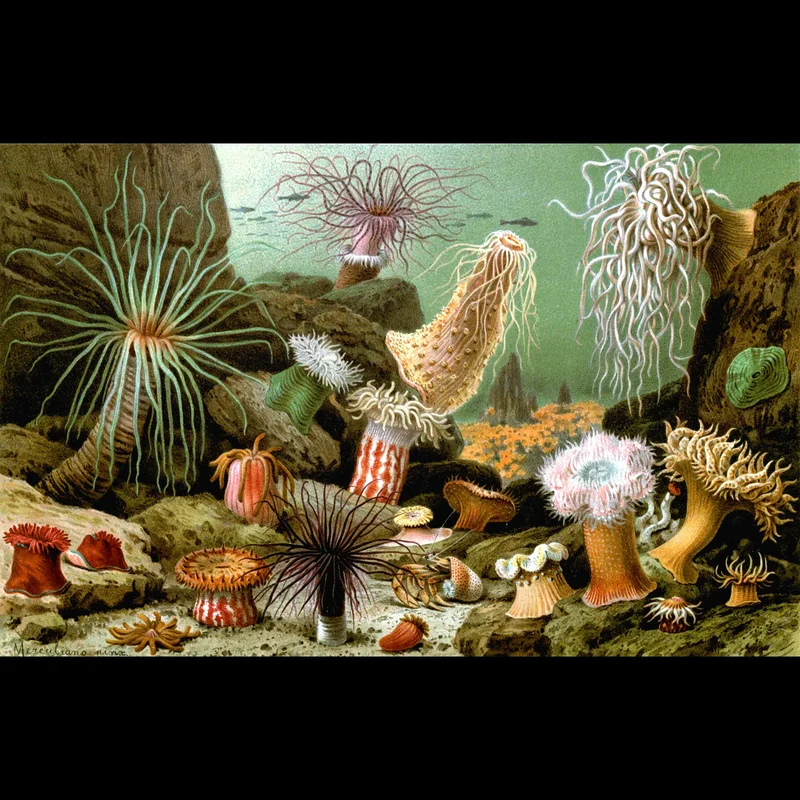
Upon descending into Rhode Island's coastal waters, divers often discover a varied underwater topography. While specific water temperatures are not consistently reported, the influence of the Gulf Stream allows for wetsuit diving typically from May through October, indicating moderate to warm conditions during these months. Visibility can vary significantly, often reaching its clearest during spring and fall, but it's generally good during summer's calmest periods. Encountering moderate currents is possible, especially around wreck sites or along deeper channels. Depths at these sites span from shallower recreational limits to more advanced deep wreck penetrations. Expect to explore a mix of sandy bottom terrains and rocky structures covered in anemones, reflecting the diverse coastal environment.
Dive Difficulty & Safety Guidelines
To ensure a safe and enjoyable dive in Rhode Island, prudent planning is essential. Always consult local dive operators for the most current conditions, including visibility and currents, as these can shift rapidly. Many wrecks lie in deeper sections, requiring appropriate training and experience for exploration.
Given the variable conditions, carrying a surface marker buoy and a reliable dive computer is recommended. Always dive within your certification limits and consider diving with a local guide, especially when exploring lesser-known wreck sites or navigating complex rocky shorelines.
The presence of colder water outside the peak summer months means proper thermal protection, like a drysuit, is a critical consideration for extended comfort.
Recommended Equipment
- Dive Computer
This gear list is based on verified equipment signals for R083011, United States. Always confirm final gear choices with your dive operator, guide, or liveaboard.
Recommended Dive Suit
Environmental conditions are expected to remain consistent in the short-term outlook.
Even in warm destinations, extended dives can gradually draw heat away from the body.
Exposure protection such as dive skin or rash guard is commonly used when diving in waters of this temperature. Divers preparing to enter the water at R083011 will likely find temperatures around 30°C (86°F) today. Surface air temperatures are resting at 29°C (85°F).
Emergency & Medical Support
Essential information to help you plan your dive trip to R083011.

Hyperbaric chambers are a critical part of dive safety infrastructure. Availability varies significantly by region, and not all dive areas have immediate access.
Before diving, it's recommended to:
- confirm nearest medical facilities
- check emergency procedures with local dive operators
- ensure dive insurance covers evacuation if required
Divers Alert Network
Diving emergency assistance available through DAN World.
+1-919-684-9111- 24/7 emergency hotline
- Diving medical assistance
- Evacuation coordination
Emergency contacts are provided for reference. Always verify local emergency services before diving.
Marine Life at R083011
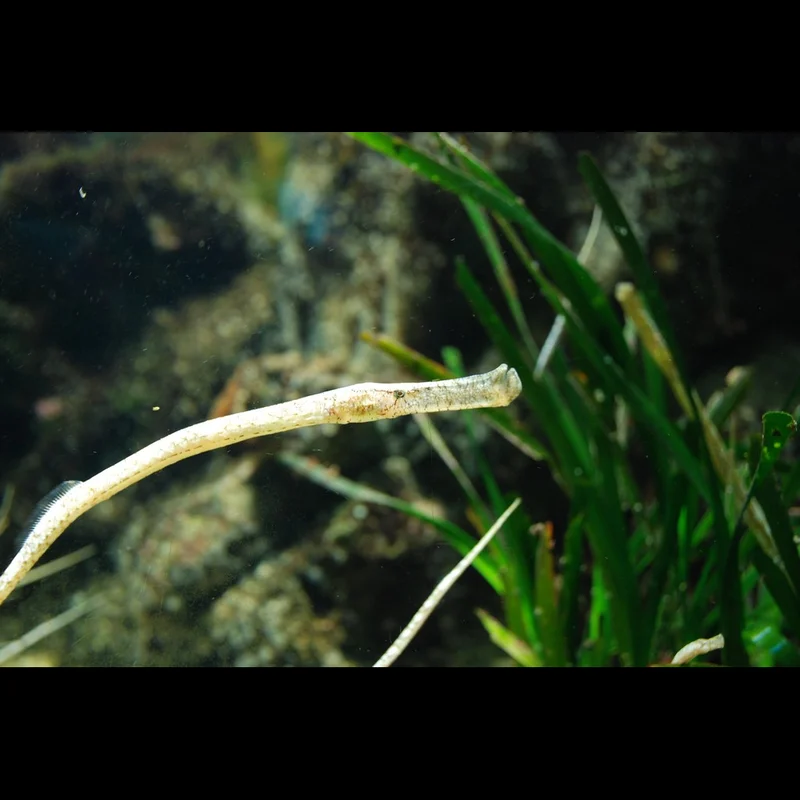
Beginning your exploration, initial marine encounters might feature tropical visitors brought by the Gulf Stream. Keep an eye out for clear-nosed skates gliding across the sandy bottom, or the unique shapes of pipefish and trunkfish among the eelgrass beds.
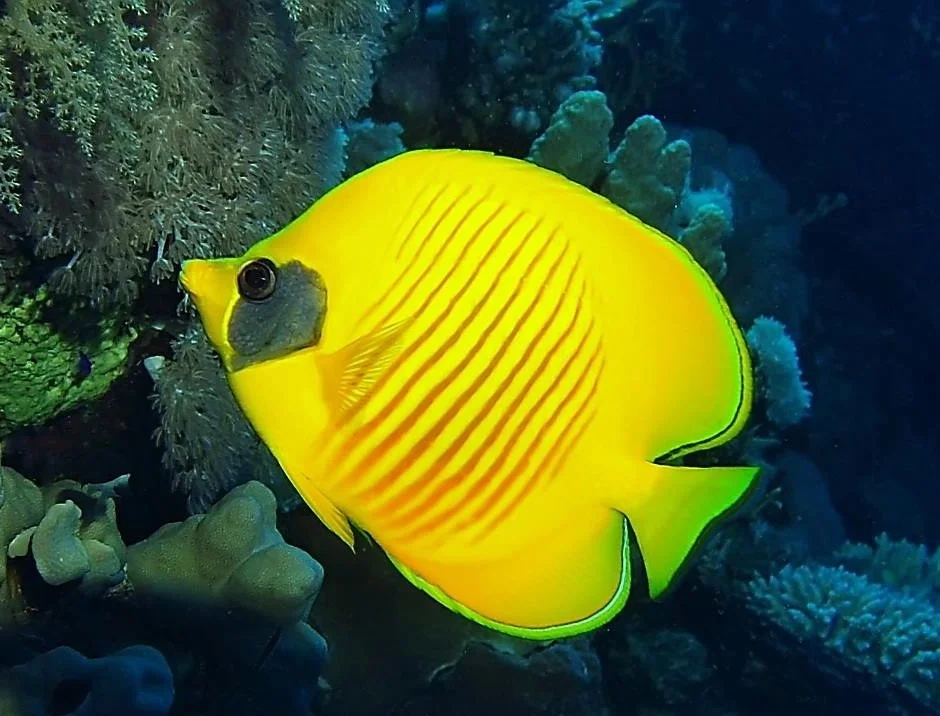
Butterflyfish and flounder are common sights near the many wrecks and rocky structures. Lucky divers exploring crevices and under ledges might even spot an octopus, a highlight for many, adding to the site's appeal.
The anemone-covered cliff walls further diversify the habitat, attracting various smaller invertebrates and fish.
Dive Sites Near R083011
View all dive sites in United StatesDiscover more underwater gems in this area.
Dive Centers Near R083011
Today: 10:00 - 18:00
Nearest Airports
Nearest airports to help plan travel to this dive area.
Search Flights
Check available flights and routes on Expedia, using the nearby airports listed in this section.
Search Flights on ExpediaFrequently Asked Questions
What types of dive sites are found in Rhode Island?
Rhode Island's coastal waters are notable for their numerous wrecks, including tugs, submarines, steamships, freighters, and schooners. Beyond historical structures, divers can explore natural rocky shorelines, expansive sandy bottoms, and vibrant eelgrass beds.
What marine life can I expect to see?
The influence of the Gulf Stream brings a variety of marine life. Divers often encounter clear-nosed skates, pipefish, butterflyfish, flounder, and trunkfish. Spotting an octopus is also a possibility, particularly around rocky areas and wrecks.
What are the typical dive depths in Rhode Island?
Dive depths vary significantly across sites, ranging from shallow recreational depths to more advanced deepwater wrecks. Some sites can be explored by entry-level divers, while others require specialized deep diving certifications.
How does visibility typically vary at these sites?
Visibility in Rhode Island's waters can be quite variable, depending on seasonal factors and local conditions. The best visibility is generally reported during the spring and fall months, though good visibility can also occur during calm summer periods.
What thermal protection is generally needed for diving in Rhode Island?
Many local divers opt for wetsuits during the warmer summer and early fall months. However, for year-round diving or for longer, more comfortable dives outside of peak season, a drysuit is often recommended due to cooler water temperatures.
Are strong currents a concern when diving here?
Moderate currents can be present in Rhode Island's coastal waters, especially around deeper wreck sites and along some channels. It's always advisable to consult local dive operators for current conditions before planning your dive.
Planning to dive R083011?
Send one inquiry and receive offers directly from the best verified local dive operators.
Conditions are Excellent
07:00 - 14:00
Optimal conditions expected
Current conditions near R083011 show 29° air, 30° sea temperature, 0.6 m waves, and 20 km/h wind. Forecast data is refreshed regularly to ensure accuracy.