
Diving at Ray Jones Reef (United States)
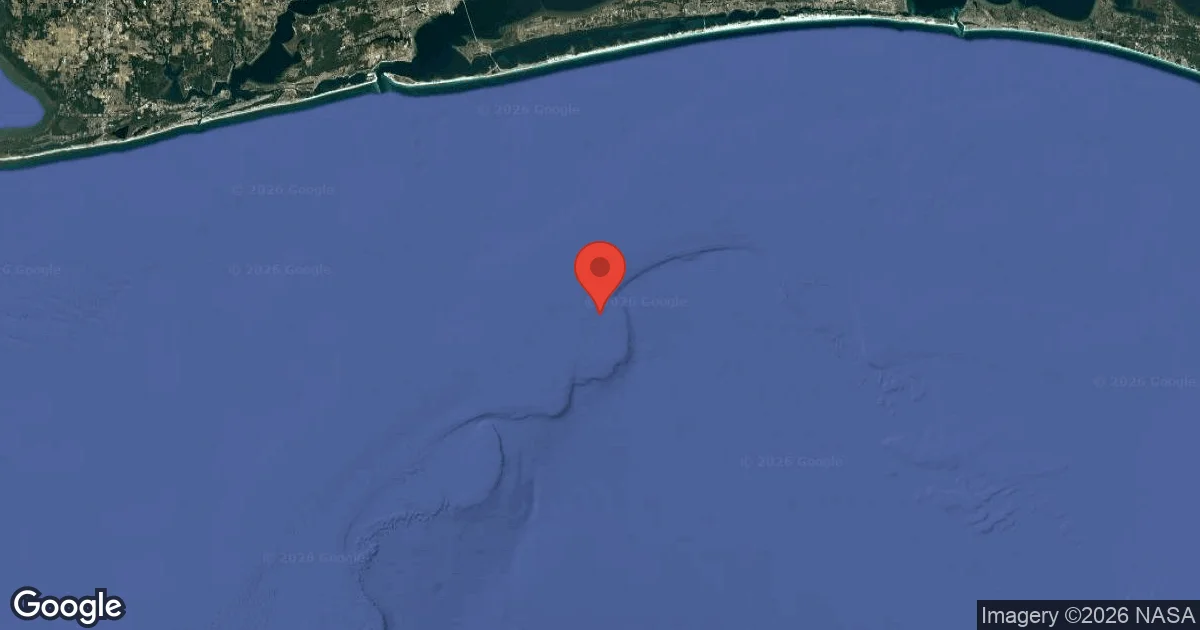
As a dedicated reef environment, Ray Jones Reef provides a structured underwater landscape for exploration. Positioned in the United States, this site serves as a vital habitat within its regional marine ecosystem. Certified divers can expect to navigate natural reef formations, which typically present varied topography suitable for underwater observation.
Evening condition tracking at Ray Jones Reef features an air temperature of 29°C. We have recorded wave heights measuring 0.9 m during this period. These figures outline the environmental parameters currently present.
Dive Site Location & Key Facts
Dive Site Overview
Ray Jones Reef presents a typical Atlantic reef topography, offering diverse exploration across its underwater formations. Navigating this site involves exploring various coral structures and substrate types that characterize healthy reef environments.
While specific maximum depths for Ray Jones Reef aren't consistently reported, similar reef systems in the region often extend to recreational dive limits, potentially reaching depths of 30 m (100 ft). Divers should expect a gradual descent onto the main reef structure, which may include ledges, sandy patches, and branching corals.
Its profile dictates potential dive paths, leading through areas where smaller marine life seeks refuge or larger pelagic species might pass by. Conservation and monitoring efforts, spearheaded by organizations such as REEF and ReefCheck, are integral to understanding and protecting this delicate ecosystem.
These initiatives involve regular underwater surveys, providing data that tracks population trends for species like Caribbean groupers and sharks. This active research helps inform broader conservation strategies, ensuring the long-term health of dive destinations.
Appreciating ongoing efforts helps divers engage responsibly with the reef's living structures, recognizing its role within the wider marine environment. A typical dive here emphasizes observation and careful navigation within a natural, living habitat.
Conditions are Excellent
07:00 - 14:00
Optimal conditions expected
Current conditions near Ray Jones Reef show 29° air, 30° sea temperature, 0.5 m waves, and 20 km/h wind. Forecast data is refreshed regularly to ensure accuracy.
Best Time to Dive
For optimal diving at Ray Jones Reef, the period from May through September generally presents the most favorable conditions. During these months, dive scores are consistently rated 'Good', indicating calmer seas and more pleasant weather. Air temperatures during this peak season typically range from 24.5-29°C (76-84°F). Wave heights tend to be lower, averaging 0.7-0.9 m (2.3-3.0 ft), while wind speeds are calmer, usually between 22-27 km/h (14-17 mph). Rainfall is also more moderate during this time. Conversely, the cooler months from October to April see 'Moderate' dive scores, with air temperatures dropping to 13.5-23.5°C (56-74°F) and increased wave heights, sometimes exceeding 1.3 m (4.3 ft), alongside higher wind speeds up to 36 km/h (22 mph).
PEAK SEASON SCORE
Scores combine air & water temps, waves, wind & rainfall for overall conditions.
BEST MONTHS TO DIVE
Monthly records compiled from satellite and marine observation nodes over the last 3 years. Data provided by Open-Meteo and MET Norway.
Dive Experience & Conditions
Current dynamics at Ray Jones Reef can vary, influenced by regional weather patterns and tidal flows. While specific site data is limited, conditions often reflect the prevailing wind and wave heights recorded for the area. With average wave heights ranging from 0.7 m (2.3 ft) during calm periods to over 1.3 m (4.3 ft) in choppier conditions, surface chop is possible. Wind speeds, averaging 22-36 km/h (14-22 mph) throughout the year, contribute to potential surface agitation, particularly during stronger frontal systems. Water temperatures are not consistently reported but are expected to fluctuate seasonally, influencing exposure protection needs. Divers should be prepared for changing visibility and potential drift, especially in deeper sections.
Dive Difficulty & Safety Guidelines
Diver safety at Ray Jones Reef primarily revolves around thorough preparation and situational awareness. Always conduct comprehensive buddy checks and confirm your dive plan before entry. Given the potential for variable current conditions, assessing the sea state upon arrival is important.
Divers should maintain neutral buoyancy to prevent contact with the reef structure, protecting both themselves and the fragile marine environment. Adherence to no-touch policies is essential to preserve the ecosystem.
Ensuring your training and experience align with the conditions encountered will help ensure a safe and enjoyable dive.
Recommended Equipment
- Dive Computer
This gear list is based on verified equipment signals for Ray Jones Reef, United States. Always confirm final gear choices with your dive operator, guide, or liveaboard.
Recommended Dive Suit
With water temperatures around 30°C (86°F), many divers find a dive skin or rash guard provides comfortable protection.
Divers performing multiple dives may appreciate slightly warmer protection later in the day.
Environmental conditions appear stable for the near future.
Emergency & Medical Support
Essential information to help you plan your dive trip to Ray Jones Reef.

Hyperbaric chambers are a critical part of dive safety infrastructure. Availability varies significantly by region, and not all dive areas have immediate access.
Before diving, it's recommended to:
- confirm nearest medical facilities
- check emergency procedures with local dive operators
- ensure dive insurance covers evacuation if required
Divers Alert Network
Diving emergency assistance available through DAN World.
+1-919-684-9111- 24/7 emergency hotline
- Diving medical assistance
- Evacuation coordination
Emergency contacts are provided for reference. Always verify local emergency services before diving.
Marine Life at Ray Jones Reef
The underwater landscape of Ray Jones Reef supports a variety of marine life typical of Atlantic reef environments. Divers may observe a range of reef fish utilizing the coral structures for shelter and foraging.
Gorgonian corals, which are often found in these habitats, provide intricate living spaces for smaller invertebrates. While specific species counts for this site are not available, reefs in this region generally host a community of crustaceans, mollusks, and various reef fish species adapting to the structured environment. The reef’s topography offers many crevices and ledges, creating diverse microhabitats.

Dive Sites Near Ray Jones Reef
View all dive sites in United StatesDiscover more underwater gems in this area.
Dive Centers Near Ray Jones Reef

Today: 10:00 - 18:00

Nearest Airports
Nearest airports to help plan travel to this dive area.
Search Flights
Check available flights and routes on Expedia, using the nearby airports listed in this section.
Search Flights on ExpediaFrequently Asked Questions
What is the best time of year to dive Ray Jones Reef?
The most favorable conditions for diving typically occur from May through September. During these months, dive scores are rated 'Good', with warmer air temperatures and calmer seas generally expected.
What kind of marine life can I expect to see?
While specific highlights are not available for Ray Jones Reef, divers can generally expect to observe various reef fish and invertebrates common to Atlantic reef environments. The site's gorgonian coral habitats provide shelter for many species.
Are there strong currents at Ray Jones Reef?
Currents can vary and are influenced by regional weather patterns and tidal conditions. Divers should be prepared for potential drift and assess the sea state upon arrival for current indications.
What are the typical air temperatures?
Air temperatures fluctuate throughout the year, ranging from 13.5-29°C (56-84°F). The warmest temperatures are typically recorded from May to September.
Is Ray Jones Reef suitable for beginner divers?
As with any natural reef, conditions can vary. While some sections may be accessible, new divers should assess current conditions and ensure their skill level aligns with the dive plan. Dive with experienced guides if unsure.
What is the importance of conservation efforts at sites like Ray Jones Reef?
Conservation and monitoring by organizations like REEF are crucial for understanding and protecting these ecosystems. Data collected helps track marine life populations and informs strategies to preserve the reef's health for future generations of divers.
Planning to dive Ray Jones Reef?
Send one inquiry and receive offers directly from the best verified local dive operators.
Conditions are Excellent
07:00 - 14:00
Optimal conditions expected
Current conditions near Ray Jones Reef show 29° air, 30° sea temperature, 0.5 m waves, and 20 km/h wind. Forecast data is refreshed regularly to ensure accuracy.