
Diving at Restorer (United States)
Diving at Restorer means actively participating in marine conservation efforts across various U.S. waters. This isn't a single traditional dive site but rather a collective term for engaging in citizen science initiatives, coral restoration, and habitat clean-ups. It's an opportunity to contribute directly to the health of marine ecosystems, transforming your dive experience into tangible environmental action. Divers here play a crucial role in safeguarding underwater environments.
Evening condition tracking at Restorer features an air temperature of 22.5°C. We have recorded wave heights measuring 0.6 m during this period. These figures outline the environmental parameters currently present.
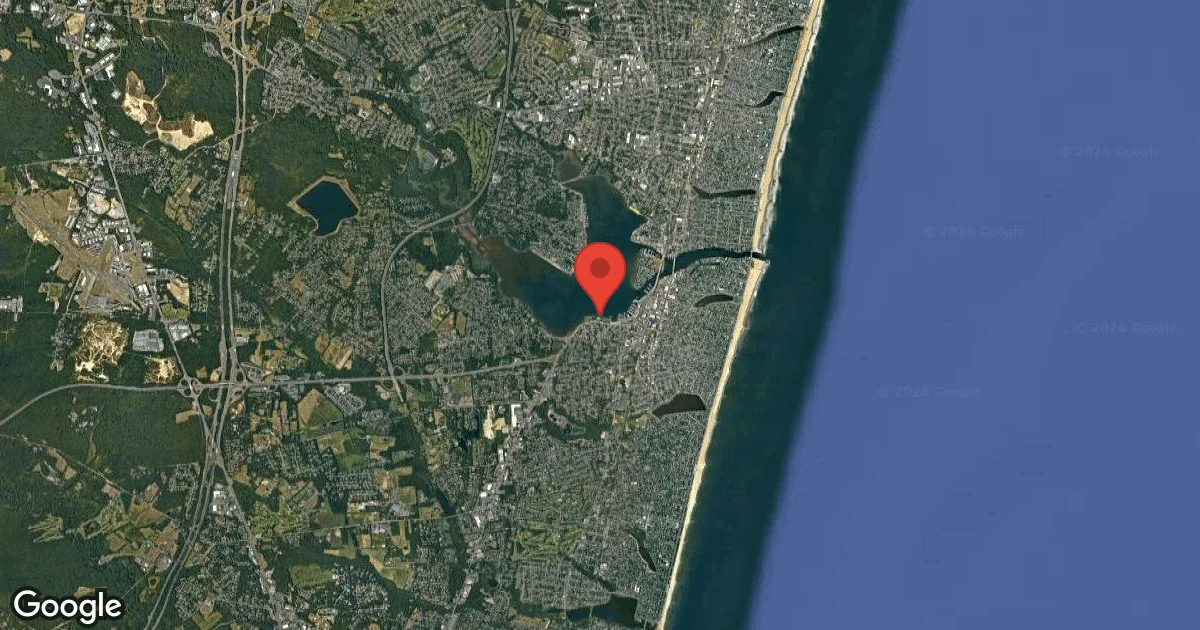
Dive Site Location & Key Facts
Dive Site Overview
The practice of active underwater restoration and citizen science diving has seen significant growth throughout the United States. Historically, recreational diving primarily focused on observation, but now, divers frequently engage in hands-on efforts to support marine health.
From coral nurseries in Florida, as championed by the Coral Restoration Foundation, to extensive ghost gear removal operations led by groups like California’s Ocean Defenders Alliance, these activities are integrated into the diving landscape. Divers learn specialized skills, aiding in the propagation and outplanting of critically endangered coral species. Participants also contribute to vital data collection for organizations such as REEF’s Volunteer Fish Survey Project, documenting species abundance and biodiversity.
These initiatives are not only about physical intervention but also about fostering a marine conservation culture, influencing how divers perceive and interact with the ocean. Cleaning up marine debris and reporting findings through platforms like PADI AWARE's Dive Against Debris provides critical information to experts.
Such engagements reflect an evolving understanding of a diver's potential impact beyond mere exploration.
Conditions are Good
Optimal conditions expected
Current conditions near Restorer show 23° air, 23° sea temperature, 1.0 m waves, and 33 km/h wind. Forecast data is refreshed regularly to ensure accuracy.
Best Time to Dive
Planning a dive for restoration or citizen science in the U.S. often prioritizes conditions that facilitate work and comfort, making late spring through early autumn generally favorable. June, July, and August typically offer the highest dive scores of 8, indicating good conditions for these activities. Air temperatures during these months range from 21.5°C (71°F) to 25°C (77°F), providing a comfortable topside experience. Rainfall tends to be moderate across these periods, generally around 2.7 mm to 4.1 mm, reducing the likelihood of surface disruptions. However, conditions vary significantly by region. Water temperatures for these widespread activities are not consistently reported but will follow regional patterns. While early spring and late autumn months like April and October also present good dive scores of 6-7, air temperatures are cooler, ranging from 12°C (54°F) to 15°C (59°F), necessitating appropriate thermal protection. Winter months generally see lower dive scores and colder air temperatures.
PEAK SEASON SCORE
Scores combine air & water temps, waves, wind & rainfall for overall conditions.
BEST MONTHS TO DIVE
Monthly records compiled from satellite and marine observation nodes over the last 3 years. Data provided by Open-Meteo and MET Norway.
Dive Experience & Conditions
As you descend into a restoration dive, the specific environment encountered will depend heavily on the project and location within the U.S. Visibility, current, and water temperature can vary dramatically, from the Atlantic coast's cooler, dynamic waters to the warmer, often calmer conditions in specific reef areas. For instance, lionfish hunts in Florida often occur in shallower sections of reefs, while ghost net removals might target deeper wrecks or debris accumulation zones. Divers might be working directly on coral nursery structures or navigating debris fields for clean-up efforts. Participants in fish counts usually move across a reef, meticulously observing and recording marine life. Due to the diverse nature of these activities, conditions are not uniform. Water temperatures across such varied locations are not consistently reported and will fluctuate seasonally. Surface wave heights, for example, typically range from 0.9 m (3 ft) in summer to 1.3 m (4.3 ft) in winter, impacting boat transfers and entry/exit points.
Dive Difficulty & Safety Guidelines
Approaching citizen science and restoration dives safely requires specific considerations beyond standard recreational diving. Always understand the project's objectives and any unique hazards involved. For example, during ghost net removal, experts like Kurt Lieber of Ocean Defenders Alliance recommend carrying a line cutter and a sharp, serrated folding knife for safe disentanglement.
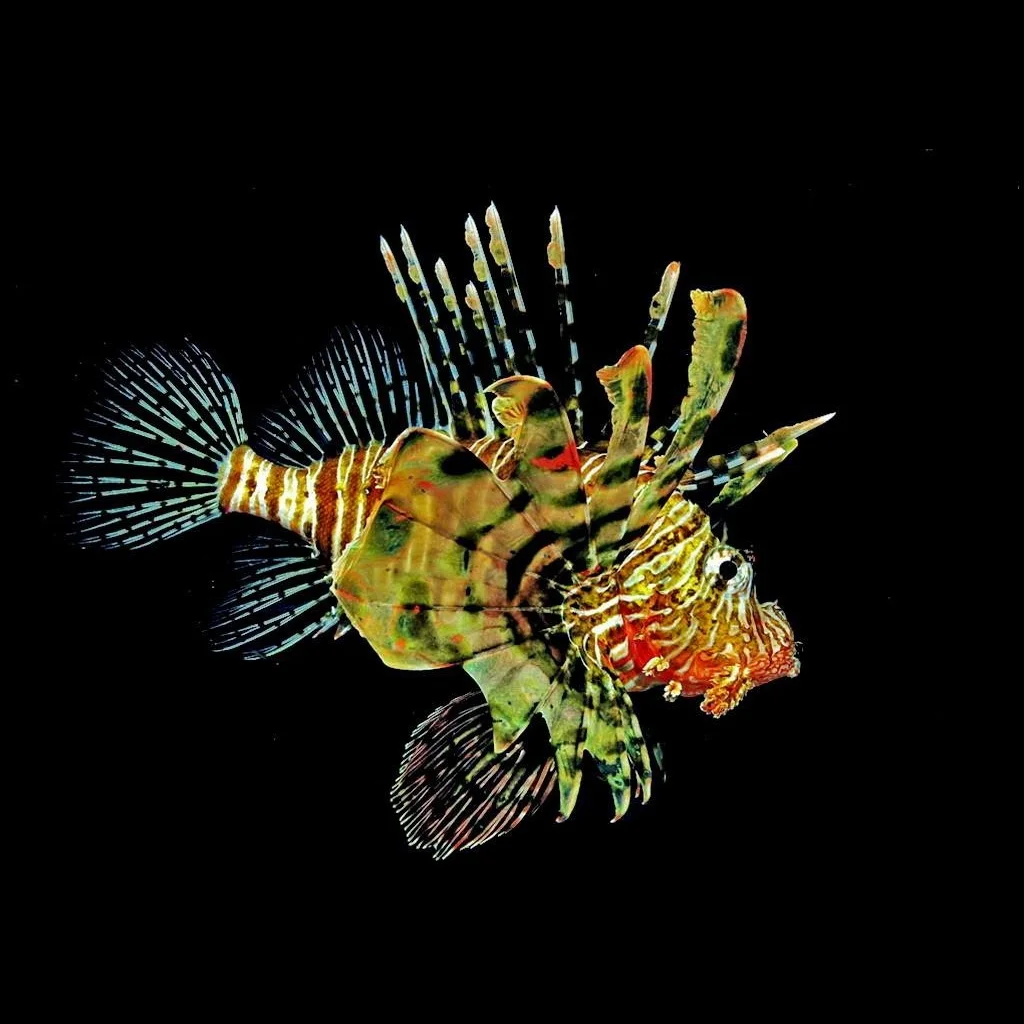
Lionfish hunts demand careful handling due to their venomous spines. Dive Against Debris projects require vigilance to avoid entanglement or injury from submerged trash.
Proper training for specific tasks, such as coral propagation or lionfish culling, is essential. Always dive within your certification limits and be aware that conditions like currents and visibility may change.
Many marine protected areas (MPAs) where some conservation efforts occur may require a small entry fee, which directly supports their management and conservation measures.
Recommended Equipment
- Dive Computer
This gear list is based on verified equipment signals for Restorer, United States. Always confirm final gear choices with your dive operator, guide, or liveaboard.
Recommended Dive Suit
In these water temperatures, 3-5mm wetsuit is a common choice for recreational diving. A hood or vest is suggested for sensitive divers due to surface winds. Surface intervals may feel cooler. Longer dive profiles can make thermal protection more important than short exploratory dives.
At the moment, divers exploring Restorer will likely experience water temperatures near 23°C (73°F). Surface air temperatures are resting at 23°C (73°F).
Weather models indicate a small drop in surface temperatures later this week. Cooler days are ahead; you might want a warmer option for later in the week. Bringing an additional thermal layer can be helpful if conditions change.
Due to technical issues with our weather providers, data hasn't been fetched for over 48 hours. The data above reflects the conditions at the time of the last successful fetch.
Emergency & Medical Support
Essential information to help you plan your dive trip to Restorer.

Hyperbaric chambers are a critical part of dive safety infrastructure. Availability varies significantly by region, and not all dive areas have immediate access.
Before diving, it's recommended to:
- confirm nearest medical facilities
- check emergency procedures with local dive operators
- ensure dive insurance covers evacuation if required
Divers Alert Network
Diving emergency assistance available through DAN World.
+1-919-684-9111- 24/7 emergency hotline
- Diving medical assistance
- Evacuation coordination
Emergency contacts are provided for reference. Always verify local emergency services before diving.
Marine Life at Restorer
The focus of diving at Restorer centers around the marine life that benefits from, or is directly involved in, conservation efforts. Divers might encounter critically endangered coral species being outplanted and monitored in restoration workshops.
Observing a diverse array of fish is central to programs like REEF's Volunteer Fish Survey Project, which documents local biodiversity. Invasive species, such as lionfish, are frequently targeted for removal, playing a critical role in protecting native reef ecosystems.
Additionally, divers may come across marine life that has been entangled in ghost fishing gear, which is then safely removed, or observe animals benefiting from the protection offered by Marine Protected Areas.
Dive Sites Near Restorer
View all dive sites in United StatesDiscover more underwater gems in this area.
Dive Centers Near Restorer
Today: 08:00 - 18:00
Nearest Airports
Nearest airports to help plan travel to this dive area.
Search Flights
Check available flights and routes on Expedia, using the nearby airports listed in this section.
Search Flights on Expedia
Plan Your Stay
Looking for a place to stay for your dive trip? Explore hotels, stays, and vacation rentals for dive groups near Spring Lake.
Dive Navigator may earn a commission from these links at no extra cost to you.
Frequently Asked Questions
What is citizen science diving?
Citizen science diving involves recreational divers collecting data or performing tasks that contribute to scientific research and conservation. This can include fish counts, coral restoration, or marine debris removal, often in collaboration with research organizations.
How can I participate in coral restoration?
You can participate by enrolling in coral restoration workshops offered by organizations like the Coral Restoration Foundation in Florida. These programs teach divers how to maintain coral nurseries, propagate, and outplant corals onto existing reefs.
What is the Great Annual Fish Count?
The Great Annual Fish Count is an event held each July by REEF, where divers actively count fish species to involve communities in marine biodiversity awareness. Participants record species seen and their abundance, then upload findings to REEF’s database.
What should I carry for ghost net removal?
For ghost net removal, it's recommended to carry a small line cutter and a sharp, serrated folding knife. These tools help divers safely remove discarded fishing gear and prevent entanglement.
Are lionfish hunts safe for divers?
Lionfish hunts can be safe if proper precautions are taken. Divers need to avoid their venomous spines while spearing and filleting. Many operators offer these dives, especially during summer derbies in Florida.
Can my underwater photos help conservation?
Yes, your underwater photos can contribute significantly. Crowdsourced platforms like MantaMatcher, IDtheManta, Wildbook for Whale Sharks, or iNaturalist allow you to upload sightings, aiding scientists in tracking marine life and informing conservation efforts.
Planning to dive Restorer?
Send one inquiry and receive offers directly from the best verified local dive operators.
Conditions are Good
Optimal conditions expected
Current conditions near Restorer show 23° air, 23° sea temperature, 1.0 m waves, and 33 km/h wind. Forecast data is refreshed regularly to ensure accuracy.