
Diving at Sagamore (United States)
For divers seeking the invigorating challenge and rugged beauty characteristic of New England's underwater environment, Sagamore offers access to a rich coastal experience. Exploring these cooler waters means embracing dynamic conditions and resilient marine encounters. It's a dive that rewards preparedness and a keen eye for aquatic life, promising memorable outings that truly reflect the region's unique charm.
Evening condition tracking at Sagamore features an air temperature of 23°C. We have recorded wave heights measuring 0.6 m during this period. These figures outline the environmental parameters currently present.
Dive Site Location & Key Facts
Dive Site Overview
Coastal diving environments accessible from Sagamore, particularly in the Portsmouth region, reveal a rugged underwater landscape shaped by millennia of glacial activity and erosion. Divers will encounter a prevalence of rocky reefs, distinct ledges, and often interspersed patches of sandy bottom that characterize much of the New England shoreline.
While specific site depths vary, many recreational dives here typically explore maximum depths of around 30 m (100 ft). These temperate waters are known for their dynamic nature; expect to navigate through potential sediment movement, which can influence visibility significantly depending on tidal cycles and recent weather. Shore entry points and boat access often lead to sites featuring interesting rock formations, crevices, and even kelp beds, providing shelter for local species.
The local dive community actively explores these often current-swept environments, finding a unique adventure in the underlying geology and the hardy ecosystems it supports. These conditions demand careful planning and appropriate equipment.
Conditions are Good
Optimal conditions expected
Current conditions near Sagamore show 23° air, 23° sea temperature, 1.0 m waves, and 34 km/h wind. Forecast data is refreshed regularly to ensure accuracy.
Best Time to Dive
Optimal diving conditions in the Sagamore region typically align with the warmer summer months, particularly July, which consistently shows a 'Good' dive score. During this peak period, average air temperatures reach around 24°C (75°F), providing comfortable surface intervals. Wave heights are generally lower, averaging about 1.0 meters (3.3 feet), and wind speeds decrease to roughly 28.4 km/h (17.6 mph), contributing to calmer waters. Precipitation remains relatively low, with July experiencing approximately 2.4 mm (0.09 inches) of rain. Conversely, winter months present significant challenges; January air temperatures hover around 2°C (36°F), accompanied by higher wave activity and stronger winds, making diving less feasible for many. Spring and autumn offer moderate conditions, with air temperatures ranging from 6.5°C (44°F) in March to 21°C (70°F) in September. During these shoulder seasons, increased wave heights, sometimes exceeding 1.4 meters (4.6 feet), and higher wind speeds demand greater caution and experience. Planning dives in the summer maximizes the chances for more favorable conditions, although the unique character of New England diving is present year-round for those prepared.
PEAK SEASON SCORE
Scores combine air & water temps, waves, wind & rainfall for overall conditions.
BEST MONTHS TO DIVE
Monthly records compiled from satellite and marine observation nodes over the last 3 years. Data provided by Open-Meteo and MET Norway.
Dive Experience & Conditions
Diving in the Sagamore area often means contending with cool water temperatures and variable visibility. While specific water temperature data isn't consistently reported, coastal New England waters typically range from cool to cold, necessitating appropriate thermal protection year-round. Visibility can fluctuate significantly, ranging from 3-15 m (10-50 ft) depending on tidal movements, recent weather events, and local currents. Surface conditions are frequently influenced by prevailing winds, which average between 28-40 km/h (17-25 mph) throughout the year, generating wave heights from 1-1.4 meters (3-4.5 feet) on average. Stronger currents can be encountered, especially around points and channels, demanding excellent buoyancy control and navigation skills. This environment rewards divers who are proficient in temperate water techniques and who appreciate a rugged, dynamic experience that truly embodies New England's coastal character.
Dive Difficulty & Safety Guidelines
Navigating the waters near Sagamore requires adherence to robust safety protocols. Given the cool water conditions, comprehensive thermal protection, such as a drysuit or a thick wetsuit, is generally recommended to prevent hypothermia.
Varied currents and limited visibility sometimes pose challenges, so maintaining situational awareness and staying close to your buddy are critical. Always check local marine forecasts for wave height and wind speed, as conditions can change rapidly in coastal New England.
Boat traffic, particularly in busy channels or near shorelines, necessitates careful ascent and descent procedures, often including the deployment of a surface marker buoy. Local dive shops, such as those found on Sagamore Avenue in Portsmouth, provide valuable insights into current conditions and site-specific recommendations.
Prior planning and conservative dive profiles are essential for a safe and enjoyable experience here.
Recommended Equipment
- Dive Computer
This gear list is based on verified equipment signals for Sagamore, United States. Always confirm final gear choices with your dive operator, guide, or liveaboard.
Recommended Dive Suit
Forecast models show minimal temperature variation in the coming days.
Some divers prefer slightly warmer exposure protection simply for additional comfort.
3-5mm wetsuit usually works well for maintaining comfort during standard dive profiles in these conditions. A hood or vest is suggested for sensitive divers due to surface winds. Surface intervals may feel cooler. The latest environmental readings for Sagamore suggest water temperatures around 23°C (73°F). Surface air temperatures are resting at 23°C (73°F).
Due to technical issues with our weather providers, data hasn't been fetched for over 48 hours. The data above reflects the conditions at the time of the last successful fetch.
Emergency & Medical Support
Essential information to help you plan your dive trip to Sagamore.

Hyperbaric chambers are a critical part of dive safety infrastructure. Availability varies significantly by region, and not all dive areas have immediate access.
Before diving, it's recommended to:
- confirm nearest medical facilities
- check emergency procedures with local dive operators
- ensure dive insurance covers evacuation if required
Divers Alert Network
Diving emergency assistance available through DAN World.
+1-919-684-9111- 24/7 emergency hotline
- Diving medical assistance
- Evacuation coordination
Emergency contacts are provided for reference. Always verify local emergency services before diving.
Marine Life at Sagamore
Despite the cooler temperatures, the waters around Sagamore host a resilient array of marine life, thriving in the temperate coastal ecosystem. Divers frequently observe various species adapted to rocky habitats.
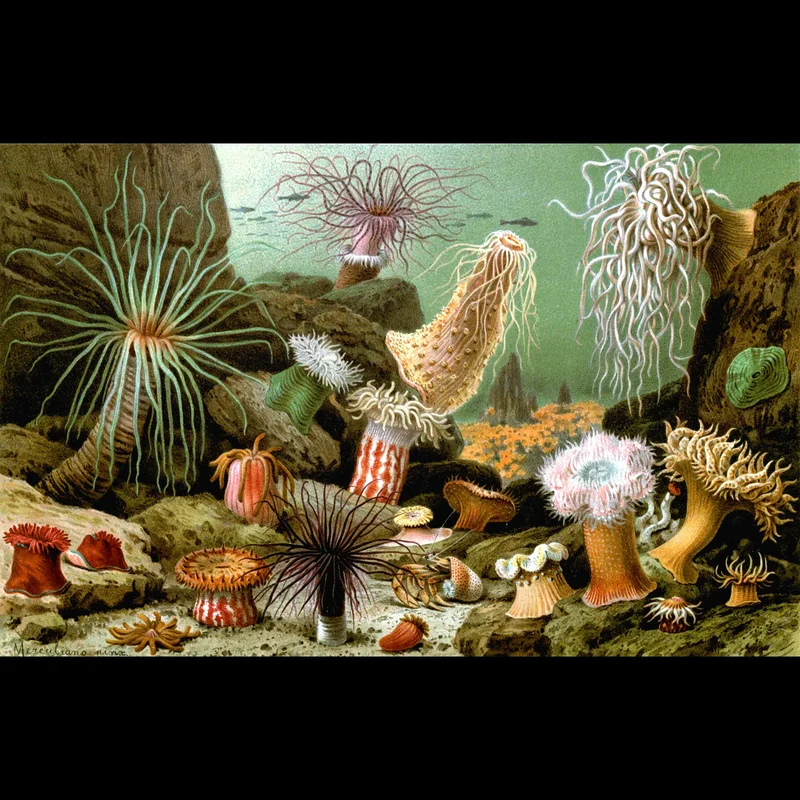
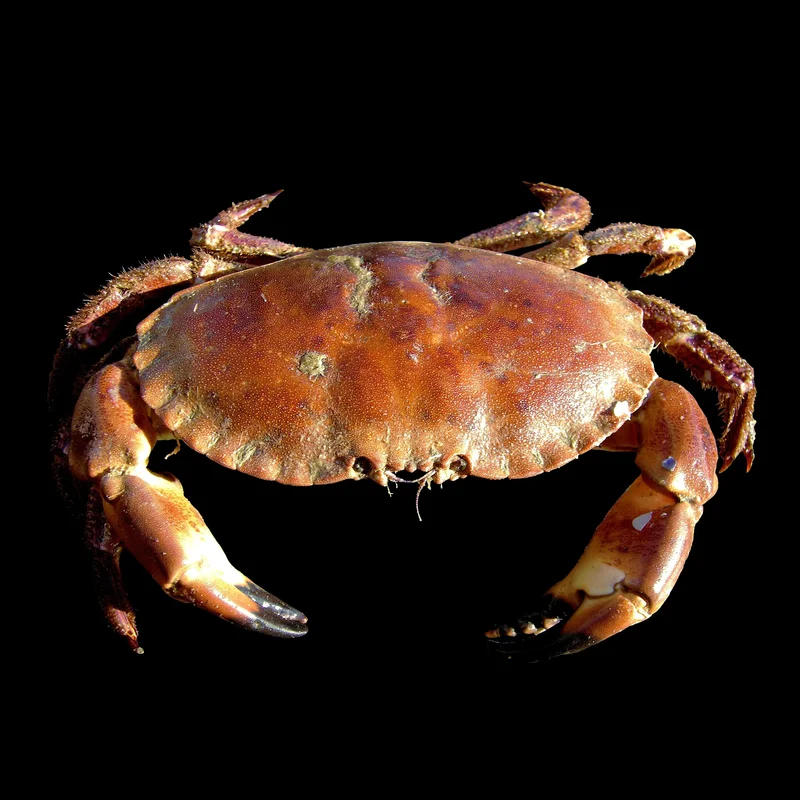
Look for colorful anemones, sea stars clinging to ledges, and robust crabs tucked into crevices. Various fish species, including sculpins and cunner, patrol the reef structures.
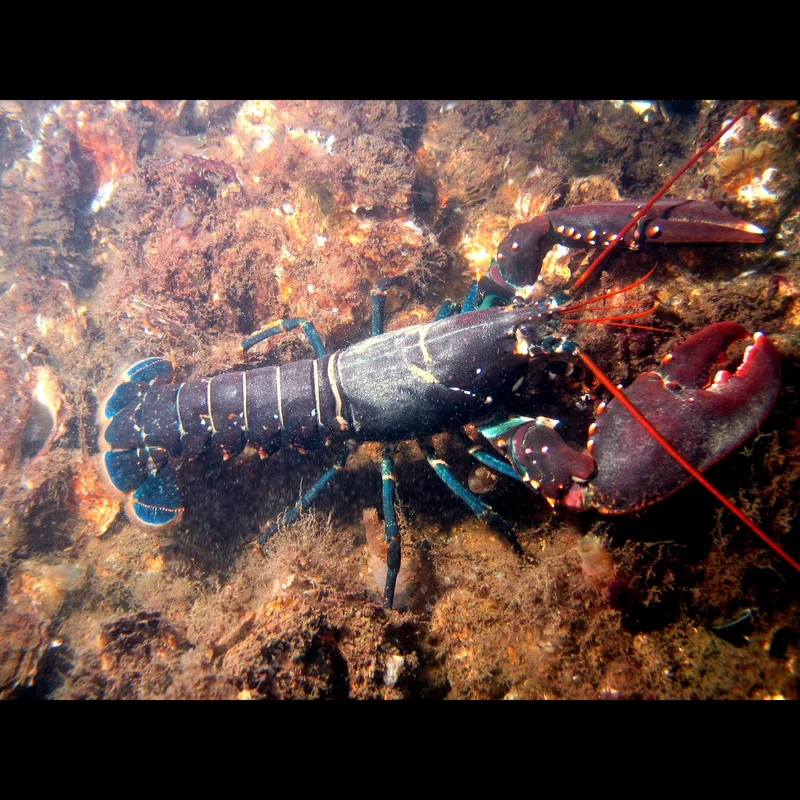
Keep an eye out for lobsters, often camouflaged against the dark rocks. While large pelagics are less common directly off the immediate coast, the rich ecosystems provide continuous smaller-scale discoveries for the observant diver.

Dive Centers Near Sagamore

Nearest Airports
Nearest airports to help plan travel to this dive area.
Search Flights
Check available flights and routes on Expedia, using the nearby airports listed in this section.
Search Flights on Expedia
Plan Your Stay
Looking for a place to stay for your dive trip? Explore hotels, stays, and vacation rentals for dive groups near Brigantine.
Dive Navigator may earn a commission from these links at no extra cost to you.
Frequently Asked Questions
What kind of diving is primarily available near Sagamore, New England?
The diving primarily features temperate coastal environments with rocky reefs, ledges, and sandy bottoms. It's known for its rugged underwater topography and opportunities to explore New England's unique marine life.
What are the typical water temperatures for diving here?
Coastal New England waters near Sagamore are generally cool to cold year-round. While specific numbers vary, divers should prepare for conditions requiring significant thermal protection like a drysuit or thick wetsuit.
Is Sagamore also associated with freshwater diving in Lake George?
Yes, The Sagamore Resort in Lake George, New York, is a different 'Sagamore' location known for freshwater shipwreck diving. This offers a distinct experience focused on historical wrecks in a landlocked lake, separate from the coastal diving described for New England.
What is the typical visibility in these waters?
Visibility in the Sagamore area can be quite variable, ranging from 3 to 15 meters (10 to 50 feet). It largely depends on factors such as tidal movements, recent precipitation, and local current strength.
Are strong currents common in this region?
Stronger currents can certainly be encountered, particularly around prominent points, channels, and during significant tidal exchanges. Divers should be prepared for potential water movement and possess good buoyancy and navigation skills.
What skill level is recommended for diving near Sagamore?
Given the dynamic conditions, cool water, and potential currents, an intermediate to advanced skill level is generally recommended. Divers should be comfortable with temperate water diving techniques and self-sufficient in varying conditions.
Which months offer the best diving conditions?
The months of July, August, and early September generally offer the most favorable diving conditions. These months see warmer air temperatures, typically lower wave heights, and reduced wind speeds, contributing to a more comfortable diving experience.
Planning to dive Sagamore?
Send one inquiry and receive offers directly from the best verified local dive operators.
Conditions are Good
Optimal conditions expected
Current conditions near Sagamore show 23° air, 23° sea temperature, 1.0 m waves, and 34 km/h wind. Forecast data is refreshed regularly to ensure accuracy.