
Diving at Sand Dollar Reef (United States)
A deliberate effort to enhance marine ecosystems and recreational opportunities along Florida's scenic 30A corridor led to the creation of this significant artificial reef. Sculpted to reflect a distinctive marine shape, it serves as a central point for both snorkelers and divers. This structure represents a key component in a broader series of installed marine-themed features, designed to support local biodiversity and provide accessible underwater exploration within the United States.
Afternoon measurements for Sand Dollar Reef show the air has reached 29°C. The recorded surface conditions at this location feature wave heights of 0.4 m. These metrics are updated to reflect the ongoing daily shifts.
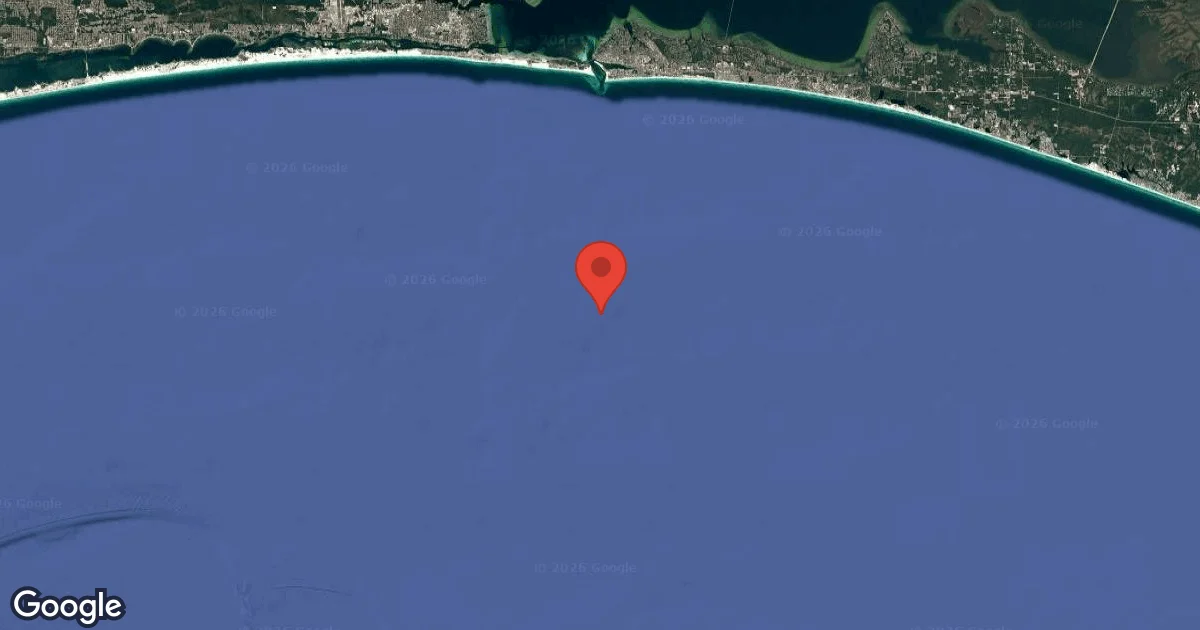
Dive Site Location & Key Facts
Dive Site Overview
Sand Dollar Reef offers a distinct underwater topography, centered around its purpose-built artificial structure sculpted into the precise shape of a sand dollar. This inventive design provides a unique navigational experience for divers, inviting exploration around its radial patterns and intricate contours.
Situated along Florida’s scenic 30A corridor, the reef is accessible for both snorkeling and recreational scuba diving. While no community dive logs have been submitted to provide specific depths, its primary design as a snorkel reef indicates that the majority of the structure resides within shallower, accessible water. Divers operating within standard recreational depth limits will find ample opportunity to survey this developing marine habitat.
The site acts as a growing foundation for various marine organisms, gradually transforming its manufactured surface into a vibrant ecosystem. Surface conditions are generally influenced by regional weather patterns; average wave heights fluctuate from a calmer 0.7 m (2.3 ft) during the summer to around 1.4 m (4.6 ft) in winter, potentially impacting entry and exit.
Divers should account for these variable conditions, along with prevailing wind speeds that average from 23.3 km/h (14.5 mph) in July to 36.7 km/h (22.8 mph) in January, when planning their visit.
Conditions are Excellent
07:00 - 14:00
Optimal conditions expected
Current conditions near Sand Dollar Reef show 29° air, 30° sea temperature, 0.5 m waves, and 18 km/h wind. Forecast data is refreshed regularly to ensure accuracy.
Best Time to Dive
Optimal visibility at Sand Dollar Reef typically aligns with the warmer months, specifically from May through September, when regional dive scores are consistently rated "Good." During this period, air temperatures are most favorable, ranging from 24.5°C (76°F) in May to a peak of 29°C (84°F) in August. Such stable conditions often contribute to improved underwater clarity. Rainfall is also generally lower, with monthly averages between 3.01 mm in June and 5.62 mm in September, lessening runoff that could impact visibility. Conversely, the "Moderate" diving season, spanning October through April, sees cooler air temperatures, from 14°C (57°F) in January to 23.5°C (74°F) in October. Increased wave activity and higher wind speeds during these months, particularly from December to March, could lead to reduced visibility, making dive planning around weather forecasts even more critical.
PEAK SEASON SCORE
Scores combine air & water temps, waves, wind & rainfall for overall conditions.
BEST MONTHS TO DIVE
Monthly records compiled from satellite and marine observation nodes over the last 3 years. Data provided by Open-Meteo and MET Norway.
Dive Experience & Conditions
Beginning your descent at Sand Dollar Reef introduces you to a unique artificial structure designed for both visual interest and habitat creation. While site-specific condition logs are not consistently reported, general regional conditions can inform expectations. Waters typically maintain comfortable temperatures; although not explicitly reported for this specific site, air temperatures seasonally vary from 14-29°C (57-84°F), which can indicate overall water conditions. Its distinctive sculpted form immediately captures attention, guiding divers through shallow contours. This depth range is well within recreational limits, allowing for relaxed exploration. Surface conditions, including wave height averaging 0.7-1.4 m (2.3-4.6 ft), influence the entry and exit from shore. Dive experiences here will largely involve observing the colonization of marine life on the artificial structure, making it a good site for documenting early ecological development.
Dive Difficulty & Safety Guidelines
While no specific hazards are reported for Sand Dollar Reef, adherence to general safe diving practices is paramount. As an artificial reef primarily accessible via shore entry, divers should assess surface conditions, including wave action and currents, before entering the water.
Always dive within your certification limits and maintain a conservative dive plan, particularly given the lack of extensive site-specific logged data. Practicing the buddy system is essential, ensuring a partner is always present for mutual support and safety.
Respect the artificial structure by avoiding contact with its surfaces or any developing marine growth. Proper buoyancy control helps protect the emerging ecosystem and prevents accidental damage.
Stay updated on local weather forecasts; rapidly changing conditions can affect the dive experience.
Recommended Equipment
- Dive Computer
This gear list is based on verified equipment signals for Sand Dollar Reef, United States. Always confirm final gear choices with your dive operator, guide, or liveaboard.
Recommended Dive Suit
The latest conditions reported around Sand Dollar Reef place the water temperature close to 30°C (85°F). Surface air temperatures are resting at 29°C (84°F).
For the majority of recreational dives here, dive skin or rash guard should provide suitable protection.
Environmental conditions are expected to remain consistent in the short-term outlook.
Emergency & Medical Support
Essential information to help you plan your dive trip to Sand Dollar Reef.

Hyperbaric chambers are a critical part of dive safety infrastructure. Availability varies significantly by region, and not all dive areas have immediate access.
Before diving, it's recommended to:
- confirm nearest medical facilities
- check emergency procedures with local dive operators
- ensure dive insurance covers evacuation if required
Divers Alert Network
Diving emergency assistance available through DAN World.
+1-919-684-9111- 24/7 emergency hotline
- Diving medical assistance
- Evacuation coordination
Emergency contacts are provided for reference. Always verify local emergency services before diving.
Marine Life at Sand Dollar Reef
As an artificial structure, this reef acts as an ecological magnet, drawing diverse marine life to its developing surfaces. Without specific logged observations, general expectations for artificial reefs in the Florida region include various local fish species seeking shelter and foraging opportunities.
Divers might encounter smaller schooling fish, opportunistic crustaceans, and a range of invertebrates colonizing the reef's contours. The sculpted form provides numerous nooks and crannies, serving as nascent habitats for juvenile marine animals.
Observing the gradual growth of corals and sponges on the artificial substrate is also a key aspect of exploring this evolving underwater environment.
Dive Sites Near Sand Dollar Reef
View all dive sites in United StatesDiscover more underwater gems in this area.
Dive Centers Near Sand Dollar Reef
Today: Closed
Nearest Airports
Nearest airports to help plan travel to this dive area.
Search Flights
Check available flights and routes on Expedia, using the nearby airports listed in this section.
Search Flights on ExpediaFrequently Asked Questions
What is Sand Dollar Reef?
Sand Dollar Reef is a purpose-built artificial reef located along Florida's scenic 30A corridor in the United States. It's distinctively sculpted in the shape of a sand dollar, designed to provide both an engaging underwater structure and a habitat for marine life.
Can I scuba dive at Sand Dollar Reef?
Yes, Sand Dollar Reef is suitable for both snorkeling and recreational scuba diving. Its design suggests that the primary structure lies within shallower depths, accommodating standard recreational dive limits.
What are the typical dive conditions?
Site-specific dive logs are limited, but regional climate data indicates average wave heights vary from 0.7 m (2.3 ft) in summer to 1.4 m (4.6 ft) in winter. Air temperatures range from 14-29°C (57-84°F) throughout the year, influencing overall water conditions. Wind speeds also vary, from 23.3 km/h (14.5 mph) to 36.7 km/h (22.8 mph), which can impact surface conditions.
What kind of marine life can I expect to see?
As an artificial reef, Sand Dollar Reef is expected to attract local fish species, crustaceans, and various invertebrates as it matures. The structure provides new habitat, encouraging colonization and offering opportunities to observe developing marine ecosystems.
Is shore entry available at this site?
Yes, Sand Dollar Reef is designed with shore entry in mind. Divers should evaluate current surface conditions like waves before entering or exiting the water.
When is the best time to dive Sand Dollar Reef?
Diving conditions are generally most favorable from May through September. During this period, regional dive scores often rate as 'Good' due to warmer air temperatures and typically lower rainfall, which usually results in improved underwater visibility.
Do I need special certification for diving here?
For scuba diving, a PADI Open Water Diver certification or equivalent is generally required. This allows you to dive within recreational depth limits, which are applicable to this site.
Planning to dive Sand Dollar Reef?
Send one inquiry and receive offers directly from the best verified local dive operators.
Conditions are Excellent
07:00 - 14:00
Optimal conditions expected
Current conditions near Sand Dollar Reef show 29° air, 30° sea temperature, 0.5 m waves, and 18 km/h wind. Forecast data is refreshed regularly to ensure accuracy.