
Diving at Sand Key Nourishment Reef, IMR #1-1 (United States)
Sand Key offers highly variable visibility, sometimes upwards of 24 m (80 ft), which can shape the entire dive experience. Located about six to seven nautical miles south of Key West, this site within the Florida Keys Sanctuary Preservation Area is characterized by its clear to often exceptional water conditions. The iconic red iron lighthouse marks the location, drawing divers to a reef environment where light penetrates well.
Tonight's objective overview for Sand Key Nourishment Reef, IMR #1-1 shows an air temperature of 28°C. The measured surface conditions include wave heights around 0.6 m. This environmental data is logged for the close of the day.
Dive Site Location & Key Facts
Dive Site Overview
Sand Key, marked by its historic deactivated red iron lighthouse, presents a classic Florida Keys spur-and-groove reef system. This dynamic islet, composed of shifting sand and crushed coral, constantly offers changing underwater landscapes just seven miles south of Key West.
Diving here typically focuses on the southern side, where healthy coral colonies form distinct ridges, or "spurs," cut by sandy "grooves." Abundant ledges dot the terrain, providing shelter for various marine life. While anchoring is strictly prohibited to protect the fragile marine ecosystems, over 20 mooring buoys are available for diver access. This site, encompassing 286 acres, lies within the Florida Keys Marine Sanctuary, ensuring a protected environment.
Many new divers find an easy, relaxing dive, particularly due to abundant fish life and consistent sunlight penetration. Shallow sections are common, but deeper areas on the south side slope to about 20 m (65 ft) and even 27 m (90 ft) in some spots, offering a wider range for exploration.
Waving sea fans, corals, and sponges create an engaging underwater environment for both beginners and experienced open water divers navigating with a buddy.
Conditions are Good
Optimal conditions expected
Current conditions near Sand Key Nourishment Reef, IMR #1-1 show 28° air, 31° sea temperature, 0.3 m waves, and 29 km/h wind. Forecast data is refreshed regularly to ensure accuracy.
Best Time to Dive
Identifying the best time to dive at Sand Key involves considering seasonal variations in weather and marine activity. July typically offers excellent conditions for diving, with average air temperatures around 28.5°C (83°F), minimal wave heights averaging 0.4 m (1.3 ft), and lighter winds at 15.59 km/h (9.7 mph). Rainfall during July is moderate, at about 5.16 mm. Throughout much of the year, from January to June and September to December, conditions remain good for diving, with slightly higher wave heights, for instance, up to 0.9 m (3.0 ft) in January. Air temperatures gradually increase from January's 14.5°C (58°F) to July's peak, then slowly decline towards winter. While specific water temperatures are not consistently reported, the region generally features warm waters. Conditions can vary significantly; visibility, for instance, ranges from 4.5 m to 33.5 m (15 to 110 ft) depending on wind and wave action. Planning dives around periods of lower wind and wave activity can enhance the experience, particularly during months like July when conditions are often at their calmest.
PEAK SEASON SCORE
Scores combine air & water temps, waves, wind & rainfall for overall conditions.
BEST MONTHS TO DIVE
Monthly records compiled from satellite and marine observation nodes over the last 3 years. Data provided by Open-Meteo and MET Norway.
Dive Experience & Conditions
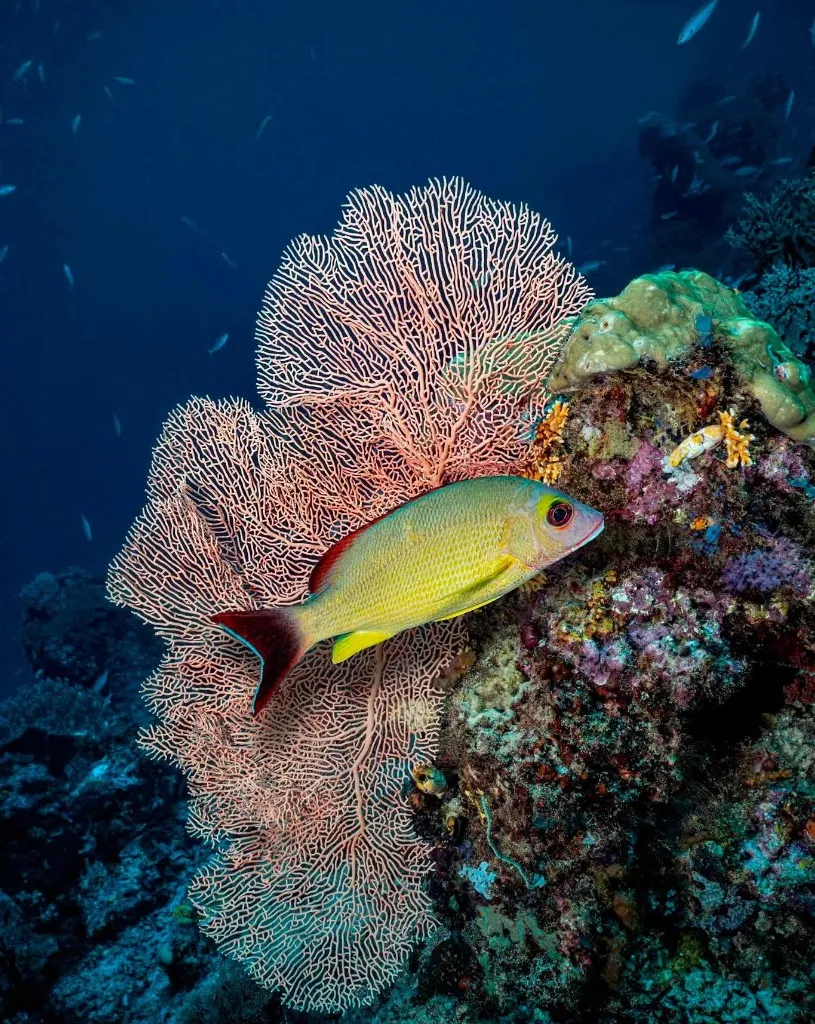
Entering the water at Sand Key, divers typically experience calm conditions from a boat. Often, divers are immediately greeted by schools of yellowtail snapper congregating under the boat as visibility frequently exceeds 24 m (80 ft). This site is well-regarded for its relatively easy and relaxing environment, making it suitable for beginners and open water divers. Currents here are usually minimal, allowing for comfortable navigation and exploration of the spur-and-groove reef structure. While much of the reef is super shallow, ranging from 4.5 m to 9 m (15 to 30 ft), offering ample sunlight, the southern side presents a gradual slope to deeper sections, reaching a maximum depth of around 20 m (65 ft), with some areas extending to 27 m (90 ft). These varied depths cater to different experience levels, ensuring that less experienced divers can easily surface if needed, while others can explore the deeper ledges.
Dive Difficulty & Safety Guidelines
Diving at Sand Key necessitates adherence to specific safety measures and regulations, primarily due to its designation as a Sanctuary Preservation Area (SPA) within the Florida Keys National Marine Sanctuary. Anchoring is strictly prohibited to safeguard the fragile marine ecosystems; divers must utilize one of the more than 20 available mooring buoys. As fishing is not allowed within the SPA, the marine environment remains protected, fostering abundant fish life.
Divers should be aware that descriptions of coral health or cover may not accurately reflect current conditions, as very high water temperatures in the summer of 2023 caused widespread coral bleaching and mortality throughout the Florida Keys. Maintaining good buoyancy control is crucial to avoid contact with the reef.
Staying informed about the special regulations applicable to this zone ensures a responsible and safe dive experience.
Recommended Equipment
- Dive Computer
This gear list is based on verified equipment signals for Sand Key Nourishment Reef, IMR #1-1, United States. Always confirm final gear choices with your dive operator, guide, or liveaboard.
Recommended Dive Suit
According to recent observations, water temperatures near Sand Key Nourishment Reef, IMR #1-1 are approximately 31°C (87°F). Surface air temperatures are resting at 28°C (83°F).
A modest cooling trend is expected in the upcoming forecast. Cooler days are ahead; you might want a warmer option for later in the week. A neoprene vest or hood can add flexibility if temperatures feel cooler underwater.
Divers who prefer moderate insulation typically choose dive skin or rash guard in similar environments. Consider warmer surface protection (like a boat coat) due to brisk winds. Many experienced divers adjust their exposure protection depending on the type of dive planned. Stronger winds may also make surface intervals feel cooler than usual.
Due to technical issues with our weather providers, live updates are temporarily delayed. The data above reflects the conditions at the time of the last successful fetch.
Emergency & Medical Support
Essential information to help you plan your dive trip to Sand Key Nourishment Reef, IMR #1-1.

Hyperbaric chambers are a critical part of dive safety infrastructure. Availability varies significantly by region, and not all dive areas have immediate access.
Before diving, it's recommended to:
- confirm nearest medical facilities
- check emergency procedures with local dive operators
- ensure dive insurance covers evacuation if required
Divers Alert Network
Diving emergency assistance available through DAN World.
+1-919-684-9111- 24/7 emergency hotline
- Diving medical assistance
- Evacuation coordination
Emergency contacts are provided for reference. Always verify local emergency services before diving.
Marine Life at Sand Key Nourishment Reef, IMR #1-1
Sand Key’s protected environment supports a rich array of marine life, making every dive a discovery. Divers frequently encounter green and spotted moray eels peeking from coral nooks or even ribboning across the reef.
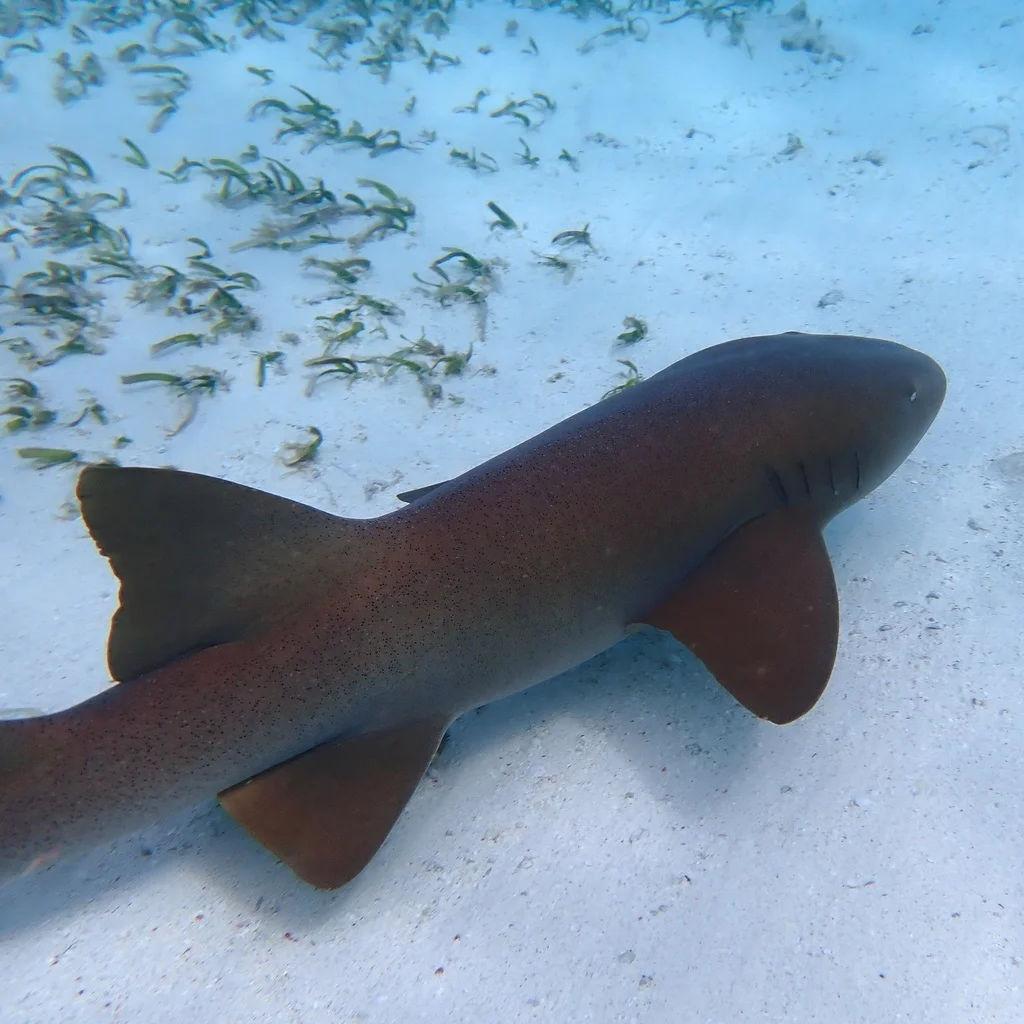
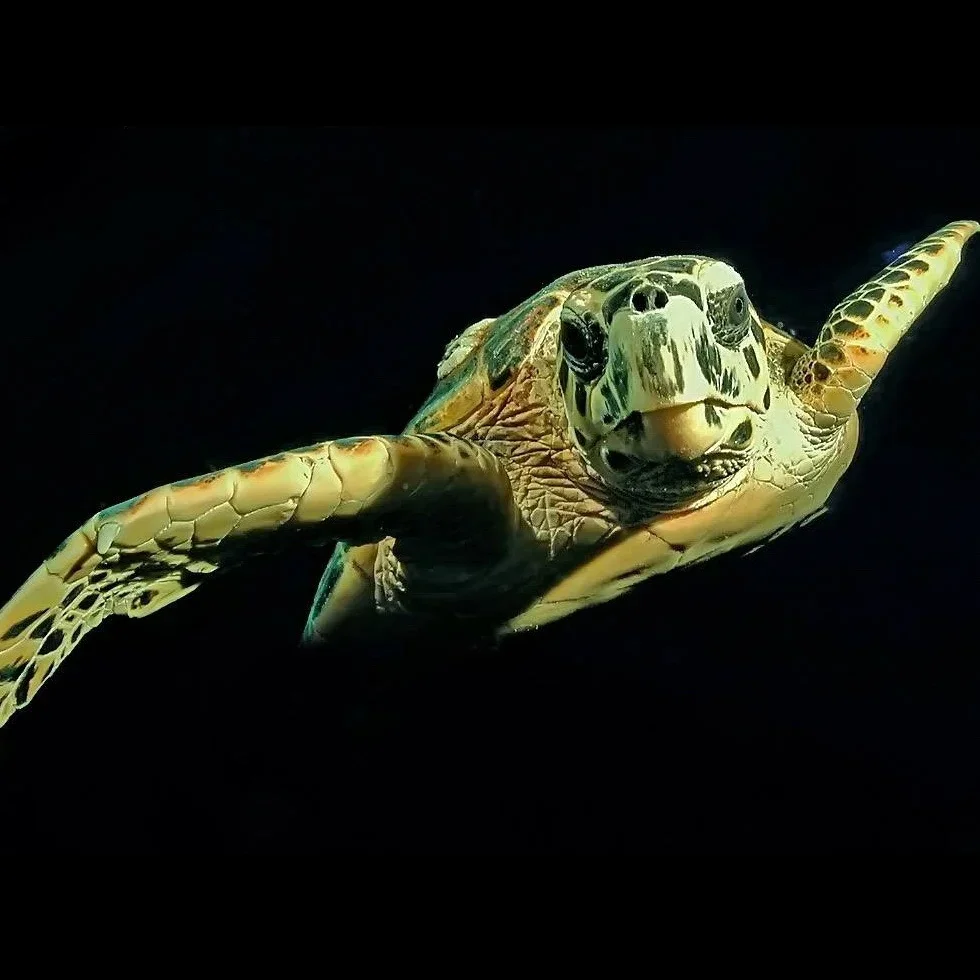
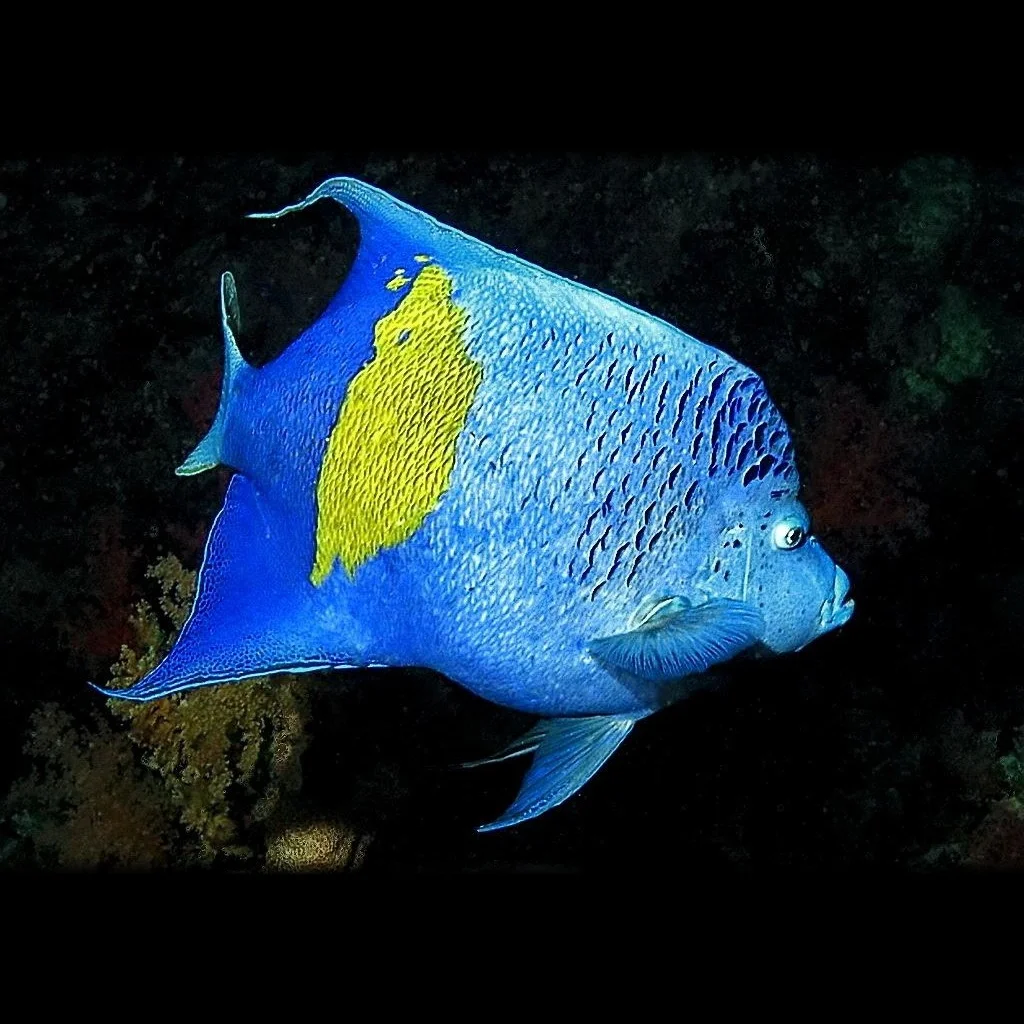
Nurse sharks and sea turtles, including green sea turtles and hawksbill turtles, often shelter under ledges. Schools of yellowtail snapper frequently greet divers upon entry, while angelfish, trumpetfish, and various pufferfish are common sights among the healthy coral formations like brain coral and staghorn coral.
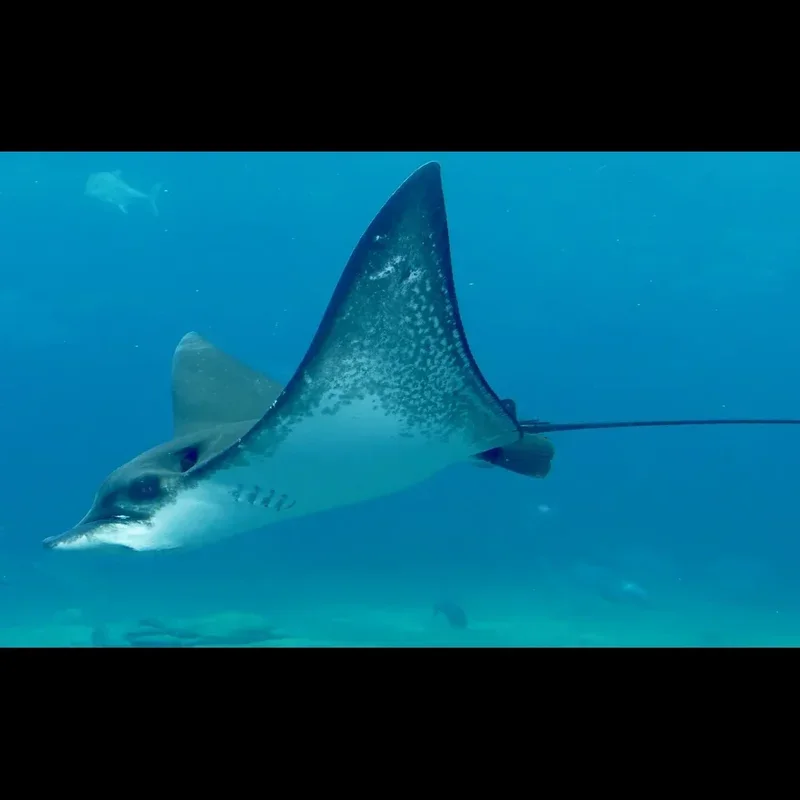
During summer months, observing tarpon, which can grow up to 2.4 m (8 ft) long, is possible. Eagle rays and goliath grouper are also occasionally seen patrolling the reef’s gullies.
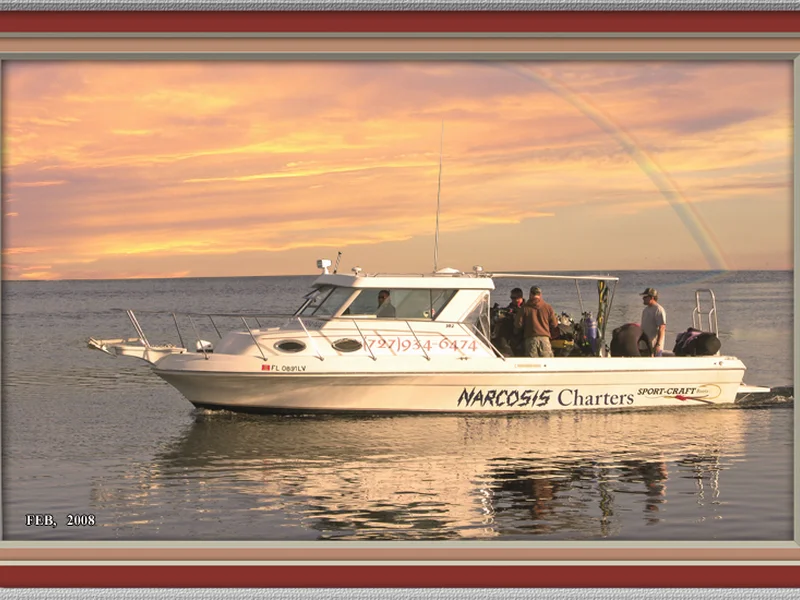
Dive Centers Near Sand Key Nourishment Reef, IMR #1-1
Today: 11:00 - 19:00
Nearest Airports
Nearest airports to help plan travel to this dive area.
Search Flights
Check available flights and routes on Expedia, using the nearby airports listed in this section.
Search Flights on Expedia
Plan Your Stay
Looking for a place to stay for your dive trip? Explore hotels, stays, and vacation rentals for dive groups near Indian Rocks Beach.
Dive Navigator may earn a commission from these links at no extra cost to you.
Frequently Asked Questions
What is the maximum depth at Sand Key Nourishment Reef?
While shallow reef sections range from 4.5 m to 9 m (15 to 30 ft), the southern side of the reef gradually slopes deeper. Maximum depths can reach approximately 20 m (65 ft), with some areas extending to 27 m (90 ft).
Is Sand Key suitable for beginner divers?
Yes, Sand Key is considered an excellent site for beginners due to its generally calm conditions and minimal currents. The shallow sections of the reef allow for easy surfacing if needed, and abundant marine life provides a captivating experience for new divers.
Are there any special regulations for diving at Sand Key?
As part of the Florida Keys Sanctuary Preservation Area (SPA), special regulations apply. Anchoring is strictly prohibited; divers must use the provided mooring buoys. Fishing is also not allowed within this protected zone.
What kind of marine life can I expect to see?
Sand Key is home to diverse marine species, including green and spotted moray eels, nurse sharks, and various sea turtles. Common reef fish like angelfish, pufferfish, and schools of yellowtail snapper are frequently observed, along with occasional sightings of goliath grouper and tarpon.
How is the visibility at Sand Key typically?
Visibility at Sand Key is highly variable, ranging from 4.5 m to 33.5 m (15 to 110 ft). Conditions depend significantly on factors such as wind, wave action, and monthly tide variations. It's common for visibility to be upwards of 24 m (80 ft) on good days.
What is the best way to access Sand Key Nourishment Reef?
Access to Sand Key is exclusively by boat. Divers utilize charter boats from Key West or surrounding areas. Anchoring is not permitted, so boats must tie off to one of the numerous mooring buoys.
Has coral health been affected recently at Sand Key?
Yes, very high water temperatures in the summer of 2023 led to widespread coral bleaching and mortality throughout the Florida Keys. Current descriptions of coral cover or health may not be accurate based on these conditions. Divers should observe responsibly and avoid contact with the reef.
Planning to dive Sand Key Nourishment Reef, IMR #1-1?
Send one inquiry and receive offers directly from the best verified local dive operators.
Conditions are Good
Optimal conditions expected
Current conditions near Sand Key Nourishment Reef, IMR #1-1 show 28° air, 31° sea temperature, 0.3 m waves, and 29 km/h wind. Forecast data is refreshed regularly to ensure accuracy.