
Diving at Sand Key Nourishment Reef, #2 (United States)
As divers descend into the clear waters near the deactivated 1853 Sand Key Lighthouse, the initial view reveals a shallow, sun-drenched spur-and-groove reef. This formation, marked by coral ridges and sandy channels, invites immediate exploration. Gently sloping from depths typically between 5 to 20 feet (1.5 to 6 m) on the spurs, the site offers an accessible entry for all certification levels. Its proximity to Key West makes it a convenient and rewarding dive destination.
Evening condition tracking at Sand Key Nourishment Reef, #2 features an air temperature of 26°C. We have recorded wave heights measuring 0.3 m during this period. These figures outline the environmental parameters currently present.
Dive Site Location & Key Facts
Dive Site Overview
Underwater topography at Sand Key Nourishment Reef, within the Sand Key Sanctuary Preservation Area, is characterized by its classic Florida Keys spur-and-groove formations. Ridges of vibrant coral, known as spurs, rise from the seafloor, typically between 1.5 to 6 m (5-20 ft), intercut with sandy bottom grooves.
Cliff-like structures provide numerous ledges and crevices, creating diverse habitats. On its northwest side, divers will find coral heads interspersed with mixed rubble, close to a lagoonal environment. Southern sections of the reef exhibit a gentle slope, leading down to a ledge at approximately 20 meters (65 feet) before reaching maximum depths around 27 meters (90 feet) in some areas.
Visibility here can vary significantly, often ranging from 4.5 to 33.5 m (15 to 110 ft), influenced by local wind patterns, wave action, and tidal cycles. A dynamic environment supports a rich marine ecosystem, making it a compelling site for extended bottom times within recreational limits.
Conditions are Good
Optimal conditions expected
Current conditions near Sand Key Nourishment Reef, #2 show 26° air, 30° sea temperature, 0.3 m waves, and 28 km/h wind. Forecast data is refreshed regularly to ensure accuracy.
Best Time to Dive
While Sand Key Nourishment Reef offers good dive conditions through much of the year, specific months stand out for optimal experiences compared to others. The summer months, particularly July, show an "Excellent" dive score with average air temperatures reaching 28.5°C (83°F), accompanied by lower average wave heights around 0.4 m (1.3 ft). Rain activity peaks during July and August, averaging 5.16 mm and 7.48 mm respectively, which can occasionally impact visibility but often provides warm, calm surface conditions for diving. Conversely, winter months like January feature cooler average air temperatures of 14.5°C (58°F) and slightly higher wave heights, yet still maintain a "Good" dive score. Divers preferring warmer air and calmer seas might target the late spring through early fall, aligning with generally favorable conditions and reduced winds.
PEAK SEASON SCORE
Scores combine air & water temps, waves, wind & rainfall for overall conditions.
BEST MONTHS TO DIVE
Monthly records compiled from satellite and marine observation nodes over the last 3 years. Data provided by Open-Meteo and MET Norway.
Dive Experience & Conditions
Divers exploring Sand Key will find a generally easy and relaxing environment, particularly suited for beginners and those seeking shallower profiles. Minimal current typically presents, allowing for comfortable navigation and extended observation of marine life. Significant sunlight penetrates the shallow depths, illuminating the vibrant underwater landscape. Maximum depths here are recreational, with many exciting areas accessible in the 4.5 to 9 meter range, while deeper sections can extend to about 27 meters. However, divers should note that water temperatures, especially during summer, can be very high, which historically led to widespread coral bleaching in 2023. Visibility at the site varies widely, from 4.5 m (15 ft) to sometimes over 30 m (100 ft), depending on recent weather and surge. Such dynamic ranges mean conditions can shift, requiring divers to check local reports.
Dive Difficulty & Safety Guidelines
Divers visiting Sand Key Nourishment Reef must be aware of its status as a Sanctuary Preservation Area, which entails strict regulations to protect marine habitats. Access is restricted, and specific activities like fishing are prohibited to sustain critical species. While currents are generally light, conditions can change, so monitoring local forecasts is always prudent.
Care should be exercised around the reef structure itself; fire coral is abundant in several sections and can cause irritating stings if touched. It's crucial for divers to maintain neutral buoyancy and avoid contact with any marine life or coral.
Also, artifacts from the original 1846 brick lighthouse are in the shallows; these are historical remnants and should not be disturbed. Always dive within your training limits and with a buddy.
Recommended Equipment
- Dive Computer
This gear list is based on verified equipment signals for Sand Key Nourishment Reef, #2, United States. Always confirm final gear choices with your dive operator, guide, or liveaboard.
Recommended Dive Suit
Divers who spend more time observing marine life often prefer slightly warmer gear.
Environmental readings suggest that the waters surrounding Sand Key Nourishment Reef, #2 are about 30°C (87°F) at the moment. Surface air temperatures are resting at 26°C (78°F). Water temperatures in this range are often well suited to diving with dive skin or rash guard. A hood or vest is suggested for sensitive divers due to surface winds.
Environmental conditions appear stable for the near future.
Emergency & Medical Support
Essential information to help you plan your dive trip to Sand Key Nourishment Reef, #2.

Hyperbaric chambers are a critical part of dive safety infrastructure. Availability varies significantly by region, and not all dive areas have immediate access.
Before diving, it's recommended to:
- confirm nearest medical facilities
- check emergency procedures with local dive operators
- ensure dive insurance covers evacuation if required
Divers Alert Network
Diving emergency assistance available through DAN World.
+1-919-684-9111- 24/7 emergency hotline
- Diving medical assistance
- Evacuation coordination
Emergency contacts are provided for reference. Always verify local emergency services before diving.
Marine Life at Sand Key Nourishment Reef, #2
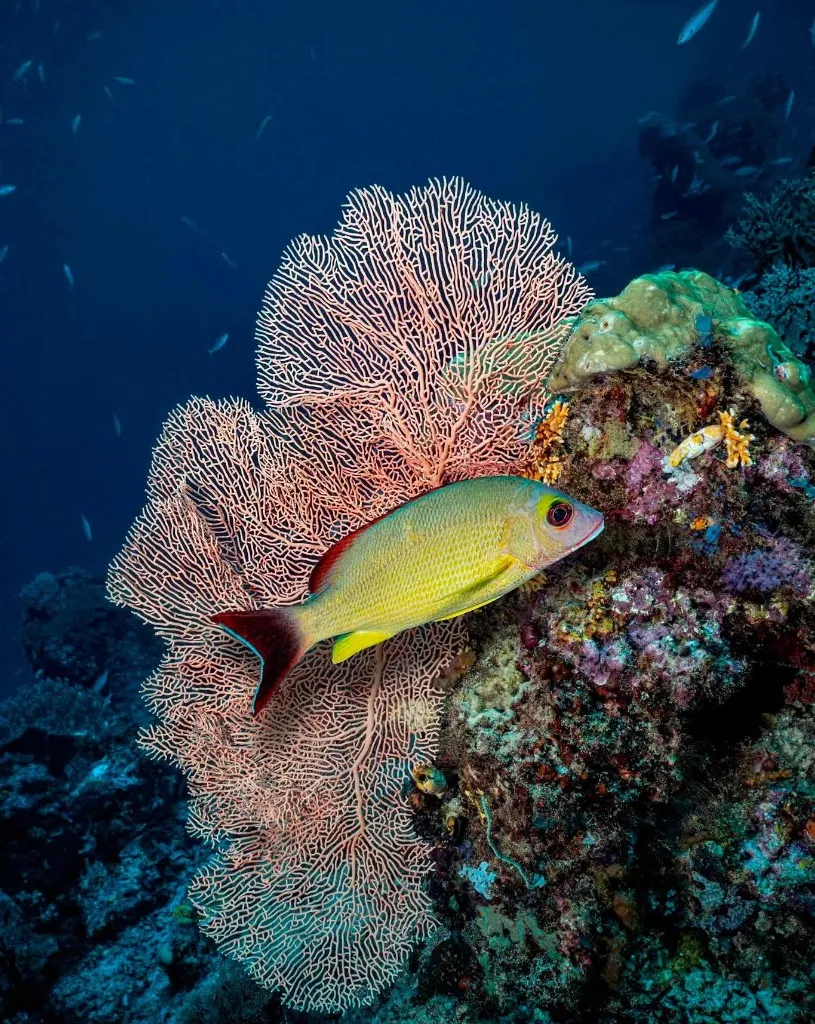
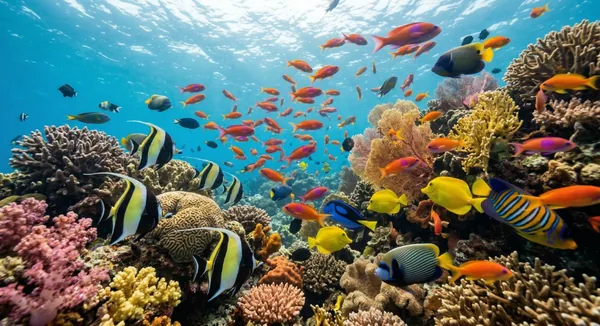
Upon entering the water at Sand Key, divers often first encounter clouds of yellowtail snapper schooling directly under the boat, a welcoming sight. The reef itself supports a great variety of typical Caribbean reef life, teeming with a diverse array of fish.
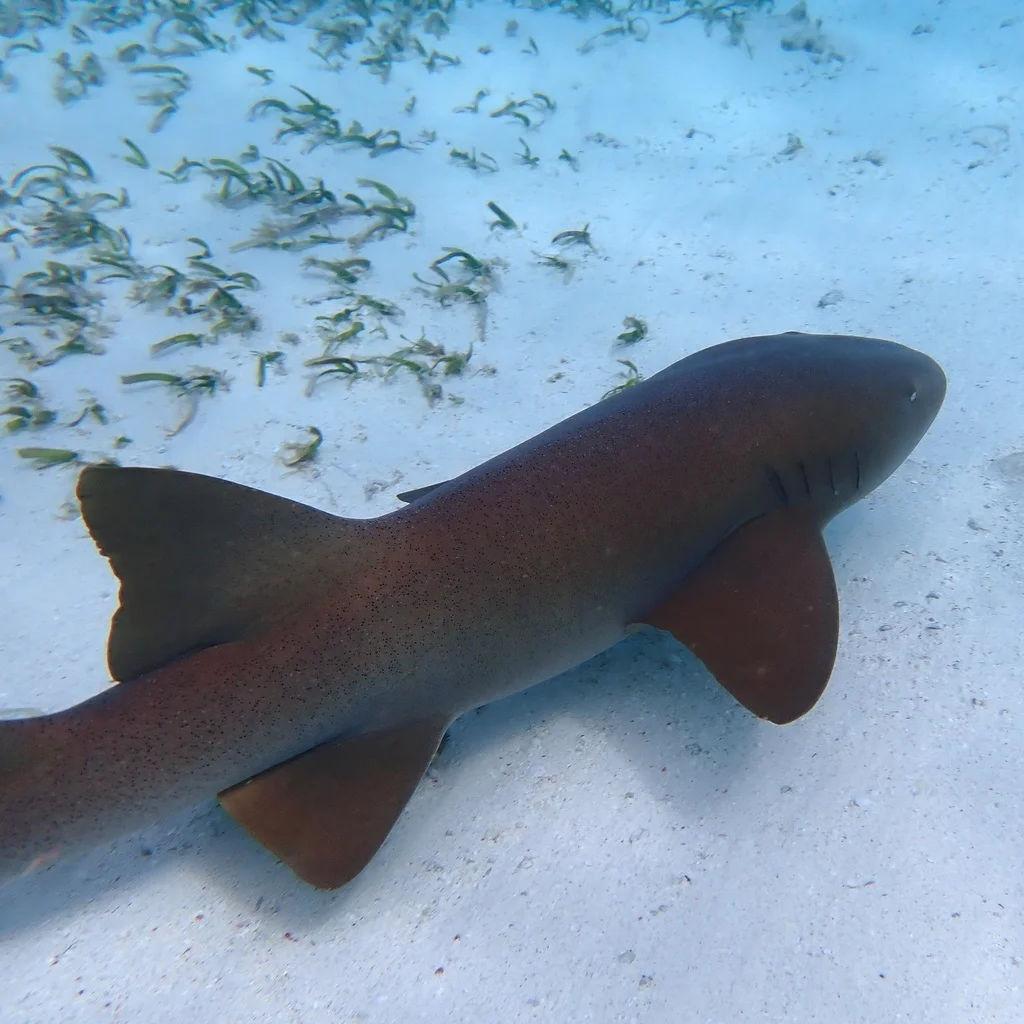
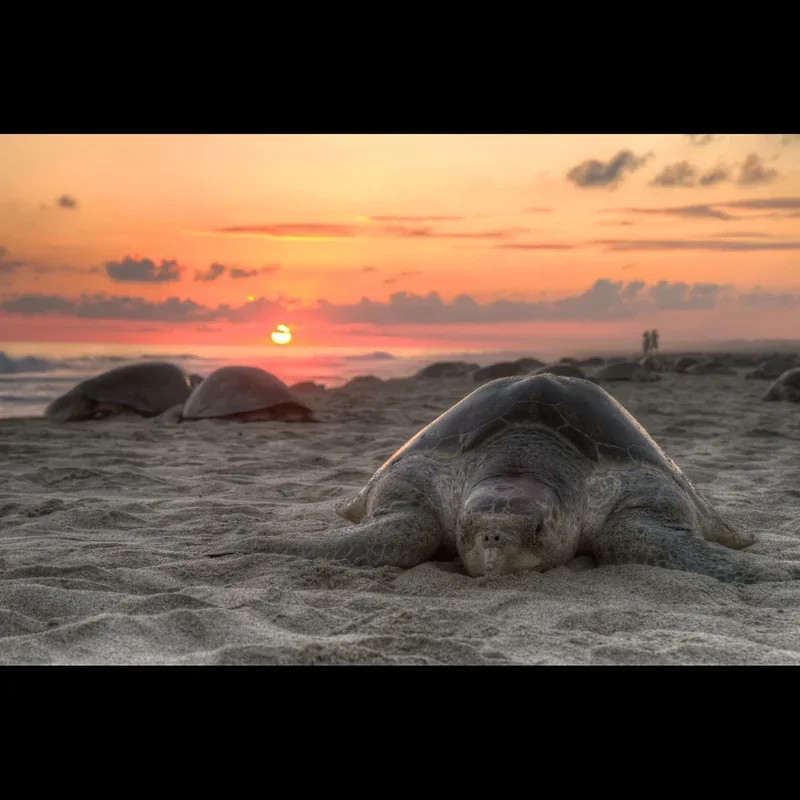
Among the waving sea fans, sponges, and various corals, observant divers may spot nurse sharks resting under ledges. Sea turtles also frequent these waters, gracefully gliding through the spur-and-groove formations.
The site is truly alive with an impressive spectrum of species, showcasing the richness fostered by its protected status.
Dive Centers Near Sand Key Nourishment Reef, #2
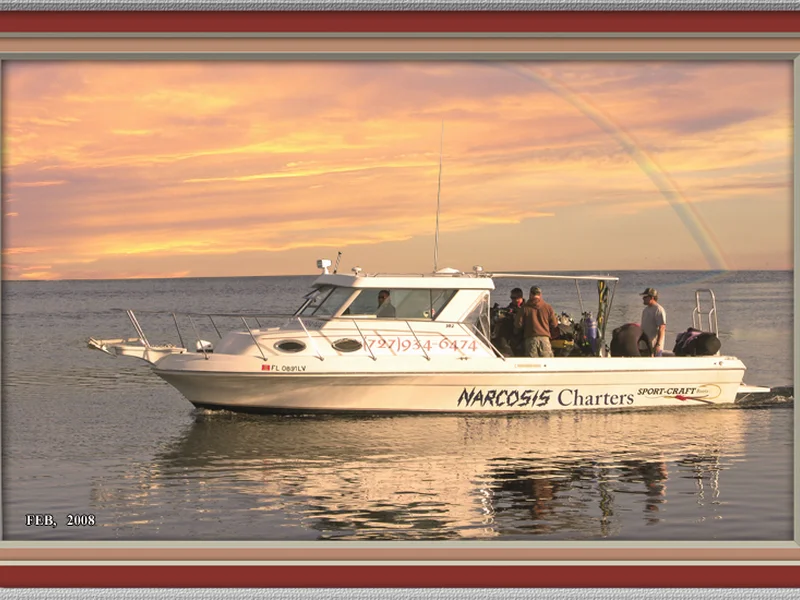
Today: 11:00 - 19:00
Nearest Airports
Nearest airports to help plan travel to this dive area.
Search Flights
Check available flights and routes on Expedia, using the nearby airports listed in this section.
Search Flights on Expedia
Plan Your Stay
Looking for a place to stay for your dive trip? Explore hotels, stays, and vacation rentals for dive groups near Indian Rocks Beach.
Dive Navigator may earn a commission from these links at no extra cost to you.
Frequently Asked Questions
What is the typical depth range at Sand Key Nourishment Reef?
Spurs on the reef are found between 1.5 to 6 m (5 to 20 ft), intercut with sandy grooves. Its southern side gradually slopes to a ledge around 20 m (65 ft), with some areas extending to 27 m (90 ft). This offers a broad recreational range for various dive profiles.
Is Sand Key suitable for beginner divers?
Yes, Sand Key is considered an easy and relaxing dive site, particularly well-suited for beginners. Its shallow depths, often around 4.5 to 9 m (15 to 30 ft), and typically light currents provide a comfortable environment for less experienced divers.
What kind of marine life can be expected?
Divers can expect to see typical Caribbean reef life, including schooling yellowtail snapper, a variety of reef fish, sea fans, corals, and sponges. Nurse sharks and sea turtles are also commonly sighted inhabitants of the reef's ledges and structures.
Are there any special regulations for diving here?
Sand Key Nourishment Reef is located within a Sanctuary Preservation Area. This means specific activities, such as fishing, are restricted. Divers must adhere to all local regulations to help protect this critical marine habitat.
How is the visibility at Sand Key?
Visibility at Sand Key can be highly variable, ranging from 4.5 m (15 ft) to over 30 m (100 ft). Conditions depend on factors such as local wind patterns, wave action, and monthly tide variations, so checking current reports is advisable.
What is the water temperature like at Sand Key?
Water temperatures at Sand Key vary seasonally, with summer months often experiencing very high temperatures. These warmer waters have historically contributed to coral bleaching events. Divers should be prepared for tropical conditions.
Is the Sand Key Lighthouse still active?
No, the historic Sand Key Lighthouse, which dates back to 1853, is now deactivated. It serves as a prominent landmark for the reef but no longer functions as a navigational aid.
Planning to dive Sand Key Nourishment Reef, #2?
Send one inquiry and receive offers directly from the best verified local dive operators.
Conditions are Good
Optimal conditions expected
Current conditions near Sand Key Nourishment Reef, #2 show 26° air, 30° sea temperature, 0.3 m waves, and 28 km/h wind. Forecast data is refreshed regularly to ensure accuracy.