
Diving at Sand Key Nourishment Reef, #5 (United States)
Sand Key Nourishment Reef, #5 presents a classic spur-and-groove reef structure positioned approximately six to seven nautical miles southwest of Key West, Florida. Deactivated, the historic Sand Key lighthouse marks the site, which functions as a Sanctuary Preservation Area. This designation helps protect its diverse marine environment. Primarily a shallow reef ranging from 4.5 to 9 m (15 to 30 ft), its southern side slopes to deeper sections, reaching 19.8 m (65 ft) and even 27.4 m (90 ft) in some areas.
As evening covers Sand Key Nourishment Reef, #5, the local air temperature is measured at 28.5°C. The current wave height at the surface is recorded at 0.6 m. These late-day readings characterize the surface conditions for the night.
Dive Site Location & Key Facts
Dive Site Overview
A rich historical narrative at Sand Key is deeply intertwined with its namesake lighthouse, originally completed in 1853. One of six cast-iron lighthouses erected in the Florida Keys during the 19th century, the structure was specifically designed to withstand hurricane forces.
Early Spanish explorers, referring to its shifting sand and crushed coral composition, initially named the area 'Cayos Arena'. Remnants from an even older brick lighthouse, lost in an 1846 storm, still rest in the shallower sections, hinting at the area's maritime past.
As a Sanctuary Preservation Area within the Florida Keys National Marine Sanctuary, anchoring is strictly prohibited to safeguard fragile marine ecosystems; over 20 mooring buoys are provided for diver use. This designation supports an environment rich in fish life, making it a vibrant destination.
The reef's sustained protection contributes to a thriving ecosystem where history meets vibrant biodiversity, showcasing conservation efforts and maritime heritage.
Conditions are Good
07:00 - 14:00
Optimal conditions expected
Current conditions near Sand Key Nourishment Reef, #5 show 29° air, 31° sea temperature, 0.3 m waves, and 22 km/h wind. Forecast data is refreshed regularly to ensure accuracy.
Best Time to Dive
For an optimal dive experience, planning a visit during the summer months generally offers the calmest conditions at Sand Key. July, in particular, often provides excellent dive scores, with average air temperatures around 28.5°C (83°F) and minimal wave activity. While July and August report slightly higher rainfall totals, the reduced wind speeds and wave heights contribute to generally good visibility, which can vary widely from 4.5 to 33.5 m (15 to 110 ft) depending on local conditions. Divers can enjoy comfortable air temperatures ranging from 26°C (79°F) in May to over 28°C (83°F) in July, with consistent 'Good' or 'Excellent' dive scores across most of the year. During these warmer months, there's also the possibility of spotting large tarpon cruising the reef.
PEAK SEASON SCORE
Scores combine air & water temps, waves, wind & rainfall for overall conditions.
BEST MONTHS TO DIVE
Monthly records compiled from satellite and marine observation nodes over the last 3 years. Data provided by Open-Meteo and MET Norway.
Dive Experience & Conditions
Stepping into the water at Sand Key often feels like entering a sun-drenched aquatic garden, especially in its shallower sections. Divers are frequently greeted by clouds of yellowtail snapper immediately upon entry. Generally, it's an easy, relaxing dive, with typically gentle currents, making it accessible for varying skill levels. The site’s characteristic spur-and-groove reef system features coral ridges cut with sandy bottom grooves, creating numerous ledges for marine life. While the typical recreational depth ranges from 4.5 to 9 m (15 to 30 ft), providing ample sunlight penetration, the southern side of the reef gradually slopes down. This gradient allows exploration to deeper ledges at 19.8 m (65 ft), with some areas dropping further to about 27.4 m (90 ft). Visibility here is notably dynamic, observed to span from 4.5 to 33.5 m (15 to 110 ft), influenced significantly by recent weather and tide patterns. Reports from summer 2023 indicated widespread coral bleaching and mortality in the Florida Keys, which may affect current reef health.
Dive Difficulty & Safety Guidelines
Maintaining safety and adhering to guidelines at this site ensures both diver well-being and environmental protection. It's widely regarded as an ideal location for new divers, offering a shallow, forgiving environment where the ability to easily surface enhances confidence. Minimal current further supports a relaxed experience for those still honing their skills.
All divers must observe the strict regulations of the Sanctuary Preservation Area; anchoring is prohibited, and fishing activities are not allowed, underscoring the site's conservation efforts. Utilize the readily available mooring buoys for boat securing.
Divers are reminded to practice responsible interactions with the marine environment by refraining from touching or collecting anything, aiming to 'take photos and leave only bubbles' to preserve the site's pristine condition for future visitors. The area supports a range of PADI certifications, from Open Water to Advanced and specialty courses like Peak Performance Buoyancy, indicating its versatility for skill development.
Recommended Equipment
- Dive Computer
This gear list is based on verified equipment signals for Sand Key Nourishment Reef, #5, United States. Always confirm final gear choices with your dive operator, guide, or liveaboard.
Recommended Dive Suit
Dive skin or rash guard is widely used for recreational dives in waters of this temperature. Consider warmer surface protection (like a boat coat) due to brisk winds. Those diving at Sand Key Nourishment Reef, #5 today will likely encounter water temperatures in the region of 31°C (88°F). Surface air temperatures are resting at 29°C (83°F).
Surface temperatures may decrease slightly later in the week. Cooler days are ahead; you might want a warmer option for later in the week. Some divers bring an extra layer for surface intervals between dives.
Water temperatures can occasionally shift throughout the day depending on currents and depth layers.
Due to technical issues with our weather providers, live updates are temporarily delayed. The data above reflects the conditions at the time of the last successful fetch.
Emergency & Medical Support
Essential information to help you plan your dive trip to Sand Key Nourishment Reef, #5.

Hyperbaric chambers are a critical part of dive safety infrastructure. Availability varies significantly by region, and not all dive areas have immediate access.
Before diving, it's recommended to:
- confirm nearest medical facilities
- check emergency procedures with local dive operators
- ensure dive insurance covers evacuation if required
Divers Alert Network
Diving emergency assistance available through DAN World.
+1-919-684-9111- 24/7 emergency hotline
- Diving medical assistance
- Evacuation coordination
Emergency contacts are provided for reference. Always verify local emergency services before diving.
Marine Life at Sand Key Nourishment Reef, #5
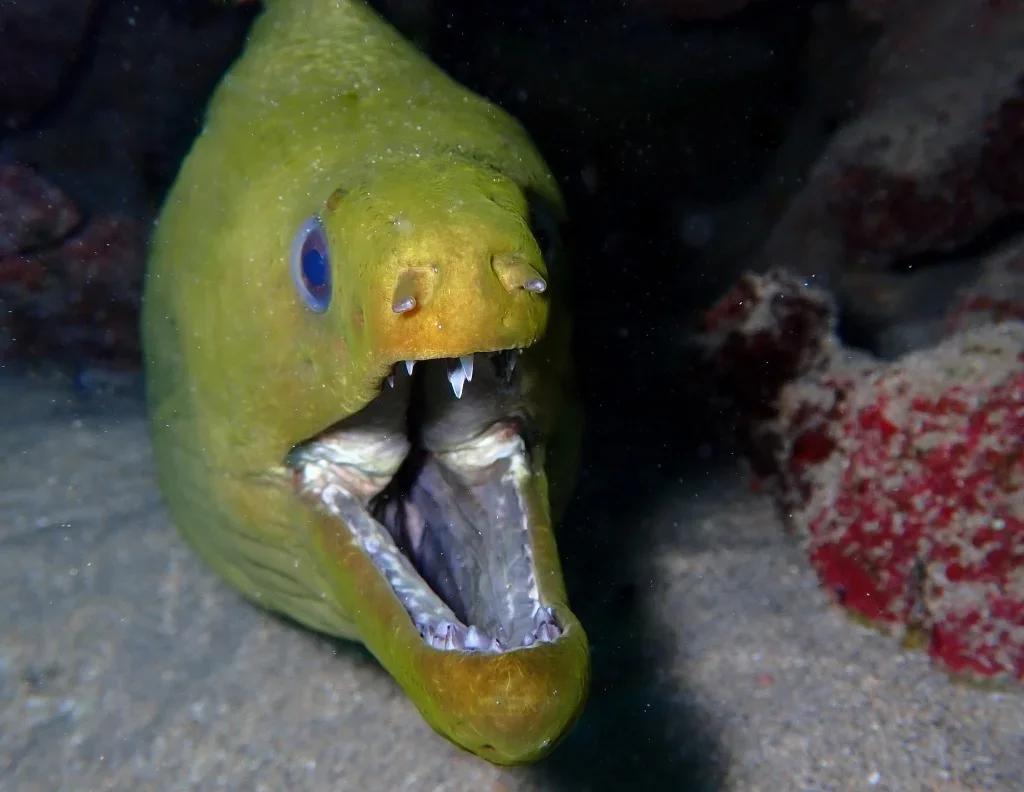
Sand Key pulses with a diverse array of marine life, presenting frequent sightings for divers exploring its coral gardens. Many nooks and crannies of the reef often reveal green moray eels and spotted eels peeking from their hideaways.
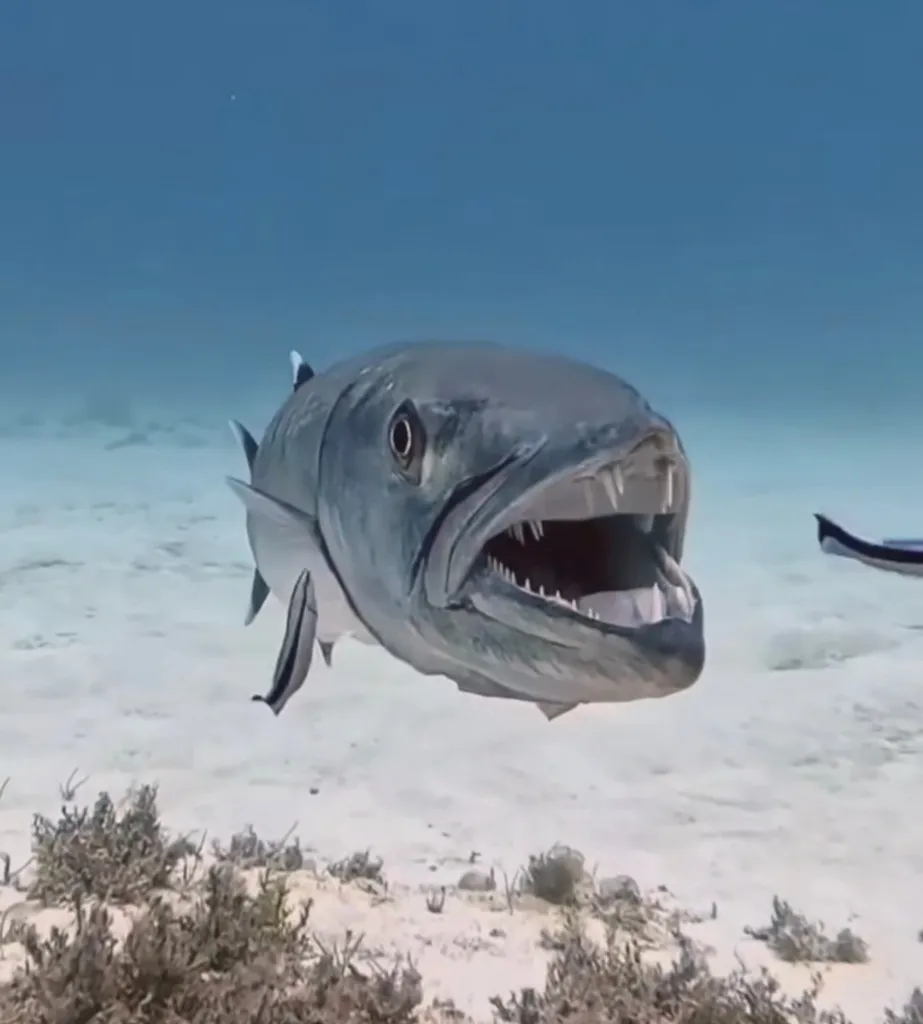
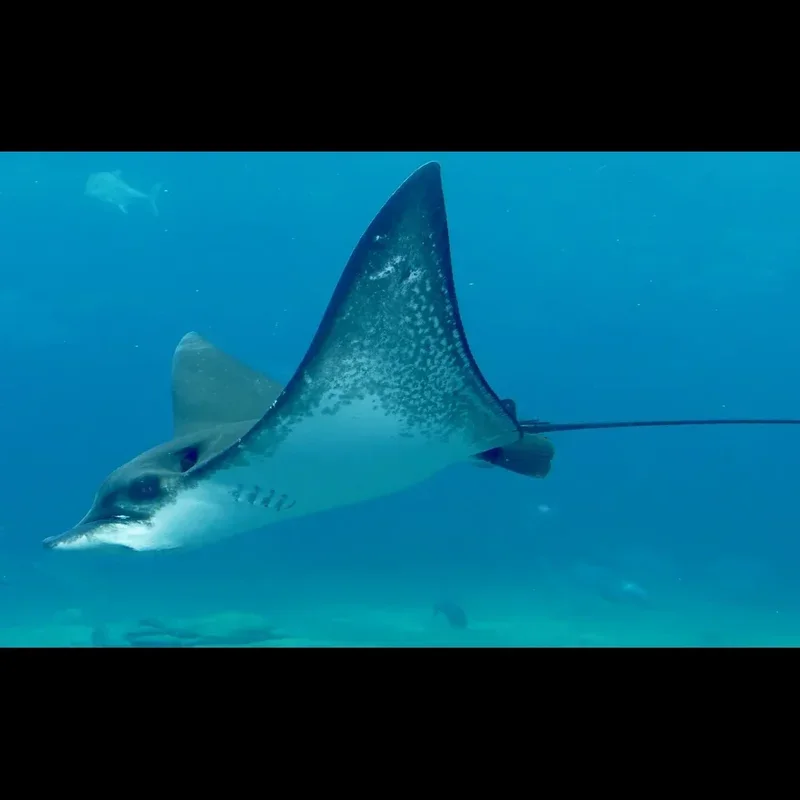
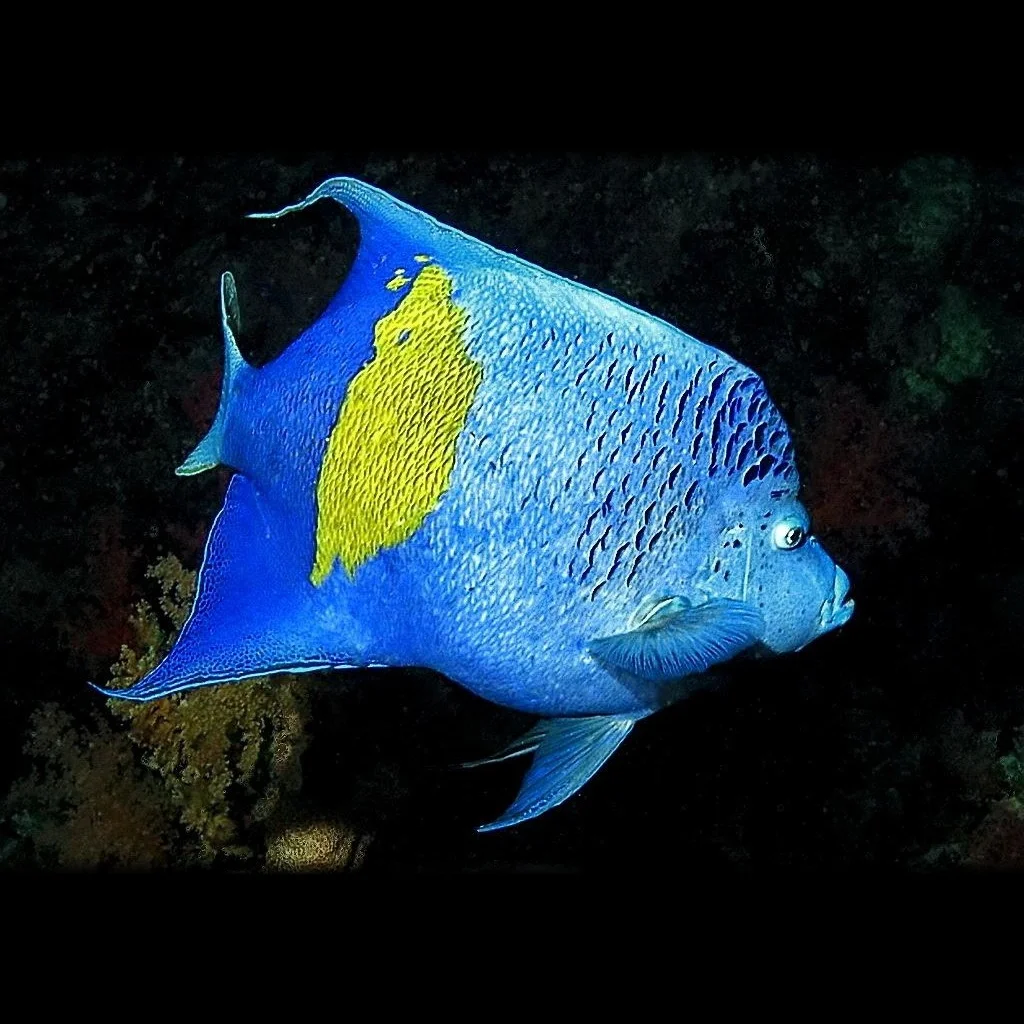
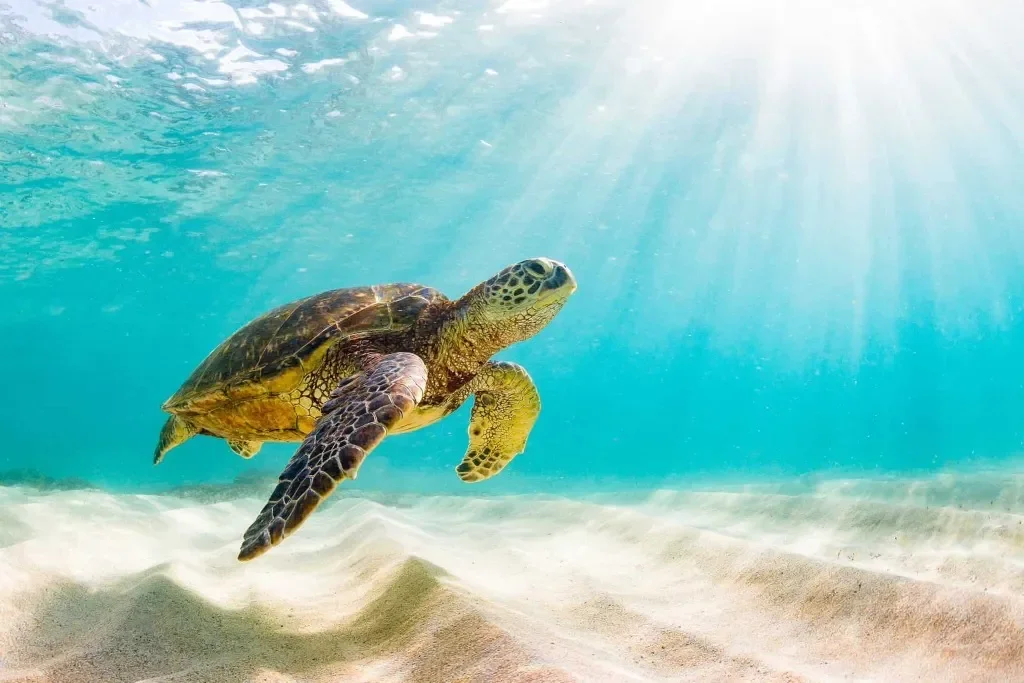
Angelfish, porcupine pufferfish, trumpetfish, and barracuda are commonly encountered, alongside majestic green sea turtles. Occasionally, lucky divers might spot eagle rays gliding gracefully or impressive goliath grouper patrolling the deeper gullies.
During the summer, large tarpon, sometimes reaching 2.4 m (8 ft) in length, add another dimension to the marine spectacle. The structural landscape itself is rich with various corals, including healthy sea fans, sponges, and significant brain corals, providing crucial habitat for this thriving ecosystem.
Dive Centers Near Sand Key Nourishment Reef, #5
Today: 11:00 - 19:00
Nearest Airports
Nearest airports to help plan travel to this dive area.
Search Flights
Check available flights and routes on Expedia, using the nearby airports listed in this section.
Search Flights on Expedia
Plan Your Stay
Looking for a place to stay for your dive trip? Explore hotels, stays, and vacation rentals for dive groups near Indian Rocks Beach.
Dive Navigator may earn a commission from these links at no extra cost to you.
Frequently Asked Questions
What type of reef is Sand Key?
Sand Key features a classic spur-and-groove reef configuration. Its structure consists of coral ridges, or spurs, separated by sandy bottom grooves, providing a varied terrain for marine life and exploration.
What is the typical depth range for diving at Sand Key?
Primary recreational diving at Sand Key generally ranges between 4.5 and 9 m (15 to 30 ft). However, the reef's southern side gradually slopes, allowing for dives to deeper sections around 19.8 m (65 ft) and up to 27.4 m (90 ft) in certain areas.
Is Sand Key suitable for beginner divers?
Yes, Sand Key is highly recommended for beginner divers. It offers a relatively shallow and relaxing environment with usually gentle currents, making it an accessible and forgiving site for those new to diving.
What marine life can divers expect to see at Sand Key?
Divers can expect to see a wide variety of marine life, including green and spotted moray eels, angelfish, pufferfish, trumpetfish, and barracuda. Green sea turtles are common, and there are occasional sightings of eagle rays and goliath grouper, with tarpon appearing in summer.
Are there any special regulations to be aware of?
Sand Key is within a Sanctuary Preservation Area, meaning anchoring is strictly prohibited to protect the fragile marine ecosystem. Divers must use the provided mooring buoys, and fishing is not allowed within this protected zone.
How variable is the visibility at Sand Key?
Visibility at Sand Key is quite variable, with reports ranging from 4.5 to 33.5 m (15 to 110 ft). Conditions depend significantly on recent wind, wave action, and tidal patterns in the area.
Planning to dive Sand Key Nourishment Reef, #5?
Send one inquiry and receive offers directly from the best verified local dive operators.
Conditions are Good
07:00 - 14:00
Optimal conditions expected
Current conditions near Sand Key Nourishment Reef, #5 show 29° air, 31° sea temperature, 0.3 m waves, and 22 km/h wind. Forecast data is refreshed regularly to ensure accuracy.