
Diving at Sand Key Nourishment Reef, #5 (United States)
Sand Key Nourishment Reef, marked by its historic red iron lighthouse, stands as a dynamic underwater landscape just seven miles southwest of Key West. This shifting islet, comprised of sand and crushed coral, constantly transforms, presenting a consistently fresh array of marine encounters for divers. Part of the Florida Keys National Marine Sanctuary, it is a significant protected area where underwater life thrives.
As evening covers Sand Key Nourishment Reef, #5, the local air temperature is measured at 26°C. The current wave height at the surface is recorded at 0.3 m. These late-day readings characterize the surface conditions for the night.
Dive Site Location & Key Facts
Dive Site Overview
Exploring Sand Key reveals a classic Florida Keys spur-and-groove reef configuration, an underwater topography shaped by coral ridges and sandy channels. These spurs typically range from 1.5 to 6 meters (5 to 20 feet) deep, interspersed with grooves offering varied hiding spots for marine inhabitants.
The site's south side provides a gradual slope, extending to a ledge around 20 meters (65 feet) and dipping to 27 meters (90 feet) in certain areas, allowing for diverse dive profiles. Visibility here can vary significantly, from 4.5 to 33.5 meters (15 to 110 feet), often exceeding 24 meters (80 feet) under calm conditions. With generally minimal current, Sand Key makes for a relaxed dive suitable for those refining their skills and offering an engaging experience for certified open water divers.
Conditions are Good
Optimal conditions expected
Current conditions near Sand Key Nourishment Reef, #5 show 26° air, 30° sea temperature, 0.3 m waves, and 28 km/h wind. Forecast data is refreshed regularly to ensure accuracy.
Best Time to Dive
Periods of calmer weather often define optimal diving conditions here, particularly from July through September, when a dive score of 'Excellent' or 'Good' is consistently reported. Surface air temperatures during these summer months average 27-28°C (81-82°F), creating comfortable conditions for pre- and post-dive activities. Rainfall typically measures between 4.2-7.5 mm during this time. Conversely, winter months, from January to March, also offer 'Good' dive scores, although with cooler air temperatures ranging from 14-20°C (58-68°F) and lower rain accumulation, usually 2.0-2.8 mm. Wave heights tend to be significantly lower in summer, which generally contributes to enhanced underwater visibility. This seasonal calm allows for more comfortable boat travel to the site and often clearer views of the reef. Tarpon are also sighted cruising the area during summer, adding a distinctive seasonal highlight to the marine life encounters.
PEAK SEASON SCORE
Scores combine air & water temps, waves, wind & rainfall for overall conditions.
BEST MONTHS TO DIVE
Monthly records compiled from satellite and marine observation nodes over the last 3 years. Data provided by Open-Meteo and MET Norway.
Dive Experience & Conditions
Accessible depths make this primarily shallow reef a popular choice for new divers and those seeking an easy, sunlit experience. Its spur-and-groove formations create interesting swim-throughs and ledges, with many sections remaining in shallower depths, often between 4.5 and 9 meters. While many parts are 'super shallow', the southern side of the reef gradually slopes deeper, reaching about 20 meters and extending to a maximum depth of 27 meters in certain areas, catering to a broader range of recreational divers. Water temperatures are typically warm, ranging from 22-27°C (72-81°F), though localized bleaching events have occurred during periods of extreme warmth. Current is usually minimal, providing a relaxed environment for exploration.
Dive Difficulty & Safety Guidelines
Operating as a Sanctuary Preservation Area (SPA) within the Florida Keys National Marine Sanctuary, this site functions under specific guidelines to protect its delicate ecosystem. Fishing is strictly prohibited to conserve marine species and their habitats. Anchoring is also forbidden due to the fragile nature of the reef; divers must utilize the more than 20 designated mooring buoys available in the surrounding area.
Be aware that fire coral abounds in several reef sections, requiring careful navigation to avoid contact. Recent high water temperatures in the summer of 2023 have impacted coral health, leading to bleaching and mortality, so current conditions of coral cover may vary.
Practicing excellent buoyancy control is crucial here, ensuring you 'take photos and leave only bubbles' to preserve the site for future divers.
Recommended Equipment
- Dive Computer
This gear list is based on verified equipment signals for Sand Key Nourishment Reef, #5, United States. Always confirm final gear choices with your dive operator, guide, or liveaboard.
Recommended Dive Suit
For divers planning standard recreational dives, dive skin or rash guard is usually a suitable option. A hood or vest is suggested for sensitive divers due to surface winds. Divers vary widely in how quickly they feel cold underwater.
The waters surrounding Sand Key Nourishment Reef, #5 are currently maintaining temperatures close to 30°C (87°F). Surface air temperatures are resting at 26°C (78°F).
The upcoming forecast points to generally steady conditions in the area.
Emergency & Medical Support
Essential information to help you plan your dive trip to Sand Key Nourishment Reef, #5.

Hyperbaric chambers are a critical part of dive safety infrastructure. Availability varies significantly by region, and not all dive areas have immediate access.
Before diving, it's recommended to:
- confirm nearest medical facilities
- check emergency procedures with local dive operators
- ensure dive insurance covers evacuation if required
Divers Alert Network
Diving emergency assistance available through DAN World.
+1-919-684-9111- 24/7 emergency hotline
- Diving medical assistance
- Evacuation coordination
Emergency contacts are provided for reference. Always verify local emergency services before diving.
Marine Life at Sand Key Nourishment Reef, #5
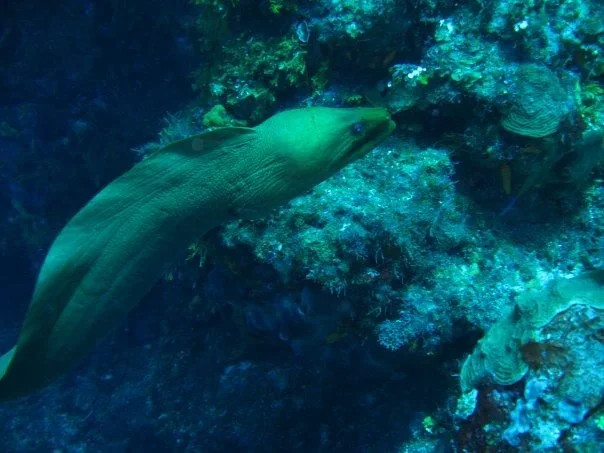
Rich biodiversity consistently captivates divers at this location, largely due to its protected status. Nooks within the coral colonies frequently reveal green moray and spotted eels, often seen peeking from their hidey-holes.
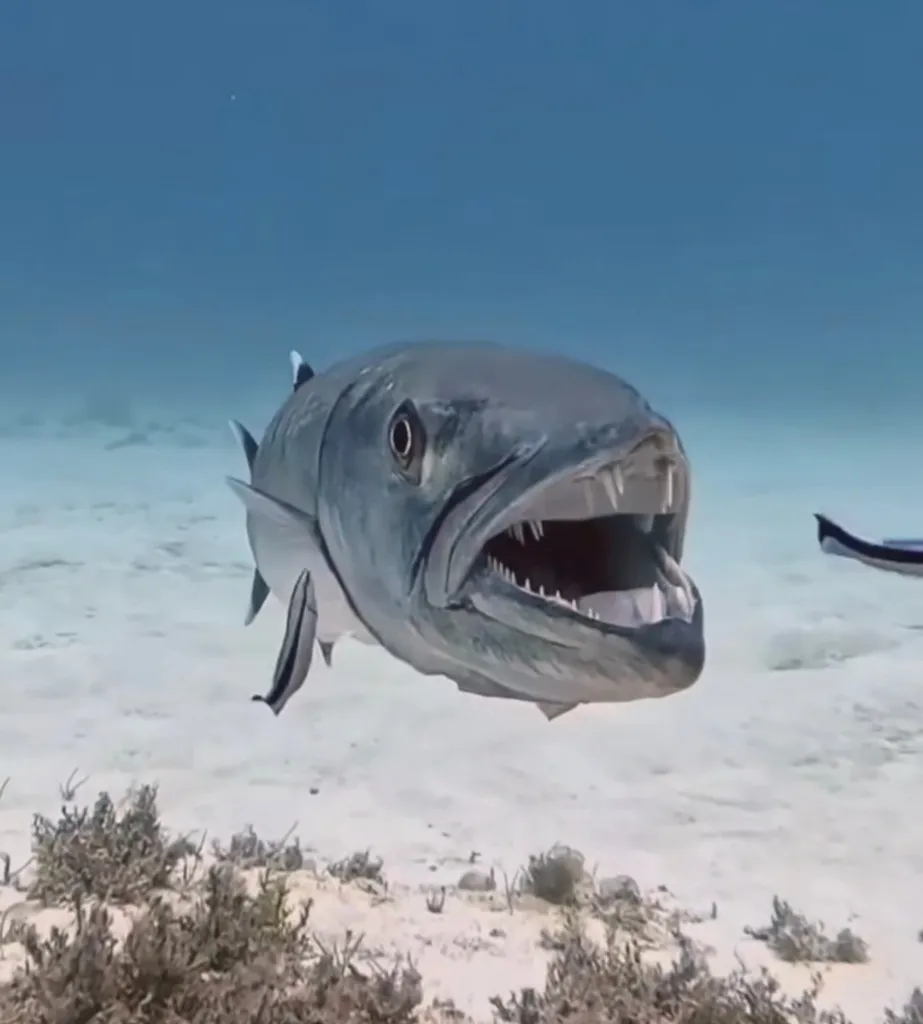
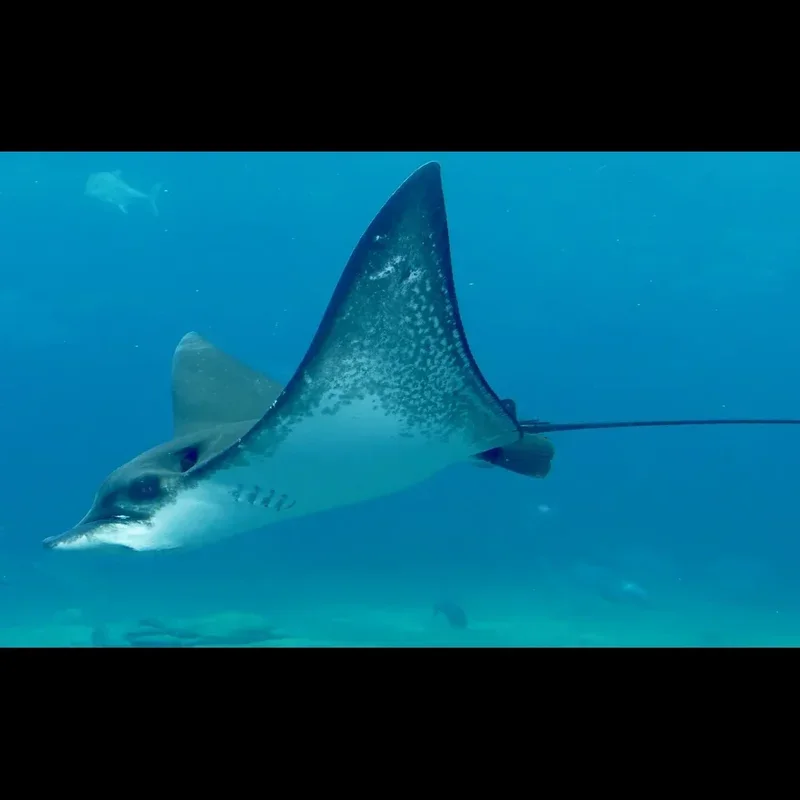
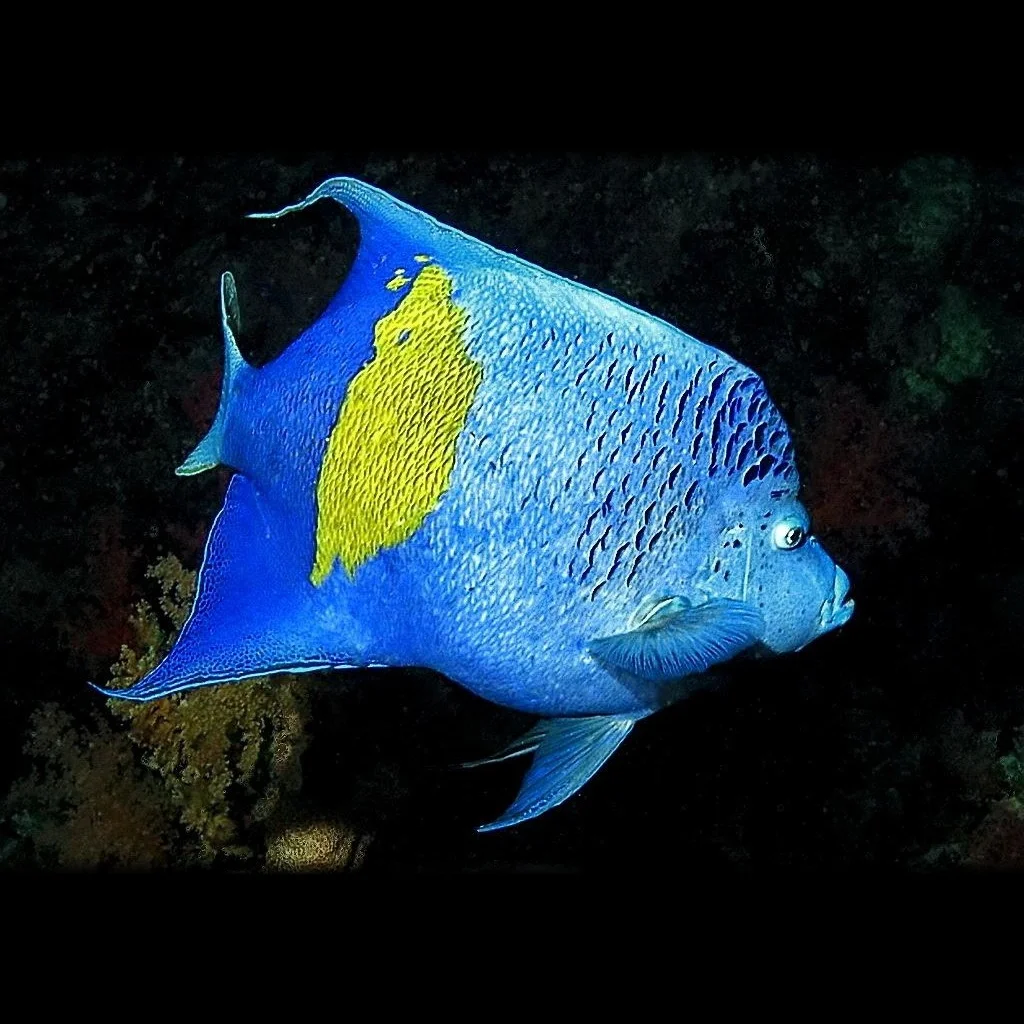
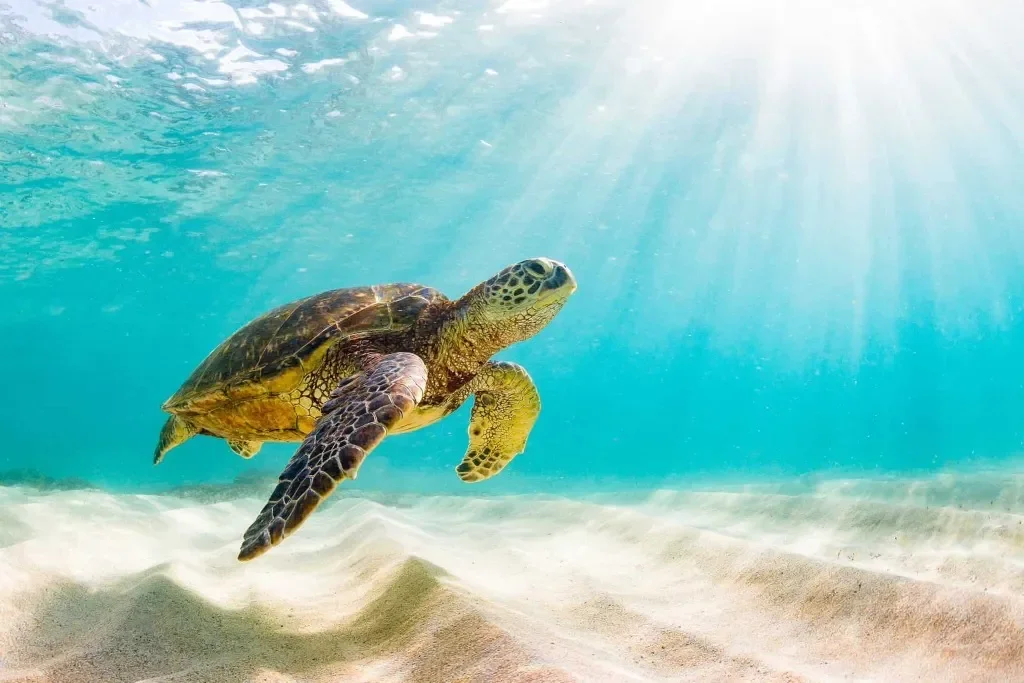
You'll commonly encounter angelfish, porcupine pufferfish, trumpetfish, and barracuda, alongside the graceful presence of green sea turtles. Eagle rays and goliath grouper are occasionally observed patrolling the reef's gullies.
During summer, the distinctive, large-scaled tarpon, which can grow up to eight feet long, may also cruise the area, providing a truly memorable encounter.
Dive Centers Near Sand Key Nourishment Reef, #5
Today: 10:00 - 17:00
Nearest Airports
Nearest airports to help plan travel to this dive area.
Search Flights
Check available flights and routes on Expedia, using the nearby airports listed in this section.
Search Flights on Expedia
Plan Your Stay
Looking for a place to stay for your dive trip? Explore hotels, stays, and vacation rentals for dive groups near Indian Rocks Beach.
Dive Navigator may earn a commission from these links at no extra cost to you.
Frequently Asked Questions
What is the maximum depth at Sand Key?
Primary dive areas at Sand Key are quite shallow, with many sections ranging from 4.5 to 9 meters (15 to 30 feet). Its south side, however, gradually slopes to about 20 meters (65 feet), and in some places, it drops to a maximum depth of 27 meters (90 feet).
What kind of reef formation can I expect at Sand Key?
Sand Key features a classic Florida Keys spur-and-groove reef configuration. This topography is defined by coral ridges, known as spurs, interspersed with sandy channels or grooves. These formations create varied hiding spots and interesting swim-throughs for marine life.
Is Sand Key suitable for beginner divers?
Yes, Sand Key is considered suitable for beginner and certified open water divers due to its primarily shallow depths and generally minimal current. Many sections are super shallow, allowing for extended bottom times and a relaxed exploration experience. Divers can refine skills in these calm conditions.
What are the typical water conditions, like current and visibility?
Water temperatures typically range from 22-27°C (72-81°F). Current is usually minimal, creating a relaxed environment for exploration. Visibility can vary significantly, from 4.5 to 33.5 meters (15 to 110 feet), often exceeding 24 meters (80 feet) under calm conditions.
Are there specific rules or regulations for diving at Sand Key?
Sand Key operates as a Sanctuary Preservation Area (SPA) within the Florida Keys National Marine Sanctuary. Fishing is strictly prohibited, and anchoring is forbidden to protect the fragile reef. Divers must use the more than 20 designated mooring buoys available at the site.
What marine life is commonly seen at Sand Key?
Divers often encounter green moray and spotted eels in coral crevices, alongside angelfish, porcupine pufferfish, trumpetfish, and barracuda. Green sea turtles are also frequently observed. During summer months, large tarpon may cruise the area, and eagle rays or goliath grouper are occasionally spotted.
When is the best time of year to dive Sand Key?
Optimal diving conditions, often yielding 'Excellent' or 'Good' scores, are reported from July through September due to calmer weather and lower wave heights. Winter months, from January to March, also offer 'Good' dive scores, though with cooler air temperatures. Enhanced underwater visibility generally accompanies calmer summer conditions.
Planning to dive Sand Key Nourishment Reef, #5?
Send one inquiry and receive offers directly from the best verified local dive operators.
Conditions are Good
Optimal conditions expected
Current conditions near Sand Key Nourishment Reef, #5 show 26° air, 30° sea temperature, 0.3 m waves, and 28 km/h wind. Forecast data is refreshed regularly to ensure accuracy.