
Diving at Sandflea Reef #18 (United States)
Sandflea Reef #18 is an integral component of the Walton County, Florida, SWARA Artificial Reef System. Since July 2015, this initiative has systematically deployed nearly 700 structures across 16 distinct sites to bolster marine habitats. Each reef structure, including those found at Sandflea, is crafted from a combination of steel, concrete, and Florida limestone, specifically designed to foster new underwater ecosystems. This strategic placement serves to transform areas into thriving centers for biodiversity.
Afternoon measurements for Sandflea Reef #18 show the air has reached 26.5°C. The recorded surface conditions at this location feature wave heights of 0.7 m. These metrics are updated to reflect the ongoing daily shifts.
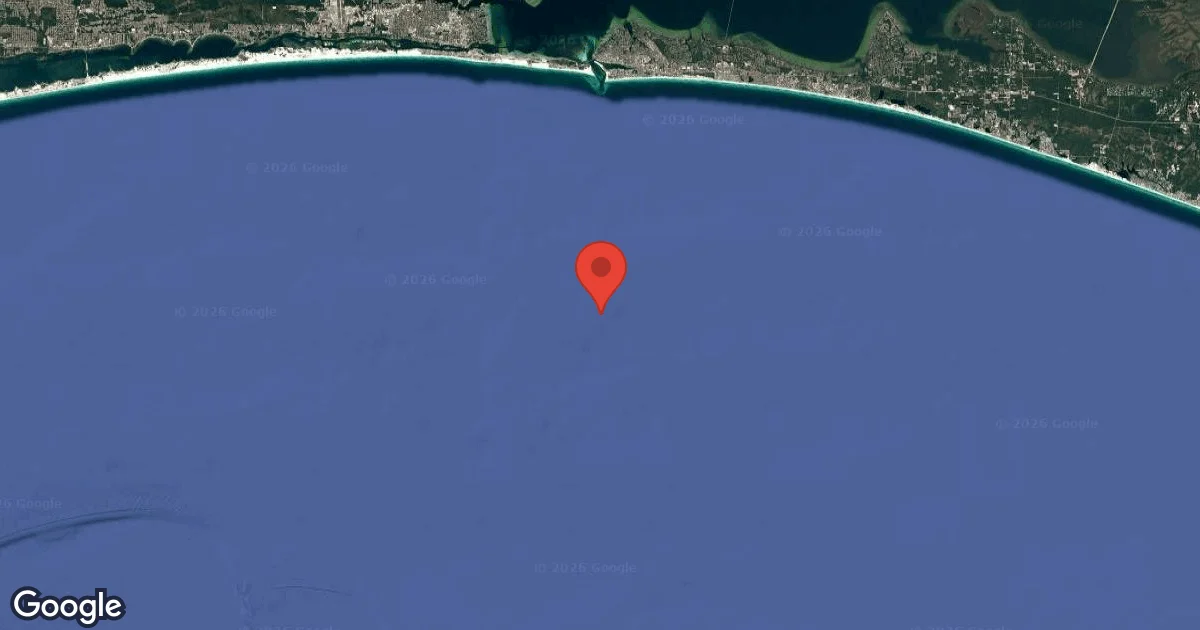
Dive Site Location & Key Facts
Dive Site Overview
The topography of Sandflea Reef #18 is defined by its artificial structures, deliberately placed to create shelter and a sustainable food source for various marine species. These structures, made from a combination of steel, concrete, and Florida limestone, form the core of the dive site.
Located within the State of Florida’s waters, fish/dive reefs like Sandflea #18 are generally accessible by boat. While the precise maximum depth for Sandflea Reef #18 is not consistently reported, similar artificial reefs in the region can span various recreational depth ranges. Divers might encounter shallower sections around 4.5-12 m (15-40 ft) or deeper areas reaching 15-24 m (50-80 ft), potentially extending to 27-40 m (90-130 ft).
The structures themselves are specifically designed to become vibrant underwater habitats, anchored by fiberglass pilings driven into the sand to ensure stability against currents. Navigating to the site typically requires a GPS device due to its offshore nature, even if within one nautical mile of the coast.
Divers here will explore a series of modular units, each contributing to the overall complexity of the reef system. These formations offer diverse profiles and numerous nooks for marine life, encouraging thorough exploration.
Regular observation reveals how quickly these artificial environments integrate into the natural seabed, attracting a wide range of inhabitants seeking refuge and sustenance.
Conditions are Good
07:00 - 14:00
Optimal conditions expected
Current conditions near Sandflea Reef #18 show 26° air, 30° sea temperature, 0.4 m waves, and 24 km/h wind. Forecast data is refreshed regularly to ensure accuracy.
Best Time to Dive
Deciding the best time to visit Sandflea Reef #18 often comes down to balancing warmer air temperatures with prevailing sea conditions. Summer and early fall months, from June through September, generally offer the warmest air temperatures, averaging 27-29°C (81-84°F). During this period, wave heights tend to be lower, typically ranging from 0.6-0.8 m (2.0-2.6 ft), and wind speeds are comparatively reduced, averaging 24-28 km/h (15-17 mph), which can result in calmer surface conditions for boat travel and entry. In contrast, winter and early spring, from December to March, see cooler air temperatures, ranging from 12-17.5°C (54-64°F). Wave heights during these months are often higher, around 0.8-1.0 m (2.6-3.3 ft), accompanied by stronger winds averaging 30-34 km/h (19-21 mph). While water temperature data isn't consistently reported, these cooler air temperatures and choppier conditions may influence underwater visibility and thermal comfort. Diving throughout the year maintains a "Good" dive score according to available data, though divers may prefer the increased comfort and potentially clearer conditions of the warmer, calmer seasons for an optimal experience.
PEAK SEASON SCORE
Scores combine air & water temps, waves, wind & rainfall for overall conditions.
BEST MONTHS TO DIVE
Monthly records compiled from satellite and marine observation nodes over the last 3 years. Data provided by Open-Meteo and MET Norway.
Dive Experience & Conditions
Upon descending towards Sandflea Reef #18, divers immediately notice the intricate structures forming the artificial reef. As you drop through the water column, visibility typically varies depending on recent weather and currents, though the Gulf Stream often bathes the coral reefs in clear, warm water across the wider Southeast Florida tract. Currents along these reefs commonly run parallel to the shoreline, creating suitable conditions for drift diving, allowing divers to explore more area with less effort. The SWARA reefs are specifically engineered to provide shelter, so divers can anticipate a varied topography that includes ledges and crevices from the steel, concrete, and limestone components. Underwater, the artificial reef formations transform into complex habitats where marine growth begins to take hold. While exact water temperatures for this specific site aren't consistently reported, the general climate in the region suggests comfortable diving conditions during warmer months. It's crucial for divers to remain attentive to changing sea conditions, as they can alter quickly.
Dive Difficulty & Safety Guidelines
Navigating the dynamic offshore environment around Sandflea Reef #18 requires careful attention to safety protocols. Weather and sea conditions can change quickly and often; divers should always make safety their highest priority. It's essential to stay within certification limits and not dive beyond your training.
Florida State Law mandates that all divers prominently display a diver-down flag or buoy whenever diving is occurring, ensuring surface vessels are aware of your presence. While specific hazards for Sandflea Reef #18 are not consistently reported, divers should be mindful of potential currents that run parallel to the shoreline, especially if planning a drift dive.
Proper boat anchoring or pick-up procedures are crucial for these sites. Visitors enjoy these reefs at their own risk and must obey all local and state laws.
Recommended Equipment
- Dive Computer
This gear list is based on verified equipment signals for Sandflea Reef #18, United States. Always confirm final gear choices with your dive operator, guide, or liveaboard.
Recommended Dive Suit
Experienced divers often bring flexible gear options.
Environmental readings suggest that the waters surrounding Sandflea Reef #18 are about 30°C (87°F) at the moment. Surface air temperatures are resting at 26°C (80°F). Divers who spend longer periods underwater often choose dive skin or rash guard. Consider warmer surface protection (like a boat coat) due to brisk winds.
The next few days appear likely to bring similar environmental conditions.
Due to technical issues with our weather providers, data hasn't been fetched for over 48 hours. The data above reflects the conditions at the time of the last successful fetch.
Emergency & Medical Support
Essential information to help you plan your dive trip to Sandflea Reef #18.

Hyperbaric chambers are a critical part of dive safety infrastructure. Availability varies significantly by region, and not all dive areas have immediate access.
Before diving, it's recommended to:
- confirm nearest medical facilities
- check emergency procedures with local dive operators
- ensure dive insurance covers evacuation if required
Divers Alert Network
Diving emergency assistance available through DAN World.
+1-919-684-9111- 24/7 emergency hotline
- Diving medical assistance
- Evacuation coordination
Emergency contacts are provided for reference. Always verify local emergency services before diving.
Marine Life at Sandflea Reef #18
Approaching Sandflea Reef #18, divers will immediately notice the purpose-built structures fostering new marine ecosystems. These artificial reef modules, made of steel, concrete, and Florida limestone, act as essential habitat, providing shelter and a sustainable food source for a wide range of species.
Over time, these structures become vibrant underwater cities, attracting various fish and invertebrates. While specific species for this exact site aren't consistently detailed, the intent of the SWARA program is to bolster fishing and diving opportunities through increased biodiversity.
Divers can expect to observe how these structures integrate into the environment, becoming active centers for marine life.
Dive Sites Near Sandflea Reef #18
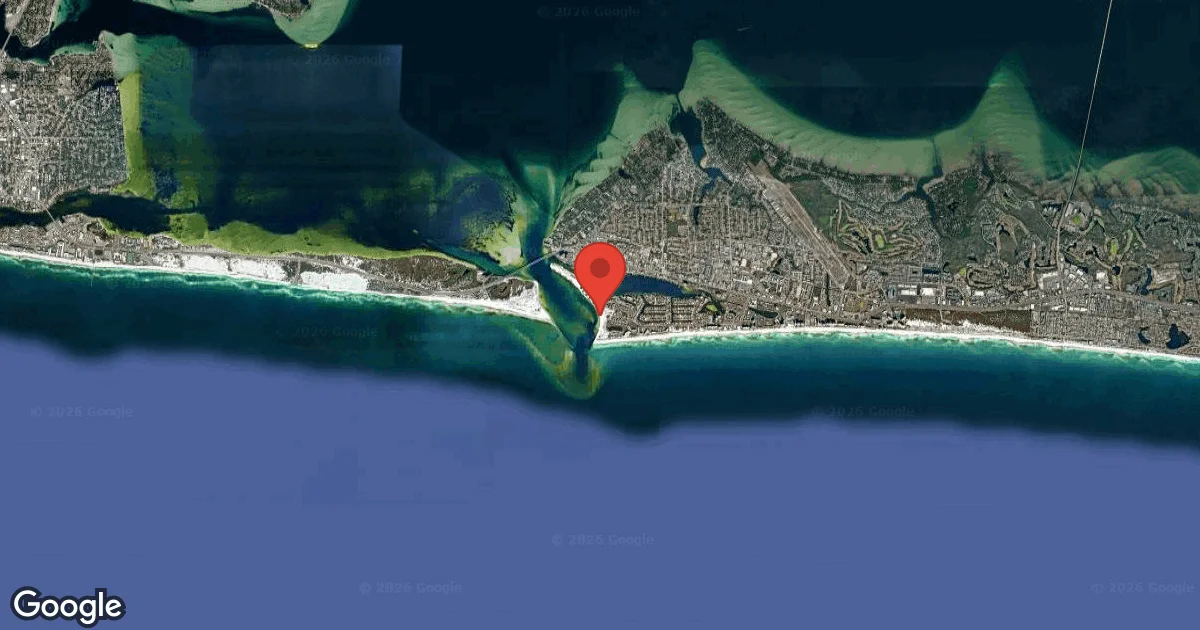
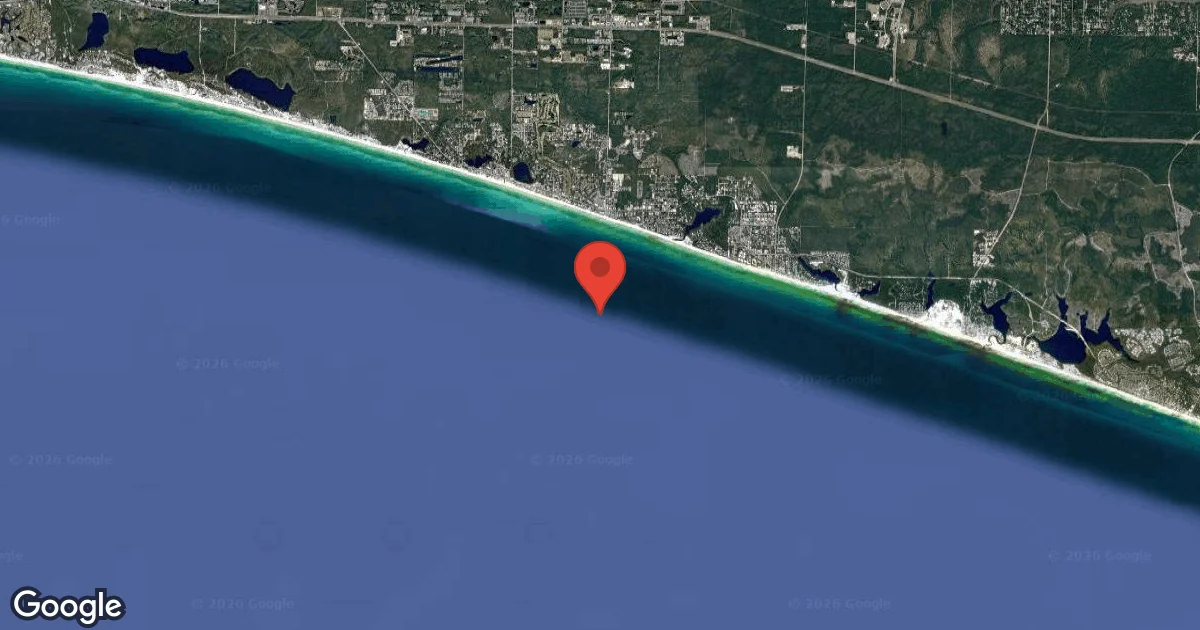
View all dive sites in United StatesDiscover more underwater gems in this area.
Dive Centers Near Sandflea Reef #18
Today: 09:00 - 16:00
Nearest Airports
Nearest airports to help plan travel to this dive area.
Search Flights
Check available flights and routes on Expedia, using the nearby airports listed in this section.
Search Flights on Expedia
Plan Your Stay
Looking for a place to stay for your dive trip? Explore hotels, stays, and vacation rentals for dive groups near Destin.
Dive Navigator may earn a commission from these links at no extra cost to you.
Frequently Asked Questions
Is Sandflea Reef #18 accessible from shore?
SWARA fish/dive reef sites, which include Sandflea Reef #18, are typically best reached by boat. While some SWARA snorkel reefs are shore-reachable, diving reefs usually require a vessel and a GPS device for accurate location.
What is the typical depth range for Sandflea Reef #18?
While the exact depth isn't consistently reported for Sandflea Reef #18, similar fish/dive reefs in the SWARA system typically fall within recreational ranges. These can span from 4.5-12 m (15-40 ft) to 15-24 m (50-80 ft), or even deeper sections.
What is the purpose of Sandflea Reef #18?
Sandflea Reef #18 is part of the SWARA Artificial Reef System, designed to provide essential habitat for reef fish and marine life. The structures offer shelter and a food source, creating vibrant underwater ecosystems that support both diving and fishing.
Are currents common at this dive site?
Yes, prevailing currents in the wider Southeast Florida reef tract often run parallel to the shoreline. Divers visiting Sandflea Reef #18 should be prepared for potential drift conditions.
What materials make up the artificial reef structures?
The artificial reef structures at Sandflea Reef #18 are constructed from a combination of steel, concrete, and Florida limestone. These materials are chosen for their durability and ability to foster marine growth.
Are there any specific safety requirements for diving here?
Divers must always prioritize safety and operate within their certification limits. Florida State Law requires displaying a diver-down flag or buoy when diving to alert surface vessels to your presence. Weather and sea conditions can change rapidly.
Planning to dive Sandflea Reef #18?
Send one inquiry and receive offers directly from the best verified local dive operators.
Conditions are Good
07:00 - 14:00
Optimal conditions expected
Current conditions near Sandflea Reef #18 show 26° air, 30° sea temperature, 0.4 m waves, and 24 km/h wind. Forecast data is refreshed regularly to ensure accuracy.