
Diving at Sandy Point State Park (United States)
Descending into the water at Sandy Point State Park places divers directly into the estuarine environment of the Chesapeake Bay. Initial entry typically reveals the limited visibility characteristic of this site, often less than 1.5 m (5 ft). Divers quickly adapt to navigating through conditions often described as 'muck,' where the primary focus shifts from expansive views to specific tasks.
Early observations for Sandy Point State Park report a surface air temperature of 25°C. The water surface is currently presenting wave heights of 0.3 m. Consider these environmental metrics before beginning your descent.
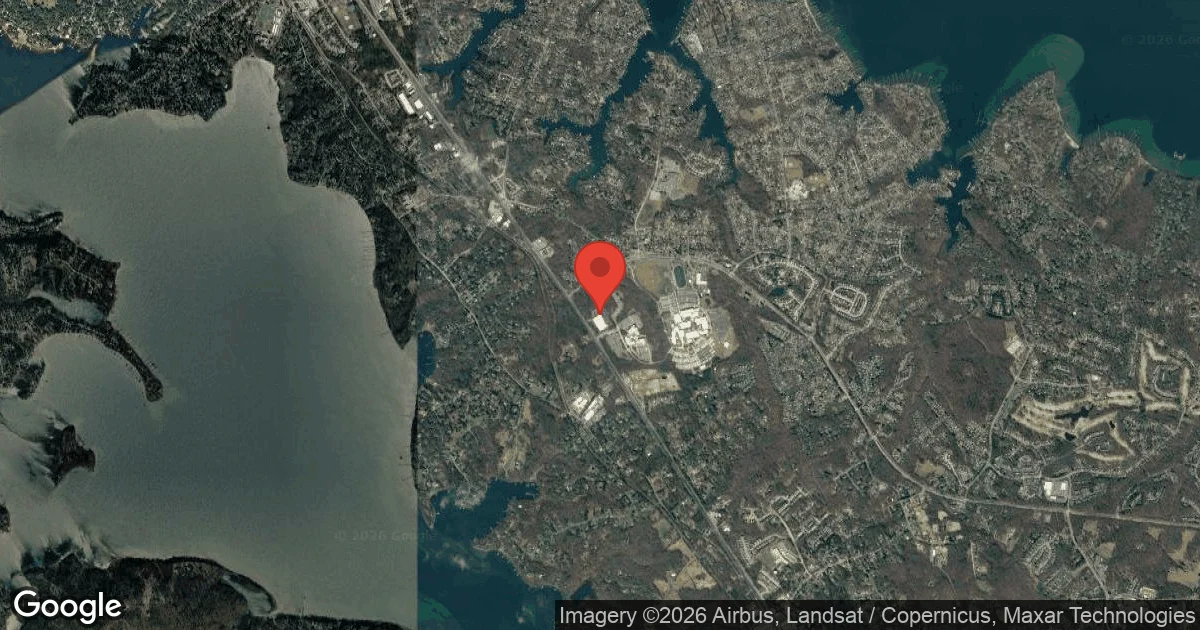
Dive Site Location & Key Facts
Dive Site Overview
A dive at Sandy Point State Park is predominantly task-oriented, setting it apart from typical recreational explorations. Access to this unique estuarine environment is primarily for specific conservation efforts, rather than general leisure diving.
Groups like Blue Planet Scuba, for example, frequently coordinate "Dive Against Debris" events during warmer months, mobilizing certified divers for vital trash collection initiatives. These dives operate under a special arrangement with park authorities, underscoring the site's role in environmental stewardship. Divers should anticipate an experience focused on searching for and collecting debris from the shallow, silty bottom of the Chesapeake Bay, rather than surveying extensive coral reefs or rock formations.
The underwater topography is characterized by this soft, particulate-rich substrate near the shore, which consistently limits visibility. Navigating these silty conditions challenges a diver's skills, particularly buoyancy control, making it a practical training ground for managing difficult environments.
Practicing environmental stewardship within challenging visibility defines the core experience, often demanding focused attention on specific cleanup goals. Ultimately, such initiatives offer a valuable opportunity for divers to refine skills in low visibility and contribute directly to marine conservation efforts.
Conditions are Excellent
07:00 - 14:00
Optimal conditions expected
Current conditions near Sandy Point State Park show 25° air, 27° sea temperature, 0.3 m waves, and 27 km/h wind. Forecast data is refreshed regularly to ensure accuracy.
Best Time to Dive
Considering visibility, the warmer months generally offer more comfortable air temperatures for diving operations, though visibility itself remains consistently limited, typically under 1.5 m (5 ft). Water temperatures also change dramatically from spring to summer to fall in the Chesapeake Bay. Climate data indicates peak air temperatures during July at 27°C (81°F) and August at 25°C (77°F), when dive scores are reported as 'Good' to 'Excellent'. Rain, which can further impact visibility and run-off, is lowest in October at 1.2 mm and November at 1.8 mm, with 'Excellent' dive scores. However, autumn months also see falling air temperatures, averaging 16.5°C (62°F) in October and 10.5°C (51°F) in November. Wind speeds are generally lower in summer and early fall, contributing to calmer surface conditions, but the inherent particulate matter in the bay water will always constrain underwater clarity.
PEAK SEASON SCORE
Scores combine air & water temps, waves, wind & rainfall for overall conditions.
BEST MONTHS TO DIVE
Monthly records compiled from satellite and marine observation nodes over the last 3 years. Data provided by Open-Meteo and MET Norway.
Dive Experience & Conditions
Diving at Sandy Point State Park primarily involves shallower sections of the Chesapeake Bay, suitable for recreational depth limits, though exact depths aren't consistently reported beyond being "just off shore." The conditions demand a diver's adaptability due to consistently limited visibility, which rarely exceeds 1.5 m (5 ft). Water movement can vary, influenced by tides and local weather patterns within the bay. Divers should anticipate a silty or 'muck' bottom composition, where stirring sediment is common. This environment tests navigation skills and buoyancy control, making it an excellent training ground for conditions beyond typical clear-water dives. The experience focuses on task-oriented diving, such as debris removal, rather than extensive exploration.
Dive Difficulty & Safety Guidelines
The primary safety consideration for diving at Sandy Point State Park is adhering to the strict park regulations. Diving is not generally permitted without specific authorization. Access for diving typically occurs in conjunction with organized events, such as "Dive Against Debris" initiatives run by groups like Blue Planet Scuba.
Participants must ensure they are part of an approved, supervised activity. Divers must also contend with the consistently low visibility, often less than 1.5 m (5 ft), which requires strong situational awareness and buddy system protocols.
There's a potential for encountering marine debris, which is the purpose of some dives but also a hazard to be managed carefully. Follow all instructions from event organizers and park staff, and practice appropriate dive planning for low visibility and colder water conditions.
Recommended Equipment
- Dive Computer
- Hard-soled Dive Boots
- Pointer / Muck Stick
This gear list is based on verified equipment signals for Sandy Point State Park, United States. Always confirm final gear choices with your dive operator, guide, or liveaboard.
Recommended Dive Suit
With water temperatures around 27°C (80°F), many divers find a 2-3mm shorty or light wetsuit provides comfortable protection.
Local dive briefings can provide the most accurate guidance.
Weather models indicate a small drop in surface temperatures later this week. Cooler days are ahead; you might want a warmer option for later in the week. A warmer option can provide additional comfort if conditions shift.
Emergency & Medical Support
Essential information to help you plan your dive trip to Sandy Point State Park.

Hyperbaric chambers are a critical part of dive safety infrastructure. Availability varies significantly by region, and not all dive areas have immediate access.
Before diving, it's recommended to:
- confirm nearest medical facilities
- check emergency procedures with local dive operators
- ensure dive insurance covers evacuation if required
Divers Alert Network
Diving emergency assistance available through DAN World.
+1-919-684-9111- 24/7 emergency hotline
- Diving medical assistance
- Evacuation coordination
Emergency contacts are provided for reference. Always verify local emergency services before diving.
Marine Life at Sandy Point State Park
Given the estuarine environment of the Chesapeake Bay, divers at Sandy Point State Park might encounter species adapted to brackish, silty conditions. While specific sightings are not consistently reported, the area's 'muck' bottom provides habitat for various invertebrates and bottom-dwelling fish species.
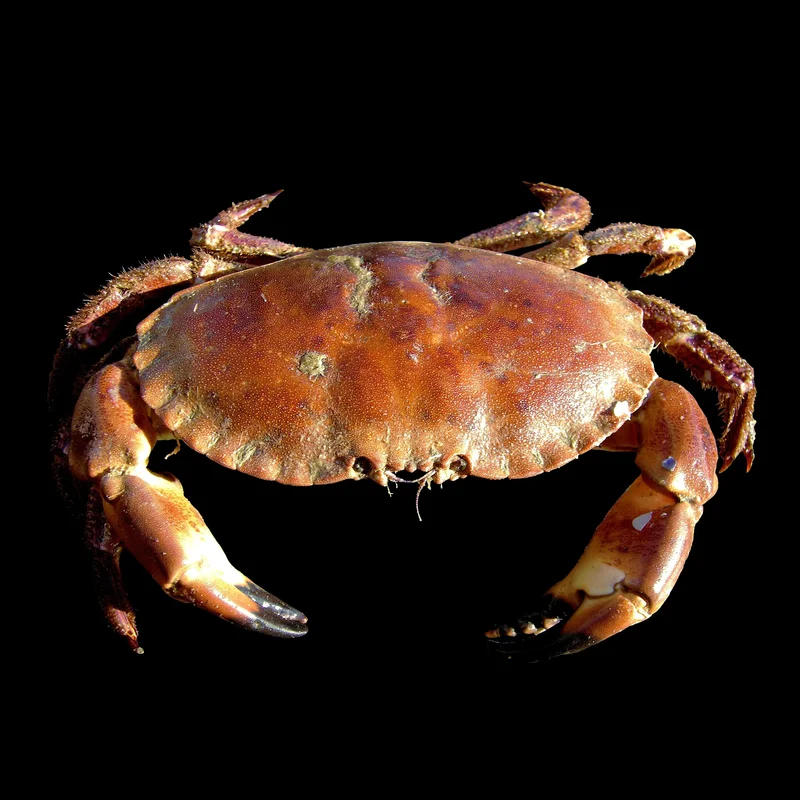
Divers participating in cleanup efforts may observe smaller crabs, mollusks, or other benthic organisms that inhabit the bay's floor. The focus here shifts from large, vibrant marine spectacles to appreciating the resilient life within a dynamic bay ecosystem.
Patient observation in low visibility might reveal the subtler movements of life that thrive in this unique environment.
Dive Sites Near Sandy Point State Park
View all dive sites in United StatesDiscover more underwater gems in this area.
Dive Centers Near Sandy Point State Park

Today: Closed
Nearest Airports
Nearest airports to help plan travel to this dive area.
Search Flights
Check available flights and routes on Expedia, using the nearby airports listed in this section.
Search Flights on Expedia
Plan Your Stay
Looking for a place to stay for your dive trip? Explore hotels, stays, and vacation rentals for dive groups near Cape Saint Claire.
Dive Navigator may earn a commission from these links at no extra cost to you.
Frequently Asked Questions
Is recreational diving generally allowed at Sandy Point State Park?
No, general recreational diving is not permitted. Diving access is typically restricted to special events, such as organized "Dive Against Debris" cleanup operations conducted in partnership with the park.
What is the typical visibility at this dive site?
Visibility at Sandy Point State Park is consistently limited, generally reported as less than 1.5 m (5 ft). Divers should be prepared for low clarity conditions due to the estuarine environment of the Chesapeake Bay.
How do water temperatures change throughout the year?
Water temperatures in the Chesapeake Bay near Sandy Point State Park change dramatically from spring through summer to fall. Divers should consult local reports for current conditions and plan appropriate thermal protection.
What kind of diving activities are available?
The primary diving activities available are environmental cleanup events, such as "Dive Against Debris." These dives focus on collecting trash and debris from the Chesapeake Bay, contributing to conservation efforts.
What is the best time of year for a cleanup dive?
Warmer months, specifically summer and early fall, generally offer more comfortable air temperatures for these events. However, low visibility is a constant factor regardless of the season, and water temperatures can vary significantly.
Who should I contact for more information about diving opportunities?
For information about approved diving activities or special events, contacting the park directly at 410-974-2149 or inquiring with organizations like Blue Planet Scuba, who run regular events, is recommended.
Planning to dive Sandy Point State Park?
Send one inquiry and receive offers directly from the best verified local dive operators.
Conditions are Excellent
07:00 - 14:00
Optimal conditions expected
Current conditions near Sandy Point State Park show 25° air, 27° sea temperature, 0.3 m waves, and 27 km/h wind. Forecast data is refreshed regularly to ensure accuracy.