
Diving at Sandy Reef (United States)
Approaching Sandy Reef introduces divers to a comfortable, accessible underwater realm. It's an easy, relaxing dive that beginners find particularly welcoming, bathed in sunlight and teeming with fish. This destination offers an immediate sense of calm, making it ideal for those recently certified or seeking a leisurely exploration.
As evening covers Sandy Reef, the local air temperature is measured at 29.5°C. The current wave height at the surface is recorded at 0.5 m. These late-day readings characterize the surface conditions for the night.
Dive Site Location & Key Facts
Dive Site Overview
Exploring Sandy Reef often involves encounters with varied geological features, from the shallow spur-and-groove formations of Sand Key to the more intricate swim-throughs found at sites like Sand Bottom Cave on nearby French Reef. Sand Key, lying roughly six nautical miles southwest of Key West, provides a broad, open experience at depths typically between 5 to 9 meters (15-30 ft).
Here, divers navigate over expansive sandy areas interspersed with vibrant hard coral heads. Sand Bottom Cave, known as the largest swim-through on French Reef, presents dramatic walls and pinnacle formations reaching approximately 8 to 9 meters, offering a different kind of exploration.
This makes the area a versatile choice for divers across all experience levels, from those honing buoyancy to underwater photographers capturing the vibrant coral structures. Navigating these varied depths and formations allows for both relaxed cruising and more engaged exploration.
The dominant seabed of sand offers clear navigation routes between the more elaborate reef sections, showcasing the diverse underwater topography and enriching the dive experience. These diverse habitats support a range of marine life, making each section of the reef engaging.
Conditions are Excellent
07:00 - 14:00
Optimal conditions expected
Current conditions near Sandy Reef show 29° air, 30° sea temperature, 0.4 m waves, and 20 km/h wind. Forecast data is refreshed regularly to ensure accuracy.
Best Time to Dive
Diving at Sandy Reef is most enjoyable from May through September, when conditions generally rate as 'Good'. During these months, air temperatures are comfortably warm, ranging from 24.5-29°C (76-84°F), which enhances surface intervals and overall comfort. Wave heights tend to be lower, averaging around 0.7-0.9 meters (2-3 ft), contributing to calmer sea states. Rainfall is also comparatively moderate, although September can see slightly higher amounts. Conversely, the cooler months from October to April bring more moderate dive conditions, with air temperatures dropping to 13.5-23.5°C (56-74°F) and slightly higher wave activity, sometimes reaching over 1.3 meters (4 ft) in January.
PEAK SEASON SCORE
Scores combine air & water temps, waves, wind & rainfall for overall conditions.
BEST MONTHS TO DIVE
Monthly records compiled from satellite and marine observation nodes over the last 3 years. Data provided by Open-Meteo and MET Norway.
Dive Experience & Conditions
Descending into Sandy Reef, divers quickly notice the abundant sunlight penetrating the shallow depths, creating excellent visibility across the seabed. Actual water temperatures are not consistently reported for this specific site, but they generally align with regional norms for coastal Florida, suggesting warm conditions for much of the year. The maximum depth for many sections, including Sand Key, approaches 9 meters, making it an ideal spot for extended bottom times within recreational limits. Navigating features like Sand Bottom Cave provides opportunities to practice buoyancy control amidst its dramatic walls and pinnacle formations, enhancing the dive experience. Currents here typically range from mild to moderate, allowing for comfortable drifts in some areas while remaining manageable for less experienced divers. These consistent conditions contribute to a relaxing and approachable dive profile, particularly appealing to those seeking ease and comfort underwater.
Dive Difficulty & Safety Guidelines
For a safe and rewarding experience at Sandy Reef, divers should prioritize maintaining excellent buoyancy control, especially when exploring features such as the swim-throughs at Sand Bottom Cave or the delicate coral formations. Local dive operators often require divers to be at least Open Water certified and to have logged a dive within the last year; a refresher course might be necessary if your last dive was longer ago. Always check in with your dive operator approximately 45 minutes before departure to ensure timely trip logistics.
Considering the recreational depth range of this site, monitoring your dive computer and gas supply remains crucial for maximizing bottom time while staying within no-decompression limits.
Recommended Equipment
- Dive Computer
This gear list is based on verified equipment signals for Sandy Reef, United States. Always confirm final gear choices with your dive operator, guide, or liveaboard.
Recommended Dive Suit
Repeated dives during the same day can gradually reduce overall body warmth.
Divers exploring Sandy Reef today will likely encounter water temperatures close to 30°C (86°F). Surface air temperatures are resting at 29°C (85°F). Divers spending extended time underwater often rely on dive skin or rash guard for balanced warmth and flexibility.
Environmental conditions may feel slightly cooler as the week progresses. Cooler days are ahead; you might want a warmer option for later in the week. A thicker wetsuit may be worth considering for extended dives.
Emergency & Medical Support
Essential information to help you plan your dive trip to Sandy Reef.

Hyperbaric chambers are a critical part of dive safety infrastructure. Availability varies significantly by region, and not all dive areas have immediate access.
Before diving, it's recommended to:
- confirm nearest medical facilities
- check emergency procedures with local dive operators
- ensure dive insurance covers evacuation if required
Divers Alert Network
Diving emergency assistance available through DAN World.
+1-919-684-9111- 24/7 emergency hotline
- Diving medical assistance
- Evacuation coordination
Emergency contacts are provided for reference. Always verify local emergency services before diving.
Marine Life at Sandy Reef
The vibrant ecosystem of Sandy Reef promises a dynamic underwater show. Divers frequently encounter a 'rainbow array' of marine life, with 'tons of fish' noted at Sand Key.
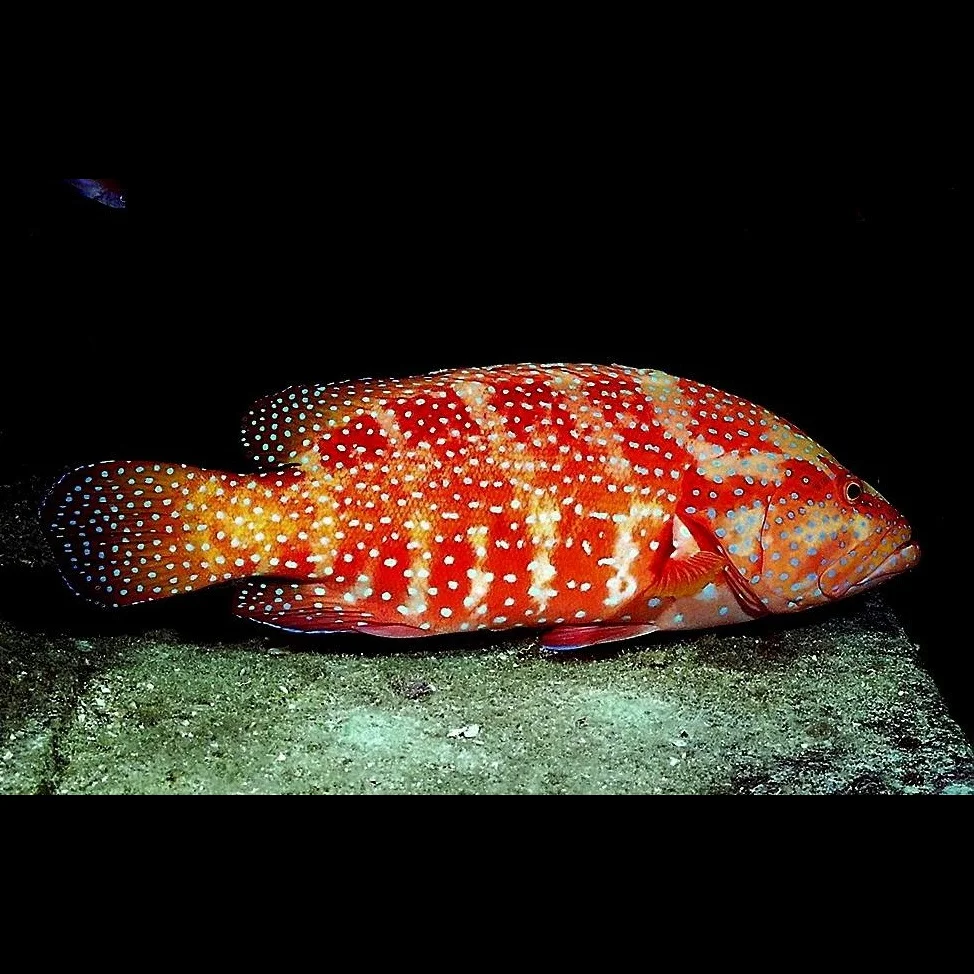
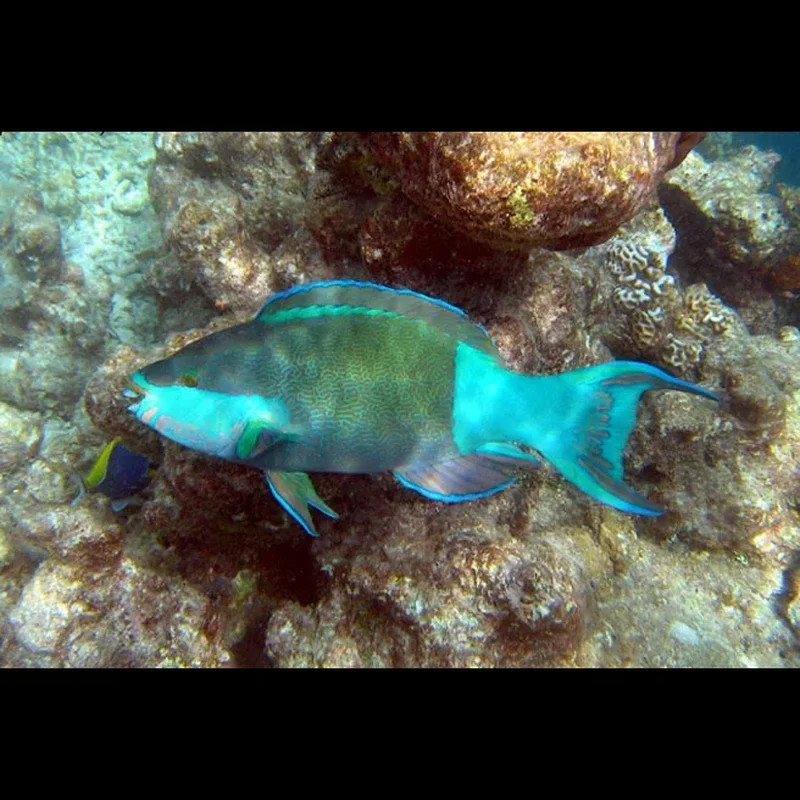
At deeper sections like Sand Bottom Cave, expect to see large schools of glassy sweepers and various small bait fish. Groupers, parrotfish, and eels also frequent the area, often sheltering within the nooks of the hard and soft coral structures.
These colorful corals provide vital habitats, creating a rich backdrop for observing reef inhabitants.

Dive Centers Near Sandy Reef
Today: 09:00 - 16:00
Nearest Airports
Nearest airports to help plan travel to this dive area.
Search Flights
Check available flights and routes on Expedia, using the nearby airports listed in this section.
Search Flights on ExpediaFrequently Asked Questions
What is the typical depth range for dives at Sandy Reef?
Dives at Sandy Reef are generally shallow. Many sections, like Sand Key, typically range from 5 to 9 meters (15-30 ft). Even the largest swim-throughs, such as Sand Bottom Cave, maintain a recreational depth of 8 to 9 meters, keeping well within standard recreational limits.
What kind of marine life can I expect to see?
You can anticipate a wide variety of fish, including schools of glassy sweepers, bait fish, groupers, parrotfish, and eels. The vibrant hard and soft corals also support a diverse range of smaller reef inhabitants.
Is Sandy Reef suitable for beginner divers?
Absolutely. Sandy Reef is often described as an easy, relaxing dive, especially at sites like Sand Key, which is great for beginners due to its shallow depths, ample sunlight, and calm conditions. It's an excellent place to build confidence.
Are there any specific underwater features to explore?
Yes, the reef features a mix of spur-and-groove formations and notable swim-throughs. Sand Bottom Cave on French Reef, for instance, is a prominent swim-through with dramatic walls and pinnacle structures, ideal for buoyancy practice.
When is the best time of year to visit Sandy Reef?
The months from May through September generally offer the best diving conditions, with warm air temperatures, lower wave heights, and clearer waters. These months align with 'Good' dive score ratings.
Can I complete advanced dive training at Sandy Reef?
Yes, the site's characteristics make it suitable for parts of Advanced Open Water training, including navigation and deep dive components, although the 'deep dive' here would be within recreational limits. Nitrox upgrades are also available for those looking to extend bottom times.
Planning to dive Sandy Reef?
Send one inquiry and receive offers directly from the best verified local dive operators.
Conditions are Excellent
07:00 - 14:00
Optimal conditions expected
Current conditions near Sandy Reef show 29° air, 30° sea temperature, 0.4 m waves, and 20 km/h wind. Forecast data is refreshed regularly to ensure accuracy.