
Diving at Seven Mile Bridge Reef (United States)
While the iconic Seven Mile Bridge itself isn't a dive site, its presence marks a crucial transition point in the Florida Keys' vibrant underwater landscape. This architectural marvel connects the middle and lower keys, acting as a navigational beacon for divers exploring nearby reef systems and wrecks. Despite its prominence, direct diving under the bridge is not permitted, contrasting with other accessible bridge-related dive opportunities in the region.
Current morning readings from Seven Mile Bridge Reef indicate an air temperature of 28.5°C. Surface wave heights are averaging around 0.4 m at this time. These local measurements provide a baseline for your daily dive planning.
Dive Site Location & Key Facts
Dive Site Overview
Although diving directly beneath the Seven Mile Bridge is prohibited, the surrounding waters of the Florida Keys, particularly in the Middle and Lower Keys region, present a diverse underwater topography for certified divers. Reefs like Sombrero Reef, located 3.5 nautical miles from Boot Key and marked by its historic lighthouse, feature extensive hard coral formations including elkhorn, fire, starlet, and pillar corals, alongside various soft corals like sea fans.
These vibrant shallow reef ecosystems typically range in depth from 3 to 12 m (10-40 ft), making them accessible for varying experience levels. Further east, Coffins Patch offers a group of six patch reefs characterized by boulder and pillar coral, lobsters, eels, and jacks; this area reaches recreational depths, welcoming both advanced and novice divers.
Visibility in these nearby areas can fluctuate significantly. It's reported to be as low as 1-2 m (3-5 ft) in certain conditions, improving to 3-5 m (10-15 ft), or even exceeding twenty-seven meters when clearer Atlantic waters are present.
The influence of tides and water movement from the Gulf of Mexico can impact water clarity, often necessitating careful timing for optimal conditions. Divers exploring this region will find a mix of natural reef structures and purpose-sunk artificial reefs/wrecks, contributing to varied dive profiles and experiences.
Conditions are Good
Optimal conditions expected
Current conditions near Seven Mile Bridge Reef show 28° air, 31° sea temperature, 0.4 m waves, and 21 km/h wind. Forecast data is refreshed regularly to ensure accuracy.
Best Time to Dive
Planning a dive trip to the Florida Keys near the Seven Mile Bridge requires considering seasonal weather patterns for optimal conditions. The months between May and September generally offer the highest dive scores, indicating better overall conditions. May sees air temperatures averaging 27°C (81°F) with lower wave heights of around 0.8 m (2.6 ft) and light winds at 23.2 km/h (14.4 mph), contributing to its "Good" rating. Similarly, July stands out with average air temperatures peaking at 29°C (84°F), minimal wave activity around 0.7 m (2.3 ft), and manageable winds, also rated "Good" for diving. These warmer periods often coincide with calmer seas, which can enhance underwater visibility across the local reefs. Conversely, the cooler months from January to April and October to December typically register "Moderate" dive scores. Air temperatures during January average 22°C (72°F), with increased wave heights of 1.1 m (3.6 ft) and stronger winds averaging 31.3 km/h (19.4 mph). October through December also exhibits higher wave heights and stronger winds, which can lead to reduced visibility and more challenging surface conditions. Rain averages are relatively low year-round, but can spike in late summer/early fall, with September seeing the highest average at 5.4 mm (0.21 inches) per day.
PEAK SEASON SCORE
Scores combine air & water temps, waves, wind & rainfall for overall conditions.
BEST MONTHS TO DIVE
Monthly records compiled from satellite and marine observation nodes over the last 3 years. Data provided by Open-Meteo and MET Norway.
Dive Experience & Conditions
Entering the waters near the Seven Mile Bridge means preparing for diverse conditions typical of the Middle and Lower Florida Keys. While direct diving under the bridge is prohibited, nearby sites like Sombrero Reef and Coffins Patch accommodate a range of experience levels, from novice to advanced divers. Depths for these reefs generally stay within the recreational limit, often between 3 to 12 m (10-40 ft). Current conditions are not consistently reported but can vary depending on tides, especially affecting visibility. Tidal movements sometimes bring in greener Gulf of Mexico waters, decreasing visibility, while Atlantic blue water significantly improves clarity, potentially reaching over twenty-seven meters (ninety feet). Water temperatures are not explicitly provided in the climate data, but typically reflect the warm air temperatures, ranging from 22°C (72°F) in winter to 29°C (84°F) in summer. These sites are generally boat dives, requiring stable surface conditions, particularly during months with higher wind speeds and wave heights.
Dive Difficulty & Safety Guidelines
A primary safety guideline for diving near the Seven Mile Bridge is the strict prohibition against diving directly under the structure itself. This area is reportedly a popular bull shark hangout and is not sanctioned for diving activities, differing from other bridge diving spots in the region. Divers operating in the surrounding Florida Keys should remain vigilant regarding rapidly changing visibility, which can be affected by tidal shifts and the influx of different water masses.
Stronger currents may be encountered, necessitating good buoyancy control and dive planning. Always ensure boat operators are aware of your dive plan and adhere to local regulations and marine park guidelines, especially in protected reef areas.
Being prepared for varying conditions, including potential low visibility days, is crucial for a safe and enjoyable experience.
Recommended Equipment
- Dive Computer
This gear list is based on verified equipment signals for Seven Mile Bridge Reef, United States. Always confirm final gear choices with your dive operator, guide, or liveaboard.
Recommended Dive Suit
Divers visiting Seven Mile Bridge Reef today can expect water conditions around 31°C (88°F). Surface air temperatures are resting at 28°C (83°F).
For the majority of recreational dives here, dive skin or rash guard should provide suitable protection. A hood or vest is suggested for sensitive divers due to surface winds.
Weather models currently point toward consistent diving conditions over the next several days.
Emergency & Medical Support
Essential information to help you plan your dive trip to Seven Mile Bridge Reef.

Hyperbaric chambers are a critical part of dive safety infrastructure. Availability varies significantly by region, and not all dive areas have immediate access.
Before diving, it's recommended to:
- confirm nearest medical facilities
- check emergency procedures with local dive operators
- ensure dive insurance covers evacuation if required
Divers Alert Network
Diving emergency assistance available through DAN World.
+1-919-684-9111- 24/7 emergency hotline
- Diving medical assistance
- Evacuation coordination
Emergency contacts are provided for reference. Always verify local emergency services before diving.
Marine Life at Seven Mile Bridge Reef
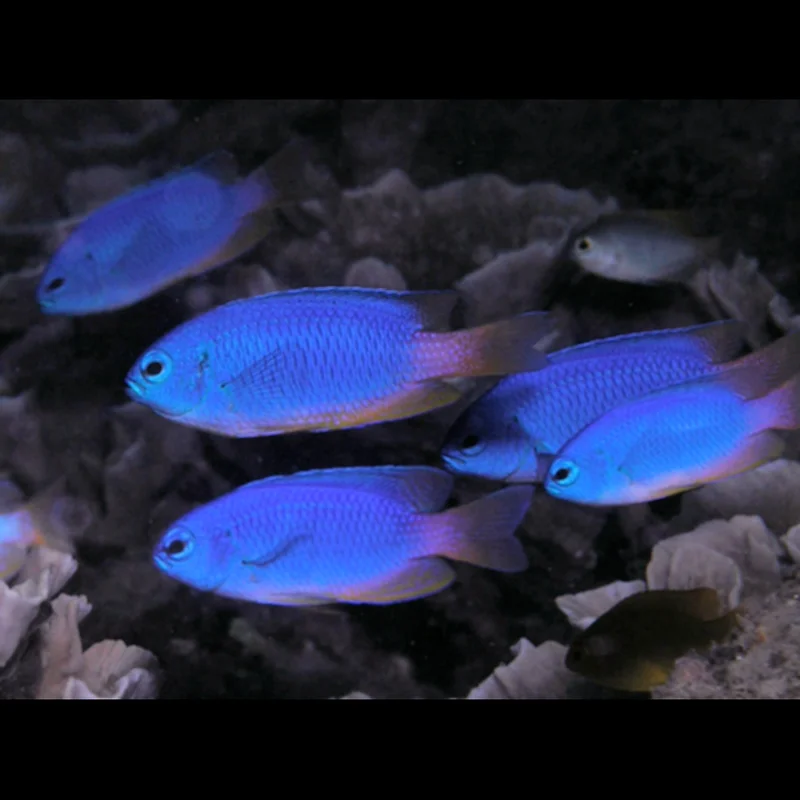
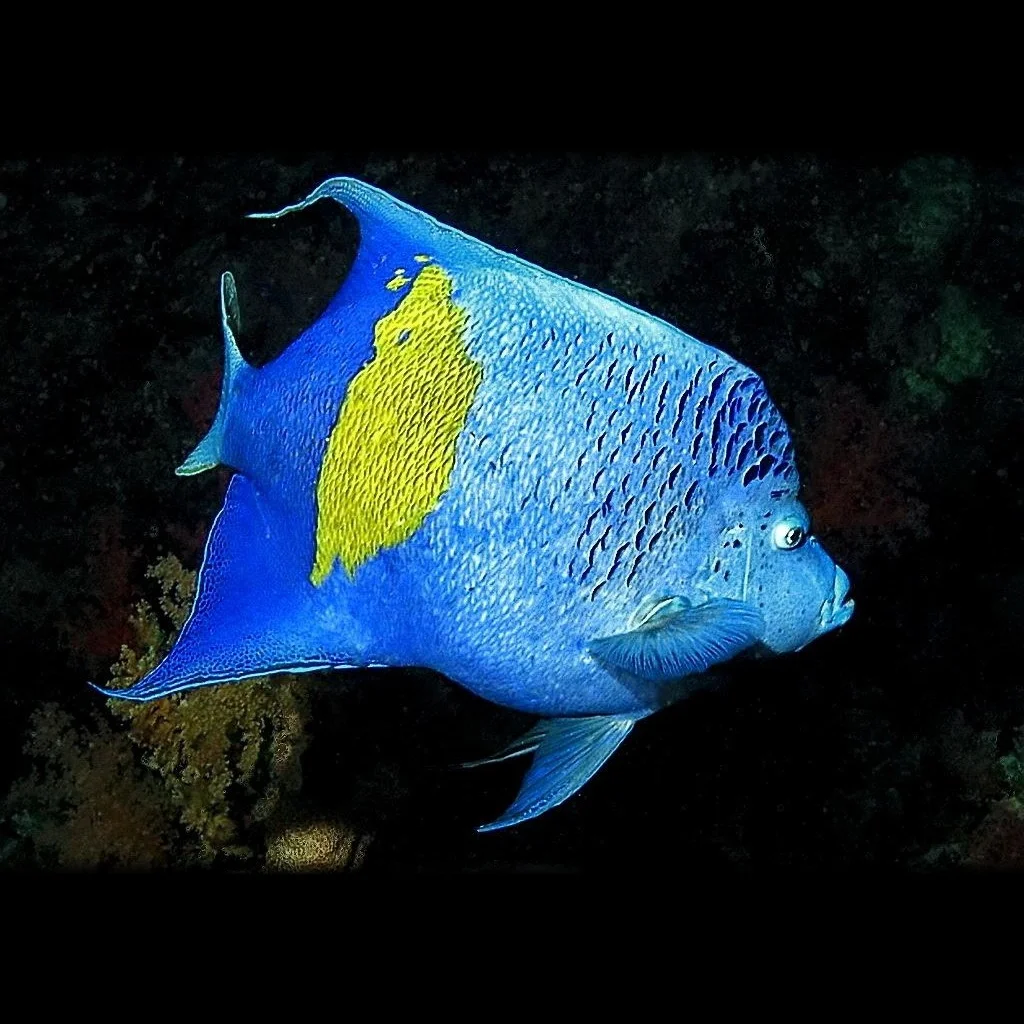
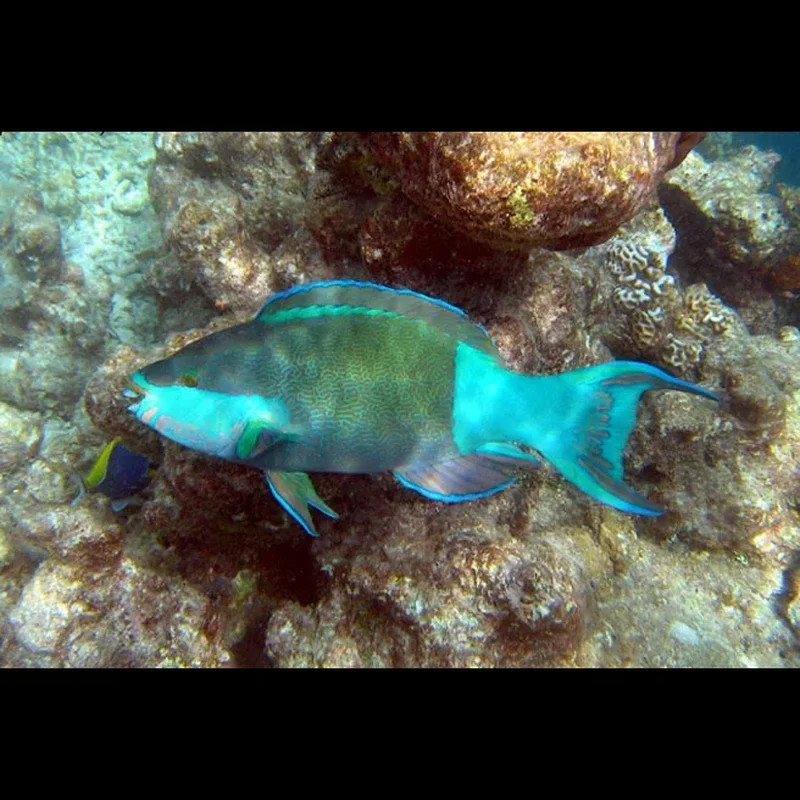
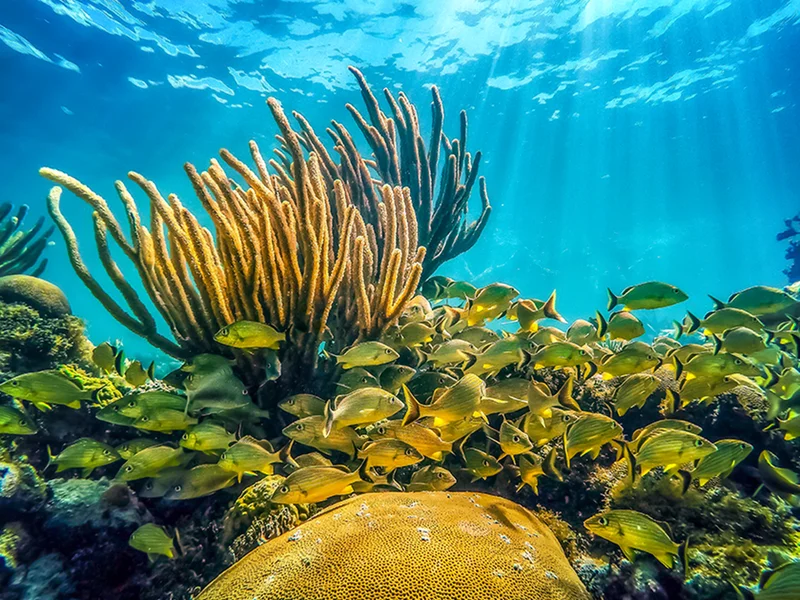
The underwater landscape in the region surrounding the Seven Mile Bridge, particularly on nearby reefs, supports a rich array of marine species. On vibrant coral formations like those at Sombrero Reef, divers can observe numerous fish species, including spotlight, rainbow, and princess parrotfish, damselfish, and angelfish.
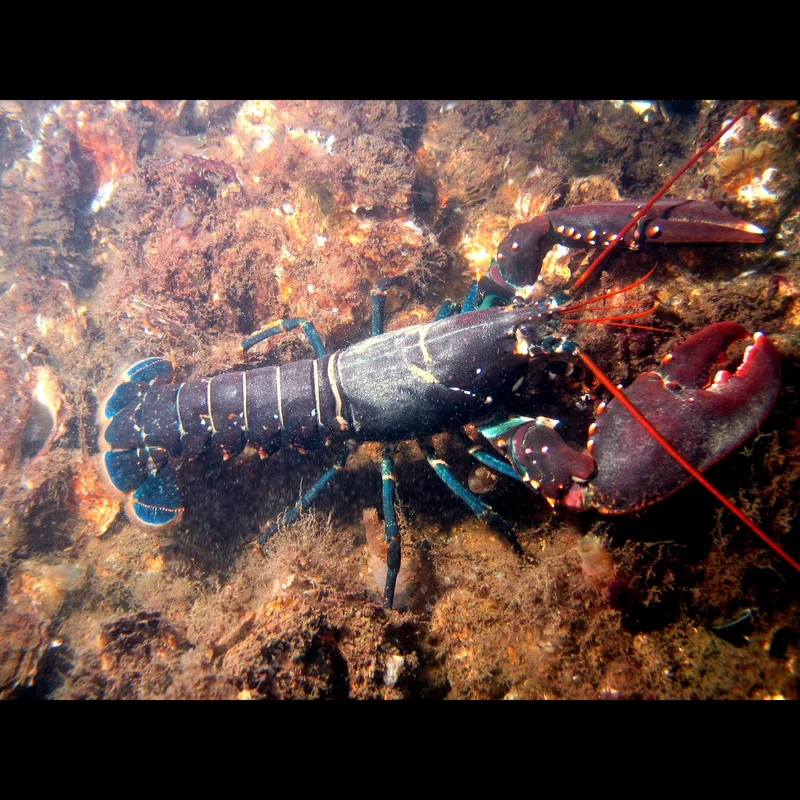
Coffins Patch offers sightings of lobsters, eels, and jacks navigating boulder and pillar coral structures. Looe Key, another shallow reef, sustains abundant life from small tropical fish to large goliath groupers, rays, and fan corals.
Occasionally, an octopus might be spotted, using ink defensively if approached. The health of these diverse ecosystems means sightings of various pelagics and reef fish are common.

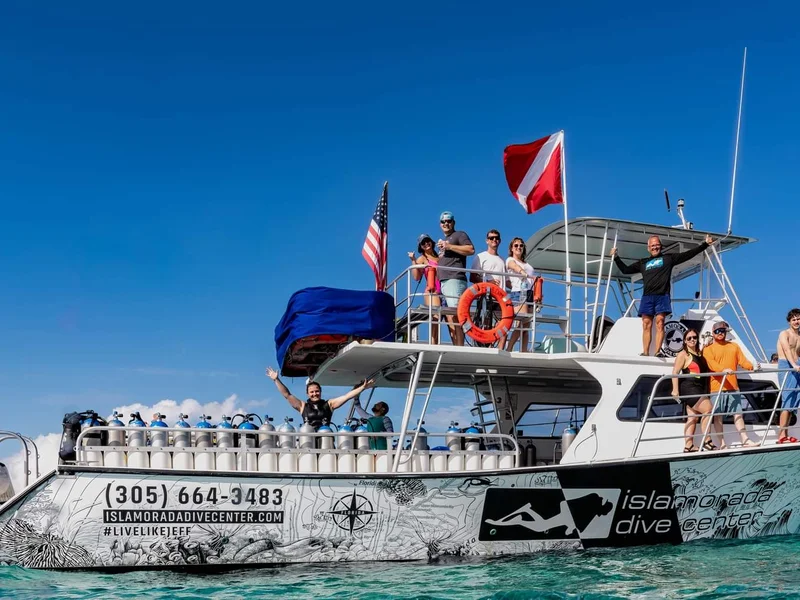
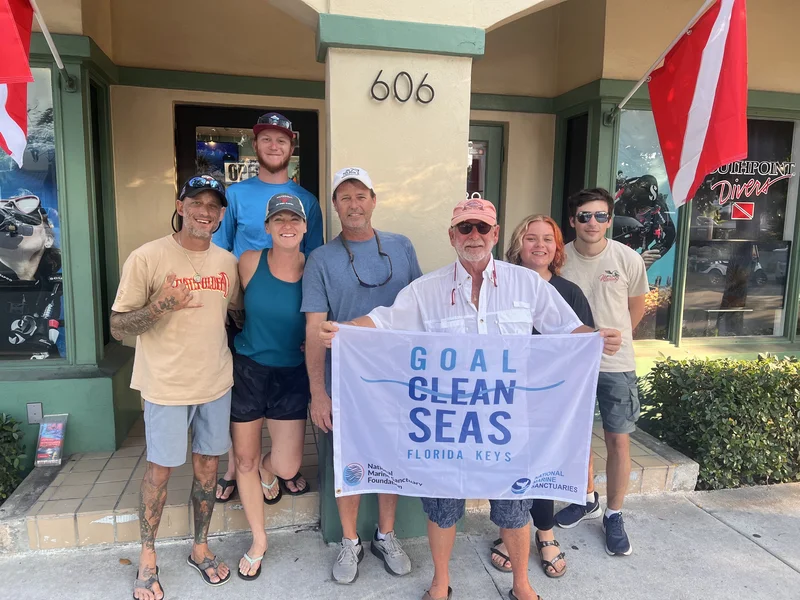
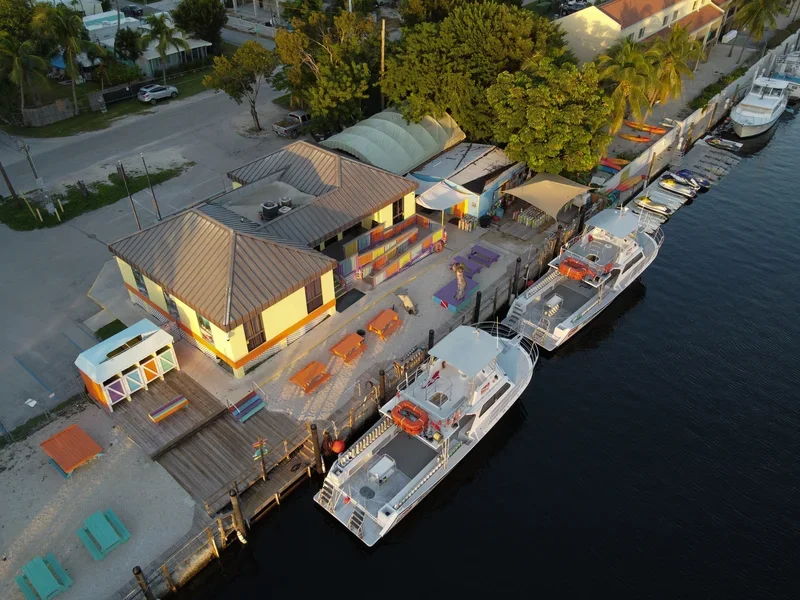
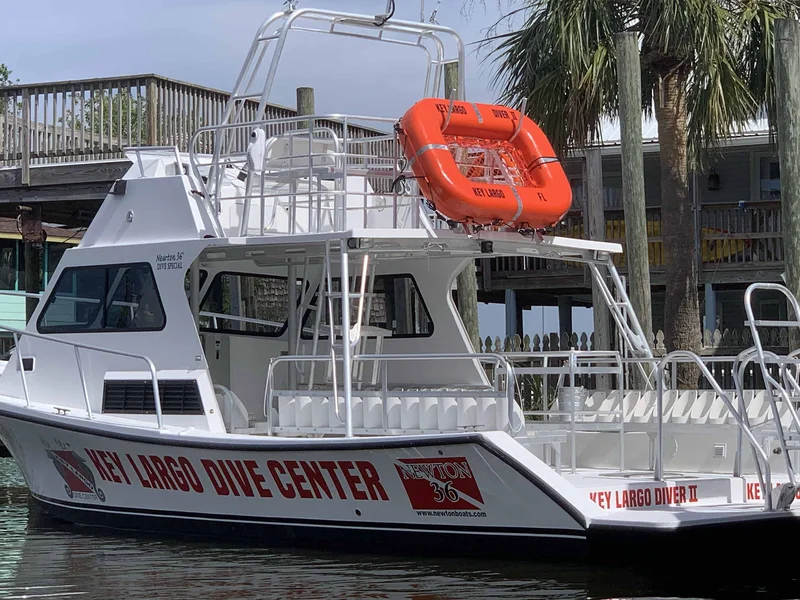
Dive Centers Near Seven Mile Bridge Reef
Today: 08:00 - 17:00

Nearest Airports
Nearest airports to help plan travel to this dive area.
Search Flights
Check available flights and routes on Expedia, using the nearby airports listed in this section.
Search Flights on Expedia
Plan Your Stay
Looking for a place to stay for your dive trip? Explore hotels, stays, and vacation rentals for dive groups near Marathon.
Dive Navigator may earn a commission from these links at no extra cost to you.
Frequently Asked Questions
Is diving permitted directly under the Seven Mile Bridge?
No, diving is specifically not allowed directly under the Seven Mile Bridge. This area is noted for potential bull shark activity and is not designated as a dive site.
What are the typical depths for diving in the vicinity of the Seven Mile Bridge?
For nearby dive sites like Sombrero Reef and Coffins Patch, depths commonly range between 3 to 12 meters. This makes the area suitable for both novice and experienced recreational divers.
How does visibility typically behave near the Seven Mile Bridge area?
Visibility in the surrounding Florida Keys can vary significantly. It might range from 1 to 2 meters when Gulf waters move in, improving to 3 to 5 meters, and occasionally exceeding twenty-seven meters with clear Atlantic currents. Tides influence these conditions, so planning is essential.
What kind of marine life might I encounter on nearby reefs?
Divers frequently observe various parrotfish, damselfish, and angelfish on coral reefs. Lobsters, eels, and jacks are common around patch reefs. Goliath groupers and rays can also be seen in healthier reef systems like Looe Key.
When is the best time of year to dive in the Middle Keys area?
The months from May to September generally offer the best diving conditions, with warmer air temperatures and calmer seas. While diving is possible year-round, conditions in winter months can be more moderate due to stronger winds and higher waves.
Are there any notable wrecks in the broader area?
Yes, the Florida Keys region has several significant wreck dives. The Adolphus Busch Sr. and the Duane are two prominent artificial reefs located further north, offering advanced diving experiences.
Do dive operators offer trips specifically to Seven Mile Bridge Reef?
Dive operators in the Florida Keys typically do not offer trips specifically to a "Seven Mile Bridge Reef" for diving. They often pass under the bridge en route to established dive sites like Sombrero Reef or other Middle Keys locations.
Planning to dive Seven Mile Bridge Reef?
Send one inquiry and receive offers directly from the best verified local dive operators.
Conditions are Good
Optimal conditions expected
Current conditions near Seven Mile Bridge Reef show 28° air, 31° sea temperature, 0.4 m waves, and 21 km/h wind. Forecast data is refreshed regularly to ensure accuracy.