
Diving at Sfma-Public Reef #4 (United States)
Prepare to explore a deliberately placed habitat at SFMA-Public Reef #4. Diving this artificial reef delivers a distinct experience, where human engineering merges with natural recruitment to create a thriving subaquatic environment. It's a chance to witness how purpose-built structures draw marine life, providing engaging encounters for recreational divers. Discover the ecological benefits of thoughtful marine construction and its role in fostering biodiversity.
Evening condition tracking at Sfma-Public Reef #4 features an air temperature of 30.5°C. We have recorded wave heights measuring 0.6 m during this period. These figures outline the environmental parameters currently present.
Dive Site Location & Key Facts
Dive Site Overview
An intricate underwater landscape characterizes SFMA-Public Reef #4, a vital part of the Steinhatchee Fisheries Management Area (SFMA) Public Reef system located within Taylor County's coastal waters. Purposefully constructed from scrap metal, large culverts, concrete tubes, specialized artificial reef modules, and sturdy reef balls, these diverse materials form a complex, multi-layered habitat.
Divers will find themselves navigating an array of these structures, each thoughtfully designed to offer both crucial shelter and abundant foraging grounds for various marine species. While specific depths for this exact site aren't consistently reported, similar artificial reefs in the broader region typically fall comfortably within recreational diving limits, often ranging from 4-9 meters (15-30 ft). The reef’s varied layout encourages extensive exploration, presenting numerous nooks, crannies, and overhangs where smaller marine life often congregates.
It's a truly dynamic environment, constantly evolving as new marine growth progressively colonizes the structures and diverse fish communities establish enduring residence. Observing this ongoing ecological development provides valuable insight into marine restoration efforts.
Deployment of such artificial reefs proves crucial for marine conservation, simultaneously bolstering local economies through enhanced recreational diving opportunities. These structures provide essential hard bottom habitat where it might otherwise be scarce, fostering biodiversity and contributing to the overall health of the Gulf's ecosystem.
Conditions are Good
Optimal conditions expected
Current conditions near Sfma-Public Reef #4 show 31° air, 30° sea temperature, 0.4 m waves, and 27 km/h wind. Forecast data is refreshed regularly to ensure accuracy.
Best Time to Dive
Planning your dive around optimal visibility ensures the best experience at SFMA-Public Reef #4. Generally, the spring and fall months tend to offer favorable conditions. Air temperatures are pleasant, ranging from approximately 18°C (64°F) in March to 25°C (77°F) in May, before the peak summer heat. Rainfall is relatively low during these periods, with averages around 2.0-3.8mm (0.08-0.15 inches), which can contribute to better water clarity. Conversely, late summer through early fall, particularly August and September, experience higher rainfall, averaging 5.98mm (0.24 inches) and 5.14mm (0.20 inches) respectively. This increased precipitation, combined with potential tropical weather systems, can reduce visibility. Wind speeds are generally calmer in July, around 22.3 km/h (13.9 mph), potentially leading to smoother surface conditions and less stirred-up sediment. Wave heights also tend to be lower in the summer months, notably 0.5m (1.6 ft) in July, which can significantly enhance underwater visibility by reducing surge.
PEAK SEASON SCORE
Scores combine air & water temps, waves, wind & rainfall for overall conditions.
BEST MONTHS TO DIVE
Monthly records compiled from satellite and marine observation nodes over the last 3 years. Data provided by Open-Meteo and MET Norway.
Dive Experience & Conditions
Your descent to SFMA-Public Reef #4 will reveal a collection of structures designed to foster marine ecosystems. As you drop through the water column, the diverse reef components gradually come into view, each attracting various forms of life. Visibility varies depending on conditions, influenced by wave action and rainfall, but often allows for good orientation around the individual reef modules. Currents here are not consistently reported but can shift; divers should be prepared for moderate movement. Exploring this reef involves navigating around concrete forms and various deployed materials that provide extensive vertical relief and numerous swim-through opportunities. The max depth is within the recreational range, making it accessible for a wide array of certified divers. You'll spend your dive investigating the intricate surfaces and hidden ledges where marine organisms find shelter and food, observing the ongoing process of colonization on these artificial foundations.
Dive Difficulty & Safety Guidelines
Divers at SFMA-Public Reef #4 should be aware of potential hazards, specifically the reported presence of discarded military munitions identified by the U.S. Army Corps of Engineers in general Escambia County artificial reef areas. Always maintain a safe distance and never disturb any unidentified objects. Visibility and sea conditions can change quickly; always prioritize safety and assess conditions before and during your dive.
Florida State Law mandates displaying a diver-down flag or buoy prominently in areas where diving occurs, which is crucial for diver safety and boat traffic awareness. Ensure you are trained and certified for SCUBA diving and only dive within your personal limits.
It's recommended to carry a GPS device for accurate site location, as many artificial reefs are best accessed by boat. Respect the marine environment by taking only pictures and leaving only bubbles.
Recommended Equipment
- Dive Computer
This gear list is based on verified equipment signals for Sfma-Public Reef #4, United States. Always confirm final gear choices with your dive operator, guide, or liveaboard.
Recommended Dive Suit
Comfort levels can also depend on how active a diver is during the dive.
Environmental readings suggest that the waters surrounding Sfma-Public Reef #4 are about 30°C (87°F) at the moment. Surface air temperatures are resting at 31°C (87°F). When water temperatures fall within this range, many divers dive comfortably with dive skin or rash guard. Consider warmer surface protection (like a boat coat) due to brisk winds.
Weather models indicate a small drop in surface temperatures later this week. Cooler days are ahead; you might want a warmer option for later in the week. A thicker wetsuit may be worth considering for extended dives.
Due to technical issues with our weather providers, live updates are temporarily delayed. The data above reflects the conditions at the time of the last successful fetch.
Emergency & Medical Support
Essential information to help you plan your dive trip to SFMA-Public Reef #4.

Hyperbaric chambers are a critical part of dive safety infrastructure. Availability varies significantly by region, and not all dive areas have immediate access.
Before diving, it's recommended to:
- confirm nearest medical facilities
- check emergency procedures with local dive operators
- ensure dive insurance covers evacuation if required
Divers Alert Network
Diving emergency assistance available through DAN World.
+1-919-684-9111- 24/7 emergency hotline
- Diving medical assistance
- Evacuation coordination
Emergency contacts are provided for reference. Always verify local emergency services before diving.
Marine Life at Sfma-Public Reef #4
Upon approaching SFMA-Public Reef #4, divers will immediately notice the aggregation of fish seeking shelter and sustenance among the structures. You'll observe various reef fish species patrolling the culverts and modules, utilizing the complex habitat for protection.
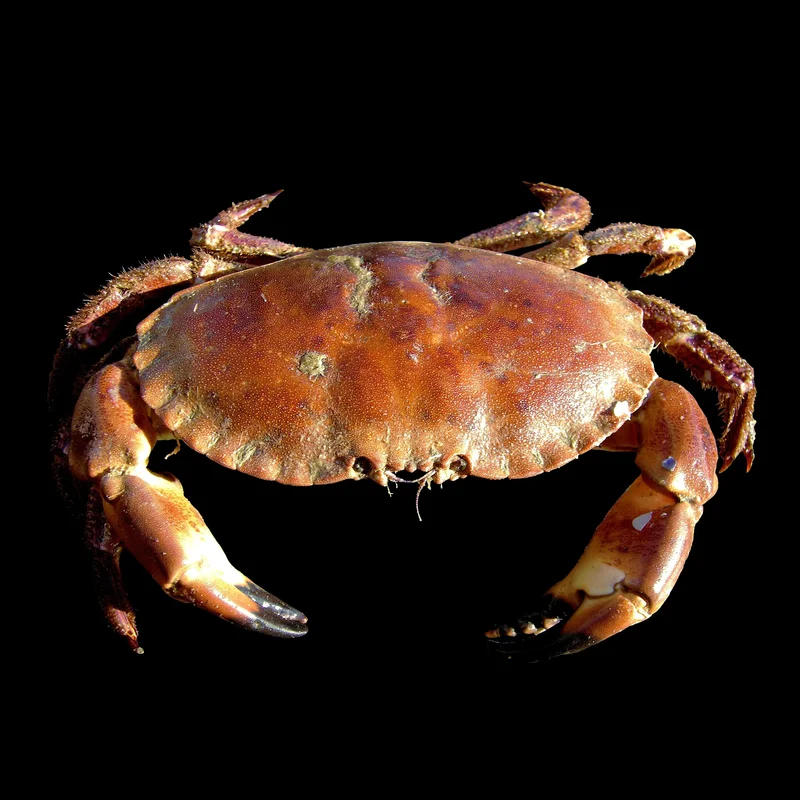
Look closely, and you'll spot smaller invertebrates like crabs and shrimp nestled in the crevices. The surfaces of the reef balls and concrete tubes are steadily colonized by healthy marine growth, including sponges and soft corals, providing a foundational food source and further enhancing biodiversity.
Keep an eye out for larger predatory fish that may use the reef as a hunting ground. This site is designed to support a wide range of marine organisms, so expect a dynamic environment with continuous activity.
Dive Centers Near Sfma-Public Reef #4
No Dive Centers Local To Sfma-Public Reef #4
Are you a dive center visiting this location? Get listed to reach divers.
Nearest Airports
Nearest airports to help plan travel to this dive area.
Search Flights
Check available flights and routes on Expedia, using the nearby airports listed in this section.
Search Flights on ExpediaFrequently Asked Questions
What kind of structures make up SFMA-Public Reef #4?
SFMA-Public Reef #4 is composed of various man-made materials, including scrap metal, culverts, concrete tubes, artificial reef modules, and reef balls. These structures are intentionally placed to create a complex underwater habitat for marine life.
What is the typical depth range for diving this reef?
While specific depths for this exact site aren't consistently reported, similar artificial reefs in the region generally lie within recreational diving limits. Divers can expect depths often ranging from 4 to 9 meters (15 to 30 ft).
Are there any specific safety concerns at this site?
A primary concern for artificial reefs in some areas of Escambia County involves the potential presence of discarded military munitions. Divers should be vigilant, maintain a safe distance from any unusual objects, and never attempt to disturb them. Additionally, always display a diver-down flag as per Florida State Law.
When is the best time to dive for good visibility?
Spring and fall generally offer the best visibility due to lower rainfall and calmer wind conditions. Months like May and October often provide clearer waters. Summer can bring higher rainfall and potential tropical weather, which may reduce visibility.
What marine life can I expect to see here?
As an artificial reef, SFMA-Public Reef #4 attracts various reef fish seeking shelter, food, and breeding grounds. You can anticipate seeing a range of fish species, along with invertebrates like crabs and shrimp. The structures themselves will be colonized by sponges and other marine growth.
Do I need a boat to access SFMA-Public Reef #4?
Yes, SFMA-Public Reef #4, like many artificial reef sites, is best reached by boat. Using a GPS device is highly recommended for accurate navigation to the site's coordinates.
Planning to dive Sfma-Public Reef #4?
Send one inquiry and receive offers directly from the best verified local dive operators.
Conditions are Good
Optimal conditions expected
Current conditions near Sfma-Public Reef #4 show 31° air, 30° sea temperature, 0.4 m waves, and 27 km/h wind. Forecast data is refreshed regularly to ensure accuracy.