
Diving at Silvertooth 25 (United States)
Imagine descending into the low visibility environment of Silvertooth 25, your primary goal to hunt for ancient megalodon teeth. This is not a typical reef dive; it's a treasure hunt into prehistoric depths. Divers navigate shifting gravel beds and fossil-rich ledges where massive marine predators once roamed. Success often rewards persistence and a keen eye for subtle clues in the murky conditions. Every dive here is an active exploration into a submerged paleontological site.
Evening condition tracking at Silvertooth 25 features an air temperature of 25.5°C. We have recorded wave heights measuring 0.3 m during this period. These figures outline the environmental parameters currently present.
Dive Site Location & Key Facts
Dive Site Overview
Silvertooth 25 presents a unique underwater environment, primarily composed of fossil ledges and shifting gravel beds, remnants of ancient paleo-coastlines. These sturdy limestone formations act as natural baffles, collecting and shielding prehistoric fossils like whale bones, dugong ribs, and especially megalodon and other shark teeth from strong currents.
Divers typically descend to a maximum depth of around 30 m (100 ft) to reach these productive areas. Environment conditions change frequently; gravel beds constantly shift, getting covered and uncovered, making each descent a unique search. Below about 4.5 m (15 ft), sunlight penetration ceases, plunging the dive site into near total darkness.
A powerful dive light is essential, illuminating only a narrow beam in the tannin-colored water. Restricted visibility, combined with often-strong tidal currents, defines the challenging yet rewarding nature of fossil diving here.
Successfully locating a productive gravel bed requires patience and developing an efficient search technique. No two dives are exactly alike at this dynamic site, often requiring multiple attempts to find an ideal collecting spot.
Conditions are Good
Optimal conditions expected
Current conditions near Silvertooth 25 show 26° air, 31° sea temperature, 0.3 m waves, and 23 km/h wind. Forecast data is refreshed regularly to ensure accuracy.
Best Time to Dive
While diving at Silvertooth 25 is possible year-round, conditions vary, presenting contrasting experiences throughout the seasons. The most favorable months, marked with 'Excellent' dive scores, typically span May through September. During this period, average air temperatures range from 25.5-28.5°C (78-83°F), accompanied by minimal average wave heights of 0.3-0.5 meters and lower wind speeds, generally below 21 km/h (13 mph). Rainfall during these months, while present, averages between 2.08 mm and 9.29 mm, often not significantly impacting dive conditions except after heavy, localized events. Conversely, the cooler months from January to April and October to December still offer 'Good' diving. Air temperatures cool to 15.5-24.5°C (60-76°F), and average wave heights increase slightly to 0.6-0.8 meters. Wind speeds can be higher, reaching up to 24.2 km/h (15 mph). Planning during periods of lower wind and wave activity, regardless of the month, generally enhances the experience at this current-sensitive location.
PEAK SEASON SCORE
Scores combine air & water temps, waves, wind & rainfall for overall conditions.
BEST MONTHS TO DIVE
Monthly records compiled from satellite and marine observation nodes over the last 3 years. Data provided by Open-Meteo and MET Norway.
Dive Experience & Conditions
Upon entering the water at Silvertooth 25, divers descend along an anchor line, which serves as a crucial guide into the low visibility environment. Around 4.5 m (15 ft) deep, sunlight fades, giving way to pitch black conditions where a powerful dive light becomes a diver's sole visual aid, projecting a narrow brown beam just inches wide. Tidal currents are a significant factor; they can become strong, requiring divers to pull themselves along the river bottom, sometimes using screwdrivers stabbed into the sediment. A technique likened to ice climbing helps maintain position and move against the flow. Locating the elusive gravel beds, often hidden beneath sand, is a primary task, made more efficient with tools like rakes and diver propulsion vehicles used as 'underwater leaf blowers.' It takes experience to efficiently search these shifting beds, adapting to the dynamic river bottom and navigating potential obstacles like submerged trees. Physical exertion involved in battling currents and searching in limited visibility demands good buoyancy control and dive fitness.
Dive Difficulty & Safety Guidelines
Strong tidal currents are a significant safety consideration at Silvertooth 25. These currents can rapidly drag and tumble divers, particularly if improperly weighted, potentially pushing them into submerged trees. The pervasive pitch black conditions below shallow depths mean divers rely entirely on their dive lights, which illuminate only a small area.
This extreme limited visibility makes navigation challenging and increases the risk of bumping into unseen objects, whether they are tree branches, mud balls, or even large fish. While alligators are mentioned as present in the river, direct encounters are not consistently reported as a primary dive hazard due to the low visibility.
Nevertheless, maintaining awareness of surroundings is prudent. Always ensure dive lights have fresh batteries, and carry a backup.
Proper weighting is critical to avoid being swept away, and using an anchor line for descent and ascent provides a vital lifeline back to the boat.
Recommended Equipment
- Dive Computer
This gear list is based on verified equipment signals for Silvertooth 25, United States. Always confirm final gear choices with your dive operator, guide, or liveaboard.
Recommended Dive Suit
With water temperatures around 31°C (87°F), many divers find a dive skin or rash guard provides comfortable protection.
Local dive briefings can provide the most accurate guidance.
The forecast outlook suggests that temperatures will stay close to current levels.
Emergency & Medical Support
Essential information to help you plan your dive trip to Silvertooth 25.

Hyperbaric chambers are a critical part of dive safety infrastructure. Availability varies significantly by region, and not all dive areas have immediate access.
Before diving, it's recommended to:
- confirm nearest medical facilities
- check emergency procedures with local dive operators
- ensure dive insurance covers evacuation if required
Divers Alert Network
Diving emergency assistance available through DAN World.
+1-919-684-9111- 24/7 emergency hotline
- Diving medical assistance
- Evacuation coordination
Emergency contacts are provided for reference. Always verify local emergency services before diving.
Marine Life at Silvertooth 25
Prehistoric marine life remnants primarily characterize Silvertooth 25's underwater landscape, serving as the main draw for divers. A treasure trove of fossilized teeth awaits discovery, notably from the colossal megalodon shark, alongside other ancient shark species.
Divers often discover fossilized whale bones and dugong ribs scattered within the gravel beds and fossil ledges. While encounters with living fish, sometimes quite large, are common in the low visibility, they typically manifest as unseen bumps.
Small alligators are present in the river system, but direct observation during dives is limited by the pitch-black conditions. Unearthing tangible evidence of ancient ecosystems represents the true marine life highlight here.
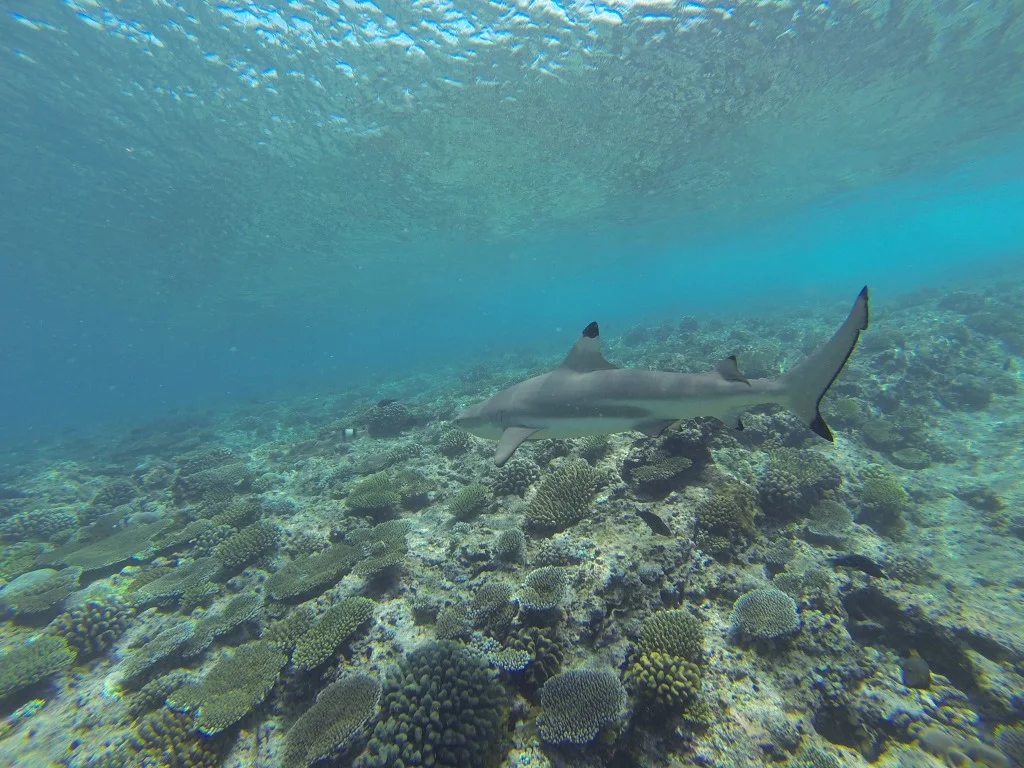

Dive Sites Near Silvertooth 25
View all dive sites in United StatesDiscover more underwater gems in this area.
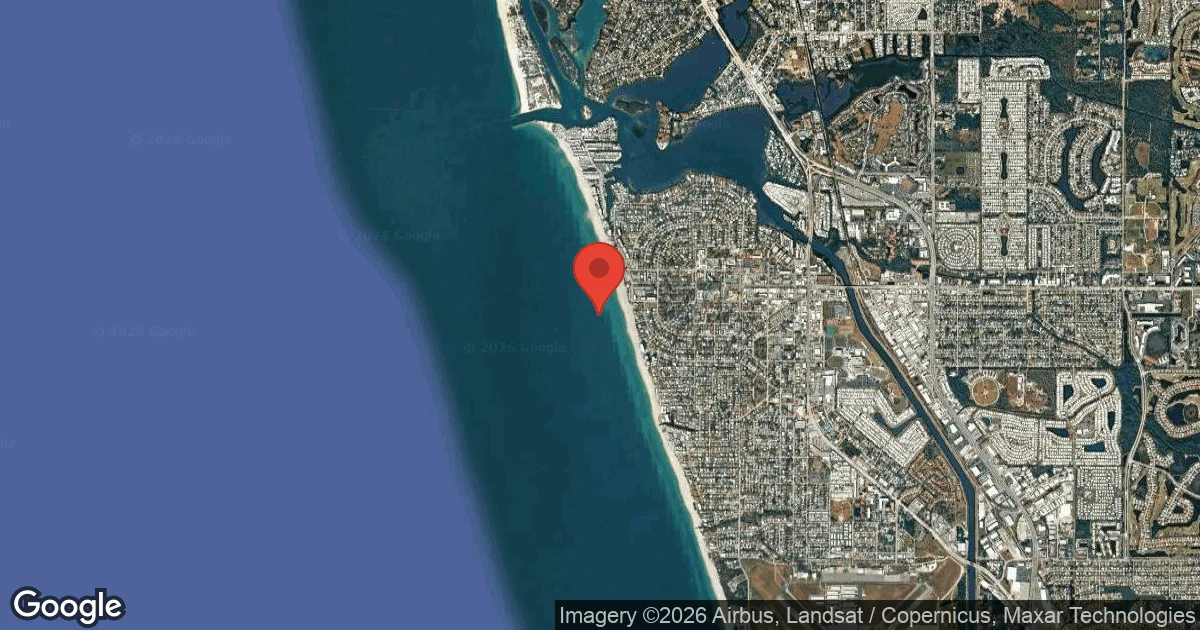
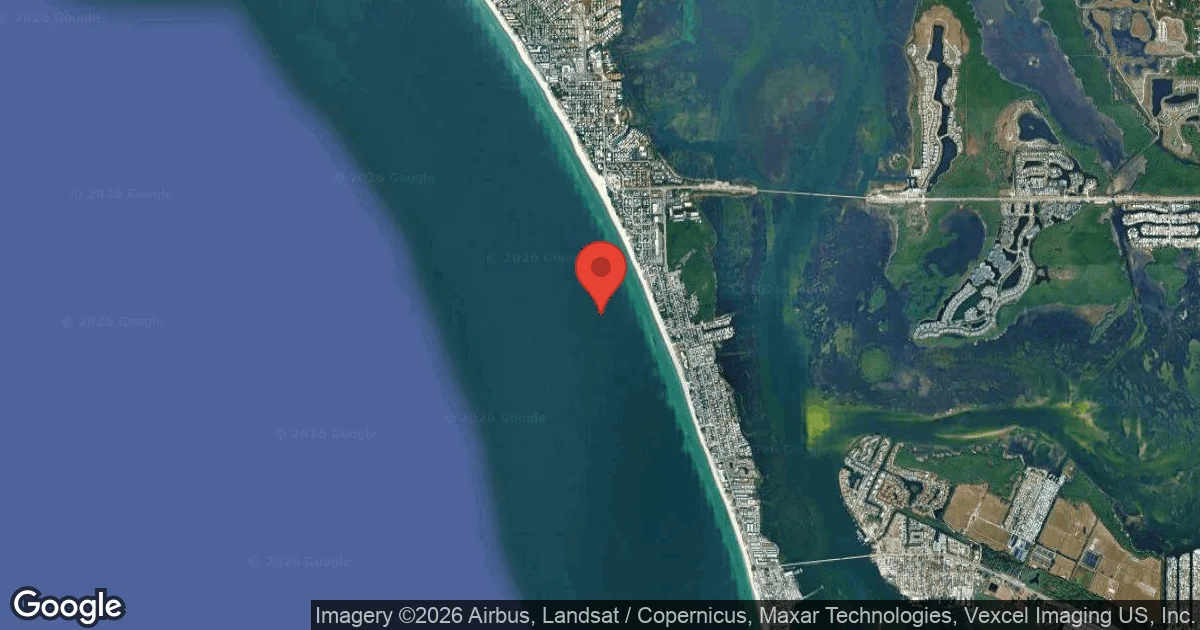
Dive Centers Near Silvertooth 25
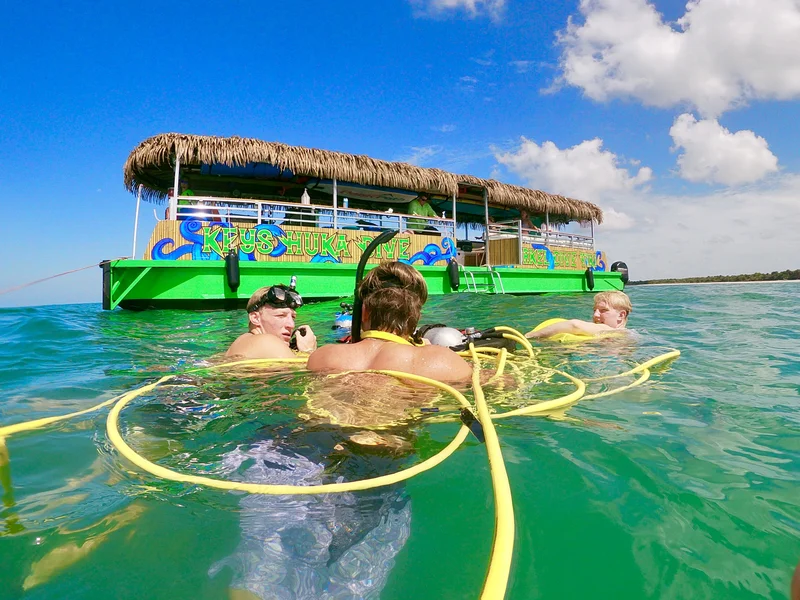
Today: 09:00 - 18:00
Nearest Airports
Nearest airports to help plan travel to this dive area.
Search Flights
Check available flights and routes on Expedia, using the nearby airports listed in this section.
Search Flights on Expedia
Plan Your Stay
Looking for a place to stay for your dive trip? Explore hotels, stays, and vacation rentals for dive groups near Siesta Key.
Dive Navigator may earn a commission from these links at no extra cost to you.
Frequently Asked Questions
What kind of fossils can I expect to find at Silvertooth 25?
Divers primarily hunt for fossilized megalodon shark teeth, which are abundant in the gravel beds. You can also expect to find teeth from other ancient sharks, as well as fossilized whale bones and dugong ribs.
What are the typical visibility conditions like?
Visibility at Silvertooth 25 is extremely limited. Below approximately 4.5 m (15 ft), it becomes pitch black. Your dive light will only illuminate a narrow beam, creating a very small visual field.
How strong are the currents at this dive site?
Tidal currents can be quite strong at Silvertooth 25. Divers often need to use tools like screwdrivers to stab into the river bottom and pull themselves along to move effectively against the flow.
What special equipment is recommended for fossil diving here?
A powerful dive light with fresh batteries and a backup is essential. Additionally, screwdrivers for propulsion, a rake for sifting gravel, wreck reels for navigation, and a large mesh bag for collecting are highly recommended.
Is it difficult to find fossils at Silvertooth 25?
Finding fossils can be hit or miss as gravel beds constantly shift and get covered. It takes real experience to become good at blackwater fossil diving, requiring efficient search techniques and persistence.
Are there any specific hazards I should be aware of?
Primary hazards include strong tidal currents, potential impacts with submerged trees due to limited visibility, and navigating in near total darkness. While alligators are present, direct encounters during dives are not frequently reported due to the murky water.
What's the typical maximum depth for fossil hunting?
Divers typically explore depths up to 30 m (100 ft) to reach the most productive fossil-rich ledges and gravel beds. The darkest conditions, however, begin at much shallower depths around 4.5 m (15 ft).
Planning to dive Silvertooth 25?
Send one inquiry and receive offers directly from the best verified local dive operators.
Conditions are Good
Optimal conditions expected
Current conditions near Silvertooth 25 show 26° air, 31° sea temperature, 0.3 m waves, and 23 km/h wind. Forecast data is refreshed regularly to ensure accuracy.