
Diving at Site 02_2013_SW (United States)
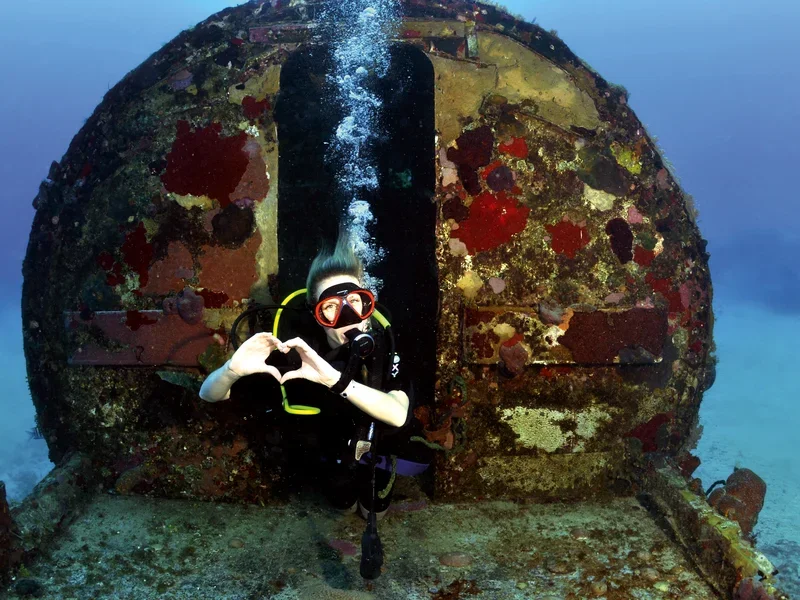
This artificial reef site in the United States provides a foundational structure for marine ecosystems, resting on the seabed as a deliberate placement. Its design helps to attract and support diverse marine communities, creating focal points for underwater exploration. Divers visiting this location find a varied underwater landscape, distinct from natural formations, offering a unique habitat study.
As evening covers Site 02_2013_SW, the local air temperature is measured at 28.5°C. The current wave height at the surface is recorded at 1.5 m. These late-day readings characterize the surface conditions for the night.
Dive Site Location & Key Facts
Dive Site Overview
Descending onto an artificial reef offers a distinct dive experience, providing structure for marine ecosystems where none naturally occurred. Divers will find various man-made formations acting as shelters and foraging grounds for diverse aquatic life.
Expect to encounter objects deliberately placed to create habitats, from repurposed vessels to concrete modules, each attracting different species. Water temperature is not consistently reported across all seasons, often varying significantly with local conditions and time of year. Reaching depths generally within recreational limits, typically extending to a maximum of 30 m (100 ft), makes this site accessible for a wide range of certified divers.
Observing marine creatures interacting with these structures provides unique insights into colonization and habitat formation. Surface conditions, including wave height and wind speed, directly influence comfort during boat travel and entry; checking local forecasts is always advisable.
Visibility at the site can shift, influenced by currents and seasonal plankton blooms, impacting the overall dive experience at different times. Exploring the site requires mindful navigation around the deployed materials, which serve as a foundational support system for reef inhabitants.
Strong currents, though not consistently reported, may occasionally affect positioning, requiring attentive buoyancy control near the structures. Divers often report a sense of discovery exploring how nature reclaims these sunken objects.
Conditions are Good
Optimal conditions expected
Current conditions near Site 02_2013_SW show 28° air, 28° sea temperature, 0.9 m waves, and 28 km/h wind. Forecast data is refreshed regularly to ensure accuracy.
Best Time to Dive
Optimizing a dive trip here often means aligning with periods of calmer waters and more settled weather for better visibility. The best conditions for diving typically occur from May through August, and again in November, when the dive score is rated as 'Good'. During these months, average wave heights are generally lower, ranging from 0.6 m (July) to 0.9 m (August), with average wind speeds between 24.5 km/h (July) and 28.46 km/h (June). Air temperatures are warm, ranging from 24.5°C (76°F) in May to 28°C (82°F) in August. Conversely, October is rated 'Poor' for diving, experiencing higher average wave heights around 1.6 m and more frequent rainfall.
PEAK SEASON SCORE
Scores combine air & water temps, waves, wind & rainfall for overall conditions.
BEST MONTHS TO DIVE
Monthly records compiled from satellite and marine observation nodes over the last 3 years. Data provided by Open-Meteo and MET Norway.
Dive Experience & Conditions
Beginning the descent, divers will notice ambient light gradually dimming as they approach the artificial reef structure. Water clarity can fluctuate, sometimes offering good visibility, while at other times particulate matter might be present, varying with local currents and recent weather events. The maximum depth reached at this site is typically around 30 m (100 ft), suitable for advanced open water divers. Currents here are not consistently reported but can vary from mild to moderate, requiring divers to be attentive to their positioning around the reef structure. Average air temperatures range from 16.5°C (62°F) in January to 28°C (82°F) in August, influencing topside comfort.
Dive Difficulty & Safety Guidelines
Diving any artificial reef requires careful planning and adherence to established safety protocols. Divers should always assess current weather and sea conditions before entering the water, being mindful of potential changes in wind and wave action. Maintaining excellent buoyancy control is crucial to avoid damaging the reef structure or stirring up sediment, which can reduce visibility for others.
Always dive within your certification limits and consider carrying appropriate signaling devices. Awareness of boat traffic, especially during peak seasons, is also an important safety consideration at sites like this.
Recommended Equipment
- Dive Computer
This gear list is based on verified equipment signals for Site 02_2013_SW, United States. Always confirm final gear choices with your dive operator, guide, or liveaboard.
Recommended Dive Suit
With water temperatures around 28°C (83°F), many divers find a 2-3mm shorty or light wetsuit provides comfortable protection.
Local conditions can vary slightly across different parts of the same dive site.
Weather projections show fairly stable environmental conditions ahead.
Due to technical issues with our weather providers, data hasn't been fetched for over 48 hours. The data above reflects the conditions at the time of the last successful fetch.
Emergency & Medical Support
Essential information to help you plan your dive trip to Site 02_2013_SW.

Hyperbaric chambers are a critical part of dive safety infrastructure. Availability varies significantly by region, and not all dive areas have immediate access.
Before diving, it's recommended to:
- confirm nearest medical facilities
- check emergency procedures with local dive operators
- ensure dive insurance covers evacuation if required
Divers Alert Network
Diving emergency assistance available through DAN World.
+1-919-684-9111- 24/7 emergency hotline
- Diving medical assistance
- Evacuation coordination
Emergency contacts are provided for reference. Always verify local emergency services before diving.
Marine Life at Site 02_2013_SW
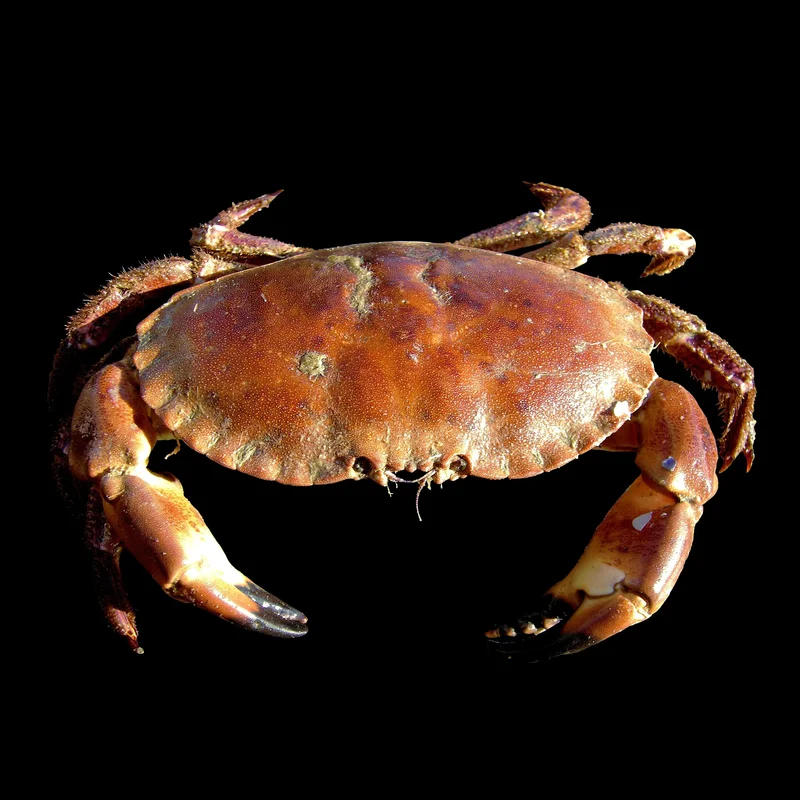
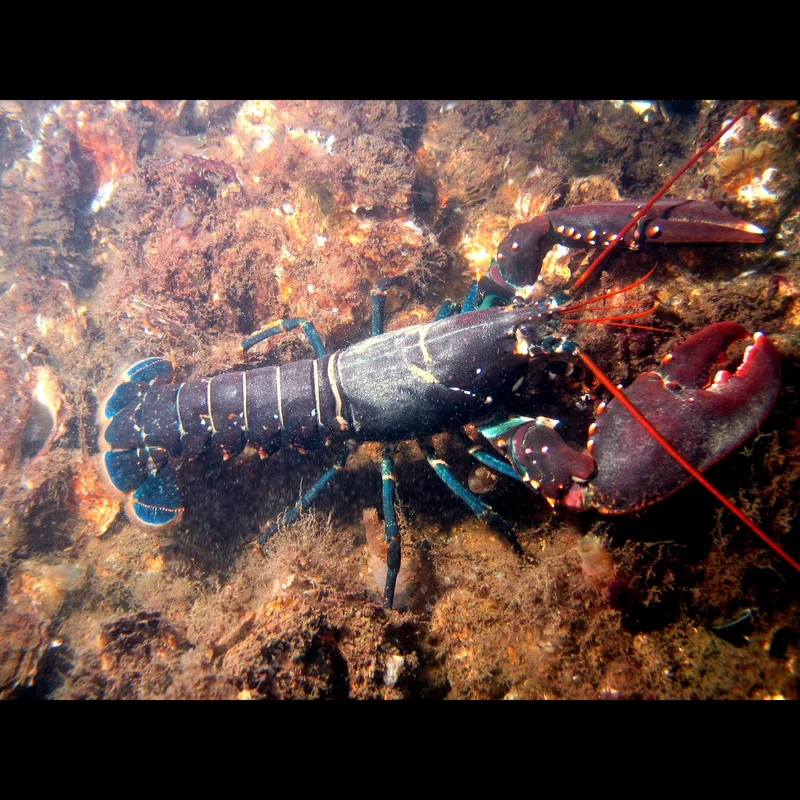
Observing marine life at this artificial reef often begins with the discovery of smaller fish species and invertebrates utilizing the new habitat for shelter and foraging. The structural complexity of artificial reefs naturally attracts various forms of aquatic life, acting as a crucial nursery and feeding ground. Divers might encounter a range of resident fish species, alongside crabs, lobsters, and other bottom dwellers finding refuge within the crevices of the deployed structures.
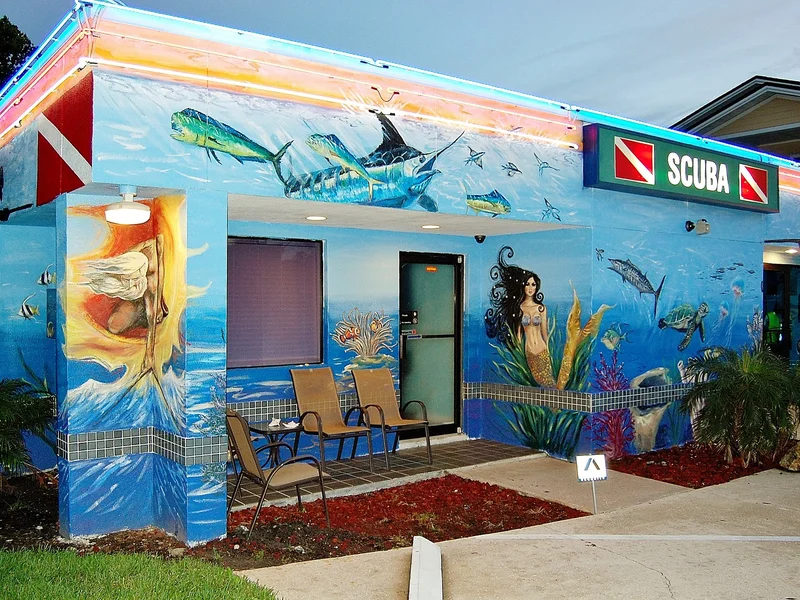
Dive Centers Near Site 02_2013_SW
Today: 10:00 - 19:00
Nearest Airports
Nearest airports to help plan travel to this dive area.
Search Flights
Check available flights and routes on Expedia, using the nearby airports listed in this section.
Search Flights on ExpediaFrequently Asked Questions
What is the typical depth range for diving at this site?
This site is generally within recreational diving limits, with depths typically reaching a maximum of 30 m (100 ft). Its accessibility makes it suitable for most certified divers.
What are the best months for diving here?
The optimal time to dive is typically from May through August, and in November. These months generally offer 'Good' diving conditions, characterized by lower wave heights and more favorable weather.
Are there strong currents at this artificial reef?
Current conditions are not consistently reported and can vary. Divers should always be prepared for potential mild to moderate currents and plan their dives accordingly.
What kind of marine life can be seen?
Artificial reefs serve as habitats for diverse marine life. Divers can expect to see various fish species, crabs, and other invertebrates that colonize these structures for shelter and food.
What are the average air temperatures throughout the year?
Average air temperatures vary significantly, ranging from approximately 16.5°C (62°F) in January to highs of around 28°C (82°F) in August.
Is specialized equipment required for this dive?
No specific specialized equipment is mandated, but divers should consider appropriate exposure protection for varying water temperatures and may benefit from a dive light to inspect crevices within the reef structure.
Planning to dive Site 02_2013_SW?
Send one inquiry and receive offers directly from the best verified local dive operators.
Conditions are Good
Optimal conditions expected
Current conditions near Site 02_2013_SW show 28° air, 28° sea temperature, 0.9 m waves, and 28 km/h wind. Forecast data is refreshed regularly to ensure accuracy.