
Diving at Site 03_2013_NE (United States)
For divers seeking varied underwater explorations, this region in the United States presents a diverse array of sites catering to intermediate and advanced skill levels. From shallower reef systems ideal for newer certified divers to more challenging, deeper wreck dives, there are opportunities for skill progression. Divers should be comfortable with open water conditions and consider specialized training for technical wreck penetration.
During this afternoon at Site 03_2013_NE, the recorded air temperature stands at 27.5°C. The water surface currently features wave heights of 0.7 m. These conditions reflect the midday climate for this dive site.
Dive Site Location & Key Facts
Dive Site Overview
Across the US East Coast, particularly in Florida and North Carolina, the dive landscape presents an intriguing blend of natural reefs and historical wrecks. Divers here encounter everything from vibrant coral formations in shallower areas to deep-water artificial reefs and numerous historical shipwrecks, many resting well beyond recreational limits.
Site conditions vary significantly, but often include currents and thermoclines in deeper areas. Many locations boast depths ranging from a recreational 6 m (20 ft) to over 64 m (210 ft), catering to various skill levels up to technical exploration. The underwater topography frequently features ledges, rocky outcrops, and substantial steel structures, creating complex, multi-layered environments.
These sites offer a tangible sense of history, intricately mixed with dynamic marine ecosystems. For instance, well-preserved wrecks like the USS Wilkes-Barre provide deep exploration, while extensive reef systems such as Molasses Reef offer shallower, vibrant ecosystems.
Such diverse environments ensure that repeat visits consistently present new discoveries and challenges.
Conditions are Good
Optimal conditions expected
Current conditions near Site 03_2013_NE show 27° air, 28° sea temperature, 0.9 m waves, and 21 km/h wind. Forecast data is refreshed regularly to ensure accuracy.
Best Time to Dive
Diving conditions are most favorable from May through August, when air temperatures consistently range from 24.5-28°C (76-82°F) and rain activity is generally lower compared to the peak rainy season. Dive scores during these months are rated 'Good', indicating calmer seas with average wave heights around 0.7-0.9 m (2-3 ft) and lighter winds averaging 25-28 km/h (15-17 mph). Moderate dive conditions are observed in spring (March-April) and late fall (November-December) with slightly cooler air temperatures, typically 19.5-21.5°C (67-71°F). September and October see increased rainfall, with averages peaking at 6.7 mm (0.26 in) in September, often coinciding with higher wave activity, which can reduce visibility and make entries more challenging.
PEAK SEASON SCORE
Scores combine air & water temps, waves, wind & rainfall for overall conditions.
BEST MONTHS TO DIVE
Monthly records compiled from satellite and marine observation nodes over the last 3 years. Data provided by Open-Meteo and MET Norway.
Dive Experience & Conditions
The region's dive sites present a wide range of depth profiles, accommodating various experience levels. Shallow reef dives are common, often starting around 6-9 m (20-30 ft) at locations like Breakers Shallow Reef or Hens & Chicken Reef. Deeper wreck sites are prominent, with several exceeding 30 m (100 ft) like the Dan Wreck or the USS Wilkes-Barre, which can be as deep as 64 m (210 ft). Water temperatures are not consistently reported in available data but typically follow regional seasonal patterns. Visibility varies greatly depending on location, weather, and currents, often ranging from moderate to good on calm days. Surface currents can be a factor, particularly on offshore wreck sites, requiring divers to plan their descents and ascents carefully. Due to the wide depth range, many sites are beyond entry-level certification, requiring advanced or technical training.
Dive Difficulty & Safety Guidelines
An expert tip for diving in these areas is to always account for potential currents and fluctuating visibility, especially when exploring deeper wrecks. Before each dive, consult local dive operators for the most current site conditions, as weather patterns can rapidly alter the dive environment. Always dive within your certification limits; many wrecks here extend into deeper recreational and technical ranges, demanding appropriate training and gas management.
Furthermore, exercising caution around marine structures is vital to avoid entanglement, particularly on older wreck sites where loose debris may be present. Divers should carry appropriate signaling devices and ensure their equipment is well-maintained.
Recommended Equipment
- Dive Computer
This gear list is based on verified equipment signals for Site 03_2013_NE, United States. Always confirm final gear choices with your dive operator, guide, or liveaboard.
Recommended Dive Suit
Individual comfort in the water can vary significantly from diver to diver, even under the same conditions.
For most recreational dives, 2-3mm shorty or light wetsuit should provide comfortable protection. Forecast conditions over the next few days suggest temperatures will remain relatively stable.
Divers heading to Site 03_2013_NE today should expect water temperatures around 28°C (83°F). Surface air temperatures are resting at 27°C (81°F).
Emergency & Medical Support
Essential information to help you plan your dive trip to Site 03_2013_NE.

Hyperbaric chambers are a critical part of dive safety infrastructure. Availability varies significantly by region, and not all dive areas have immediate access.
Before diving, it's recommended to:
- confirm nearest medical facilities
- check emergency procedures with local dive operators
- ensure dive insurance covers evacuation if required
Divers Alert Network
Diving emergency assistance available through DAN World.
+1-919-684-9111- 24/7 emergency hotline
- Diving medical assistance
- Evacuation coordination
Emergency contacts are provided for reference. Always verify local emergency services before diving.
Marine Life at Site 03_2013_NE
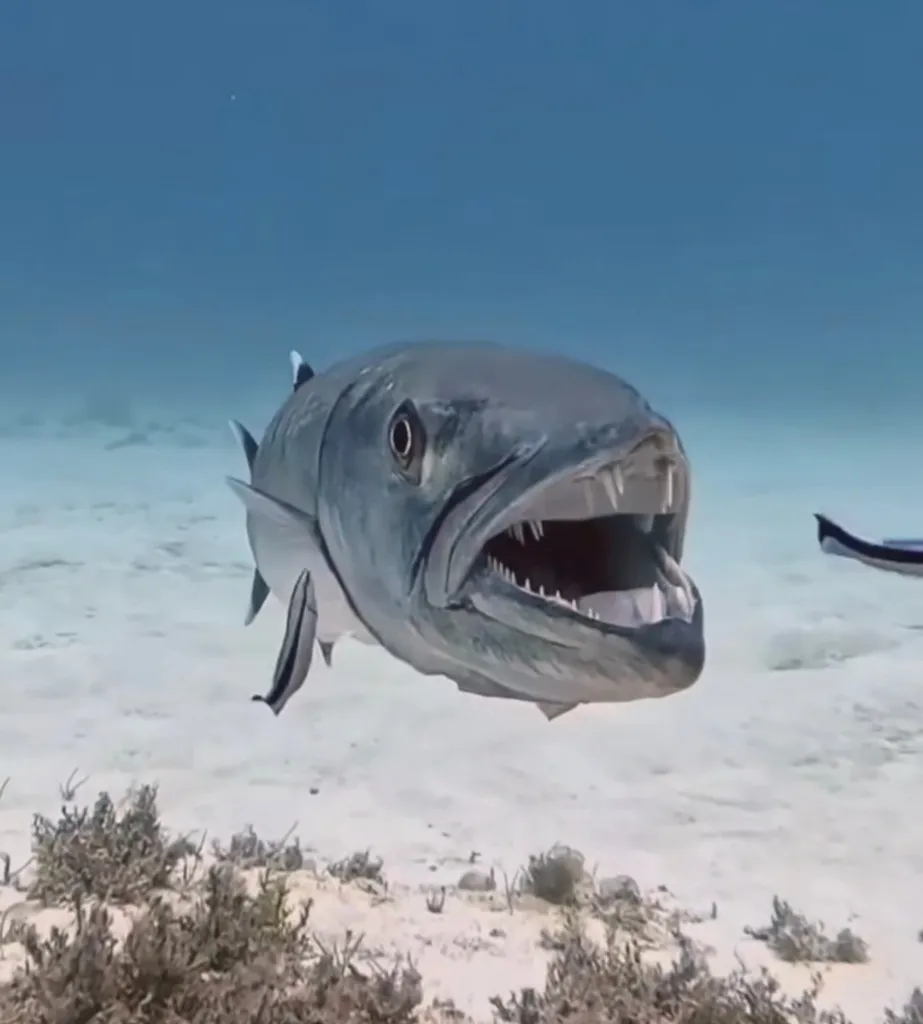
The underwater landscape is shaped by a mix of natural coral reefs and artificial structures, providing diverse habitats. Along the Florida coast, sites like Barracuda Reef and Hollywood Artificial Reef support a variety of reef fish.
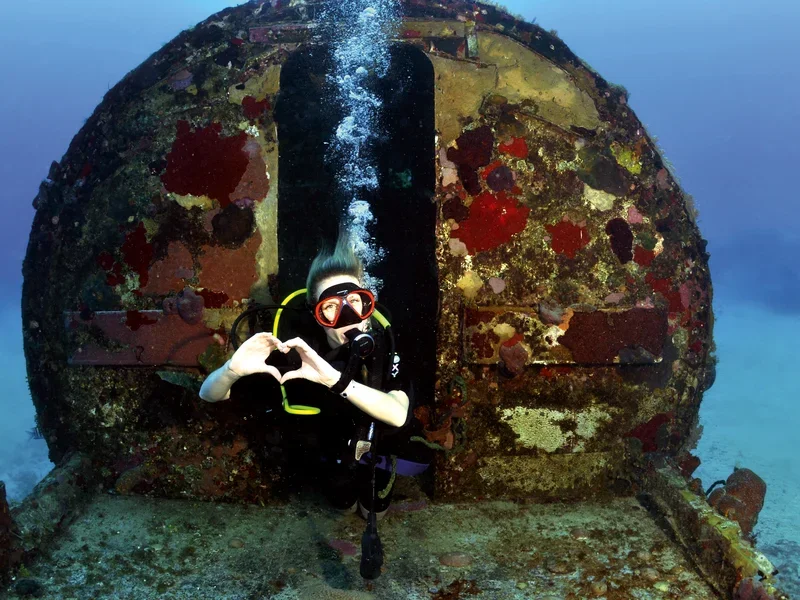
Wreck sites, such as the Mercedes and Hog Heaven, attract pelagic species and often become encrusted with corals and sponges over time. These structures act as artificial oases, concentrating schooling fish and providing shelter for smaller, sedentary creatures.
On deeper wrecks, larger marine life often congregates, drawn to the cover and food sources these structures offer in the open ocean.
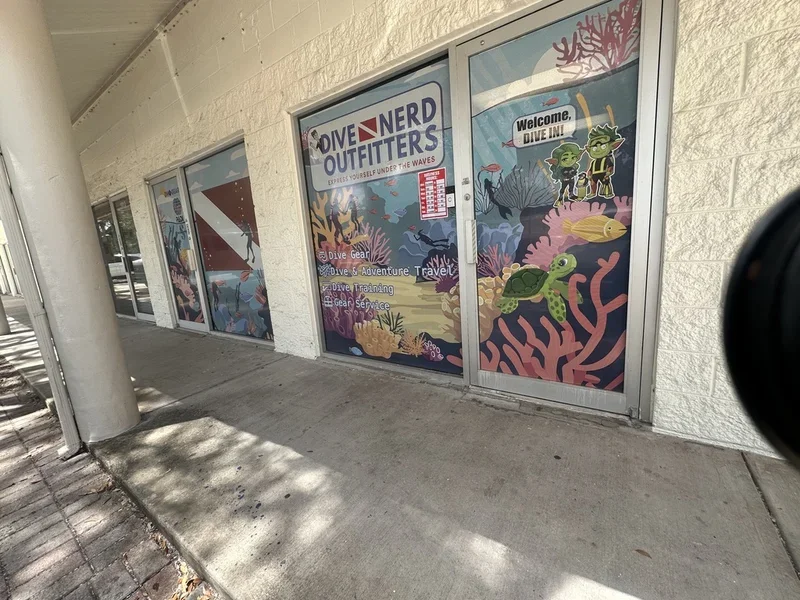
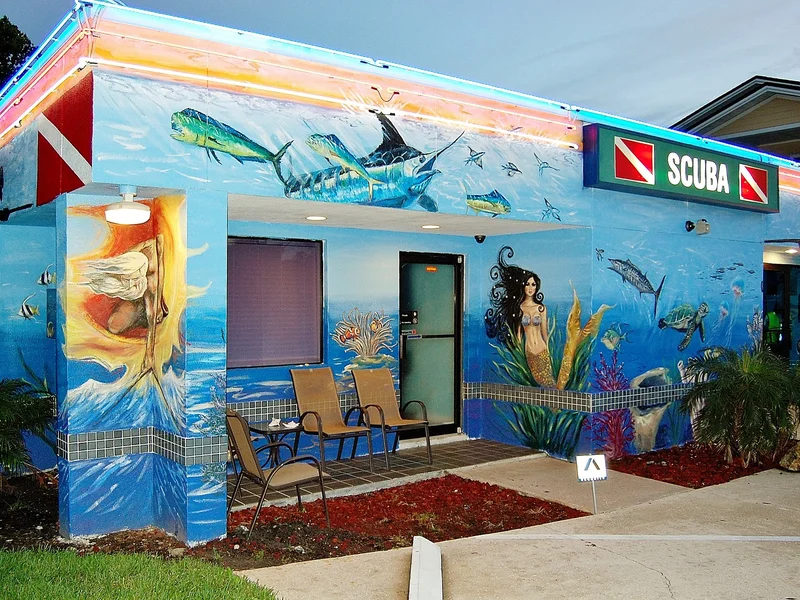
Dive Centers Near Site 03_2013_NE
Today: 10:00 - 17:00
Nearest Airports
Nearest airports to help plan travel to this dive area.
Search Flights
Check available flights and routes on Expedia, using the nearby airports listed in this section.
Search Flights on ExpediaFrequently Asked Questions
What kind of dive sites are most common in this region?
The region is characterized by a mix of natural reef systems and numerous artificial reefs, including a significant number of historical shipwrecks. Sites like Molasses Reef offer natural coral formations, while locations such as the Dan Wreck or USS Wilkes-Barre are examples of shipwrecks.
What is the typical depth range for dives here?
Dive depths vary significantly, catering to different skill levels. You can find shallower reef dives starting around 6 meters (20 feet), while many wreck sites extend to 30 meters (100 feet) and deeper, with some reaching over 64 meters (210 feet).
When are the best conditions for diving?
The optimal time to dive is generally from May through August, when air temperatures are warm, rainfall is lower, and seas are calmer. These months consistently show 'Good' dive scores due to more favorable weather patterns.
Are there strong currents to consider?
Currents can be a factor, particularly on offshore wreck sites. Divers should consult with local operators for real-time conditions and be prepared for potential drift, especially at deeper locations.
What marine life can divers expect to see?
Divers can expect to see a range of reef fish in natural and artificial reef environments. Wrecks often attract larger pelagic species, schooling fish, and encrusting corals and sponges that colonize the structures over time.
Is this area suitable for beginner divers?
While there are shallower reef sites suitable for beginners, many of the region's prominent wreck dives require advanced or even technical certification due to their depth and potential currents. Newer divers should seek out specific beginner-friendly locations.
Planning to dive Site 03_2013_NE?
Send one inquiry and receive offers directly from the best verified local dive operators.
Conditions are Good
Optimal conditions expected
Current conditions near Site 03_2013_NE show 27° air, 28° sea temperature, 0.9 m waves, and 21 km/h wind. Forecast data is refreshed regularly to ensure accuracy.