
Diving at Site #2_1997_#3 (United States)
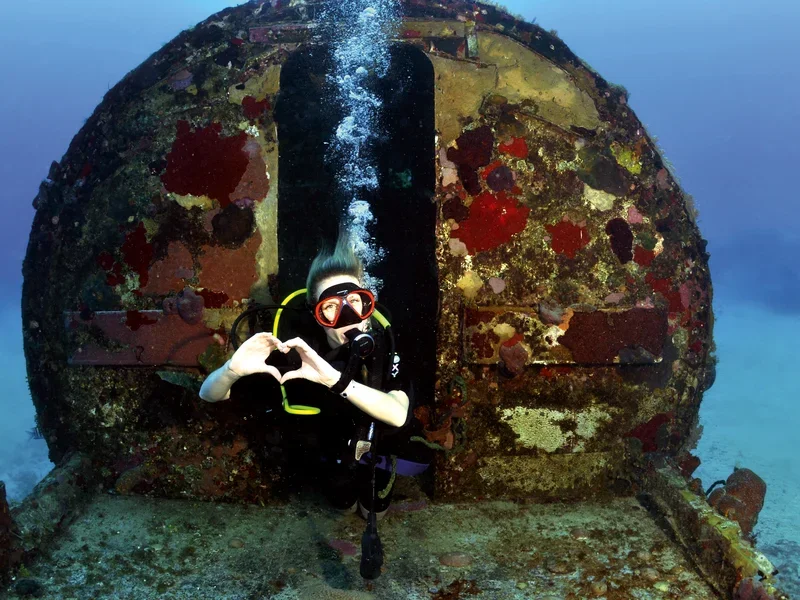
Approaching these dive sites, the most striking feature is often the distinct silhouette of a wreck emerging from the Gulf floor. Whether it's the upright conning tower of a submarine or the substantial structure of a sunken barge, these artificial reefs draw the eye immediately. Coral growth and schooling fish begin to appear as you descend, transforming these historical remnants into vibrant habitats.
Starting the day at Site #2_1997_#3, the ambient air temperature is recorded at 27°C. Ongoing monitoring shows wave heights measuring 0.9 m. This data represents the current surface conditions for early activities.
Dive Site Location & Key Facts
Dive Site Overview
Diving here provides a tangible link to history, particularly through wrecks like the Apogon, a World War II submarine that now rests at depths of 50 m (165 ft) to 52 m (170 ft). This vessel, deployed below 123 m (400 ft) during its service, offers a glimpse into naval engineering with visible torpedoes inside and shells on the deck.
The pressure wave from the Baker test in 1946 deformed its conning tower and burst watertight seals, leaving it upright but flooded. Other significant wrecks like the USS Lamson, a Mahan-class destroyer, and the 387 ft (118 m) steel-hulled freighter Antares also define this underwater landscape. While the Antares is now largely broken apart by hurricanes, its stern and stack remain at depths of 27 m (90 ft) and 21 m (70 ft) respectively.
Divers can explore large intact barges, such as the Tex Edwards Barge at 18-23 m (60-75 ft), or the three coal barges resting at 15 m (50 ft), intentionally sunk to create accessible diving experiences.
Conditions are Good
Optimal conditions expected
Current conditions near Site #2_1997_#3 show 27° air, 28° sea temperature, 0.8 m waves, and 26 km/h wind. Forecast data is refreshed regularly to ensure accuracy.
Best Time to Dive
Optimizing your dive here often means targeting periods when surface conditions are calmer, which typically occurs from May through August, and again in November. During these months, the dive scores are consistently rated 'Good'. May, for instance, sees average wave heights drop to about 0.8 m (2.6 ft) and air temperatures averaging 24.5°C (76°F), creating a comfortable surface environment. July stands out with air temperatures peaking at 27.5°C (82°F) and the lowest average wave heights at 0.6 m (2.0 ft), making for excellent boat rides to offshore sites. Rain activity is generally moderate across these peak diving months. Conversely, October typically presents the lowest dive score, with average wave heights reaching 1.6 m (5.2 ft), suggesting less favorable conditions for offshore excursions due to increased wind speeds.
PEAK SEASON SCORE
Scores combine air & water temps, waves, wind & rainfall for overall conditions.
BEST MONTHS TO DIVE
Monthly records compiled from satellite and marine observation nodes over the last 3 years. Data provided by Open-Meteo and MET Norway.
Dive Experience & Conditions
The underwater environment here encompasses a broad spectrum of conditions and depths, catering to various certification levels. Deep wreck diving is a prevalent activity, with sites like the Apogon resting at maximum depths of 52 m (170 ft), while the Antares reaches 43 m (140 ft). These deeper wrecks necessitate advanced certifications and careful planning. Shallower sections of some wrecks, such as the Antares' stack at 21 m (70 ft), are more accessible for recreational divers. For the Tex Edwards Barge, recreational depth ranges are common. Water temperatures are not consistently reported for these specific sites but typically follow regional patterns. Visibility varies depending on conditions, often improving during periods of settled weather and weaker currents, though currents are not consistently reported as a primary factor for specific sites.
Dive Difficulty & Safety Guidelines
Diving in this area, particularly around deep wrecks, requires adherence to advanced diving protocols. Sites such as the Antares, with its depths of up to 43 m (140 ft), classify as advanced dives, and penetration into such structures can be extremely dangerous without specialized wreck training and equipment.
Always dive within your certification limits and consider the depth ratings for specific wrecks. For shore dives, especially those near pilings, carrying a diver-down flag is essential for surface visibility.
Ensure all charter vessels are equipped with necessary safety gear, including emergency oxygen, first aid kits, and AEDs, and that a divemaster is aboard. Always dive with a buddy and conduct thorough pre-dive checks.
Recommended Equipment
- Dive Computer
This gear list is based on verified equipment signals for Site #2_1997_#3, United States. Always confirm final gear choices with your dive operator, guide, or liveaboard.
Recommended Dive Suit
2-3mm shorty or light wetsuit is often considered an appropriate level of exposure protection for conditions like these. A hood or vest is suggested for sensitive divers due to surface winds.
Current readings at Site #2_1997_#3 show water temperatures near 28°C (83°F). Surface air temperatures are resting at 27°C (81°F).
The forecast outlook suggests that temperatures will stay close to current levels.
Emergency & Medical Support
Essential information to help you plan your dive trip to Site #2_1997_#3.

Hyperbaric chambers are a critical part of dive safety infrastructure. Availability varies significantly by region, and not all dive areas have immediate access.
Before diving, it's recommended to:
- confirm nearest medical facilities
- check emergency procedures with local dive operators
- ensure dive insurance covers evacuation if required
Divers Alert Network
Diving emergency assistance available through DAN World.
+1-919-684-9111- 24/7 emergency hotline
- Diving medical assistance
- Evacuation coordination
Emergency contacts are provided for reference. Always verify local emergency services before diving.
Marine Life at Site #2_1997_#3
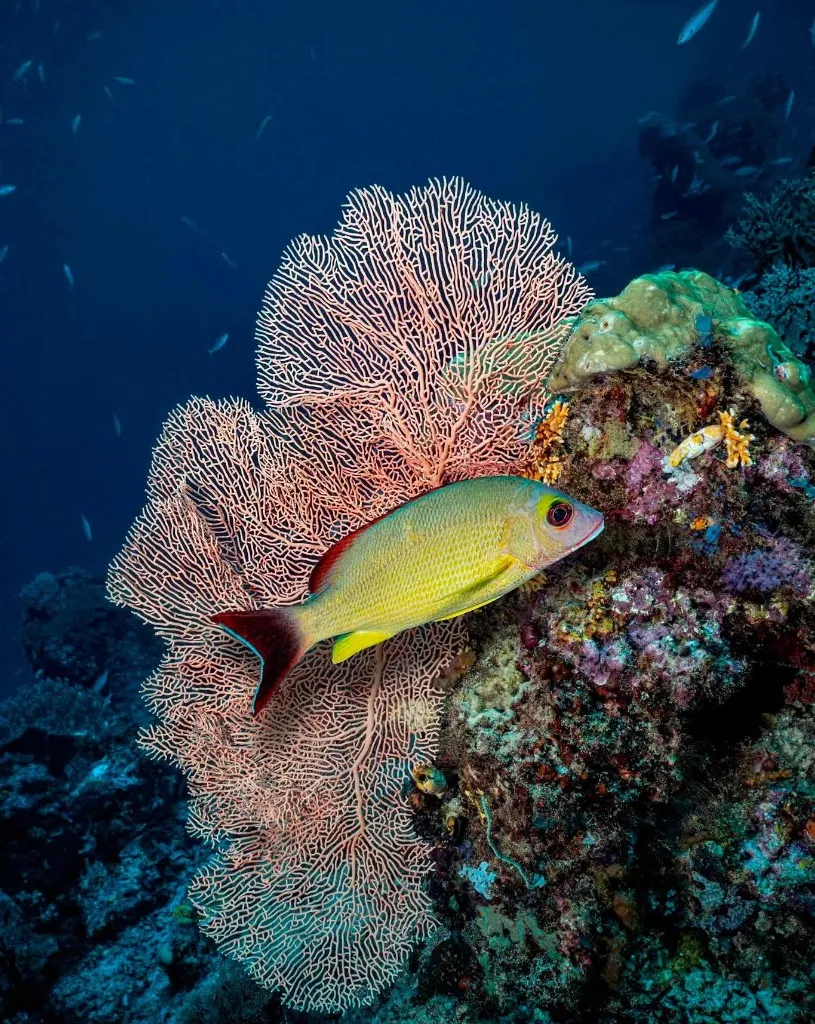
The wrecks serve as thriving artificial reefs, attracting a diverse array of marine life. Glassfish often densely school around the Apogon, and coral visibly encases its deck guns.
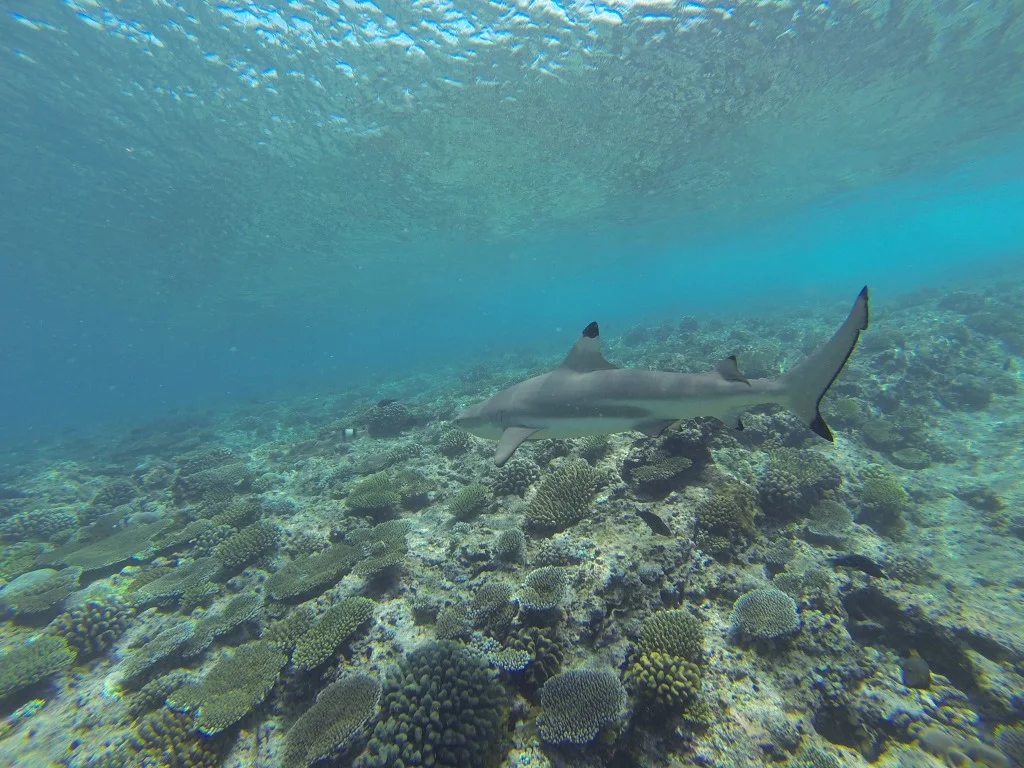
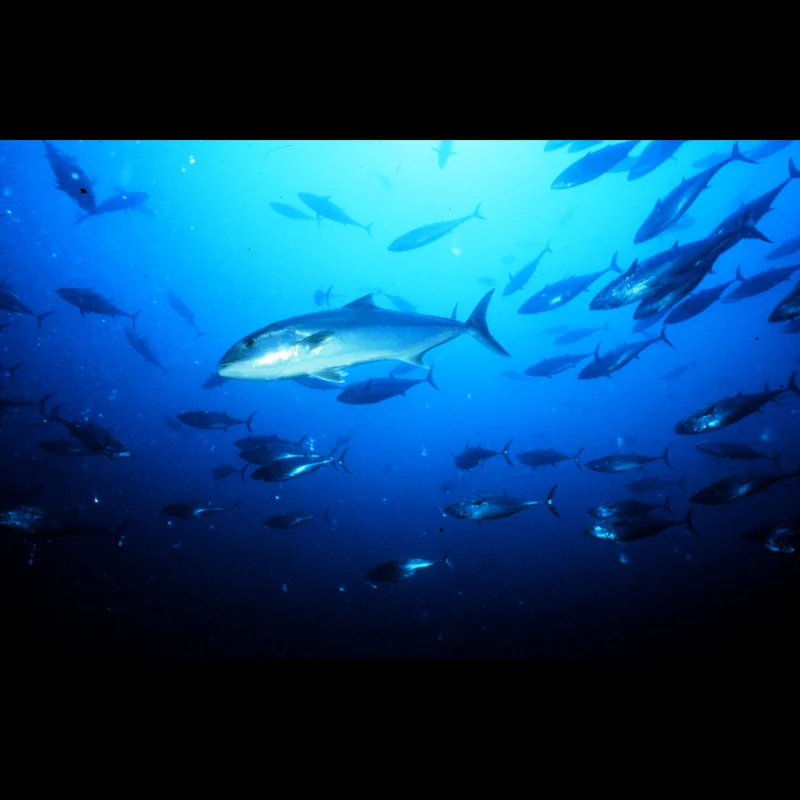
Sharks are resident fixtures around many of the wrecks, drawn by abundant fish populations. Divers frequently encounter snapper, triggerfish, and amberjack, alongside various species of tropical fish congregating around the Tex Edwards Barge.
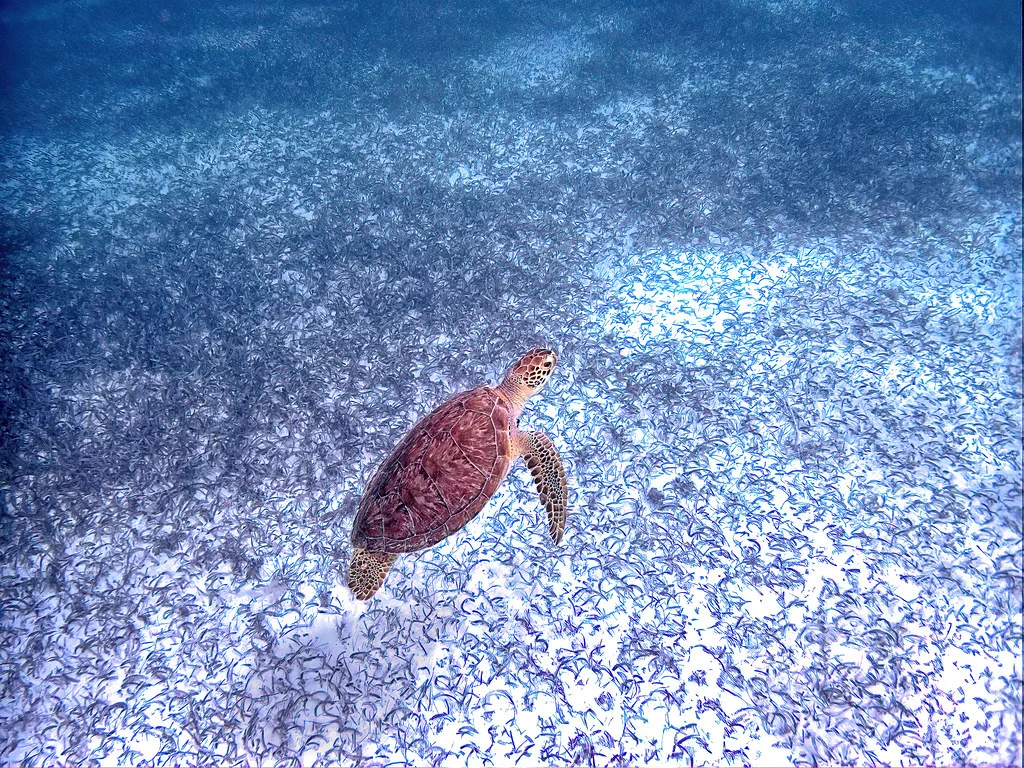
The Three Coal Barges are known for supporting a vast amount of marine life and various shells. Additionally, loggerhead turtles are regularly observed exploring the shallower shore reefs.

Dive Centers Near Site #2_1997_#3
Today: 10:00 - 17:00
Nearest Airports
Nearest airports to help plan travel to this dive area.
Search Flights
Check available flights and routes on Expedia, using the nearby airports listed in this section.
Search Flights on ExpediaFrequently Asked Questions
What is the typical dive profile for the Apogon submarine?
The Apogon rests upright at a maximum depth of 52 m (170 ft). Recreational divers typically explore the upper sections, while technical divers can access the entire structure, including visible torpedoes inside.
Are there any shore diving opportunities in this area?
Yes, there are shore dive opportunities near pilings with depths generally ranging from 5-9 m (15-30 ft), depending on tides. These sites offer chances to see loggerhead turtles and various reef life.
What marine life can I expect to see on these wrecks?
Wrecks are artificial reefs for glassfish, sharks, snapper, triggerfish, amberjack, and various tropical fish. Coral growth is also common on many submerged structures.
Is technical diving required for all wreck sites?
No, not all sites require technical diving. Shallower wrecks like the Three Coal Barges (15 m / 50 ft) and some sections of deeper wrecks are suitable for recreational divers, but sites like the Apogon and Antares have sections that fall into technical depth ranges.
When are the best conditions for diving here?
The best conditions generally occur from May to August and in November, when average wave heights are lower and air temperatures are warmer, contributing to a more comfortable diving experience.
Are there any specific hazards to be aware of while wreck diving?
Penetration into wrecks can be hazardous and should only be attempted with appropriate training and equipment. Always be mindful of maximum depths and your certification limits. Strong currents, while not consistently reported for specific sites, can also be a factor on offshore wrecks.
Planning to dive Site #2_1997_#3?
Send one inquiry and receive offers directly from the best verified local dive operators.
Conditions are Good
Optimal conditions expected
Current conditions near Site #2_1997_#3 show 27° air, 28° sea temperature, 0.8 m waves, and 26 km/h wind. Forecast data is refreshed regularly to ensure accuracy.