
Diving at Smurfit-Stone #3 (United States)
Planning a dive at Smurfit-Stone #3 involves anticipating an encounter with one of Florida's numerous artificial reef structures. This site offers an opportunity to explore a man-made habitat designed to attract marine life, typical of many coastal dive areas in the United States. Divers generally come here seeking the experience of navigating a structured environment that contrasts with natural reef formations. It's an exploration of how quickly new ecosystems can develop.
Evening condition tracking at Smurfit-Stone #3 features an air temperature of 28.5°C. We have recorded wave heights measuring 0.4 m during this period. These figures outline the environmental parameters currently present.
Dive Site Location & Key Facts
Dive Site Overview
Artificial reef sites like Smurfit-Stone #3 are prominent marine habitats within the broader coastal waters of the United States. These structures, often composed of diverse materials, are strategically deployed to create complex underwater terrains that attract and sustain a variety of aquatic species.
While specific topographical details for this individual site are not consistently reported, artificial reefs typically present a varied profile of nooks, ledges, and open areas. This deliberate construction provides vital shelter and extensive foraging grounds, fostering biodiversity where natural reef formations may be sparse or damaged. Divers exploring such a site often discover a landscape shaped by human ingenuity, a conscious effort to enhance marine ecosystems.
Many artificial structures, including sites similar to Smurfit-Stone #3, are situated within recreational depth limits, making them accessible to a wide range of certified divers. Their primary purpose is often twofold: to alleviate pressure on delicate natural reefs and to cultivate new opportunities for marine life observation and growth.
Expect to encounter materials that, over time, have become colonized by various encrusting organisms like corals and sponges, gradually transforming the initial deployment into a dynamic and vibrant living underwater feature. The structural complexity promotes schooling fish aggregation, offering intriguing visual exploration possibilities.
Conditions are Good
07:00 - 14:00
Optimal conditions expected
Current conditions near Smurfit-Stone #3 show 28° air, 30° sea temperature, 0.3 m waves, and 22 km/h wind. Forecast data is refreshed regularly to ensure accuracy.
Best Time to Dive
Optimal visibility at Smurfit-Stone #3 often aligns with periods of settled weather and reduced rainfall. The prime diving season generally extends from February through November, when dive scores consistently register as "Good." During these months, air temperatures are comfortably warm, ranging from 14.5°C (58°F) in February, rising to highs of 28.5°C (83°F) in August, and remaining mild through November at 19°C (66°F). Less rainfall is reported in October, averaging 1.5 mm (0.06 in), which typically contributes to clearer water conditions. Conversely, September records the highest average rainfall at 6.4 mm (0.25 in), which might temporarily affect water clarity in certain areas, particularly after heavy downpours. Winds are generally lighter during the summer months, notably in July and September, with average speeds around 20-22 km/h (12-14 mph), potentially leading to calmer surface conditions and better underwater visibility. Planning dives outside this window, especially in January, may involve contending with a "Moderate" dive score, higher wave heights averaging 1.1 m (3.6 ft), and cooler air temperatures of 11.5°C (53°F).
PEAK SEASON SCORE
Scores combine air & water temps, waves, wind & rainfall for overall conditions.
BEST MONTHS TO DIVE
Monthly records compiled from satellite and marine observation nodes over the last 3 years. Data provided by Open-Meteo and MET Norway.
Dive Experience & Conditions
Navigating Smurfit-Stone #3 largely depends on prevailing currents, which can vary significantly with tides and local weather patterns, influencing the dive experience. These currents are not consistently reported for this specific site but generally behave predictably around artificial structures in coastal environments, sometimes creating drift opportunities. The water temperature is not consistently reported in available datasets; however, given the air temperature ranges, it's reasonable to expect warmer conditions during the summer and milder temperatures in the cooler months. Surface conditions typically show lower wave heights, averaging 0.6 m (2.0 ft), during August and September, which usually points to calmer seas for entry and exit. Stronger winds, averaging around 28 km/h (17 mph), are sometimes experienced in April, potentially leading to choppier surface conditions. Divers should always consult local reports on the day of their dive to understand specific conditions.
Dive Difficulty & Safety Guidelines
Approaching artificial reefs like Smurfit-Stone #3 requires careful adherence to standard safety protocols. While no specific hazards are reported for this site, divers should always be mindful of potential entanglement with fishing lines or discarded debris, common around man-made structures that attract both marine life and human activity. Proper buoyancy control is essential to prevent accidental contact with the structure, which helps protect both the diver and the developing ecosystem.
Always dive within your certification limits and consider the experience level of your buddy. Local dive operators are the best resource for current conditions and any temporary advisories affecting the area.
Ensure your equipment is in good working order before every dive. Always carry an alternate air source and signaling devices.
Recommended Equipment
- Dive Computer
This gear list is based on verified equipment signals for Smurfit-Stone #3, United States. Always confirm final gear choices with your dive operator, guide, or liveaboard.
Recommended Dive Suit
The latest conditions reported around Smurfit-Stone #3 place the water temperature close to 30°C (86°F). Surface air temperatures are resting at 28°C (83°F).
Dive skin or rash guard generally offers enough warmth for most dives under these conditions.
Forecasts suggest a slight cooling pattern in the days ahead. Cooler days are ahead; you might want a warmer option for later in the week. Some divers prefer carrying a slightly thicker suit as a backup.
Emergency & Medical Support
Essential information to help you plan your dive trip to Smurfit-Stone #3.

Hyperbaric chambers are a critical part of dive safety infrastructure. Availability varies significantly by region, and not all dive areas have immediate access.
Before diving, it's recommended to:
- confirm nearest medical facilities
- check emergency procedures with local dive operators
- ensure dive insurance covers evacuation if required
Divers Alert Network
Diving emergency assistance available through DAN World.
+1-919-684-9111- 24/7 emergency hotline
- Diving medical assistance
- Evacuation coordination
Emergency contacts are provided for reference. Always verify local emergency services before diving.
Marine Life at Smurfit-Stone #3
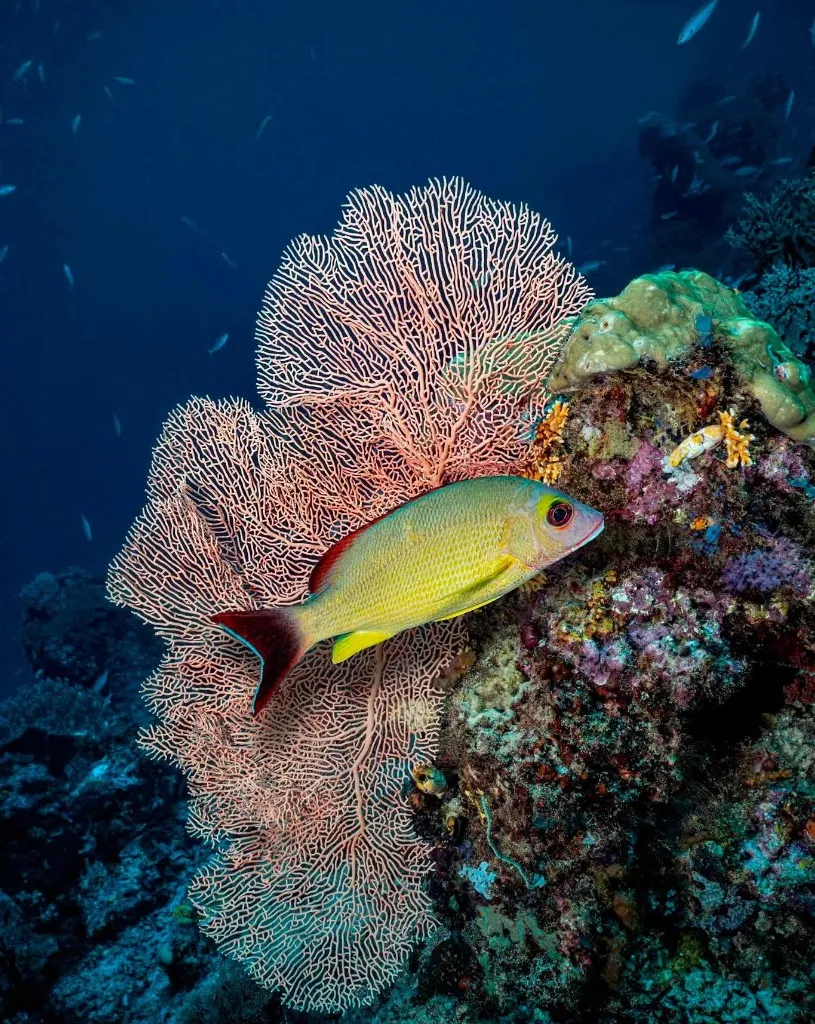
Exploring Smurfit-Stone #3, divers often first notice the schooling fish congregating around the artificial structures. These sites serve as magnets for a variety of species, offering shelter and feeding opportunities in otherwise open waters.
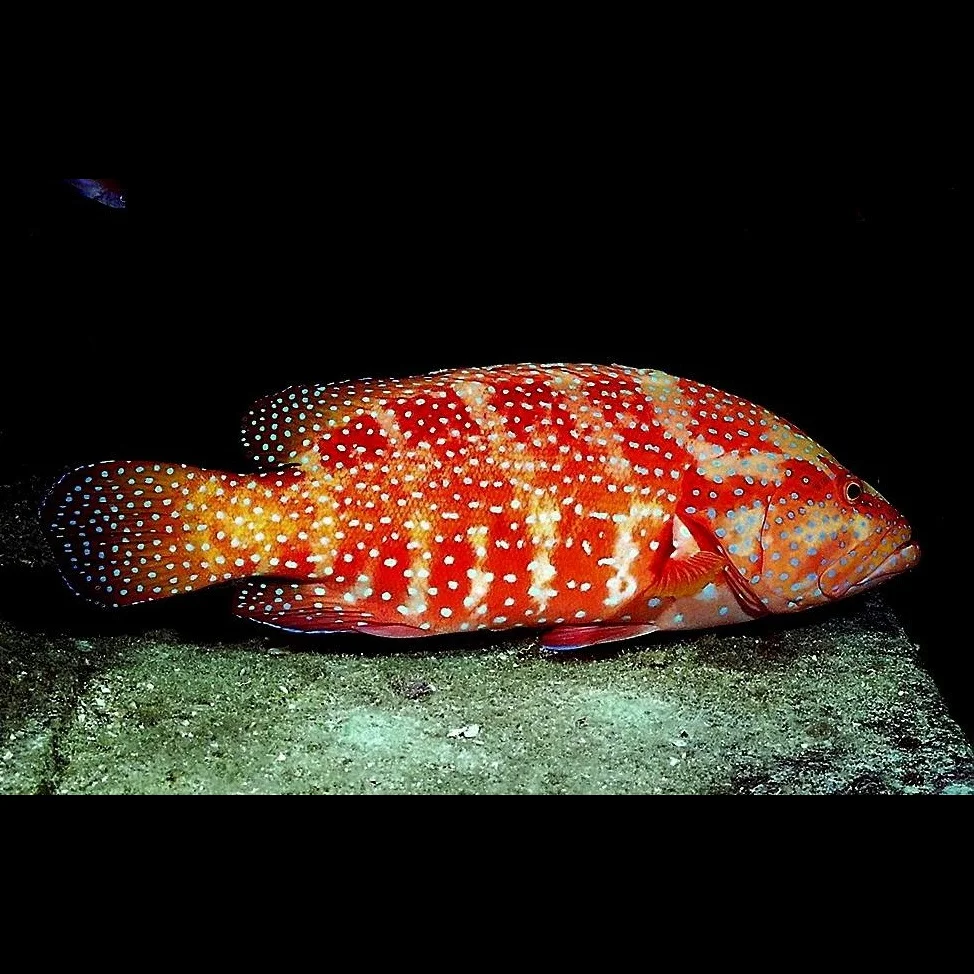
Expect to observe common reef fish such as snappers, groupers, and grunts taking advantage of the crevices and overhangs. Over time, the structures become encrusted with a diverse array of sponges and soft corals, forming a vibrant habitat.
Larger pelagic species may also visit the site, drawn by the abundance of smaller fish. It's a dynamic environment where marine life thrives on the provided substrate.

Dive Centers Near Smurfit-Stone #3
Today: 09:00 - 16:00
Nearest Airports
Nearest airports to help plan travel to this dive area.
Search Flights
Check available flights and routes on Expedia, using the nearby airports listed in this section.
Search Flights on Expedia
Plan Your Stay
Looking for a place to stay for your dive trip? Explore hotels, stays, and vacation rentals for dive groups near Mexico Beach.
Dive Navigator may earn a commission from these links at no extra cost to you.
Frequently Asked Questions
What makes Smurfit-Stone #3 a dive site?
Smurfit-Stone #3 is an artificial reef, a man-made structure intentionally placed to create a marine habitat. These sites provide substrate for corals and sponges, attracting a variety of fish and other aquatic creatures. They often serve to enhance biodiversity in areas with limited natural reef formations.
Is Smurfit-Stone #3 suitable for all diver levels?
Most artificial reefs are designed to be accessible within recreational dive limits. However, given the potential for varying currents and the nature of exploring structures, advanced open water certification is generally recommended to fully enjoy and safely navigate such sites. Always check with local dive operators for specific site conditions and recommended experience levels.
What is the typical depth range for this site?
While the exact depth for Smurfit-Stone #3 is not specifically reported, artificial reefs in this region are commonly deployed within standard recreational diving depths. This allows for extended bottom times and broader accessibility for certified divers. Divers should be prepared for typical depths found on coastal artificial structures.
What kind of marine life can I expect to see?
Artificial reefs typically attract a wide array of marine life, including various species of schooling fish like jacks and barracuda, alongside resident reef fish such as snappers and groupers. You'll likely observe a developing ecosystem of encrusting corals, sponges, and anemones that colonize the structure. Larger pelagic visitors are also a possibility.
What are the best months for diving Smurfit-Stone #3?
The period from February through November generally offers "Good" dive conditions, with comfortable air temperatures and often calmer seas. October specifically tends to have low rainfall, which can contribute to better underwater visibility. Planning your dive during these months increases the likelihood of an enjoyable experience.
How do currents typically affect diving at Smurfit-Stone #3?
Currens around artificial reefs can fluctuate with tidal movements and local weather conditions. While not consistently reported for this specific site, divers should anticipate potential mild to moderate currents. Always be prepared for drift diving scenarios and consult local dive centers for real-time current assessments.
Planning to dive Smurfit-Stone #3?
Send one inquiry and receive offers directly from the best verified local dive operators.
Conditions are Good
07:00 - 14:00
Optimal conditions expected
Current conditions near Smurfit-Stone #3 show 28° air, 30° sea temperature, 0.3 m waves, and 22 km/h wind. Forecast data is refreshed regularly to ensure accuracy.