
Diving at Spanish Reef (United States)
Spanish Reef encompasses diverse underwater structures across different locations in Florida. In Key Largo, the iconic Spanish Anchor on Molasses Reef presents a coral-encrusted historic artifact lying within a vibrant reef system. Further west, Spanish Rocks Reef off Anna Maria Island features a natural reef structure accessible from shore, characterized by rocky formations and sandy bottoms. Both sites contribute to Florida's varied underwater landscapes.
Tonight's objective overview for Spanish Reef shows an air temperature of 30°C. The measured surface conditions include wave heights around 0.3 m. This environmental data is logged for the close of the day.
Dive Site Location & Key Facts
Dive Site Overview
Exploring Spanish Reef offers a journey into the varied underwater ecosystems of Florida, depending on which location divers target. In the clear waters off Key Largo, the Spanish Anchor on Molasses Reef provides an accessible entry point for divers of all experience levels.
An average depth of only 8 m (25 ft) allows for extended bottom times to observe the large, 10-foot coral-encrusted anchor resting in one of Molasses Reef’s more pristine sections. Proximity to the Gulf Stream means this site often boasts excellent visibility, making it ideal for photography and marine life observation. Meanwhile, on Florida's west coast, Spanish Rocks Reef near Anna Maria Island offers a distinct experience.
A unique saltwater shore dive, it typically presents shallower conditions, with reported maximum depths often around 2 m (6 ft) in some areas and reaching up to 7.6 m (24.9 ft) in others. Both interpretations of 'Spanish Reef' highlight the state's diverse diving opportunities, from historic artifacts nestled in vibrant corals to natural reef formations near shore.
Conditions are Excellent
07:00 - 14:00
Optimal conditions expected
Current conditions near Spanish Reef show 30° air, 30° sea temperature, 0.3 m waves, and 22 km/h wind. Forecast data is refreshed regularly to ensure accuracy.
Best Time to Dive
Choosing the optimal time to dive Spanish Reef often involves weighing surface conditions against water clarity, as dive scores remain consistently good throughout the year. Summer and early fall months, from June through September, generally offer the warmest air temperatures, ranging from 25.5°C to 28°C (78°F to 82°F). During this period, wave heights tend to be at their lowest, often around 0.6 to 0.8 meters, and wind speeds are milder, typically between 14 to 18 km/h. While these months experience slightly higher rainfall, particularly in July and September, conditions often remain favorable for diving. Cooler winter months, from December to March, conversely, see air temperatures drop to 11°C to 17.5°C (64°F)to 64°F). Wave heights can increase, reaching over 1 meter in January, accompanied by slightly higher average wind speeds. Water temperatures are not consistently reported in our system, but generally follow seasonal air temperature trends, being warmer in summer and cooler in winter. Divers aiming for the calmest surface conditions might prefer the July-September window, whereas those comfortable with slightly choppier seas can enjoy good diving year-round, especially in October and November, which also report lower rainfall.
PEAK SEASON SCORE
Scores combine air & water temps, waves, wind & rainfall for overall conditions.
BEST MONTHS TO DIVE
Monthly records compiled from satellite and marine observation nodes over the last 3 years. Data provided by Open-Meteo and MET Norway.
Dive Experience & Conditions
Encountering varied current dynamics defines the experience at Spanish Reef, influenced by the specific location. Spanish Anchor on Molasses Reef, positioned near the Gulf Stream, can present moderate currents that enhance its excellent visibility. Good visibility is generally a hallmark of this area, though specific figures vary. Depths at Spanish Anchor on Molasses Reef are accommodating, ranging from a minimum of 5 m (15 ft) to a maximum depth of 13 meters, making it suitable for Open Water divers. On the other hand, Spanish Rocks Reef, primarily a shore dive off Anna Maria Island, typically features milder currents, although a significant surface swim may be required to reach the deeper reef sections. Maximum depths for Spanish Rocks Reef are often shallower, with areas around 7.6 meters and some sections as shallow as 2 meters, suitable for beginners and snorkelers alike. Visibility at Spanish Rocks Reef has been reported around 6 m (20 ft), but local tidal and weather patterns can cause fluctuations.
Dive Difficulty & Safety Guidelines
Navigating the unique challenges associated with Spanish Reef requires careful planning and adherence to safety protocols. For shore dives such as Spanish Rocks Reef, a potentially long surface swim to reach reef structures means divers should conserve air and energy. Utilizing a dive flag is crucial, especially in areas with boat traffic, and maintaining good directional awareness is important to avoid disorientation after the swim.
At deeper sites like Spanish Anchor on Molasses Reef, monitoring bottom time and nitrogen levels is essential, particularly given its maximum depth. Ensuring all certifications are current is advisable; some operators require recent diving experience or a refresher course for participation. Always dive with a buddy and respect established recreational depth limits.
Recommended Equipment
- Dive Computer
This gear list is based on verified equipment signals for Spanish Reef, United States. Always confirm final gear choices with your dive operator, guide, or liveaboard.
Recommended Dive Suit
For many recreational divers, dive skin or rash guard provides a practical level of insulation in these conditions. Divers who tend to get cold easily may prefer slightly thicker exposure protection.
Conditions at Spanish Reef currently place the water temperature near 30°C (86°F). Surface air temperatures are resting at 30°C (86°F).
A modest cooling trend is expected in the upcoming forecast. Cooler days are ahead; you might want a warmer option for later in the week. Bringing an additional thermal layer can be helpful if conditions change.
Emergency & Medical Support
Essential information to help you plan your dive trip to Spanish Reef.

Hyperbaric chambers are a critical part of dive safety infrastructure. Availability varies significantly by region, and not all dive areas have immediate access.
Before diving, it's recommended to:
- confirm nearest medical facilities
- check emergency procedures with local dive operators
- ensure dive insurance covers evacuation if required
Divers Alert Network
Diving emergency assistance available through DAN World.
+1-919-684-9111- 24/7 emergency hotline
- Diving medical assistance
- Evacuation coordination
Emergency contacts are provided for reference. Always verify local emergency services before diving.
Marine Life at Spanish Reef
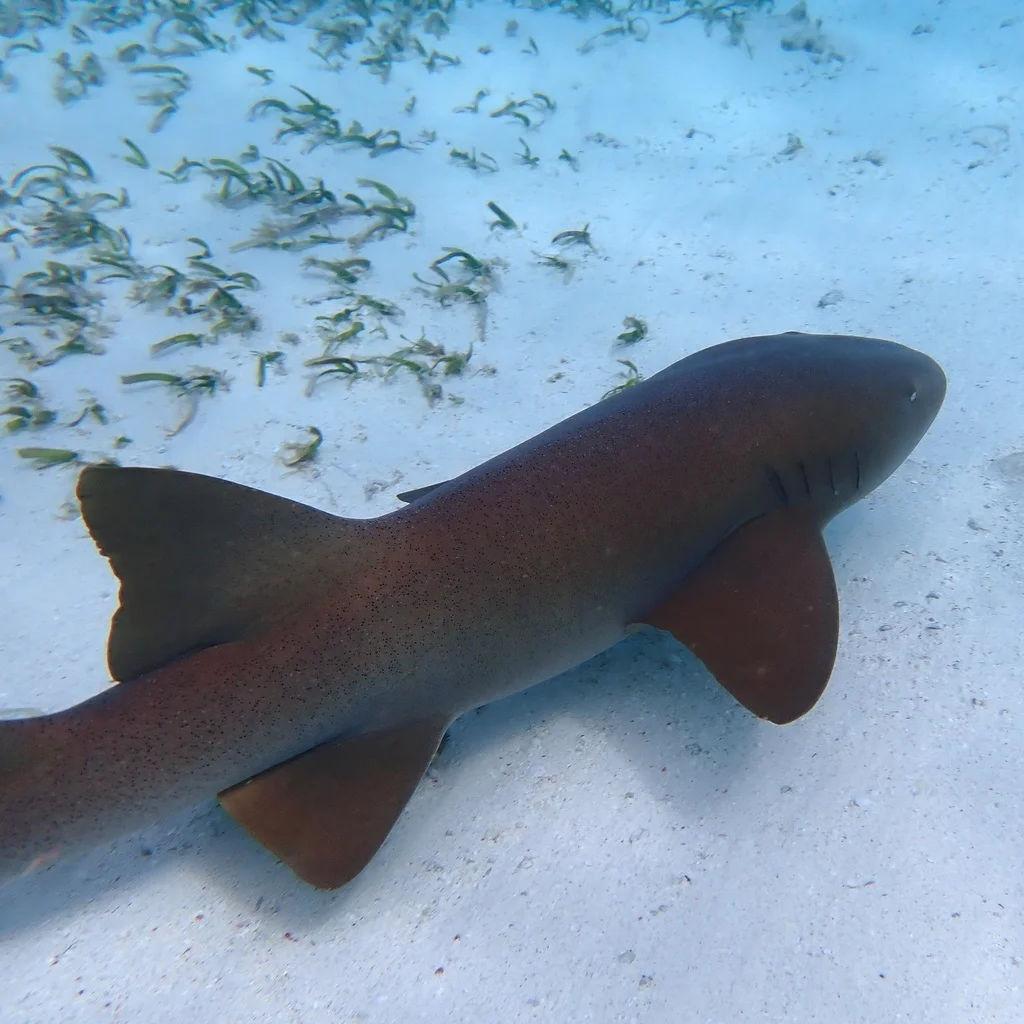
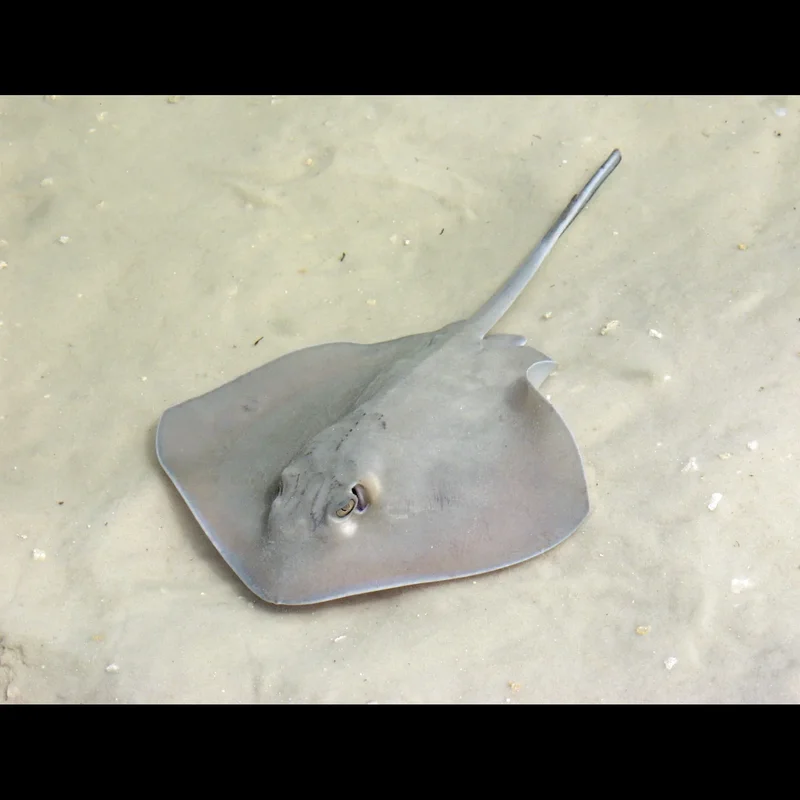
A dive at Spanish Reef unveils a vibrant array of marine life. At Spanish Anchor on Molasses Reef, divers frequently encounter passing pelagics, along with resident turtles, nurse sharks, and southern stingrays.
The coral-encrusted anchor itself provides habitat for smaller reef fish and invertebrates. Similarly, Spanish Rocks Reef, despite its shallower nature, hosts diverse encounters.
Sightings here have included manatees, nurse sharks, and a good variety of fish and coral. Common observations across both sites suggest a healthy ecosystem, where divers can spot various sharks, dolphins, and turtles, making each dive a chance to observe Florida's coastal marine biodiversity.

Dive Centers Near Spanish Reef
Today: 09:00 - 16:00
Nearest Airports
Nearest airports to help plan travel to this dive area.
Search Flights
Check available flights and routes on Expedia, using the nearby airports listed in this section.
Search Flights on Expedia
Plan Your Stay
Looking for a place to stay for your dive trip? Explore hotels, stays, and vacation rentals for dive groups near Mexico Beach.
Dive Navigator may earn a commission from these links at no extra cost to you.
Frequently Asked Questions
What is the typical depth range for Spanish Reef dives?
Depths vary significantly by location. Spanish Anchor on Molasses Reef typically ranges from 5 meters to 13 meters. Spanish Rocks Reef is shallower, often between 2 meters and 7.6 meters, suitable for beginners and snorkelers.
Is Spanish Reef suitable for beginner divers?
Yes, certain sections are. Spanish Anchor on Molasses Reef is accessible to divers of all experience levels. Spanish Rocks Reef off Anna Maria Island is particularly noted as a good shore dive for beginners due to its shallower depths.
How is the visibility at Spanish Reef?
Visibility varies, but it's generally good. Spanish Anchor on Molasses Reef often boasts excellent visibility due to its proximity to the Gulf Stream. Spanish Rocks Reef has reported visibility around 6 meters, though this can fluctuate with local conditions.
What marine life can I expect to see?
Divers frequently spot marine turtles, nurse sharks, and southern stingrays. Molasses Reef is also known for passing pelagics, while Spanish Rocks Reef has recorded manatee sightings and a variety of reef fish.
Are there strong currents at Spanish Reef?
Conditions depend on the specific location. Spanish Anchor on Molasses Reef, being close to the Gulf Stream, can experience moderate currents. Spanish Rocks Reef generally has milder currents, though a surface swim might be needed.
Do I need any special certification for these dives?
An Open Water Diver certification is generally sufficient for most recreational depths at Spanish Reef sites. Some operators may require recent diving experience or a refresher course if you haven't dived in a while.
Is Spanish Rocks Reef accessible from shore?
Yes, Spanish Rocks Reef off Anna Maria Island is primarily a saltwater shore dive. Divers should be prepared for a surface swim to reach the main reef structures, depending on the entry point and tide.
Planning to dive Spanish Reef?
Send one inquiry and receive offers directly from the best verified local dive operators.
Conditions are Excellent
07:00 - 14:00
Optimal conditions expected
Current conditions near Spanish Reef show 30° air, 30° sea temperature, 0.3 m waves, and 22 km/h wind. Forecast data is refreshed regularly to ensure accuracy.