
Diving at St. Marks Reef C10 (United States)
St. Marks Reef C10 represents a notable development in Florida's underwater landscape, benefiting from recent artificial reef deployments. These efforts, marking the first such deployment in this specific area in approximately six years, enhance both fishing and diving opportunities. Positioned roughly 8 kilometers (5 miles) offshore from the wildlife refuge, the site is part of a broader initiative to bolster the marine environment and increase the economic impact of reef activities.
Evening condition tracking at St. Marks Reef C10 features an air temperature of 29°C. We have recorded wave heights measuring 0.2 m during this period. These figures outline the environmental parameters currently present.
Dive Site Location & Key Facts
Dive Site Overview
The underwater topography at St. Marks Reef C10 consists of both natural reef structures and strategically placed artificial enhancements. Recent deployments involved placing four 1-ton concrete cube patch reefs across 17 distinct locations, integrating them alongside the existing ecosystem.
These substantial concrete cubes aim to provide additional habitat and aggregation points for marine life, fostering a more robust environment for divers to explore. While specific depths for this particular site are not consistently reported, similar reef systems in Florida typically range within recreational diving limits, often reaching depths up to 30 m (100 ft). Water temperatures in the broader Florida region tend to vary seasonally, from the upper 10s°C (upper 60s°F) in winter to low 20s°C (low 80s°F) during summer months.
Visibility here generally ranges from 12 to 30 meters (40 to 100 ft), depending on local conditions and time of year, making it a dynamic environment to navigate.
Conditions are Good
07:00 - 14:00
Optimal conditions expected
Current conditions near St. Marks Reef C10 show 29° air, 30° sea temperature, 0.2 m waves, and 24 km/h wind. Forecast data is refreshed regularly to ensure accuracy.
Best Time to Dive
Planning a dive at St. Marks Reef C10 benefits from understanding the seasonal contrasts in local conditions. Diving is possible year-round, with generally good dive scores reported across all months. Air temperatures show a clear progression, from a cooler 11°C (52°F) in January to warmer averages around 28.5°C (83°F) in July and August. Rain activity also fluctuates; October often experiences lower rainfall at approximately 1.35 mm, while September sees the highest average at 6.08 mm. Moderate wave heights, typically around 0.4 to 0.6 meters (1.3 to 2.0 ft), and wind speeds averaging 25-30 km/h (15-18 mph) are common throughout the year, suggesting conditions are generally manageable for boating and diving. Therefore, while summer offers warmer air temperatures, many divers prefer autumn or spring for a balance of comfortable surface conditions and generally stable underwater visibility.
PEAK SEASON SCORE
Scores combine air & water temps, waves, wind & rainfall for overall conditions.
BEST MONTHS TO DIVE
Monthly records compiled from satellite and marine observation nodes over the last 3 years. Data provided by Open-Meteo and MET Norway.
Dive Experience & Conditions
Current dynamics in the St. Marks area are influenced by its offshore positioning, similar to other Florida Gulf Coast sites. While specific current details for C10 aren't available, divers in this region often encounter varying water movements, which can sometimes facilitate drift diving over expansive reef sections. Average wave heights generally range from 0.4 to 0.6 meters (1.3 to 2.0 ft), though these can naturally increase with weather changes, impacting surface conditions. Water temperatures vary considerably throughout the year; expect ranges from the upper 10s°C (upper 60s°F) in colder months to the low 20s°C (low 80s°F) in summer. These temperature shifts mean that a 3mm wetsuit might suffice for many, but some divers opt for a 5mm full suit in cooler periods or simply swim trunks in warmer seasons. Visibility typically ranges from 12 to 30 meters (40 to 100 ft), influenced by seasonal phytoplankton blooms and storm activity.
Dive Difficulty & Safety Guidelines
Ensuring a safe dive at St. Marks Reef C10 requires careful attention to general diving practices and environmental awareness. Given the site's role in enhancing both fishing and diving opportunities, divers should be mindful of potential boat traffic in the vicinity, particularly when ascending or descending. Always display a diver down flag appropriately and maintain situational awareness.
Currents, while not consistently strong, can be unpredictable, so monitoring local marine forecasts is a prudent step before planning any outing. Divers should also be prepared for varying visibility; conditions can shift based on weather patterns and sediment in the water. Adequate surface support and communication are essential for any offshore dive.
Recommended Equipment
- Dive Computer
This gear list is based on verified equipment signals for St. Marks Reef C10, United States. Always confirm final gear choices with your dive operator, guide, or liveaboard.
Recommended Dive Suit
Experienced divers often bring flexible gear options.
Environmental readings suggest that the waters surrounding St. Marks Reef C10 are about 30°C (86°F) at the moment. Surface air temperatures are resting at 29°C (85°F). Divers who spend longer periods underwater often choose dive skin or rash guard. A hood or vest is suggested for sensitive divers due to surface winds.
Weather models indicate a small drop in surface temperatures later this week. Cooler days are ahead; you might want a warmer option for later in the week. A thicker wetsuit may be worth considering for extended dives.
Emergency & Medical Support
Essential information to help you plan your dive trip to St. Marks Reef C10.

Hyperbaric chambers are a critical part of dive safety infrastructure. Availability varies significantly by region, and not all dive areas have immediate access.
Before diving, it's recommended to:
- confirm nearest medical facilities
- check emergency procedures with local dive operators
- ensure dive insurance covers evacuation if required
Divers Alert Network
Diving emergency assistance available through DAN World.
+1-919-684-9111- 24/7 emergency hotline
- Diving medical assistance
- Evacuation coordination
Emergency contacts are provided for reference. Always verify local emergency services before diving.
Marine Life at St. Marks Reef C10
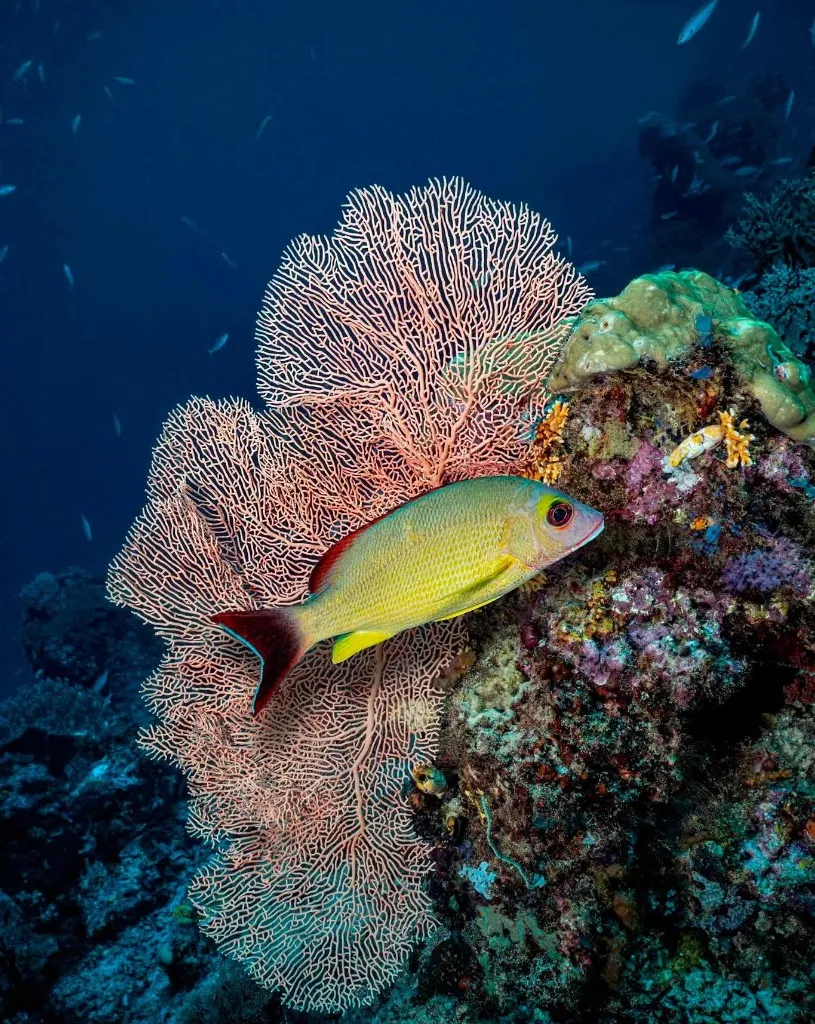
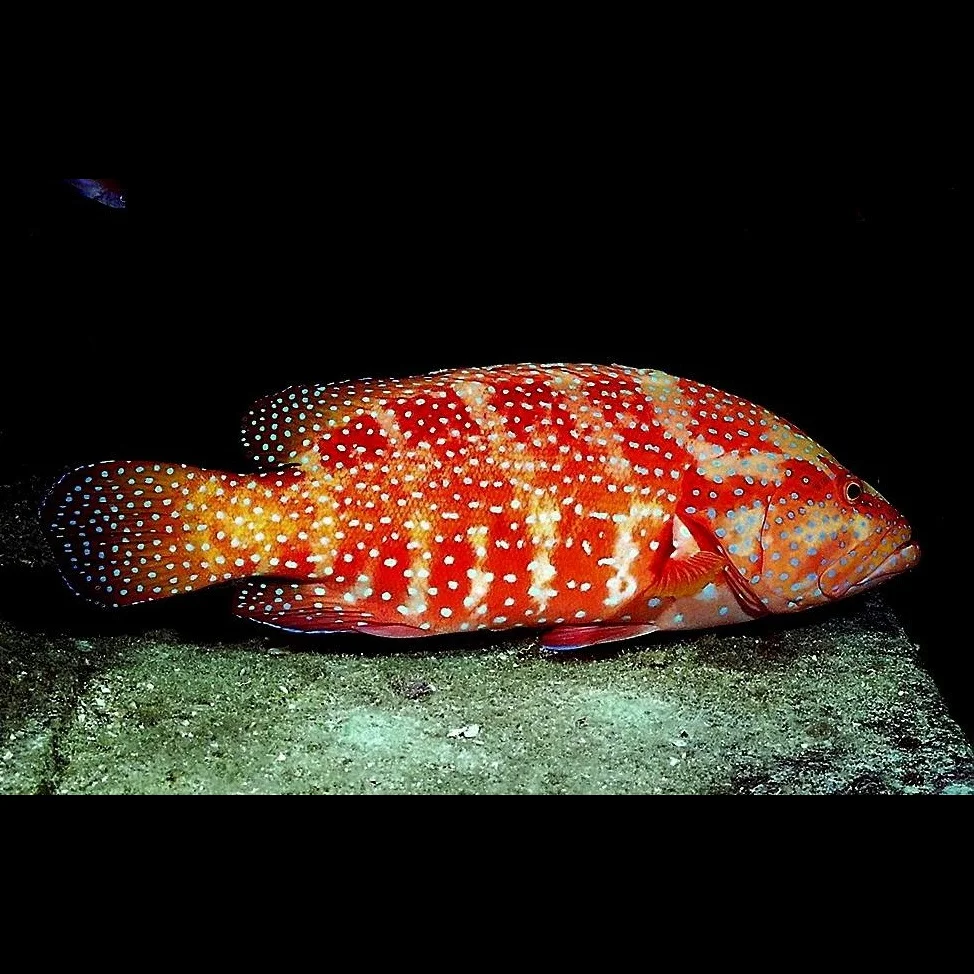
The introduction of concrete patch reefs at St. Marks Reef C10 aims to attract and sustain a diverse array of marine organisms, bolstering the natural ecosystem. While specific species data for this exact site is limited, artificial reefs in similar Gulf Coast environments typically become magnets for various fish species.
Divers can generally anticipate encounters with local reef fish, including different snapper and grouper species, which often utilize the new structures for shelter and foraging. The additional habitat helps support the food chain, drawing in a broader spectrum of smaller invertebrates and schooling fish that thrive around complex reef formations.
Dive Centers Near St. Marks Reef C10
No Dive Centers Local To St. Marks Reef C10
Are you a dive center visiting this location? Get listed to reach divers.
Nearest Airports
Nearest airports to help plan travel to this dive area.
Search Flights
Check available flights and routes on Expedia, using the nearby airports listed in this section.
Search Flights on ExpediaFrequently Asked Questions
What is St. Marks Reef C10?
St. Marks Reef C10 is a dive site located approximately 8 kilometers (5 miles) offshore from the St. Marks wildlife refuge in Florida, United States. It features a combination of natural reefs and artificial reef structures.
What kind of reefs are found at St. Marks Reef C10?
The site comprises natural reefs augmented by artificial patch reefs. These artificial reefs consist of 1-ton concrete cubes strategically placed to enhance marine habitats and improve diving and fishing opportunities.
What are the typical dive depths at St. Marks Reef C10?
While precise depths for C10 are not consistently reported, similar reef systems in the region generally fall within recreational diving limits. Divers can expect depths that accommodate standard open water certifications.
When is the best time to dive St. Marks Reef C10?
Diving is possible year-round, with generally good conditions reported across all months. Many divers find the spring and autumn months preferable due to a balance of comfortable air temperatures and potentially more stable water clarity, though summer offers warmer conditions overall.
What are the general water temperatures at this site?
Water temperatures in the St. Marks area typically range from the upper 10s°C (upper 60s°F) during winter to the low 20s°C (low 80s°F) in summer. These seasonal variations influence the type of exposure protection needed for comfort.
What kind of marine life might I see at St. Marks Reef C10?
Artificial reefs like those at C10 attract a variety of local marine life. You can generally expect to see common reef fish, including snapper and grouper species, along with other invertebrates that inhabit healthy reef ecosystems.
What is the visibility like at St. Marks Reef C10?
Visibility varies depending on seasonal conditions, ranging typically from 12 to 30 meters (40 to 100 ft). Factors such as weather patterns and local water conditions can influence clarity on any given day.
Planning to dive St. Marks Reef C10?
Send one inquiry and receive offers directly from the best verified local dive operators.
Conditions are Good
07:00 - 14:00
Optimal conditions expected
Current conditions near St. Marks Reef C10 show 29° air, 30° sea temperature, 0.2 m waves, and 24 km/h wind. Forecast data is refreshed regularly to ensure accuracy.