
Diving at St. Marks Reef E11 (United States)
Descending into St. Marks Reef E11 introduces divers to a segment of Florida’s extensive artificial reef network, strategically placed to foster marine habitat. It's a prime example of the successful programs enhancing the underwater landscape in this region. Exploring the area's diverse artificial structures here often reveals the benefits of human-made reefs, providing a distinct dive experience.
As evening covers St. Marks Reef E11, the local air temperature is measured at 24°C. The current wave height at the surface is recorded at 0.3 m. These late-day readings characterize the surface conditions for the night.
Dive Site Location & Key Facts
Dive Site Overview
Components designed to attract and support marine life define the site's structure, consistent with Broward County’s widespread artificial reef initiatives. St. Marks Reef E11 contributes to a significant collection of artificial reefs in the Greater Fort Lauderdale area, which collectively comprise many warm-water wrecks in the Western world.
While specific depth for St. Marks Reef E11 is not consistently reported, artificial reefs in the immediate vicinity offer varied depths, with some beginning as shallow as 10 ft (3 m) and extending to deeper recreational ranges around 20-21 m (65-70 ft) for structures like Berry Patch or Rapa Nui, and even technical depths up to 51 m (167 ft) for sites such as Miracle of Life. This wide array of structures ensures a rich habitat. As a segment of a diverse program, the reef caters to various experience levels within recreational limits.
Divers can expect to find a resilient underwater topography, evolving as nature reclaims these submerged structures, establishing new ecosystems.
Conditions are Good
07:00 - 14:00
Optimal conditions expected
Current conditions near St. Marks Reef E11 show 24° air, 30° sea temperature, 0.2 m waves, and 25 km/h wind. Forecast data is refreshed regularly to ensure accuracy.
Best Time to Dive
While many consider Florida a year-round diving destination, St. Marks Reef E11 offers optimal conditions across several months. From July through February, dive scores generally rate as 'Good' or 'Excellent', supported by consistent air temperatures ranging from 11°C (52°F) in January to 28°C (82°F) in August. Rainfall is relatively low in months like October and November, averaging around 1.3-1.6 mm, which can contribute to better visibility. Ocean temperatures remain reliably warm throughout the year, typically staying between 22-27°C (72-81°F) due to the proximity of the Gulf Stream. Even during winter, water temperatures generally hold in the mid-70s Fahrenheit. Summer months see air temperatures in the upper 20s°C (80s°F), potentially increasing surface humidity, but the consistently warm water allows for comfortable diving.
PEAK SEASON SCORE
Scores combine air & water temps, waves, wind & rainfall for overall conditions.
BEST MONTHS TO DIVE
Monthly records compiled from satellite and marine observation nodes over the last 3 years. Data provided by Open-Meteo and MET Norway.
Dive Experience & Conditions
Expect consistent currents here, making drift diving the prevailing method to explore St. Marks Reef E11 and surrounding sites. Close proximity of the Gulf Stream facilitates an almost effortless journey across the reef lines, guiding divers along the artificial structures. Water temperatures are comfortably warm, typically ranging from 22-27°C (72-81°F) throughout the year, eliminating the need for heavy thermal protection during most dives. Visibility in this region is often Caribbean-quality, although it varies with weather patterns and recent rainfall runoff. Exploring this reef allows divers to observe the vibrant corals and sponges that colonize the artificial structures, transforming them into thriving habitats. A gentle drift enables focused observation of the reef environment and its inhabitants.
Dive Difficulty & Safety Guidelines
Navigating the currents common in this area requires divers to be proficient in drift diving techniques. Always deploy a surface marker buoy (SMB) upon ascent to signal your location to boat traffic, which can be active. Maintain a vigilant awareness of your dive profile and no-decompression limits, especially when exploring deeper sections of the local reef system.
It’s prudent to dive with a reliable buddy and carry an audible signaling device. Prior planning with your dive charter for pick-up procedures is essential, as the drift means you won't necessarily surface directly where you started.
Adhering to responsible interaction practices with marine life ensures the preservation of this dynamic ecosystem.
Recommended Equipment
- Dive Computer
This gear list is based on verified equipment signals for St. Marks Reef E11, United States. Always confirm final gear choices with your dive operator, guide, or liveaboard.
Recommended Dive Suit
Dive skin or rash guard usually provides adequate warmth in water around this temperature. A hood or vest is suggested for sensitive divers due to surface winds. Those diving at St. Marks Reef E11 today will likely encounter water temperatures in the region of 30°C (85°F). Surface air temperatures are resting at 24°C (75°F).
Weather models currently point toward consistent diving conditions over the next several days.
Conditions can vary slightly across different parts of the same dive site.
Emergency & Medical Support
Essential information to help you plan your dive trip to St. Marks Reef E11.

Hyperbaric chambers are a critical part of dive safety infrastructure. Availability varies significantly by region, and not all dive areas have immediate access.
Before diving, it's recommended to:
- confirm nearest medical facilities
- check emergency procedures with local dive operators
- ensure dive insurance covers evacuation if required
Divers Alert Network
Diving emergency assistance available through DAN World.
+1-919-684-9111- 24/7 emergency hotline
- Diving medical assistance
- Evacuation coordination
Emergency contacts are provided for reference. Always verify local emergency services before diving.
Marine Life at St. Marks Reef E11
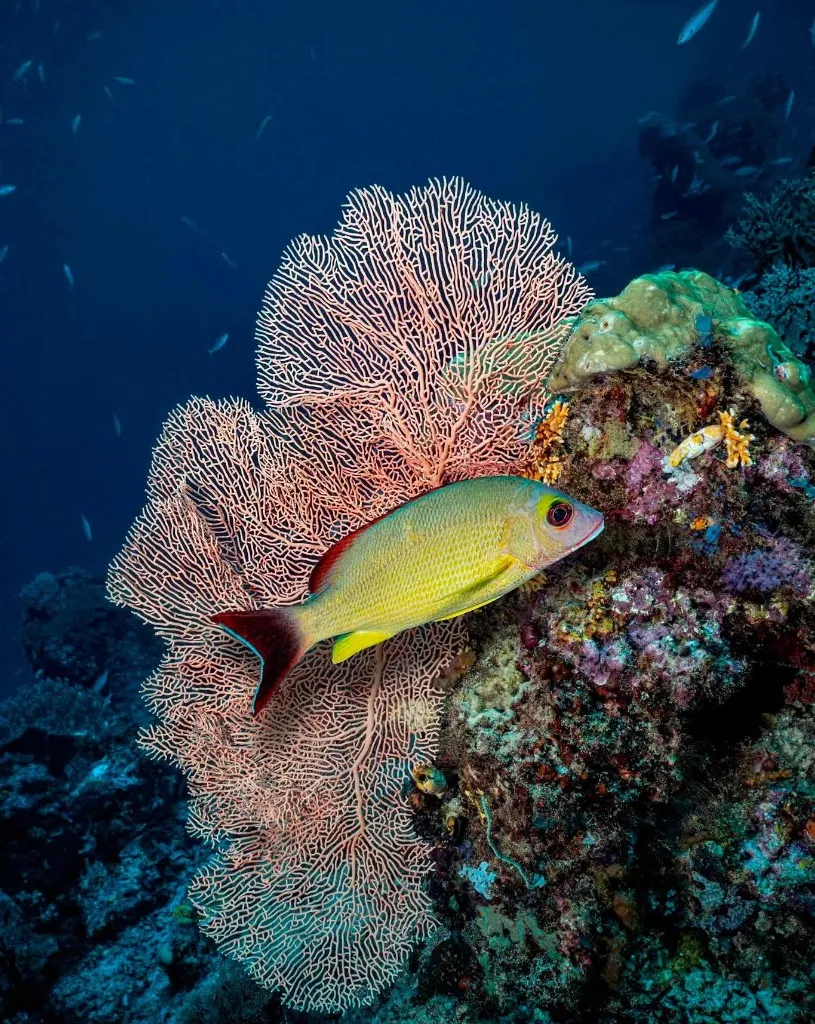
Diverse marine species congregate around St. Marks Reef E11, drawn by the artificial structures. Divers frequently encounter schools of large fish such as grunts, snapper, jacks, and various grouper species.
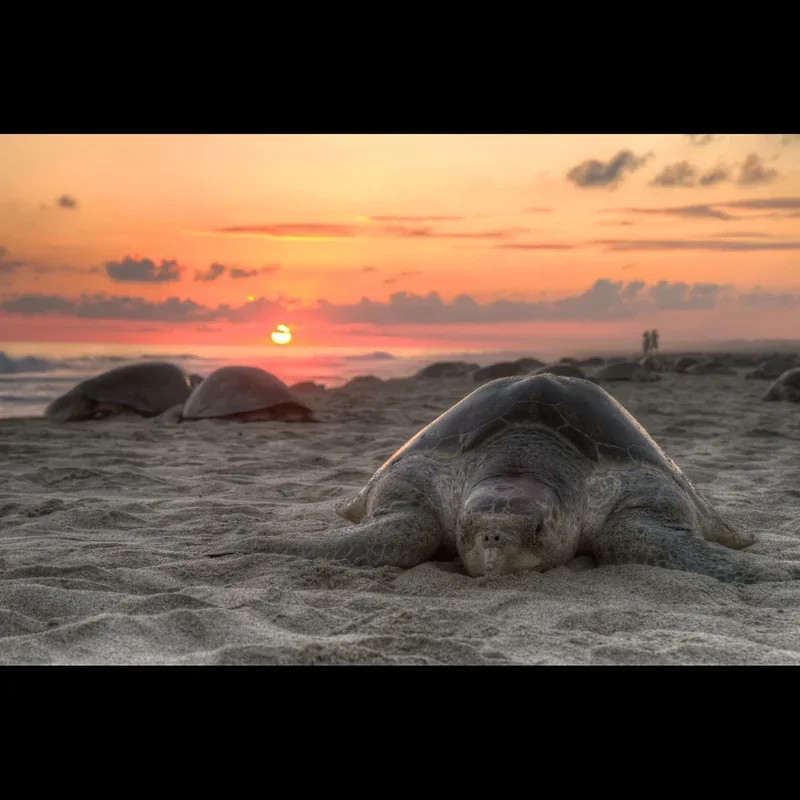
Southeast Florida's waters, especially here, represent a prime location for spotting sea turtles. In deeper sections of the wider region, opportunities to observe larger pelagic life, including various sharks and rays, can arise.
Lemon sharks are known to pass through in winter months, and early fall often brings Goliath Groupers for their spawning aggregations.

Dive Centers Near St. Marks Reef E11
No Dive Centers Local To St. Marks Reef E11
Are you a dive center visiting this location? Get listed to reach divers.
Nearest Airports
Nearest airports to help plan travel to this dive area.
Search Flights
Check available flights and routes on Expedia, using the nearby airports listed in this section.
Search Flights on ExpediaFrequently Asked Questions
What kind of dive site is St. Marks Reef E11?
St. Marks Reef E11 is part of Florida’s artificial reef network, specifically within Broward County's program. It consists of intentionally submerged structures designed to create and enhance marine habitats. This site offers a structured environment for marine life to colonize and divers to explore.
What is the typical depth for St. Marks Reef E11?
Specific depth for St. Marks Reef E11 isn't consistently reported, but similar artificial reefs in the area vary. Depths can range from shallower sections at 3 m (10 ft) to recreational depths around 20-21 m (65-70 ft) for nearby structures. Divers should confirm exact depths with their local dive operator.
What are the prevailing conditions and currents at St. Marks Reef E11?
Divers should expect consistent currents at St. Marks Reef E11, making drift diving the common method of exploration. The proximity of the Gulf Stream facilitates these currents, providing a generally effortless journey along the reef line. Water temperatures remain warm throughout the year, typically 22-27°C (72-81°F).
What kind of marine life can I expect to see?
Artificial structures here attract diverse marine species. You can frequently observe schools of fish like grunts, snapper, and jacks, alongside various grouper species. Sea turtles are also commonly spotted in this area of southeast Florida.
What is the best time of year to dive St. Marks Reef E11?
Optimal conditions generally occur from July through February, with 'Good' or 'Excellent' dive scores. During these months, water temperatures are reliably warm, staying between 22-27°C (72-81°F). Lower rainfall in October and November can also contribute to better visibility.
Is special equipment needed for this dive?
Due to the prevailing drift conditions and boat traffic, a surface marker buoy (SMB) and an audible signaling device are essential for safety. A dive computer is also crucial for monitoring your dive profile and bottom time effectively.
Planning to dive St. Marks Reef E11?
Send one inquiry and receive offers directly from the best verified local dive operators.
Conditions are Good
07:00 - 14:00
Optimal conditions expected
Current conditions near St. Marks Reef E11 show 24° air, 30° sea temperature, 0.2 m waves, and 25 km/h wind. Forecast data is refreshed regularly to ensure accuracy.