
Diving at St Marks Reef E7 (United States)
Approaching St Marks Reef E7, divers will find themselves descending into a structured underwater environment designed for habitat enhancement. The site itself offers a distinct sensory experience, where the artificial structures break the seafloor's monotony, creating intriguing formations to explore. It's an area where the blend of engineered reef components aims to foster a vibrant, localized ecosystem.
Evening condition tracking at St Marks Reef E7 features an air temperature of 25°C. We have recorded wave heights measuring 0.4 m during this period. These figures outline the environmental parameters currently present.
Dive Site Location & Key Facts
Dive Site Overview
St Marks Reef E7 represents a deliberate deployment of artificial reef materials, forming part of a larger network of similar sites in the region. A key component within the extensive St Marks reef system, this installation incorporates four robust Lindberg-Type Cubes and one intricate Walter Ecosystem Reef structure.
These components are strategically placed on the seafloor to foster marine growth and attract local species, augmenting the natural habitat. Such purposeful design aims to provide immediate shelter and colonization surfaces for a diverse array of aquatic life, contributing significantly to local biodiversity. Materials for this site are part of a broader, ongoing initiative, as evidenced by other St Marks Reef deployments featuring diverse structures like concrete culverts and even tires from a 1964 deployment.
At a reported maximum depth of 22 ft (7 m), St Marks Reef E7 offers a shallow-water experience, making it highly accessible to divers across various certification levels. Its purpose-built nature reflects continuous efforts to enhance marine habitats and fishing grounds off the St Marks coast, reinforcing the Gulf's ecological framework.
Exploring E7 offers a direct look into how engineered solutions support and enrich underwater environments, providing a unique perspective on marine conservation in action. Divers can expect to navigate around distinct structures, observing how they integrate into the sandy bottom and begin to host developing ecosystems. E7 serves as a testament to long-term habitat restoration goals within the region.
Conditions are Good
07:00 - 14:00
Optimal conditions expected
Current conditions near St Marks Reef E7 show 25° air, 30° sea temperature, 0.3 m waves, and 20 km/h wind. Forecast data is refreshed regularly to ensure accuracy.
Best Time to Dive
Diving at St Marks Reef E7 is generally favorable for much of the year, with conditions varying across seasons. The months of October and November typically present excellent dive conditions, characterized by lower rainfall averaging around 1.3 to 1.6 mm and more moderate wind speeds of approximately 26-27 km/h (16-17 mph). Air temperatures during these prime months range from about 18°C (64°F) to 22°C (72°F). Good dive conditions extend through winter and into summer; for instance, July and August see the calmest wave heights, averaging 0.4-0.5 m (1.3-1.6 ft), alongside warmer air temperatures around 28°C (82°F). While specific water temperatures are not consistently reported for this location, they generally align with seasonal air temperature trends, remaining comfortable for diving through much of the year, particularly from late spring to early autumn.
PEAK SEASON SCORE
Scores combine air & water temps, waves, wind & rainfall for overall conditions.
BEST MONTHS TO DIVE
Monthly records compiled from satellite and marine observation nodes over the last 3 years. Data provided by Open-Meteo and MET Norway.
Dive Experience & Conditions
Current dynamics at St Marks Reef E7 are not consistently reported, however, local conditions generally dictate the visibility and ease of navigating the site. Divers here explore a relatively shallow site, with the maximum depth around 22 ft (7 m). The primary points of interest are the installed Lindberg-Type Cubes and the Walter Ecosystem Reef component. These artificial structures provide varied surfaces for marine life to colonize and offer numerous nooks and crannies for exploration. Divers should anticipate a dynamic environment where visibility may fluctuate, depending on recent weather patterns and tidal flows. Navigating around the geometric reef components allows for close observation of developing ecosystems, offering a focused dive experience on the artificial structure.
Dive Difficulty & Safety Guidelines
When diving St Marks Reef E7, divers should prioritize maintaining excellent buoyancy control to avoid damaging the artificial reef structures or disturbing nascent marine life. Given the shallow depth, bottom time management is usually generous, but careful air consumption monitoring is always essential. Divers should remain aware of potential currents that, while not consistently reported, can occasionally influence navigation around the structures.
Familiarity with local boat traffic is also advisable, as this area is also noted for fishing activity. Always dive within your certification limits and consider carrying an SMB for surface signaling, particularly in areas with boating. Planning dives with a local operator familiar with the site's specifics can enhance safety.
Recommended Equipment
- Dive Computer
This gear list is based on verified equipment signals for St Marks Reef E7, United States. Always confirm final gear choices with your dive operator, guide, or liveaboard.
Recommended Dive Suit
Exposure protection is partly a personal preference.
Dive skin or rash guard typically provides a reliable level of thermal protection for dives here. Consider warmer surface protection (like a boat coat) due to brisk winds. Environmental conditions are expected to remain consistent in the short-term outlook.
Water temperatures across the dive area at St Marks Reef E7 are presently estimated to be around 30°C (86°F). Surface air temperatures are resting at 25°C (77°F).
Due to technical issues with our weather providers, live updates are temporarily delayed. The data above reflects the conditions at the time of the last successful fetch.
Emergency & Medical Support
Essential information to help you plan your dive trip to St Marks Reef E7.

Hyperbaric chambers are a critical part of dive safety infrastructure. Availability varies significantly by region, and not all dive areas have immediate access.
Before diving, it's recommended to:
- confirm nearest medical facilities
- check emergency procedures with local dive operators
- ensure dive insurance covers evacuation if required
Divers Alert Network
Diving emergency assistance available through DAN World.
+1-919-684-9111- 24/7 emergency hotline
- Diving medical assistance
- Evacuation coordination
Emergency contacts are provided for reference. Always verify local emergency services before diving.
Marine Life at St Marks Reef E7
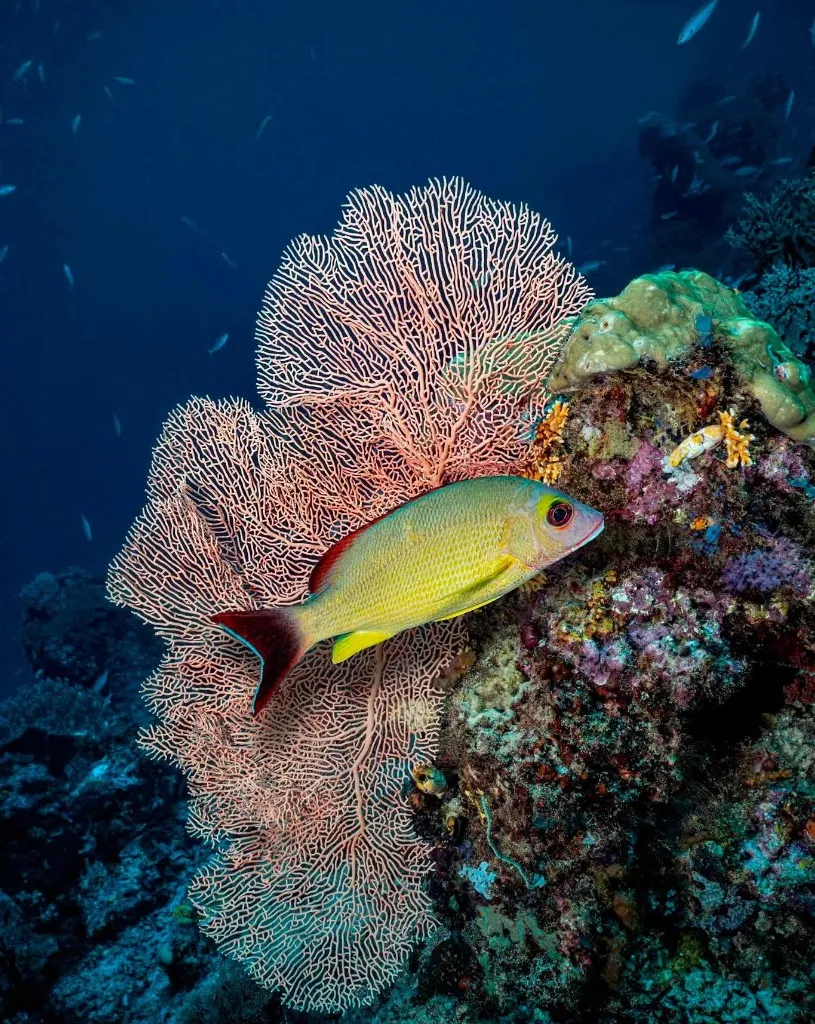
Artificial structures at St Marks Reef E7 are designed to attract and support various marine organisms, serving as a focal point for aquatic life. While specific species counts for E7 are not detailed, similar artificial reef deployments in the region typically become home to a range of fish.
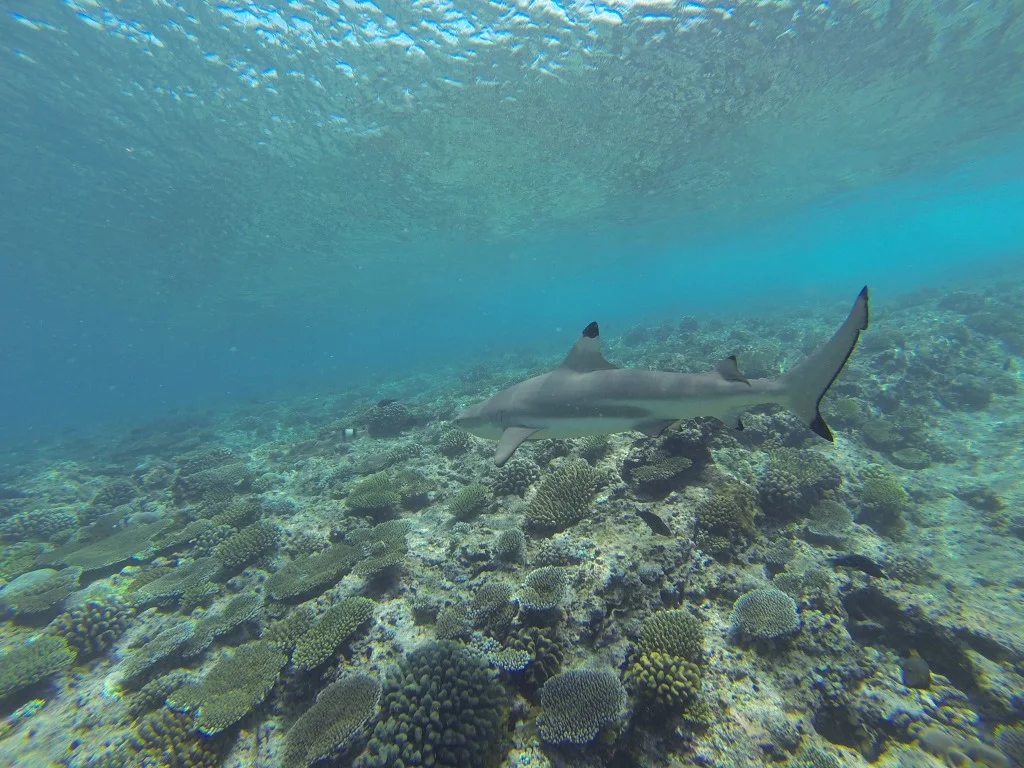
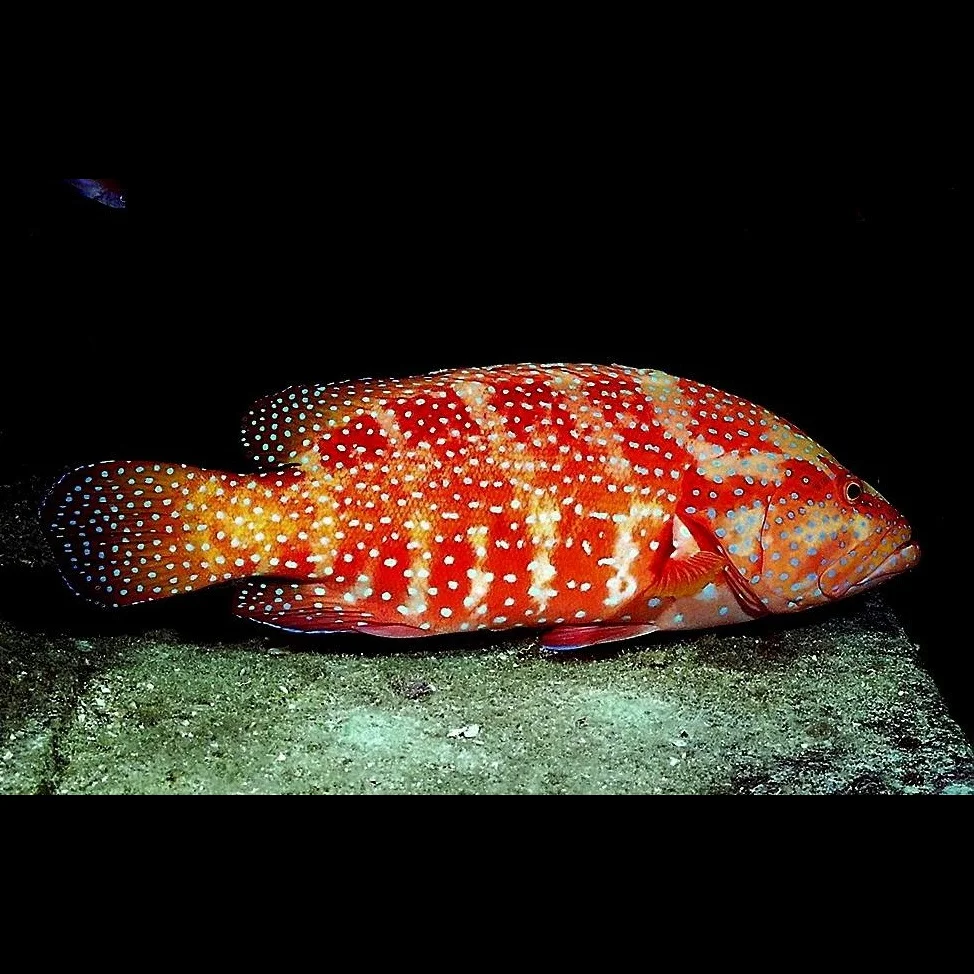
Divers might encounter schooling fish like grunts or snapper seeking shelter, and possibly observe juvenile grouper utilizing crevices. Though not consistently reported for this specific site, the broader St Marks area has potential for shark sightings around natural ledges.
Surfaces of the Lindberg-Type Cubes and Walter Ecosystem Reef are expected to develop a coating of soft corals, sponges, and other invertebrates over time, contributing to the site's developing ecosystem.

Dive Centers Near St Marks Reef E7
No Dive Centers Local To St Marks Reef E7
Are you a dive center visiting this location? Get listed to reach divers.
Nearest Airports
Nearest airports to help plan travel to this dive area.
Search Flights
Check available flights and routes on Expedia, using the nearby airports listed in this section.
Search Flights on ExpediaFrequently Asked Questions
What type of structures make up St Marks Reef E7?
St Marks Reef E7 consists of four Lindberg-Type Cubes and one Walter Ecosystem Reef component. These are artificial structures designed to create habitat for marine life.
What is the typical depth at St Marks Reef E7?
Reported depth for St Marks Reef E7 is approximately 22 ft (7 m). Such shallow depths make it suitable for many certified divers.
When is the best time of year to dive St Marks Reef E7?
October and November offer excellent dive conditions, with moderate air temperatures and lower rainfall. Good conditions extend through much of the year, with calmest waves typically in July and August.
What kind of marine life can I expect to see?
While specific sightings vary, artificial structures are designed to attract fish like grunts, snapper, and potentially juvenile grouper. Reef components also foster the growth of invertebrates such as soft corals and sponges.
Is St Marks Reef E7 suitable for beginner divers?
Given its shallow depth of 22 ft (7 m) and structured environment, St Marks Reef E7 can be suitable for beginner certified divers. Good buoyancy control is recommended to protect delicate marine growth.
Are there strong currents at St Marks Reef E7?
Current conditions are not consistently reported for St Marks Reef E7 and can vary. Divers should always be prepared for potential currents and discuss local conditions with their dive operator prior to entry.
Planning to dive St Marks Reef E7?
Send one inquiry and receive offers directly from the best verified local dive operators.
Conditions are Good
07:00 - 14:00
Optimal conditions expected
Current conditions near St Marks Reef E7 show 25° air, 30° sea temperature, 0.3 m waves, and 20 km/h wind. Forecast data is refreshed regularly to ensure accuracy.