
Diving at St. Petersburg Bay Reef (United States)
A descent into St. Petersburg Bay Reef means entering a section of Pinellas County's expansive artificial reef program. Divers can anticipate finding submerged structures, repurposed materials like concrete pipes and steel beams, thoughtfully placed to foster marine habitats. This site, part of the greater St. Petersburg area's dive offerings, allows for an exploration of human-made underwater landscapes. Expect a gentle immersion into a varied environment where new ecosystems take root on stable foundations.
As evening covers St. Petersburg Bay Reef, the local air temperature is measured at 26°C. The current wave height at the surface is recorded at 0.3 m. These late-day readings characterize the surface conditions for the night.
Dive Site Location & Key Facts
Dive Site Overview
St. Petersburg Bay Reef is an integral part of Pinellas County’s comprehensive artificial reef program, designed to create new underwater ecosystems. These human-made structures consist of clean, inert debris such as concrete pipes, steel beams, and even entire ships, meticulously placed to encourage marine life.
Since 1975, approximately 50,000 tons of material have been deployed, transforming barren seabed into thriving habitats. While many premier dive spots are several miles offshore in the Gulf, sites within the bay, like the St. Petersburg Bay Reef, contribute to this network, offering shallower explorations.
The purpose of these reefs extends beyond just diving; they also enhance fishing opportunities and support marine biodiversity. Within weeks of deployment, algae and barnacles begin to colonize the materials, quickly attracting smaller fish.
Over time, structures develop into complex environments supporting coral growth, sponges, and a variety of fish species. Depths for inshore reefs are generally shallower, though specific depths for this particular Bay Reef are not consistently reported.
The broader Tampa and St. Petersburg area offers dives from recreational depths to deeper artificial reefs suitable for intermediate to advanced divers, providing a wide range of underwater experiences within the extensive system.
Conditions are Excellent
07:00 - 14:00
Optimal conditions expected
Current conditions near St. Petersburg Bay Reef show 26° air, 31° sea temperature, 0.2 m waves, and 18 km/h wind. Forecast data is refreshed regularly to ensure accuracy.
Best Time to Dive
Optimizing a dive at St. Petersburg Bay Reef often means targeting periods when underwater clarity is at its best, which can fluctuate given its inshore location. Most favorable conditions generally run from late Spring to early Fall, typically May through October. During these months, water temperatures are consistently warm, ranging from 24-29°C (75-85°F), creating comfortable conditions for extended dives. Pleasant air temperatures occur across much of the year, averaging from 15°C (59°F) in January to 29°C (84°F) in July, but rainfall significantly impacts visibility. Rainfall peaks in August with 6.6 mm, tapering off significantly in months like November at 0.75 mm and April at 1.2 mm. Lower rainfall often correlates with better visibility, suggesting drier periods of late fall and spring might offer clearer conditions, despite cooler water temperatures. However, for inshore reefs specifically, clarity is generally described as poor, primarily due to sediment and bay dynamics, making detailed observation a closer experience.
PEAK SEASON SCORE
Scores combine air & water temps, waves, wind & rainfall for overall conditions.
BEST MONTHS TO DIVE
Monthly records compiled from satellite and marine observation nodes over the last 3 years. Data provided by Open-Meteo and MET Norway.
Dive Experience & Conditions
Depth profiles at St. Petersburg Bay Reef, characteristic of many inshore artificial reefs in Pinellas County, generally remain within recreational limits, often described as fairly shallow. Specific maximum depths are not consistently reported for this particular bay site, but divers should anticipate a shallower environment compared to offshore Gulf sites. This area primarily consists of human-placed structures like concrete and steel, which serve as foundational elements for new ecosystems. Underwater visibility is often limited, sometimes making the experience one of intimate exploration rather than distant panoramas. Currents tend to be mild, but conditions can vary with local tidal movements, requiring divers to be attentive to their surroundings. Even with reduced visibility, these structures attract a variety of smaller reef fish and provide a substrate for sponge and early coral growth. The dive experience emphasizes observing the immediate marine life that has colonized these artificial habitats, offering a tangible connection to coastal conservation efforts.
Dive Difficulty & Safety Guidelines
Navigating St. Petersburg Bay Reef requires adherence to standard safety practices, especially considering its location within an active bay system. Limited visibility, a common characteristic of inshore reefs, necessitates diligent buddy contact and awareness of your surroundings. Boat traffic can be present, so deploying a dive flag is paramount for surface signaling and diver protection.
Divers should possess appropriate certification for the planned depth and be comfortable with potentially low visibility conditions. Respecting the artificial structures is crucial; avoid disturbing the reef materials or marine life to preserve these developing ecosystems.
Always plan your dive, dive your plan, and carry appropriate signaling devices. While specific hazards aren't consistently reported, a cautious approach, coupled with sound judgment, ensures a safe and rewarding exploration of this unique environment.
Recommended Equipment
- Dive Computer
This gear list is based on verified equipment signals for St. Petersburg Bay Reef, United States. Always confirm final gear choices with your dive operator, guide, or liveaboard.
Recommended Dive Suit
Divers visiting St. Petersburg Bay Reef today can expect water conditions around 31°C (87°F). Surface air temperatures are resting at 26°C (78°F).
Dive skin or rash guard generally offers enough warmth for most dives under these conditions. A hood or vest is suggested for sensitive divers due to surface winds.
Forecast trends indicate little change in overall diving conditions during the next few days.
Due to technical issues with our weather providers, live updates are temporarily delayed. The data above reflects the conditions at the time of the last successful fetch.
Emergency & Medical Support
Essential information to help you plan your dive trip to St. Petersburg Bay Reef.

Hyperbaric chambers are a critical part of dive safety infrastructure. Availability varies significantly by region, and not all dive areas have immediate access.
Before diving, it's recommended to:
- confirm nearest medical facilities
- check emergency procedures with local dive operators
- ensure dive insurance covers evacuation if required
Divers Alert Network
Diving emergency assistance available through DAN World.
+1-919-684-9111- 24/7 emergency hotline
- Diving medical assistance
- Evacuation coordination
Emergency contacts are provided for reference. Always verify local emergency services before diving.
Marine Life at St. Petersburg Bay Reef
The artificial structures of St. Petersburg Bay Reef serve as essential habitats, attracting a diverse array of marine life. Within weeks of deployment, the inert materials are colonized by algae and barnacles, forming the base of a new food web.
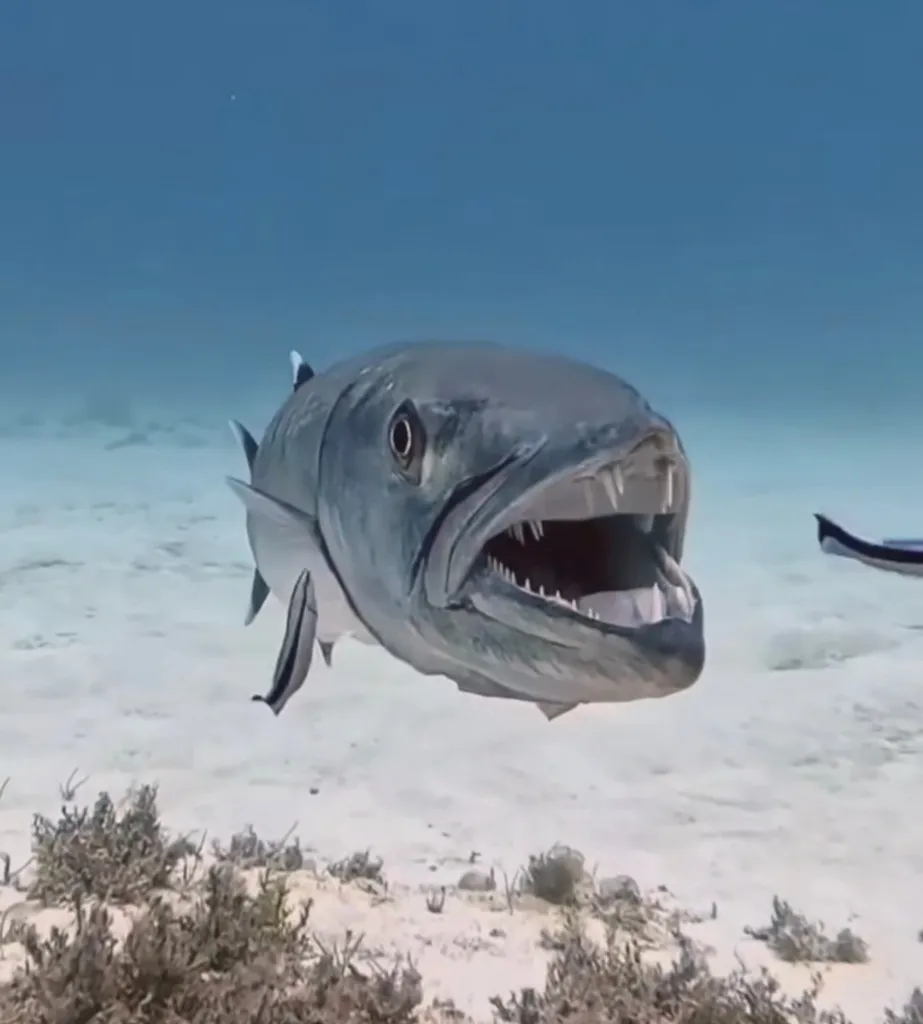
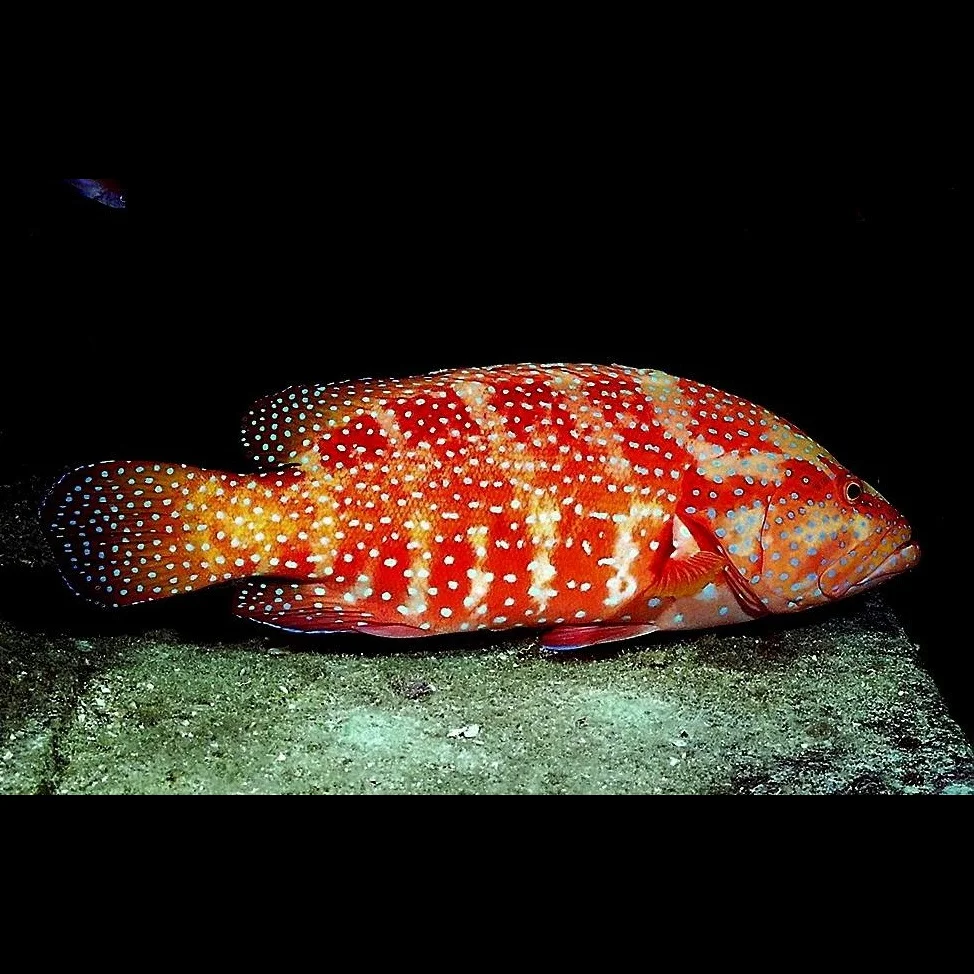
Soon after, divers can observe various colorful reef fish seeking shelter and sustenance among the nooks and crannies. Larger species such as grouper, barracuda, and occasionally rays are known to frequent the broader artificial reef system, especially on more established sites.
These structures also provide a substrate for the growth of sponges and nascent corals, contributing significantly to the local marine biodiversity within the bay.

Dive Centers Near St. Petersburg Bay Reef
Today: 11:00 - 17:00
Nearest Airports
Nearest airports to help plan travel to this dive area.
Search Flights
Check available flights and routes on Expedia, using the nearby airports listed in this section.
Search Flights on Expedia
Plan Your Stay
Looking for a place to stay for your dive trip? Explore hotels, stays, and vacation rentals for dive groups near St. Petersburg.
Dive Navigator may earn a commission from these links at no extra cost to you.
Frequently Asked Questions
Is St. Petersburg Bay Reef suitable for shore diving?
While St. Petersburg Bay Reef is mentioned as one of the closest options for shore diving in Pinellas County, access directly from the beach is generally not available for quality dives. Most dive sites in the area, particularly the decent ones, are accessible by boat, often several miles offshore.
What is the typical depth at St. Petersburg Bay Reef?
St. Petersburg Bay Reef, being an inshore artificial reef, is generally shallow. Specific depths for this precise bay location are not consistently reported, but divers should expect a recreational depth range. Deeper artificial reefs are typically found further offshore in the Gulf.
What is the water temperature like at this dive site?
The water temperatures in the St. Petersburg area are warmest from May to October, ranging from 24-29°C (75-85°F). Outside this period, temperatures will be cooler, particularly during winter months.
What kind of marine life can I expect to see?
St. Petersburg Bay Reef's artificial structures attract various marine life, including colorful reef fish, sponges, and nascent coral growth. Larger species like grouper, barracuda, and rays are also known to frequent the broader artificial reef system.
What are the visibility conditions generally like?
Visibility for inshore reefs in the St. Petersburg Bay area is generally described as poor. Conditions can vary depending on local weather, tides, and sediment in the bay.
When is the best time of year to dive St. Petersburg Bay Reef?
The period from late Spring to early Fall (May to October) offers the warmest water temperatures. While visibility can be challenging for inshore reefs, drier months outside the peak rainy season might offer slightly clearer conditions.
What type of structures make up St. Petersburg Bay Reef?
St. Petersburg Bay Reef is an artificial reef composed of human-made, environmentally safe materials. These typically include inert debris such as concrete pipes, steel beams, and other repurposed construction materials, placed to create marine habitats.
Planning to dive St. Petersburg Bay Reef?
Send one inquiry and receive offers directly from the best verified local dive operators.
Conditions are Excellent
07:00 - 14:00
Optimal conditions expected
Current conditions near St. Petersburg Bay Reef show 26° air, 31° sea temperature, 0.2 m waves, and 18 km/h wind. Forecast data is refreshed regularly to ensure accuracy.