
Diving atSufix I (United States)
The ambitious transformation of the SS United States into the world's largest artificial reef presents a monumental undertaking for divers and marine conservation alike. Preparing for the ship's intricate sinking off Destin-Fort Walton Beach, Florida, involves a substantial budget and over a year of environmental work. This colossal liner, once a symbol of American maritime prowess, is set to embark on a new legacy beneath the waves.
Evening condition tracking at Sufix I features an air temperature of 23.7°C. We have recorded wave heights measuring 0.82m during this period. These figures outline the environmental parameters currently present.
Dive Site Coordinates
28.3342, -80.2042
Dive Site Overview
A new chapter is being written for the SS United States, transitioning from a storied ocean liner to an extraordinary underwater attraction off Florida's coast. Okaloosa County is orchestrating the process, with plans for the vessel to become the world’s largest artificial reef, aiming to foster marine ecosystems and support local fisheries.
The complex acquisition and preparation, with an estimated budget of up to $10.1 million, includes extensive cleaning and environmental work expected to take over a year, followed by six months for final sinking preparations. Once submerged, the wreck will provide a habitat for diverse marine life, serving as both a historical site and a vibrant ecological hub. It's intended to be sunk at a depth suitable for all levels of diver, making this historic structure accessible.
This initiative continues Destin-Fort Walton Beach's commitment to artificial reef programs, which also includes the USS Oriskany, already providing significant underwater exploration opportunities.
Best Time to Dive
Achieving optimal visibility for exploring the future SS United States reef will likely align with periods of calmer seas and reduced rainfall. Historical climate data for the region indicates 'Good' dive scores typically occur from May through August, characterized by lower average wave heights, which can contribute to clearer underwater conditions. For instance, July sees average wave heights around 0.77 m (2.5 ft), paired with lighter winds averaging 23.7 km/h (14.7 mph). Conversely, months like January, February, and October show higher average wave heights, often exceeding 1.4 m (4.6 ft), and stronger winds, potentially impacting visibility. Rainfall also tends to be lower in the spring, with March averaging 1.02 mm (0.04 in), before increasing in the summer months. While water temperature data isn't consistently reported, air temperatures range from 19.3°C (66.7°F) in January to 28.4°C (83.1°F) in August, suggesting warmer waters during peak summer for extended bottom times.
Climate Historical Averages
Monthly records compiled from satellite and marine observation nodes over the last 3 years. Data provided by Open-Meteo and MET Norway.
Dive Experience & Conditions
Navigating the considerable structure of the SS United States as it becomes an artificial reef will present divers with an evolving underwater landscape. This site is specifically planned to be accessible for divers of all experience levels, implying a recreational depth range. Currents in the area will vary depending on local weather patterns and tidal influences, which is common for large, submerged structures that can attract and redirect water flow. Divers should anticipate conditions that can shift, requiring attentiveness to buoyancy and positioning. As a newly developing artificial reef, the environment will gradually transition, offering observations of initial colonization and the establishment of new habitats. While specific water temperature data isn't consistently reported for this location, seasonal air temperatures suggest warmer conditions during the summer and early fall, which would likely correspond with more comfortable diving temperatures.
Dive Difficulty & Safety Guidelines
Approaching a structure of this scale and historical significance demands thorough dive planning and adherence to safety protocols. As an artificial reef and significant wreck, understanding potential hazards is paramount. While designated for 'all levels of diver,' prudent practice involves being certified for wreck diving if interior penetration is considered once the site is established and deemed safe. The sheer size of the SS United States means careful navigation of its exterior and respect for its structural integrity will be necessary. Dive groups should maintain close communication and carry appropriate signaling devices. Although no specific hazards are reported yet, general wreck diving precautions against entanglement, confined spaces, and overhead environments should be noted. Always dive within your training and comfort limits, ensuring a safe and responsible exploration of this developing site.
Recommended Equipment
No verified equipment items yet.
Verified equipment recommendations for this dive site are being reviewed and may be added as additional source checks are completed.
Recommended Dive Suit
The latest conditions reported around Sufix I place the water temperature close to 25°C (77°F). Surface air temperatures are resting at 24°C (75°F).
Many divers choose 3mm wetsuit when diving in similar conditions.
Short-term weather patterns suggest stable conditions for divers visiting the area.
Conditions last reviewed: 18:00 using the latest environmental data.
Dive Logistics & Preparation
Hyperbaric Chamber
Check local United States medical facilities.
Entry Requirements
View United States Visa Hub
Currency
USD
Nearest Airports
Nearest airports to help plan travel to this dive area.
Marine Life at Sufix I
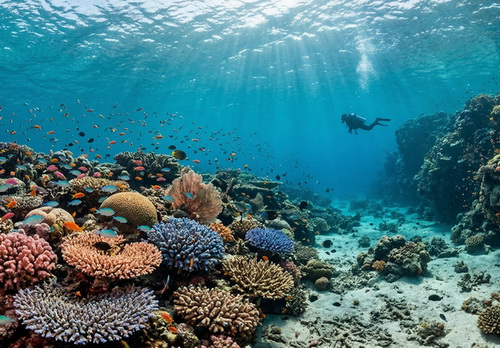
The initial draws for divers exploring the SS United States will be observing its transformation into a dynamic marine habitat. As an artificial reef, it's designed to attract and support a variety of ocean life, providing essential habitat for local fisheries. Early colonization by soft corals, sponges, and various invertebrates will begin to coat the vessel's surfaces. Over time, resident reef fish such as snapper and grouper are expected to inhabit the structure, alongside schools of pelagic fish utilizing the wreck for shelter and feeding. The developing ecosystem will offer a compelling study of marine life adaptation to a new, large-scale artificial environment, promising a gradual increase in biodiversity.
Dive Centers Near Sufix I
No Dive Centers Local To Sufix I
Are you a dive center visiting this location? Get listed to reach divers.
Frequently Asked Questions
When is the SS United States expected to be sunk?
The cleaning and environmental preparation of the SS United States is expected to take over a year, with an additional six months required to prepare it for sinking. A precise sinking date is not yet publicly determined, but the project is actively moving forward.
Where will the SS United States be located?
Its final resting place will be off Destin-Fort Walton Beach in the Florida Panhandle. The exact coordinates are still to be determined as part of the ongoing planning process.
What depth will the SS United States be sunk to?
The vessel is expected to be sunk at a depth suitable for all levels of diver. Its placement will be within recreational diving limits to ensure broad accessibility.
What makes the SS United States significant as an artificial reef?
Once submerged, the SS United States is projected to become the world's largest artificial reef. This status is expected to elevate Destin-Fort Walton Beach as a premier diving destination and significantly enhance marine ecosystems.
Will there be a museum related to the SS United States?
Yes, a state-of-the-art land-based museum is planned to complement the underwater reef. It will showcase the ship’s rich history, featuring original artifacts, artwork, and possibly recreated interior spaces.
What is the estimated cost of converting the ship into an artificial reef?
A budget of up to $10.1 million has been estimated for the purchase, preparation, towing from Philadelphia, and sinking of the ship. A portion of these funds will also support the establishment of the conservancy’s land-based museum.
Liveaboards Sailing to Sufix I
Explore highly rated liveaboards visiting this dive site and discover the best routes in United States.
Resorts & Accommodation
Find partner hotels and dive resorts directly accessing the reef.
Around This Area
Explore top-rated restaurants, activities, and attractions near Sufix I reviewed by travelers.
Planning to dive Sufix I?
Send one inquiry and receive offers directly from the best verified local dive operators.