
Diving at Sunbeam Spring (United States)
Reaching Sunbeam Spring involves a river journey along the Santa Fe, navigating 0.9 miles (1.5 km) downstream from the Wilson Springs Road boat ramp. Divers will find the spring within the riverbed, characterized by prominent surface boils indicating its powerful two vents. Prepare for a dynamic entry into a complex, high-flow cave system that requires technical proficiency and specialized equipment for safe exploration beyond its initial chambers. Its distinctive fissures offer varied visibility upon approach.
At Sunbeam Spring, the ambient air temperature is currently recorded at 22°C. This dive site in United States is operating under normal seasonal weather patterns. Familiarize yourself with the local topography prior to navigating.
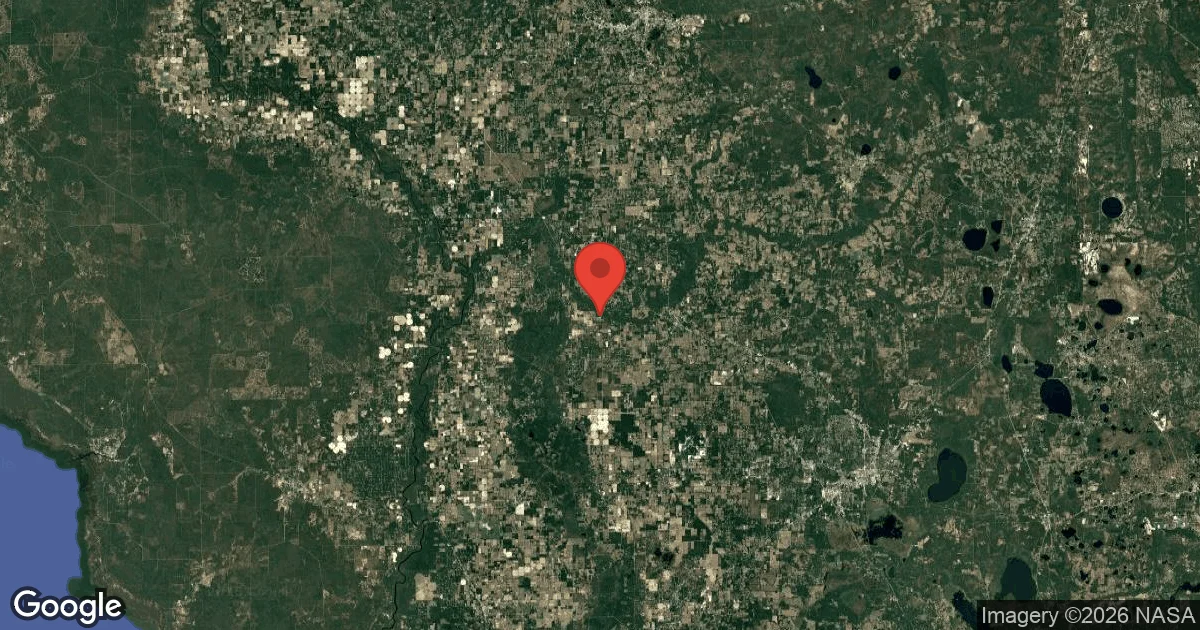
Dive Site Location & Key Facts
Dive Site Overview
Sunbeam Spring, documented in Florida Geological Survey Bulletin 66, presents a challenging dive into a significant karstic feature within Santa Fe Riverbed. Explorations consistently reveal a complex system of two main vents.
One fissure, typically found near a north bank, measures around 2.1 m (7 ft) long and up to 0.3 m (1 ft) wide, known for its excellent water clarity. Another vent, often submerged by river conditions, produces water with a noticeable brownish-green hue and poorer visibility; it generates a prominent surface boil just like its counterpart. Early pioneering dives documented intense flow conditions; some described initial entry as "crawling into a fire hydrant," where losing grip could propel a diver backwards.
Access to deeper cave passages involves navigating a significant restriction. Beyond this point, passages open into larger sections, with explorers reaching areas like a "great sand dune" approximately 150 m (500 ft) from an entrance.
Further leads within this extensive subterranean network transition from firm, clear sections to areas with soft limestone and silt, demanding precise buoyancy and trim. Sunbeam Spring attracts advanced technical divers seeking intricate, high-energy environments.
Conditions are Moderate
Optimal conditions expected
Current conditions near Sunbeam Spring show 22° air, --° sea temperature, N/A waves, and 25 km/h wind. Forecast data is refreshed regularly to ensure accuracy.
Best Time to Dive
Optimizing a dive at Sunbeam Spring largely depends on managing surface conditions and river flow, which can vary. For divers seeking milder air temperatures for surface preparation and post-dive activities, spring and fall months generally offer comfortable climate. Air temperatures range from about 18°C (64°F) in March to 25.5°C (78°F) in September, often accompanied by moderate rainfall between 3.7 mm and 4.7 mm, suggesting generally stable weather patterns. Summer months, particularly July and August, bring warmest air temperatures, averaging around 27.5°C (82°F) and 27.5°C (82°F) respectively. However, these months also see highest average rainfall, peaking at 6.18 mm in August. Increased rainfall can impact river levels and potentially influence current strength within a spring system, as one vent is noted to be inundated by river conditions. Cooler air temperatures in winter, dropping to 11°C (52°F) in January, might necessitate warmer surface gear despite consistently favorable dive scores throughout a year. Minimal rainfall in November and April (around 1.5-1.6 mm) could suggest stable river conditions, making them potentially favorable for visibility in river-influenced vents.
PEAK SEASON SCORE
Scores combine air & water temps, waves, wind & rainfall for overall conditions.
BEST MONTHS TO DIVE
Monthly records compiled from satellite and marine observation nodes over the last 3 years. Data provided by Open-Meteo and MET Norway.
Dive Experience & Conditions
Current dynamics define diving Sunbeam Spring. Divers should anticipate extremely high flow rates, particularly within initial 15 m (50 ft) of a cave system. Requiring significant exertion and precise maneuvering, losing grip can result in being swept backwards towards river. Originating from two vents within a riverbed fracture, conditions vary dramatically between them. One vent offers excellent clarity, presenting a distinct contrast to another, which often exhibits poor clarity and a brownish-green tint, especially when inundated by river water. Navigating interior passages involves tight restrictions where divers may need to remove fins and tanks to pass. Beyond such constrictions, cave passages open into larger sections, but environments can change, transitioning from clean, high-flow areas to zones with very soft limestone and noticeable silt. Maintaining situational awareness of river's boat traffic is also critical, given spring's position almost in middle of Santa Fe River. Such complex and demanding conditions mandate advanced training and experience in overhead environments.
Dive Difficulty & Safety Guidelines
For a safe dive at Sunbeam Spring, expert tips emphasize thorough preparation for extreme conditions. High flow mandates robust propulsion techniques and continuous awareness of potential reversal. Prior experience with tight restrictions is essential; be prepared to remove equipment like fins and tanks to negotiate narrow passages safely.
Given its location in Santa Fe River, actively monitor for boat traffic at surface, especially during entry and exit. A technical cave dive, this site is not suitable for open water or cavern divers.
Only appropriately certified and experienced cave divers should attempt to enter system. Maintain pristine buoyancy and propulsion to mitigate silt-outs, particularly in passages noted for soft limestone.
Always dive with proper cave diving equipment, including multiple redundant light sources, separate air sources, and a continuous guideline. Planning involves knowing your limits and recognizing turn pressures before embarking on a dive.
Recommended Equipment
- Dive Computer
This gear list is based on verified equipment signals for Sunbeam Spring, United States. Always confirm final gear choices with your dive operator, guide, or liveaboard.
Recommended Dive Suit
Because recent water temperature readings are not available for Sunbeam Spring, the guidance below is based mainly on current air conditions and seasonal expectations. Current surface air temperatures are roughly 22°C (71°F).
Based on regional estimates and current weather, the likely required exposure protection is a 3-5mm wetsuit. Note that local currents and upwellings can alter this. Surface intervals may feel cooler.
Weather patterns are currently shifting, so expect some variability in conditions.
Emergency & Medical Support
Essential information to help you plan your dive trip to Sunbeam Spring.

Hyperbaric chambers are a critical part of dive safety infrastructure. Availability varies significantly by region, and not all dive areas have immediate access.
Before diving, it's recommended to:
- confirm nearest medical facilities
- check emergency procedures with local dive operators
- ensure dive insurance covers evacuation if required
Divers Alert Network
Diving emergency assistance available through DAN World.
+1-919-684-9111- 24/7 emergency hotline
- Diving medical assistance
- Evacuation coordination
Emergency contacts are provided for reference. Always verify local emergency services before diving.
Marine Life at Sunbeam Spring
Specific marine life observations within Sunbeam Spring are not consistently reported in available data. Primary draw for divers lies in distinctive geological formations and powerful hydrological processes of a high-flow cave system.
Divers will instead encounter dynamic interaction of clear spring water with riverine influences. Focus remains on structural elements of cave, from its two prominent vents creating surface boils, to intricate passages and varying clarity between them.
Exploring this site highlights raw power and unique subterranean architecture of Florida's aquifer rather than diverse fauna.
Dive Sites Near Sunbeam Spring
View all dive sites in United StatesDiscover more underwater gems in this area.
Dive Centers Near Sunbeam Spring
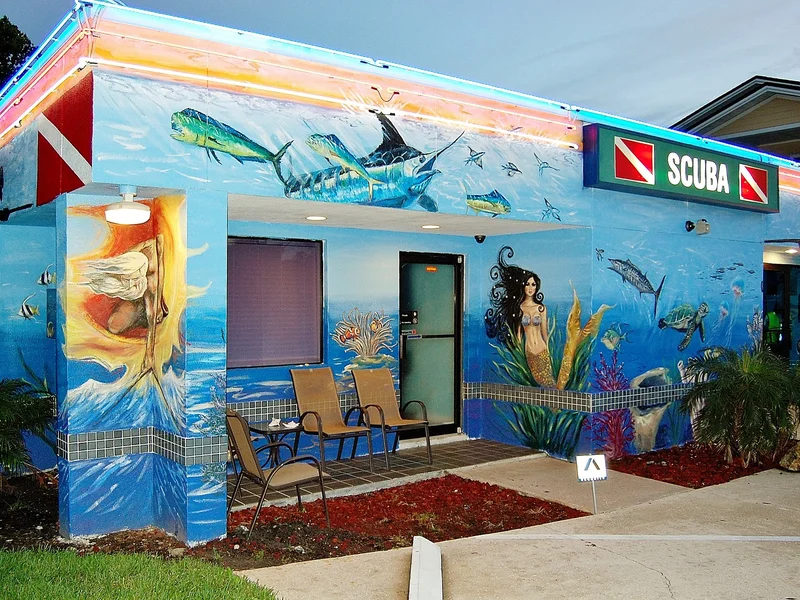
Today: 10:00 - 17:00
Nearest Airports
Nearest airports to help plan travel to this dive area.
Search Flights
Check available flights and routes on Expedia, using the nearby airports listed in this section.
Search Flights on Expedia
Plan Your Stay
Looking for a place to stay for your dive trip? Explore hotels, stays, and vacation rentals for dive groups near Fort White.
Dive Navigator may earn a commission from these links at no extra cost to you.
Frequently Asked Questions
How do divers access Sunbeam Spring?
Access is exclusively by boat via Santa Fe River. Divers typically travel approximately 0.9 miles (1.5 km) downriver from Wilson Springs Road boat ramp or paddle upriver from Oasis Spring. Spring's entrance is almost in middle of river.
What kind of diving is done at Sunbeam Spring?
Sunbeam Spring is a challenging technical cave dive. It involves navigating high flow and tight restrictions within an overhead environment, suitable only for appropriately certified and experienced cave divers.
What are the typical water conditions like?
Spring flows from two vents; one offers excellent clarity, while another can have poor, brownish-green visibility, especially when influenced by river water. Its system is known for extremely high flow rates. Water temperature is not consistently reported in available data, but local springs often have stable year-round temperatures.
Are there any significant restrictions within the cave?
Yes, divers will encounter significant restrictions where removing fins and tanks may be necessary to pass. Beyond these points, passages open into larger sections.
What is the maximum depth typically reached in Sunbeam Spring?
While exact maximum depths are not consistently reported for Sunbeam Spring itself, divers have explored large passages approximately 6 m (20 ft) in depth beyond initial restriction. Cave systems in area can extend much deeper, and further exploration within Sunbeam Spring requires advanced cave diving techniques.
Is surface support or facilities available at the spring?
No, there are no facilities directly at Sunbeam Spring. Access is boat-only, and divers should be entirely self-sufficient, preparing all necessary gear and provisions before their trip. A wooden deck is located 30 m (100 ft) northwest of vents.
Planning to dive Sunbeam Spring?
Send one inquiry and receive offers directly from the best verified local dive operators.
Conditions are Moderate
Optimal conditions expected
Current conditions near Sunbeam Spring show 22° air, --° sea temperature, N/A waves, and 25 km/h wind. Forecast data is refreshed regularly to ensure accuracy.