
Diving at Sunglow NW 2015 (United States)
For certified divers, exploring Sunglow NW 2015 offers a chance to connect with submerged history. These waters invite divers to engage with the remnants of past vessels that now serve as vibrant artificial reefs. It's an environment where the structures themselves become habitats, providing an enriching underwater journey. Preparing for a wreck dive here means anticipating diverse conditions and the potential for exciting marine encounters.
As evening covers Sunglow NW 2015, the local air temperature is measured at 27°C. The current wave height at the surface is recorded at 1.4 m. These late-day readings characterize the surface conditions for the night.
Dive Site Location & Key Facts
Dive Site Overview
Exploring underwater history at sites like Sunglow NW 2015 offers a distinct dive experience. Wrecks here transcend mere sunken objects, functioning instead as evolving ecosystems that often attract marine life absent from shallower natural reefs.
Areas like this, exemplified by nearby sites including the Danny McCauley Memorial Reef, commonly feature wreck structures around 30 m (100 ft) deep. Diving these locations typically involves navigating over and around the main wreck, a practice known as open water wreck diving. This approach prioritizes external exploration of the sunken vessel and its immediate surroundings, suitable for advanced recreational divers.
For those with advanced training, limited penetration allows entry into portions of the wreck while staying within the light zone and ensuring a clear exit path. Such exploration demands precise buoyancy control and situational awareness.
Full penetration, a significantly more advanced and hazardous discipline, necessitates extensive specialized training and equipment, extending exploration beyond the light zone into fully enclosed spaces. Structures themselves, frequently exhibiting sharp edges, varied openings, and potential entanglement hazards, create compelling scenes for divers who are appropriately trained and equipped.
Understanding nuances of these submerged environments is crucial for a safe and rewarding dive, underscoring the importance of appropriate certification.
Conditions are Good
Optimal conditions expected
Current conditions near Sunglow NW 2015 show 27° air, 29° sea temperature, 0.7 m waves, and 15 km/h wind. Forecast data is refreshed regularly to ensure accuracy.
Best Time to Dive
Planning your dive around optimal weather patterns can significantly enhance your experience at Sunglow NW 2015. The months from May through August often provide the calmest seas, with average wave heights dropping to around 0.6-0.7 m (2.0-2.3 ft), alongside lower wind speeds. Air temperatures during these prime months are consistently warm, averaging between 24.5°C (76°F) in May and 27.5°C (82°F) in August. While water temperatures are not consistently reported in available data, they generally parallel the warm air temperatures of the region, making for comfortable diving. October typically sees the highest average wave heights, around 1.4 m (4.6 ft), and increased rainfall, which may lead to less favorable surface conditions. Regardless of the season, most months offer a 'Good' dive score, indicating generally favorable conditions for exploration, with slightly higher rainfall in September and October.
PEAK SEASON SCORE
Scores combine air & water temps, waves, wind & rainfall for overall conditions.
BEST MONTHS TO DIVE
Monthly records compiled from satellite and marine observation nodes over the last 3 years. Data provided by Open-Meteo and MET Norway.
Dive Experience & Conditions
Beneath the surface, divers typically encounter varying conditions that shape the experience. Visibility in the area can range significantly, with observations at comparable wrecks reporting around 18 m (60 ft), though this fluctuates with local weather and currents. Strong currents are a notable characteristic, as the Gulf Stream frequently flows northward, sometimes at approximately 1 knot (1.9 km/h). This steady flow often requires divers to utilize a drift plan or a mooring line for descent and ascent. Water temperatures vary depending on the season, tending to be warmer during the summer months and cooler in winter. Navigating a wreck site demands careful buoyancy control and awareness of the structure itself, which can present both open expanses and intricate, sometimes confined, sections for those with appropriate training. These dynamic conditions contribute to a thrilling dive, especially when preparing for the environment.
Dive Difficulty & Safety Guidelines
Prioritizing diver preparedness is paramount for safely exploring wreck sites in this region. Given the potential for deeper dives and structural complexities, proper training for all levels of wreck diving is essential. Divers considering limited or full penetration must complete specialized courses to mitigate the inherent risks, focusing on foundational SCUBA skills, task loading management, and rigorous equipment protocols.
Adhering to your comfort zone and knowing the limits of your training and gear is crucial. The presence of spearfishing activity, particularly involving diver propulsion vehicles (DPVs), has been noted at nearby sites, which can introduce safety concerns for divers focused solely on observation and photography.
Always dive as a team, practice emergency procedures, and maintain discipline underwater to ensure a secure experience for yourself and your buddy.
Recommended Equipment
- Dive Computer
This gear list is based on verified equipment signals for Sunglow NW 2015, United States. Always confirm final gear choices with your dive operator, guide, or liveaboard.
Recommended Dive Suit
Surface temperatures may decrease slightly later in the week. Cooler days are ahead; you might want a warmer option for later in the week. A hood or vest can noticeably improve warmth during longer dives.
Divers who prefer a balanced level of warmth often select 2-3mm shorty or light wetsuit in water temperatures like this. Consider warmer surface protection (like a boat coat) due to brisk winds.
Recent environmental data from Sunglow NW 2015 indicates water temperatures near 29°C (83°F). Surface air temperatures are resting at 27°C (81°F).
Due to technical issues with our weather providers, data hasn't been fetched for over 48 hours. The data above reflects the conditions at the time of the last successful fetch.
Emergency & Medical Support
Essential information to help you plan your dive trip to Sunglow NW 2015.

Hyperbaric chambers are a critical part of dive safety infrastructure. Availability varies significantly by region, and not all dive areas have immediate access.
Before diving, it's recommended to:
- confirm nearest medical facilities
- check emergency procedures with local dive operators
- ensure dive insurance covers evacuation if required
Divers Alert Network
Diving emergency assistance available through DAN World.
+1-919-684-9111- 24/7 emergency hotline
- Diving medical assistance
- Evacuation coordination
Emergency contacts are provided for reference. Always verify local emergency services before diving.
Marine Life at Sunglow NW 2015
Wrecks like this one serve as vital artificial reefs, attracting a diverse range of marine life. Divers often observe large pelagic species that may not frequent shallower natural reefs.
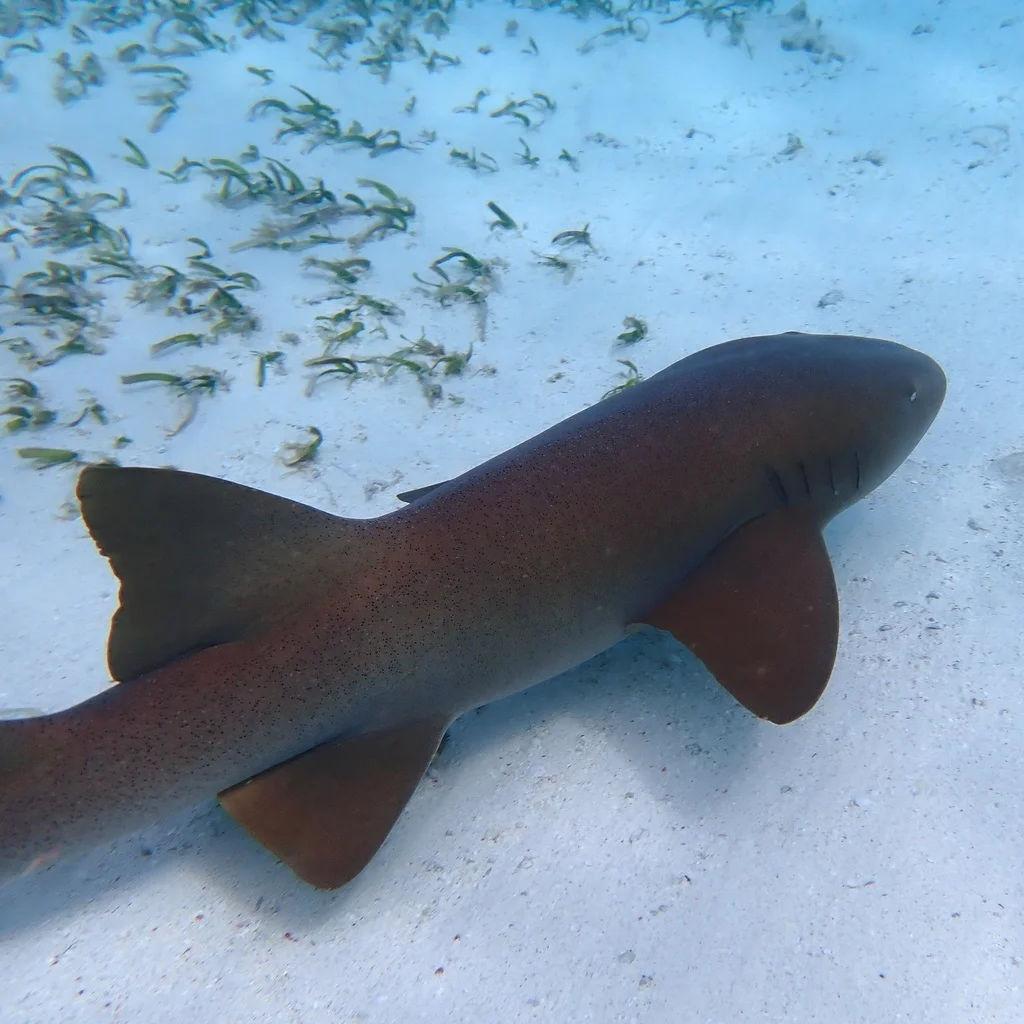
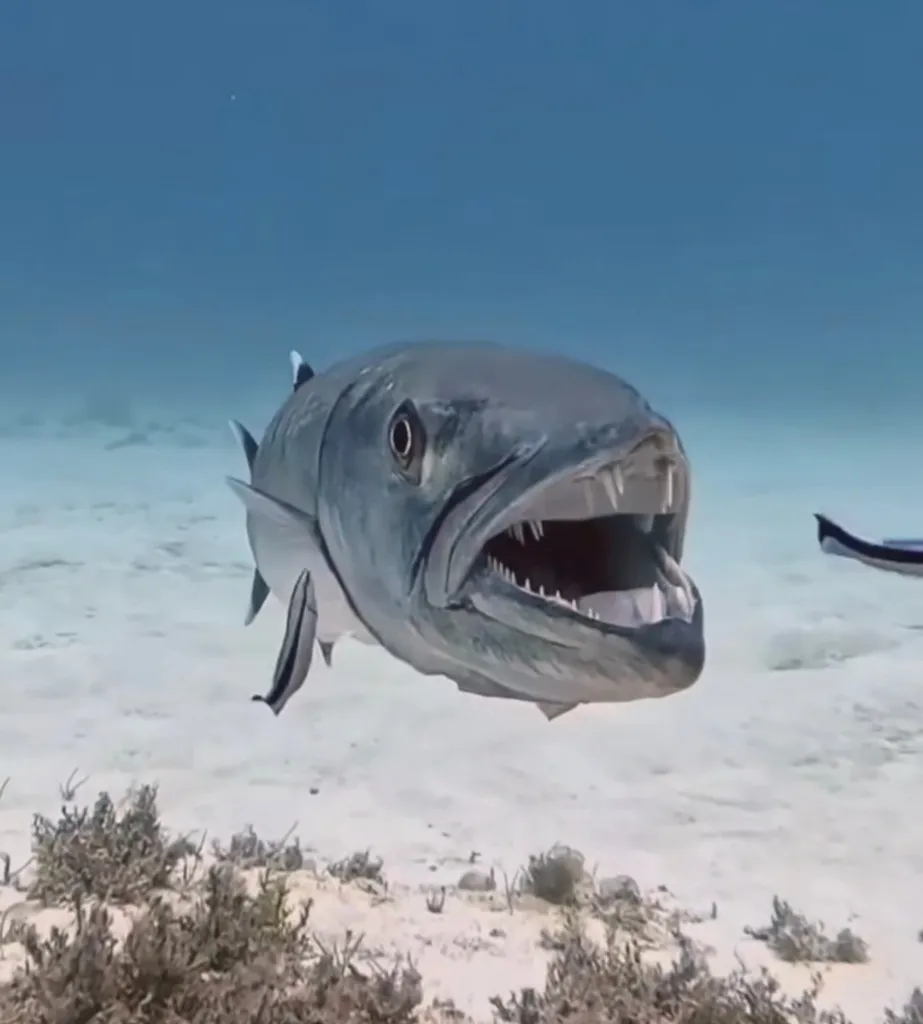
Barracuda are a common sight, often congregating around the wreck structure. Other notable inhabitants in the broader region include impressive goliath groupers, nurse sharks resting in crevices, and schools of copper sweepers creating shimmering curtains.
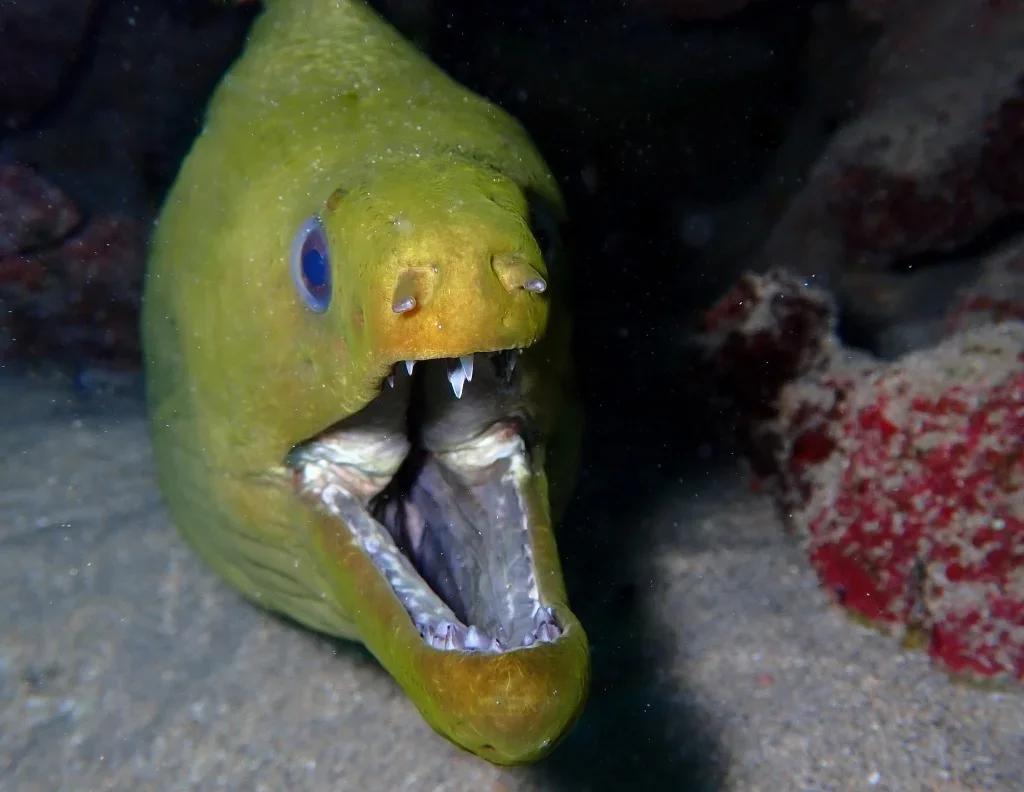
Green moray eels can also be spotted, often tucked into the wreck's many nooks and crannies. This concentration of life transforms the metal and history into a thriving underwater landscape, offering continuous opportunities for observation.

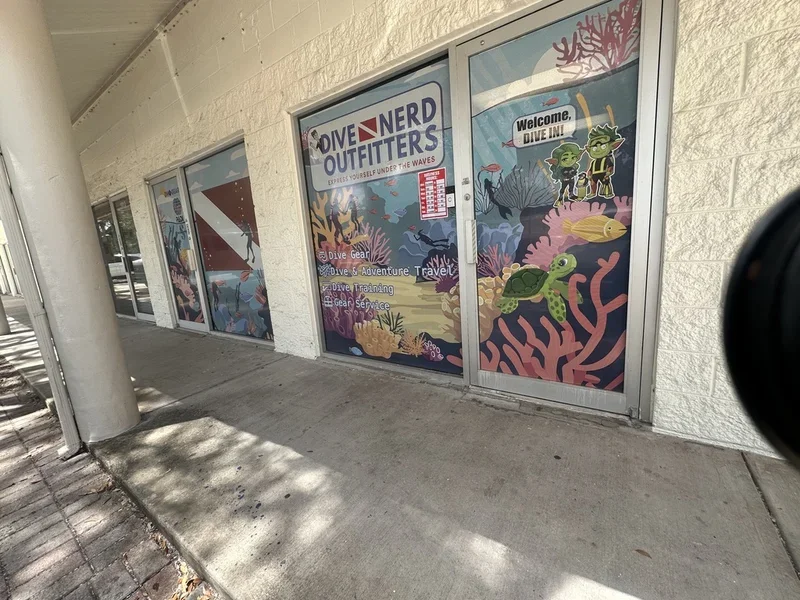
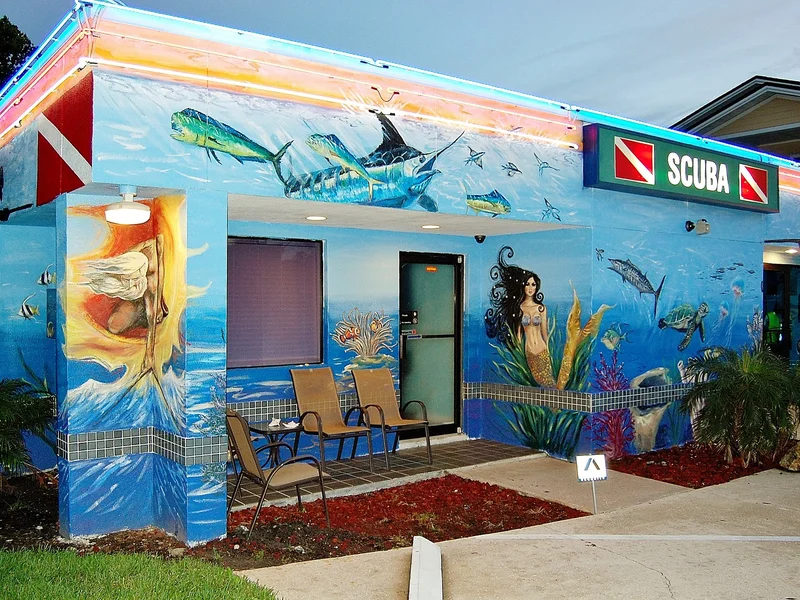
Dive Centers Near Sunglow NW 2015
Today: 10:00 - 19:00
Nearest Airports
Nearest airports to help plan travel to this dive area.
Search Flights
Check available flights and routes on Expedia, using the nearby airports listed in this section.
Search Flights on Expedia
Plan Your Stay
Looking for a place to stay for your dive trip? Explore hotels, stays, and vacation rentals for dive groups near Daytona Beach Shores.
Dive Navigator may earn a commission from these links at no extra cost to you.
Frequently Asked Questions
What is the typical depth for diving at Sunglow NW 2015?
Wreck sites in this area commonly reach depths around 30 m (100 ft). Divers should be prepared for a recreational depth range when planning their exploration.
Can divers penetrate the wreck at Sunglow NW 2015?
Wreck penetration requires specific training and equipment. Open water wreck diving (swimming over and around the wreck) is common, but limited or full penetration demands advanced certification due to increased risks.
What kind of marine life can I expect to see?
The wreck attracts a variety of marine life, including large pelagic fish and barracuda. You might also encounter goliath groupers, nurse sharks, and various reef fish sheltering within the structure.
Are there strong currents in this area?
Yes, the Gulf Stream often brings noticeable currents to the area, sometimes around 1 knot (1.9 km/h). Divers should plan for potential drift and utilize surface marker buoys.
When is the best time of year to dive Sunglow NW 2015?
The months from May through August generally offer the calmest seas and warmest air temperatures, making for good diving conditions. While most months have a 'Good' dive score, October can bring higher waves and rainfall.
Is spearfishing allowed at this site?
While regulations vary, instances of spearfishing, sometimes involving diver propulsion vehicles (DPVs), have been reported at similar wreck sites in the region. Divers focused on photography or observation should be aware of this activity.
Planning to dive Sunglow NW 2015?
Send one inquiry and receive offers directly from the best verified local dive operators.
Conditions are Good
Optimal conditions expected
Current conditions near Sunglow NW 2015 show 27° air, 29° sea temperature, 0.7 m waves, and 15 km/h wind. Forecast data is refreshed regularly to ensure accuracy.