
Diving at Tarpon Springs Reef (United States)
For divers exploring the Gulf of Mexico, Tarpon Springs Reef offers an accessible entry point. This artificial reef, constructed from piles of culverts, lies in shallower waters, making it an ideal choice for newer divers or those seeking a relaxed experience. Its design provides ample shelter, attracting a variety of local marine life and setting the stage for straightforward navigation.
As evening covers Tarpon Springs Reef, the local air temperature is measured at 24.5°C. The current wave height at the surface is recorded at 0.3 m. These late-day readings characterize the surface conditions for the night.
Dive Site Location & Key Facts
Dive Site Overview
An artificial structure, Tarpon Springs Reef was intentionally deployed to foster marine habitats and create a compelling destination for divers. Historical efforts to create such reefs often use materials like culverts; this site perfectly exemplifies those initiatives.
Lying at a manageable 8 meters (27 ft), it offers a depth well within recreational limits, suitable for extended bottom times. While part of a broader network of dive sites around Tarpon Springs—including other ledges and artificial structures like the Veterans Reef with its barges and statues—the culvert reef itself forms a foundational ecosystem. The Gulf of Mexico in this region, historically an ancient riverbed, features subtle underwater landscapes greatly benefiting from these constructed environments.
Culvert piles provide immediate refuge and a substrate for growth where marine life can thrive against a predominantly sandy bottom. Consistently good visibility, often between 18 to 21 meters (60 to 70 ft), enhances the experience for underwater observers and photographers alike. This site is a testament to conservation efforts that also support local diving.
Conditions are Good
Optimal conditions expected
Current conditions near Tarpon Springs Reef show 25° air, 30° sea temperature, 0.2 m waves, and 23 km/h wind. Forecast data is refreshed regularly to ensure accuracy.
Best Time to Dive
Optimal diving conditions at Tarpon Springs Reef typically emerge during the summer months, particularly July, which often presents an "Excellent" dive score. During this period, air temperatures average around 28°C (82°F) and rain averages about 5.9 mm (0.23 inches), contributing to stable weather. Surface water temperatures generally range from 21°C (70°F) to higher, with August noted as the warmest time. Visibility remains consistently good throughout much of the year, frequently between 18 to 21 meters (60 to 70 ft). While January marks the coldest period, with average air temperatures around 14°C (58°F), diving remains possible all year round. Spring and fall months like April and October also yield "Good" dive scores, offering favorable air temperatures around 23°C (73°F) and 24°C (75°F) respectively, with moderate rainfall. Planning dives outside of peak storm seasons generally ensures the most comfortable and rewarding experience.
PEAK SEASON SCORE
Scores combine air & water temps, waves, wind & rainfall for overall conditions.
BEST MONTHS TO DIVE
Monthly records compiled from satellite and marine observation nodes over the last 3 years. Data provided by Open-Meteo and MET Norway.
Dive Experience & Conditions
Upon entering the water at Tarpon Springs Reef, divers will encounter a relatively shallow descent to a maximum depth of 8 meters (27 ft). Clear waters often provide excellent visibility, typically ranging from 18 to 21 meters (60 to 70 ft), allowing for good orientation from the surface. Water surface temperatures generally start from 21°C (70°F) and can be significantly warmer in summer, ensuring comfortable conditions. A gentle profile, combined with the artificial culvert structures, creates a forgiving environment, particularly suitable for new divers or those refining their skills. Navigation around the piles is straightforward, which rest on a sandy bottom. Minimal currents typically associated with this shallow, nearshore environment further enhance the relaxed nature of the dive.
Dive Difficulty & Safety Guidelines
Approaching Tarpon Springs Reef requires adherence to standard diving safety protocols, ensuring a secure experience for all. Certified divers should always verify current conditions with local Tarpon dive centers before any immersion; this crucial step provides the most up-to-date information on site status and any specific requirements. Diving should only be undertaken by certified individuals, or those accompanied by a professional for introductory experiences.
Never exceed your level of training. Many local operators require divers to be at least 10 years old and certified for charters.
Avoiding flying within 24 hours post-dive is a critical safety measure. Always plan your dive and dive your plan, ensuring proper equipment and a responsible buddy system.
Recommended Equipment
- Dive Computer
This gear list is based on verified equipment signals for Tarpon Springs Reef, United States. Always confirm final gear choices with your dive operator, guide, or liveaboard.
Recommended Dive Suit
Dive skin or rash guard is often considered an appropriate level of exposure protection for conditions like these. Strong winds are present; please take strong precautions against rapid cooling during surface intervals.
Divers entering the water at Tarpon Springs Reef today can expect temperatures near 30°C (87°F) beneath the surface. Surface air temperatures are resting at 25°C (76°F).
The forecast outlook suggests that temperatures will stay close to current levels.
Emergency & Medical Support
Essential information to help you plan your dive trip to Tarpon Springs Reef.

Hyperbaric chambers are a critical part of dive safety infrastructure. Availability varies significantly by region, and not all dive areas have immediate access.
Before diving, it's recommended to:
- confirm nearest medical facilities
- check emergency procedures with local dive operators
- ensure dive insurance covers evacuation if required
Divers Alert Network
Diving emergency assistance available through DAN World.
+1-919-684-9111- 24/7 emergency hotline
- Diving medical assistance
- Evacuation coordination
Emergency contacts are provided for reference. Always verify local emergency services before diving.
Marine Life at Tarpon Springs Reef
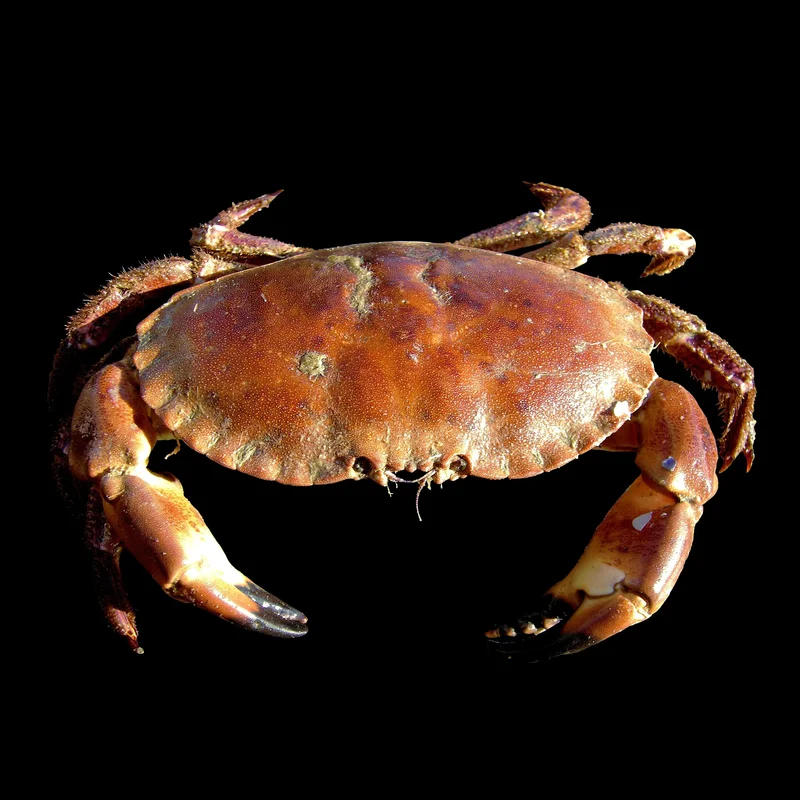
Tarpon Springs Reef supports a diverse community of marine organisms, drawn to the protection and substrate provided by the culvert structures. Divers frequently encounter rays, various species of crabs, and octopus utilizing the nooks and crannies.
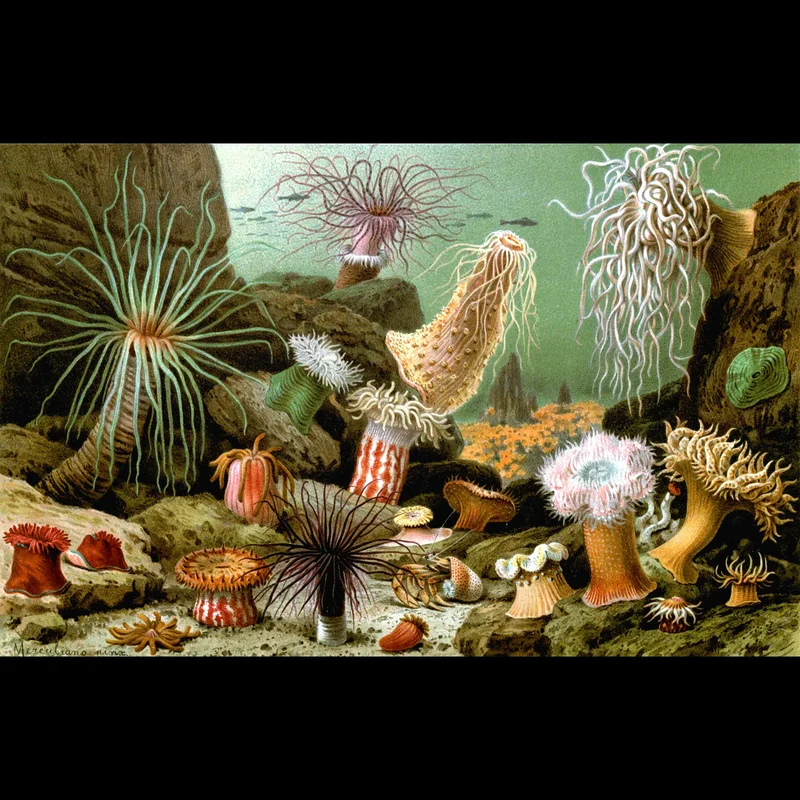
Goliath groupers are also regularly observed, often inhabiting the larger sheltered areas. The reef itself hosts anemones, a variety of sponges, and both soft and hard corals, contributing to a vibrant macro environment.
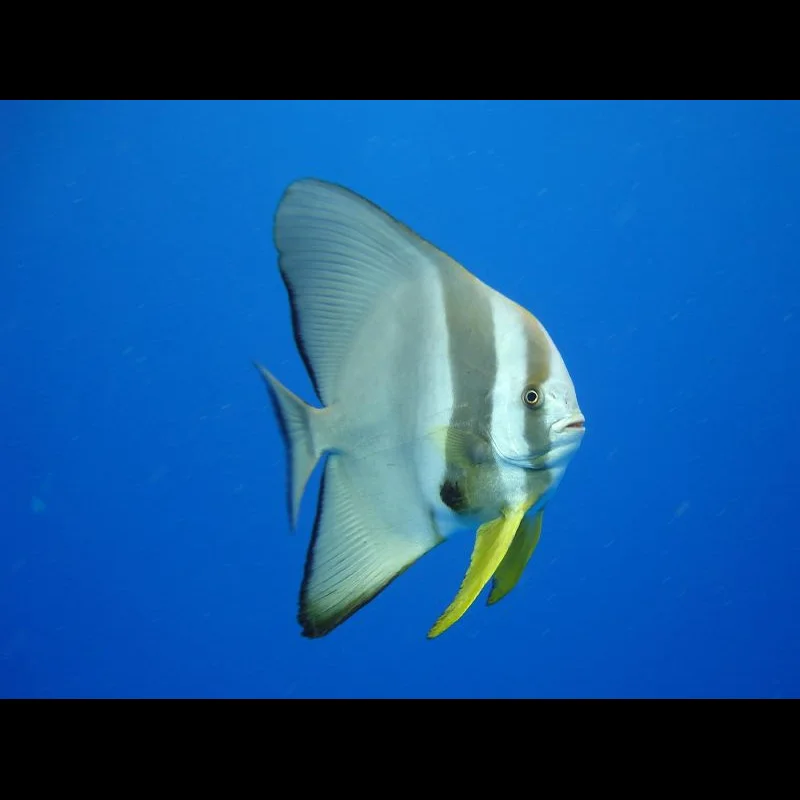
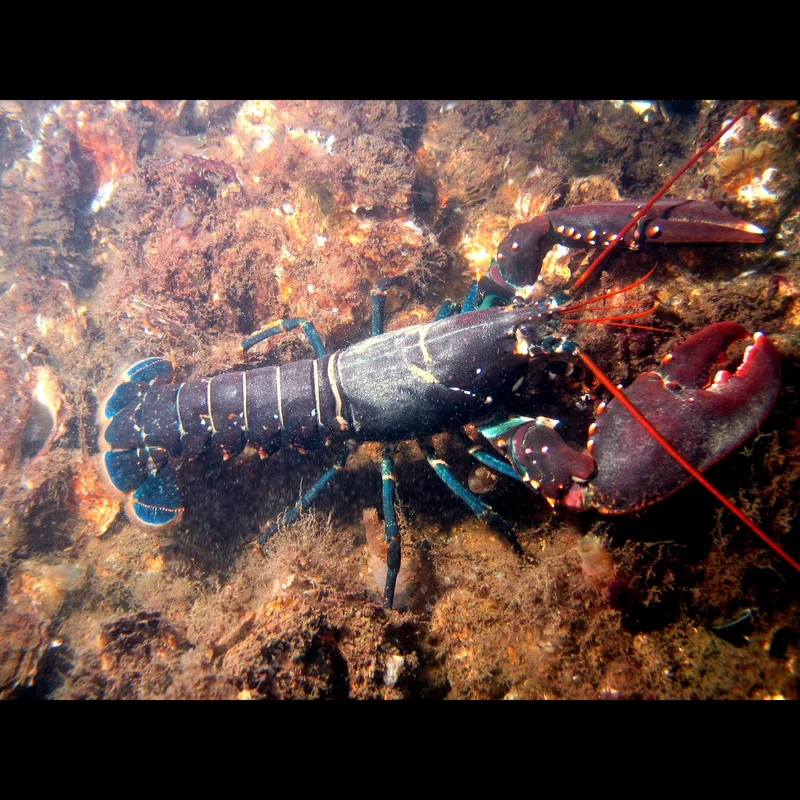
Around nearby structures, sights like foot-long batfish, lobster, spadefish, flounder, and mangos are noted. This concentration of life makes the site engaging for marine observation, even in its shallower depths.

Dive Centers Near Tarpon Springs Reef
Today: 11:00 - 19:00
Nearest Airports
Nearest airports to help plan travel to this dive area.
Search Flights
Check available flights and routes on Expedia, using the nearby airports listed in this section.
Search Flights on Expedia
Plan Your Stay
Looking for a place to stay for your dive trip? Explore hotels, stays, and vacation rentals for dive groups near Dunedin.
Dive Navigator may earn a commission from these links at no extra cost to you.
Frequently Asked Questions
What is the maximum depth of Tarpon Springs Reef?
The main Tarpon Springs Reef is relatively shallow, reaching a maximum depth of 8 meters (27 ft). Its accessible depth makes it an excellent site for divers looking for extended bottom times or those with less experience.
Is Tarpon Springs Reef suitable for beginner divers?
Yes, Tarpon Springs Reef is highly recommended for beginner divers due to its shallow depth, good visibility, and generally calm conditions. Its artificial structure provides easy navigation.
What kind of marine life can I expect to see?
Divers can anticipate seeing rays, crabs, goliath groupers, and octopus around the culverts. Anemones, sponges, and various soft and hard corals also thrive here, creating a rich ecosystem.
What is the typical water visibility?
Visibility at the reef is often quite good, typically ranging between 18 to 21 meters (60 to 70 ft). This provides ample opportunity for observation and underwater photography.
When is the best time of year to dive here?
Diving is possible year-round, but conditions are often best from late spring through early fall, particularly July and August, when air and water temperatures are warmest and dive scores are "Excellent" or "Good."
Are there dive operators in Tarpon Springs?
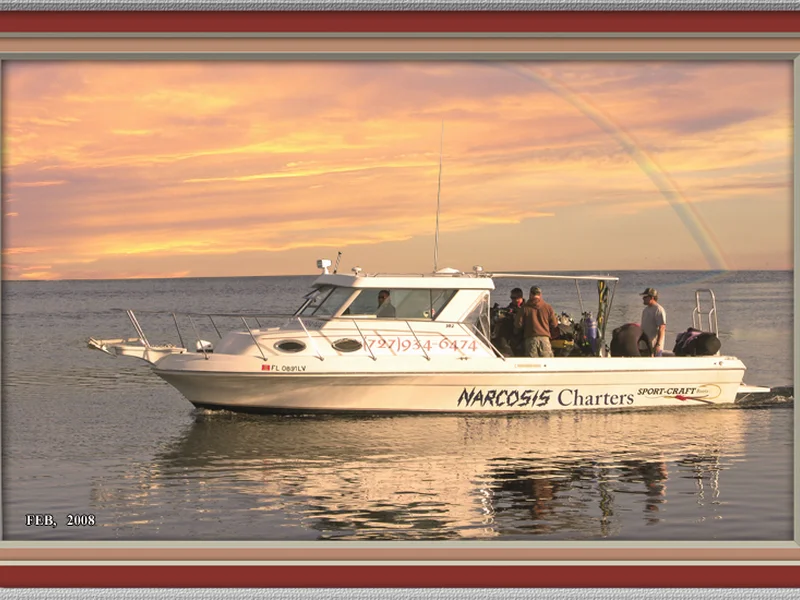
Yes, Tarpon Springs has several dive centers, such as Narcosis SCUBA Center, which offer charters, courses, and full-service support for divers exploring the local sites. Always consult them for current conditions and safety information.
Is any special equipment needed for this dive?
No specialized equipment beyond standard recreational scuba gear is typically required. However, considering water temperatures that vary seasonally, appropriate exposure protection, like a wetsuit, is advisable for comfort.
Planning to dive Tarpon Springs Reef?
Send one inquiry and receive offers directly from the best verified local dive operators.
Conditions are Good
Optimal conditions expected
Current conditions near Tarpon Springs Reef show 25° air, 30° sea temperature, 0.2 m waves, and 23 km/h wind. Forecast data is refreshed regularly to ensure accuracy.