
Diving at Unnamed FWC Reef 2023 (2) (United States)
Venturing into Florida's coastal waters offers divers a chance to explore a vast network of artificial reefs, intentionally placed structures designed to enhance marine ecosystems. The FWC Artificial Reef Program actively supports these projects, creating new habitats for various species and expanding recreational opportunities. Dive sites like Unnamed FWC Reef 2023 (2) represent these deliberate efforts to enrich the underwater landscape.
Evening condition tracking at Unnamed FWC Reef 2023 (2) features an air temperature of 25.5°C. We have recorded wave heights measuring 0.8 m during this period. These figures outline the environmental parameters currently present.
Dive Site Location & Key Facts
Dive Site Overview
This dive site is part of Florida's extensive artificial reef initiative, where objects of natural or human origin are strategically placed to create new habitat on the seafloor. Over 4,476 planned public artificial reefs have been deployed in state and federal waters off Florida's coast since the 1940s, significantly contributing to the marine environment.
These structures serve multiple purposes, from enhancing recreational and diving opportunities to providing essential reef fish habitat and even mitigating habitat lost due to activities like beach nourishment or vessel groundings. The specific materials for Unnamed FWC Reef 2023 (2) would define its topography, but typically, these reefs feature varied surfaces and crevices. Depths at such artificial sites often fall within recreational limits, commonly ranging from 10 to 30 m (30 to 100 ft), attracting a diverse aquatic community. These projects are a cornerstone of fisheries management and local marine ecosystem stewardship.
Conditions are Good
Optimal conditions expected
Current conditions near Unnamed FWC Reef 2023 (2) show 26° air, 30° sea temperature, 0.6 m waves, and 17 km/h wind. Forecast data is refreshed regularly to ensure accuracy.
Best Time to Dive
Planning a dive at Unnamed FWC Reef 2023 (2) requires consideration of the seasonal conditions affecting visibility and comfort. The months from May through September generally present the most favorable conditions, often marked by lower wave heights, decreasing from averages around 0.6 m (2 ft) in May to approximately 0.4 m (1.3 ft) in July. Air temperatures during this period are warm, ranging from 26°C (79°F) in May up to 28°C (82°F) in August, contributing to a pleasant surface experience. Rainfall tends to be higher in summer months, peaking around 6.5 mm (0.25 in) in September; however, these are often afternoon showers that may not drastically impact offshore visibility for extended periods. Dive scores are consistently rated 'Good' or 'Excellent' from May to September, indicating suitable conditions for exploration.
PEAK SEASON SCORE
Scores combine air & water temps, waves, wind & rainfall for overall conditions.
BEST MONTHS TO DIVE
Monthly records compiled from satellite and marine observation nodes over the last 3 years. Data provided by Open-Meteo and MET Norway.
Dive Experience & Conditions
As divers descend onto Unnamed FWC Reef 2023 (2), the structure of the artificial reef becomes increasingly apparent, often forming a series of ledges, crevices, and open spaces where marine life congregates. Depending on local currents, which can vary, the experience might involve a gentle drift across the site, or careful positioning around the reef itself. Water temperatures are not consistently reported for this specific location, but typically in Florida's coastal waters, they range from 22-27°C (72-81°F) during peak diving season. Visibility can vary, often influenced by recent weather and tides, but can extend from 5 to 20 m (15 to 65 ft) on good days. The primary objective for many divers visiting these sites is to observe the habitat creation, noticing how marine organisms colonize the new structures.
Dive Difficulty & Safety Guidelines
Diving artificial reefs, including sites like Unnamed FWC Reef 2023 (2), requires adherence to standard dive safety protocols and an awareness of the reef's characteristics. Reef materials can shift, degrade, or become buried over time, meaning the exact configuration might differ from historical data.
Therefore, careful navigation and situational awareness are important. Always dive within your certification limits and plan your gas consumption conservatively.
It's also crucial to remember that private reef construction is illegal; these sites are deployed under strict permits, and placing materials outside authorized areas can lead to significant federal penalties. Divers should respect the established structures and avoid disturbing the artificial reef materials or the marine life they support.
Recommended Equipment
- Dive Computer
This gear list is based on verified equipment signals for Unnamed FWC Reef 2023 (2), United States. Always confirm final gear choices with your dive operator, guide, or liveaboard.
Recommended Dive Suit
Dive skin or rash guard is often considered an appropriate level of exposure protection for conditions like these.
Divers planning a dive at Unnamed FWC Reef 2023 (2) today will likely encounter water temperatures close to 30°C (85°F). Surface air temperatures are resting at 26°C (78°F).
The upcoming forecast points to generally steady conditions in the area.
Emergency & Medical Support
Essential information to help you plan your dive trip to Unnamed FWC Reef 2023 (2).

Hyperbaric chambers are a critical part of dive safety infrastructure. Availability varies significantly by region, and not all dive areas have immediate access.
Before diving, it's recommended to:
- confirm nearest medical facilities
- check emergency procedures with local dive operators
- ensure dive insurance covers evacuation if required
Divers Alert Network
Diving emergency assistance available through DAN World.
+1-919-684-9111- 24/7 emergency hotline
- Diving medical assistance
- Evacuation coordination
Emergency contacts are provided for reference. Always verify local emergency services before diving.
Marine Life at Unnamed FWC Reef 2023 (2)
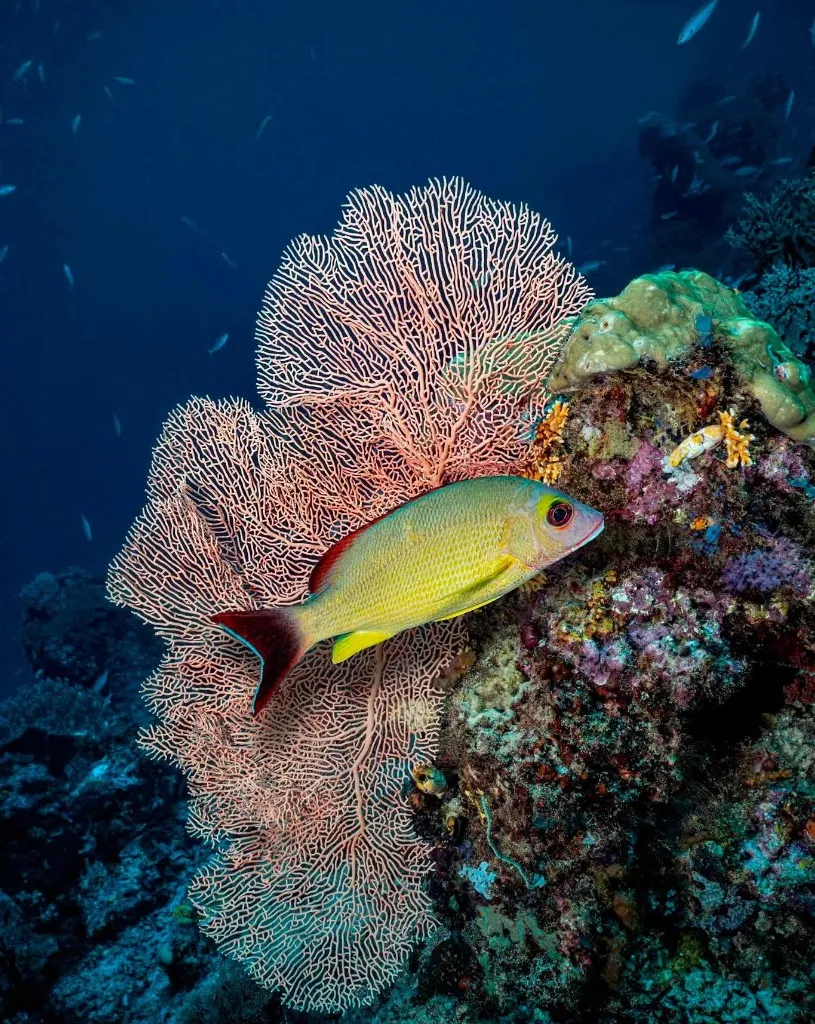
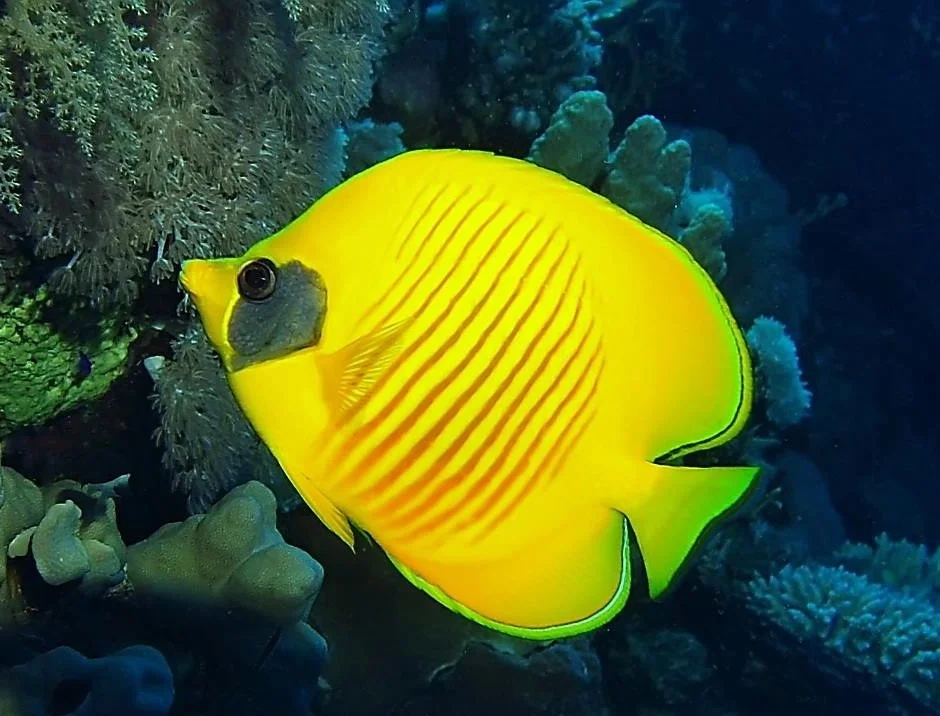
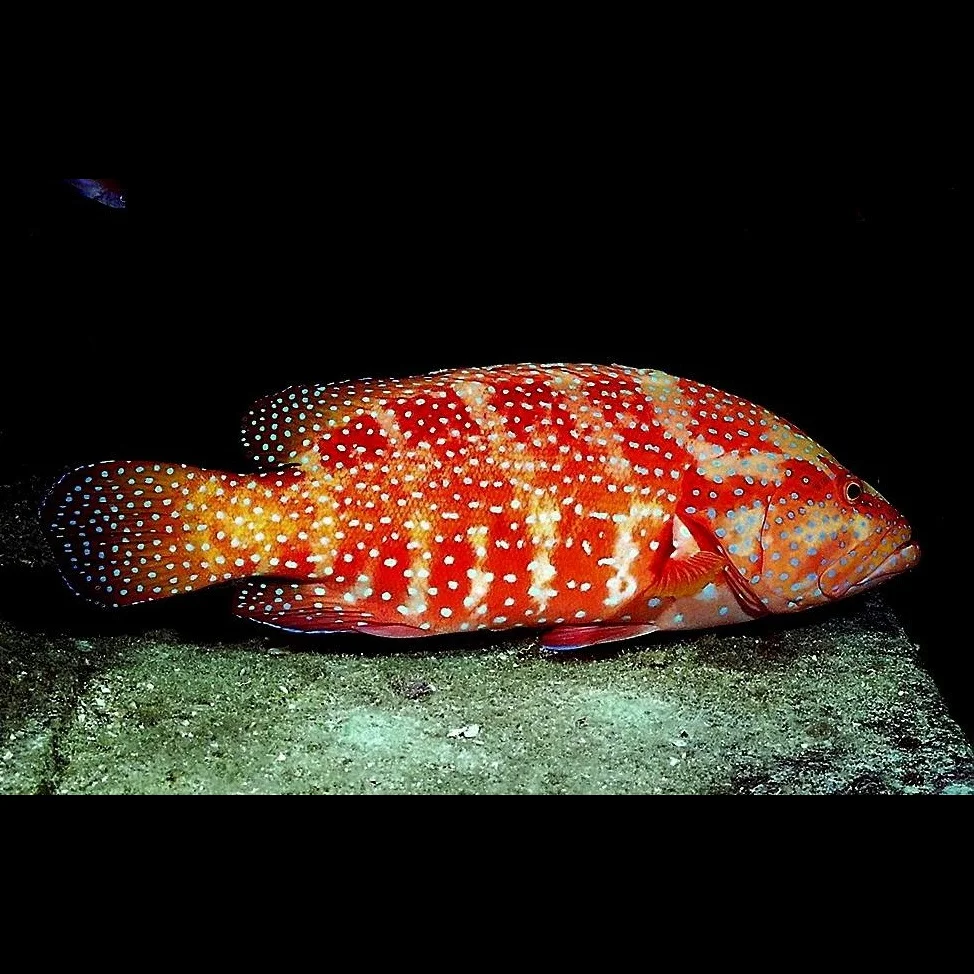
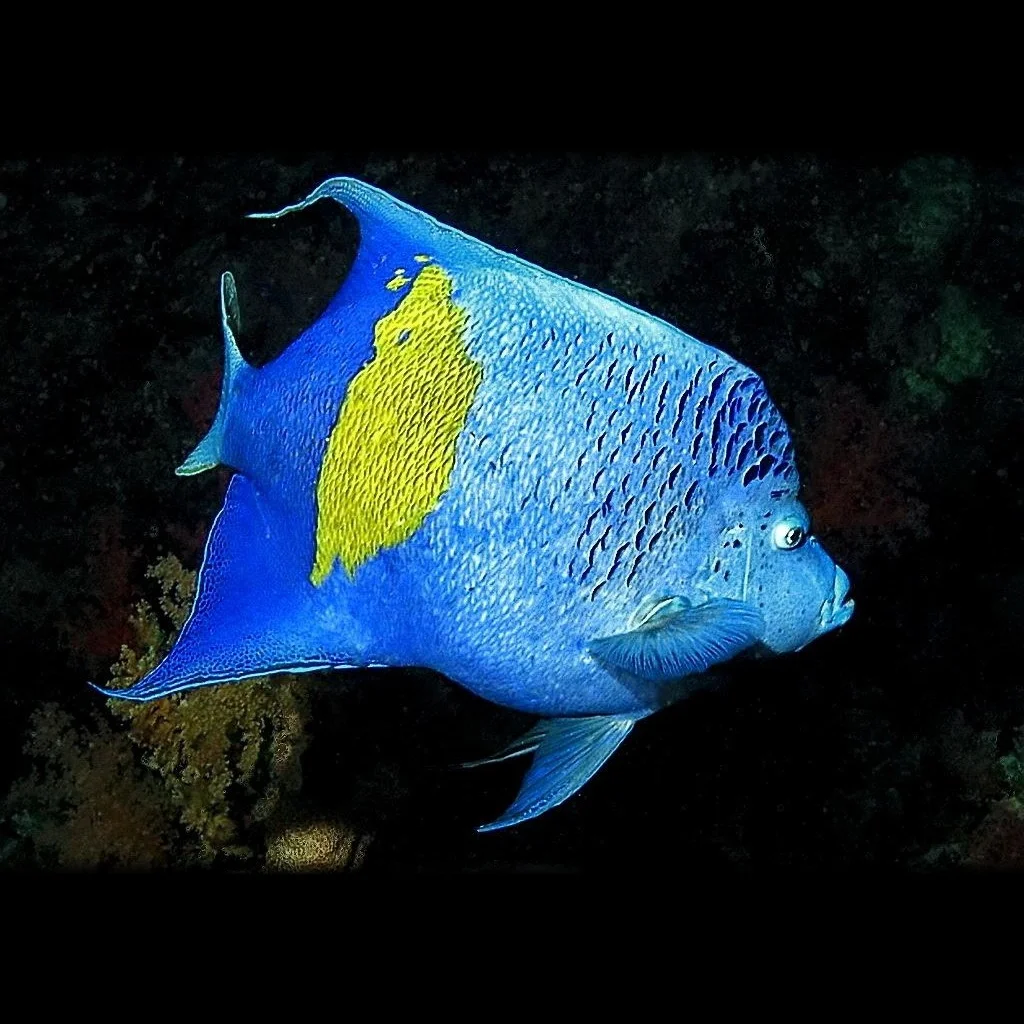
The immediate observations on this artificial reef often include schools of baitfish swirling around the structures, acting as a magnet for larger predators. You'll frequently spot various reef fish, from snappers and groupers using the crevices for shelter to angelfish and butterflyfish navigating the surfaces.
Artificial reefs are specifically designed to increase reef fish habitat, so a wide array of species will be present. Depending on the material, you might also see early stages of oyster reef regeneration or other encrusting organisms forming a new vibrant layer of life.
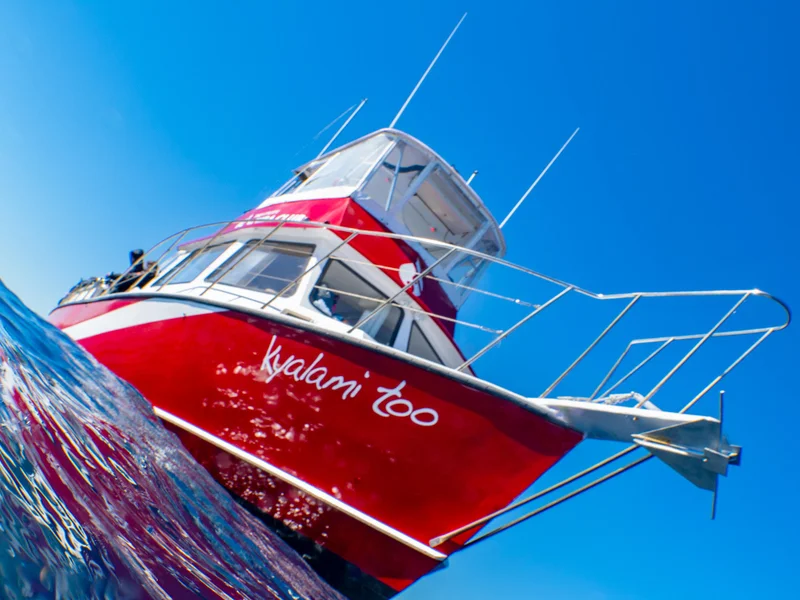
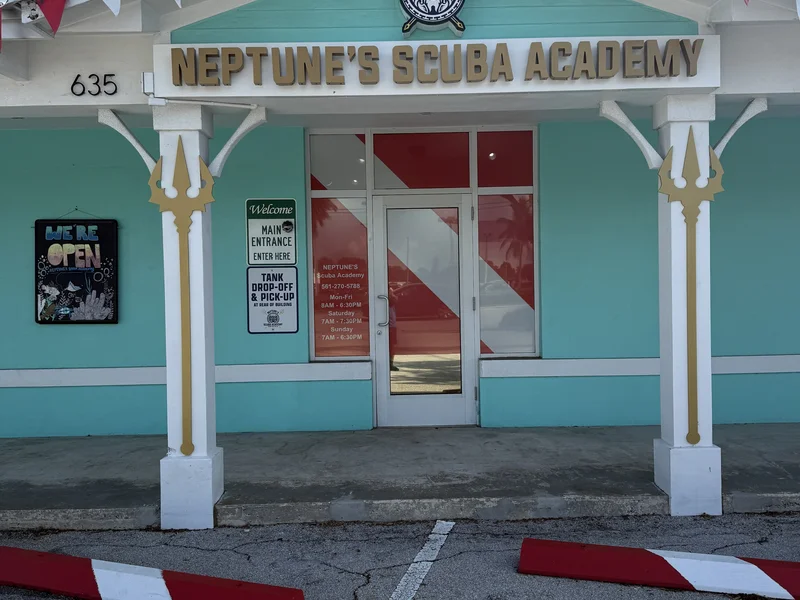
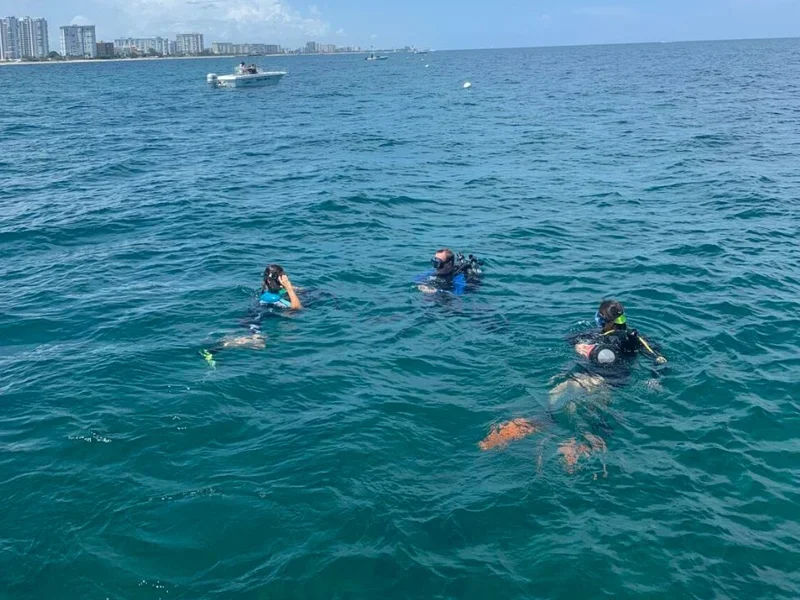
Dive Centers Near Unnamed FWC Reef 2023 (2)
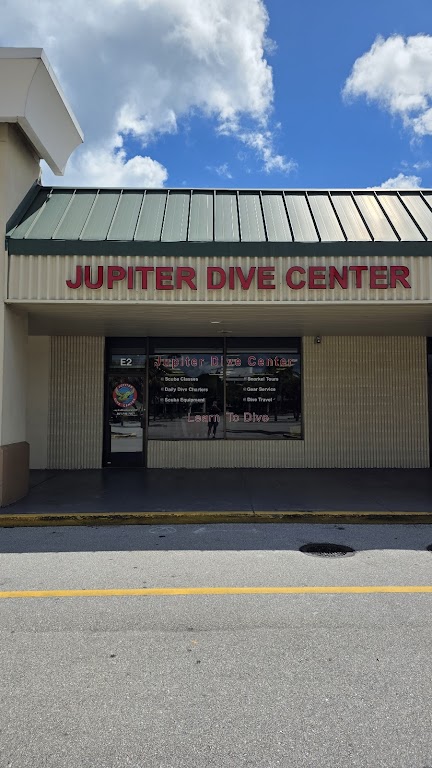
Today: 10:00 - 18:00
Nearest Airports
Nearest airports to help plan travel to this dive area.
Search Flights
Check available flights and routes on Expedia, using the nearby airports listed in this section.
Search Flights on Expedia
Plan Your Stay
Looking for a place to stay for your dive trip? Explore hotels, stays, and vacation rentals for dive groups near Saint Lucie.
Dive Navigator may earn a commission from these links at no extra cost to you.
Frequently Asked Questions
What is an artificial reef?
An artificial reef consists of one or more objects, either natural or human-made, intentionally placed on the seafloor. Their purpose is to enhance marine life by creating new reef habitat, which in turn supports human uses like fishing and diving.
What are the benefits of artificial reefs?
Artificial reefs offer several benefits, including enhancing recreational and diving opportunities and providing socio-economic advantages to local coastal communities. They significantly increase reef fish habitat and can serve as mitigation reefs to replace hard bottom habitat lost due to human activities.
Who constructs artificial reefs in Florida?
In Florida, artificial reef construction is primarily completed by state or local coastal governments within authorized permitted areas. The FWC Artificial Reef Program provides financial and technical assistance to support these initiatives.
Can private citizens build their own artificial reefs?
No, private citizens are generally not permitted to build their own artificial reefs. Construction requires specific permits from entities like the Army Corps of Engineers, which are typically only issued to authorized government bodies or organizations due to long-term liability requirements. Deploying materials outside permitted areas is illegal.
How are artificial reefs monitored?
FWC staff conduct statewide compliance and performance monitoring using SCUBA, sidescan sonar, and underwater video. Additionally, grant-awarded monitoring projects assess various aspects like reef spacing, design, succession, and juvenile fish recruitment.
What kind of materials are used for artificial reefs?
The specific materials vary by project, but artificial reefs can be constructed from a wide range of natural or human-made objects. Permittees are required to provide detailed descriptions of material composition and amount during the application process.
Planning to dive Unnamed FWC Reef 2023 (2)?
Send one inquiry and receive offers directly from the best verified local dive operators.
Conditions are Good
Optimal conditions expected
Current conditions near Unnamed FWC Reef 2023 (2) show 26° air, 30° sea temperature, 0.6 m waves, and 17 km/h wind. Forecast data is refreshed regularly to ensure accuracy.